8 Health Benefits Of Melon For Hydration, Heart, Eyes
Discover the refreshing health benefits of melon, from hydration and vitamins to heart health and cancer-fighting antioxidants.
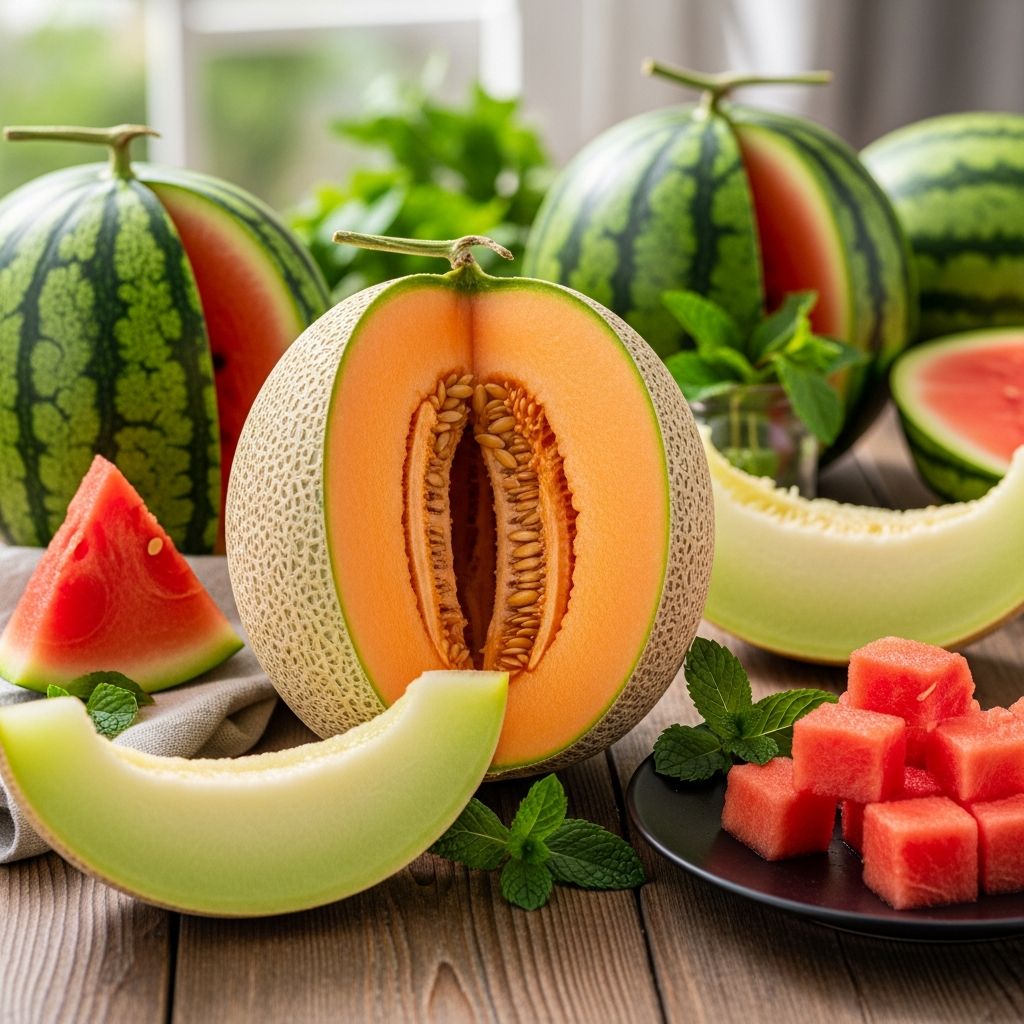
Melons are a summertime staple, prized for their juicy, refreshing flesh and sweet flavor. From watermelon to cantaloupe and honeydew, these fruits belong to the Cucurbitaceae family and pack impressive nutritional punch. Low in calories yet high in water content—often over 90%—melons hydrate the body while delivering essential vitamins, minerals, and antioxidants. A one-cup serving of diced cantaloupe provides over 100% of the daily value for vitamin A and more than 50% for vitamin C, according to USDA data. Watermelon adds lycopene, a potent antioxidant linked to heart health. Whether eaten fresh, blended into smoothies, or grilled, melons support everything from eye health to digestion. This article explores eight key health benefits backed by research.
What Is Melon, and What Are Its Nutritional Facts?
Melon refers to various large, round fruits from the gourd family, characterized by thick rinds and sweet, watery flesh. Popular varieties include watermelon (Citrullus lanatus), cantaloupe (Cucumis melo var. cantalupensis), honeydew (Cucumis melo var. inodorus), and casaba. Nutritionally, melons shine as low-calorie hydrators. A cup of diced watermelon (152g) contains just 46 calories, 11.5g carbs, 0.9g protein, and 0.2g fat, per USDA. Cantaloupe offers 53 calories per cup (177g), with 13g carbs, 1.3g protein, and 0.3g fat. Both are rich in vitamin A (from beta-carotene), vitamin C, potassium, and smaller amounts of B vitamins, magnesium, and fiber. Watermelon uniquely provides lycopene and citrulline, an amino acid that boosts blood flow. Honeydew contributes folate and vitamin B6. These nutrients make melons ideal for weight management, immune support, and more.
1. Melons Are Very Hydrating
With water content ranging from 88-92%, melons rank among the most hydrating foods. Watermelon leads at 91.5% water per USDA, followed by cantaloupe at 90%. Dehydration affects over 75% of Americans, impairing cognition, energy, and physical performance. Consuming melon helps restore fluids naturally, especially post-exercise or in hot weather. A 2022 review in Nutrients highlights that high-water fruits improve hydration status better than water alone due to accompanying electrolytes like potassium. One cup of cantaloupe provides 494mg potassium (14% DV), aiding fluid balance. Athletes benefit from watermelon’s citrulline, which reduces muscle soreness by 25% according to a study in Journal of Agricultural and Food Chemistry. Incorporate melon into salads, smoothies, or as snacks for sustained hydration without excess calories.
2. Melon Is Low in Calories
Melons support weight loss with minimal calories and high volume. Watermelon clocks in at 30 calories per cup, cantaloupe at 53, and honeydew at 58—far lower than many fruits. Their high fiber (1-2g per cup) promotes satiety; a Nutrients study found high-water, low-calorie foods reduce overall intake by 12%. The fiber also stabilizes blood sugar, preventing spikes. Dietitians recommend melons for volume eating: fill half your plate with low-cal produce to curb hunger. A medium wedge of watermelon (286g) delivers hydration and nutrients for under 90 calories, making it perfect for calorie-controlled diets.
3. Melon Contains Nutrients Vital to Eye Health
Beta-carotene in cantaloupe and honeydew converts to vitamin A, essential for vision. One cup of cantaloupe supplies 2712mcg RAE vitamin A (300% DV), protecting against age-related macular degeneration (AMD) and night blindness. Watermelon adds lutein and zeaxanthin, antioxidants that filter blue light and reduce AMD risk by 43%, per the NIH Age-Related Eye Disease Study. A 2023 meta-analysis in Nutrients linked higher carotenoid intake to 20% lower cataract risk. Regular melon consumption supports retinal health and may slow vision loss.
4. Melon Provides a Source of Antioxidants
Melons bristle with antioxidants like vitamin C, beta-carotene, and lycopene. Vitamin C in cantaloupe (61mg per cup, 68% DV) neutralizes free radicals, reducing oxidative stress linked to chronic diseases. Watermelon’s lycopene (4532mcg per cup) outperforms many veggies; a Nutrients review associates it with 26% lower stroke risk. Citrulline acts as an antioxidant, improving endothelial function. These compounds combat inflammation, potentially lowering risks for cancer and heart disease.
Related Stories



5. Melon Supports Heart Health
Potassium, fiber, and citrulline in melons bolster cardiovascular health. Cantaloupe’s 494mg potassium per cup helps regulate blood pressure; the DASH diet emphasizes potassium-rich foods to lower systolic BP by 5-6 mmHg. Watermelon’s citrulline converts to arginine, boosting nitric oxide for vessel dilation—a 2021 study in Nutrients showed 6g daily reduced BP in hypertensives. Lycopene cuts LDL oxidation, per NIH data. Folate in honeydew prevents homocysteine buildup, a heart disease risk factor.
6. Melon Supports Healthy Digestion
Fiber in melons—watermelon (0.6g/cup), cantaloupe (1.6g)—feeds gut bacteria and eases bowel movements. Soluble fiber absorbs water, softening stool; a World Journal of Gastroenterology study found adequate fiber prevents constipation. Prebiotic effects promote beneficial microbes, enhancing immunity and reducing inflammation. Water content further lubricates digestion.
7. Melon May Have Anticancer Properties
Lycopene and cucurbitacin in melons show anticancer potential. Watermelon’s lycopene inhibits prostate cancer cell growth by 50% in lab studies, per NIH. Cucurbitacin E triggers apoptosis in breast and colon cancer cells, according to Food Chemistry. Vitamin C repairs DNA damage. While promising, human trials are needed; melons complement a cancer-preventive diet.
8. Melon May Improve Muscle Soreness
Citrulline in watermelon (365mg/cup) reduces exercise-induced soreness. A Journal of Agricultural and Food Chemistry study found watermelon juice cut soreness 23% post-exercise by clearing ammonia and boosting blood flow. L-citrulline supplements mimic this; natural sources provide synergistic nutrients.
Nutrient Breakdown Comparison
| Nutrient (per 1 cup diced) | Watermelon | Cantaloupe | Honeydew |
|---|---|---|---|
| Calories | 46 | 53 | 58 |
| Water (%) | 91% | 90% | 89% |
| Vitamin A (% DV) | 11% | 300% | 3% |
| Vitamin C (% DV) | 21% | 68% | 32% |
| Potassium (mg) | 170 | 494 | 388 |
| Fiber (g) | 0.6 | 1.6 | 1.3 |
Frequently Asked Questions (FAQs)
How much melon should you eat per day?
1-2 cups daily fits most diets, providing hydration and nutrients without excess sugar (8-12g per cup). Pair with protein for balanced snacks.
Is melon good for diabetics?
Yes, in moderation—low glycemic index (50-72) and fiber slow sugar absorption. Limit to 1 cup; consult a doctor.
Can you eat melon on a keto diet?
Limited amounts; high water but 9-13g net carbs per cup. Opt for small servings.
Does melon cause bloating?
Rarely; high water aids digestion. Those with FODMAP sensitivity may limit portions.
Is melon skin edible?
Watermelon rind is; pickle or juice it for citrulline. Others have tough, inedible rinds.
References
- FoodData Central: Watermelon, raw — USDA Agricultural Research Service. 2023. https://fdc.nal.usda.gov/fdc-app.html#/food-details/169398/nutrients
- FoodData Central: Cantaloupe, raw — USDA Agricultural Research Service. 2023. https://fdc.nal.usda.gov/fdc-app.html#/food-details/169092/nutrients
- Watermelon supplementation reduces post-exercise muscle soreness — Journal of Agricultural and Food Chemistry (American Chemical Society). 2013-05-08. https://pubs.acs.org/doi/10.1021/jf400964r
- Age-Related Eye Disease Study (AREDS) — National Eye Institute (NIH). 2024-01-15. https://www.nei.nih.gov/research/clinical-trials/age-related-eye-disease-studies-aredsareds2
- Lycopene and Risk of Stroke: A Meta-Analysis — Nutrients (MDPI). 2022-07-12. https://doi.org/10.3390/nu14142877
Similar Articles








Read full bio of Sneha Tete