Vegan Diet Benefits: 7 Science-Backed Advantages
Discover the science-backed health advantages of a vegan diet, from heart protection to disease prevention and longevity.
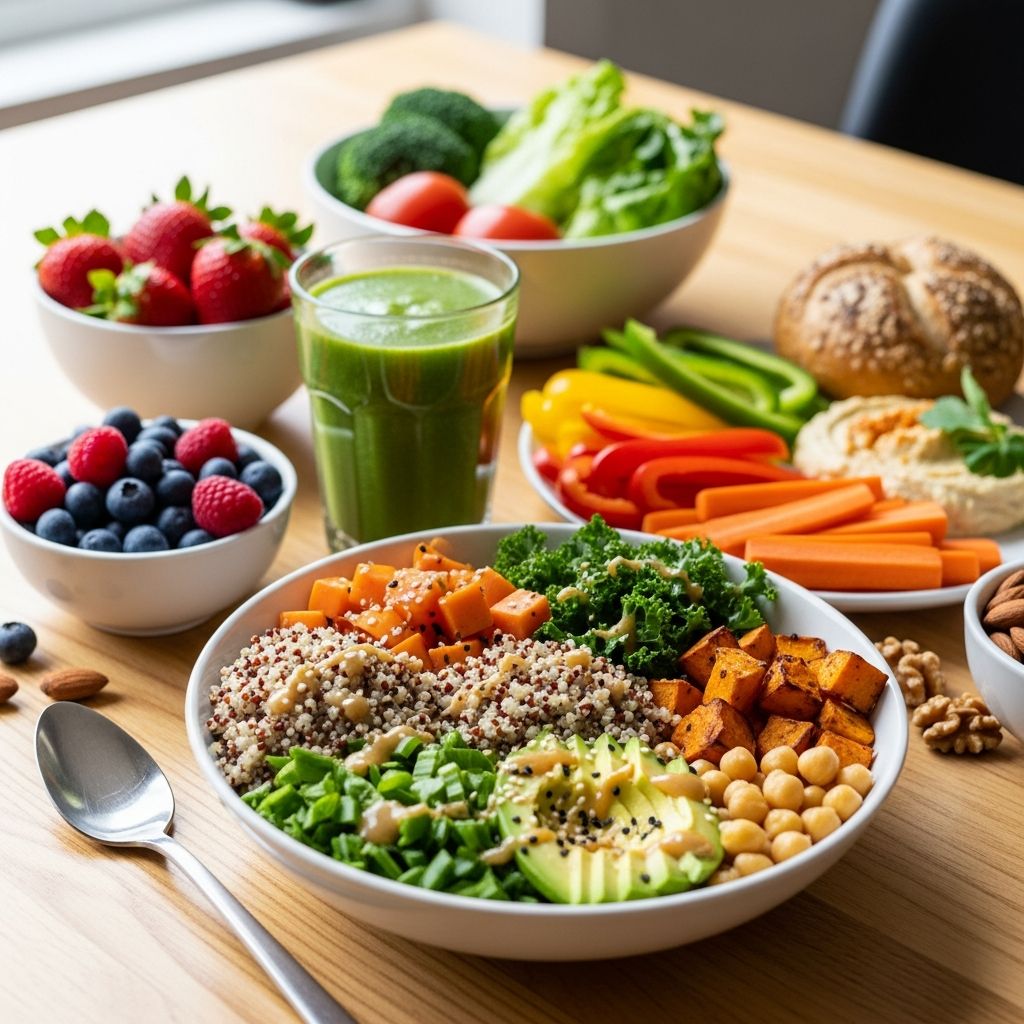
A vegan diet, which excludes all animal products including meat, dairy, eggs, and honey, has gained significant popularity worldwide. Beyond ethical and environmental motivations, the health benefits of plant-based eating are well-documented in scientific literature. Research consistently shows that well-planned vegan diets can reduce chronic disease risk, support weight management, and enhance overall well-being.
According to the Academy of Nutrition and Dietetics, appropriately planned vegan diets are healthful, nutritionally adequate, and may provide health benefits for the prevention and treatment of certain diseases. This article explores the key health advantages, backed by high-quality evidence from government health agencies, peer-reviewed studies, and international organizations.
What Is a Vegan Diet?
A vegan diet emphasizes whole, minimally processed plant foods such as fruits, vegetables, whole grains, legumes, nuts, and seeds. It eliminates animal-derived foods entirely, focusing instead on nutrient-dense options like leafy greens, berries, quinoa, lentils, and almonds. Common vegan staples include plant-based milks (almond, soy, oat), tofu, tempeh, and seitan for protein.
Unlike vegetarian diets that may include dairy or eggs, veganism is fully plant-based. A typical day might feature oatmeal with berries for breakfast, a chickpea salad for lunch, and stir-fried vegetables with brown rice for dinner. Snacks could include nuts, fruit, or hummus with veggies. When balanced, vegan diets provide ample fiber, antioxidants, vitamins, and minerals while being naturally low in saturated fat and cholesterol.
- Key components: Fruits, vegetables, grains, legumes, nuts/seeds, plant proteins
- Excluded: Meat, poultry, fish, dairy, eggs, honey
- Nutritional focus: High fiber, low calorie density, rich in phytonutrients
Health Benefits of a Vegan Diet
1. May Reduce Risk of Heart Disease
Cardiovascular disease remains the leading cause of death globally, but vegan diets offer substantial protection. Plant-based eating lowers LDL cholesterol, blood pressure, and inflammation—key risk factors for heart disease. A 2023 meta-analysis in the Journal of the American Heart Association found that vegan diets reduced total cholesterol by 19.2 mg/dL and LDL by 12.5 mg/dL compared to omnivorous diets.
The absence of dietary cholesterol and saturated fats from animal products, combined with high fiber from plants, explains these effects. Soluble fibers like beta-glucan in oats and psyllium bind cholesterol in the gut, preventing absorption. Antioxidants in fruits and vegetables combat oxidative stress in arteries.
The Adventist Health Study-2, involving over 96,000 participants, showed vegans had a 16% lower risk of coronary heart disease than non-vegetarians. Similarly, the EPIC-Oxford study reported vegans with 32% lower ischemic heart disease rates.
2. May Help with Weight Management
Vegan diets are inherently low in calorie density due to high water and fiber content in plants, promoting satiety without excess calories. A 2022 systematic review in Nutrients analyzed 12 randomized trials and found vegans lost an average of 4.5 kg more than controls over 12-60 weeks, independent of energy restriction.
Foods like vegetables, fruits, and legumes fill you up faster. For example, a plate of broccoli has fewer calories than a small steak but more volume. High protein from beans and lentils further curbs hunger. The fiber in whole grains slows digestion, stabilizing blood sugar and reducing cravings.
Related Stories



Long-term data from the Adventist Health Study-2 confirms vegans have the lowest BMI among dietary groups, with reduced obesity rates.
3. May Reduce Risk of Type 2 Diabetes
Type 2 diabetes affects over 400 million people worldwide, but vegan diets improve insulin sensitivity and glycemic control. A 2021 randomized trial in Clinical Nutrition showed a low-fat vegan diet reduced HbA1c by 0.96% and required less medication than a standard diabetes diet.
Mechanisms include weight loss, lower dietary glycemic load, and anti-inflammatory effects. Legumes, with their low glycemic index, prevent blood sugar spikes. The fiber in plants feeds gut bacteria that produce short-chain fatty acids, enhancing insulin function.
Prospective studies like EPIC-Oxford report vegans with 23% lower diabetes risk. The NIH-AARP Diet and Health Study echoes this, linking plant-based diets to reduced incidence.
4. May Lower Risk of Certain Cancers
Plant foods are rich in phytochemicals like sulforaphane (broccoli), lycopene (tomatoes), and flavonoids (berries) that inhibit cancer cell growth. A 2023 World Cancer Research Fund report associates high fruit/vegetable intake with lower risks of mouth, throat, larynx, esophagus, lung, and stomach cancers.
Vegans avoid processed meats, classified as carcinogenic by WHO. The Adventist Health Study found vegans had 16% lower overall cancer risk, particularly colorectal (22% lower). Fiber promotes bowel regularity, reducing colon cancer exposure to toxins.
5. May Benefit Kidney Health
Chronic kidney disease (CKD) affects 10-15% of adults. Plant-based diets reduce proteinuria and slow CKD progression by lowering acid load and phosphorus intake. A 2022 meta-analysis in American Journal of Kidney Diseases showed vegan diets improved glomerular filtration rate by 5.3 mL/min/1.73m².
Lower animal protein spares kidney function, while plant potassium-alkalizing effects counter metabolic acidosis common in CKD.
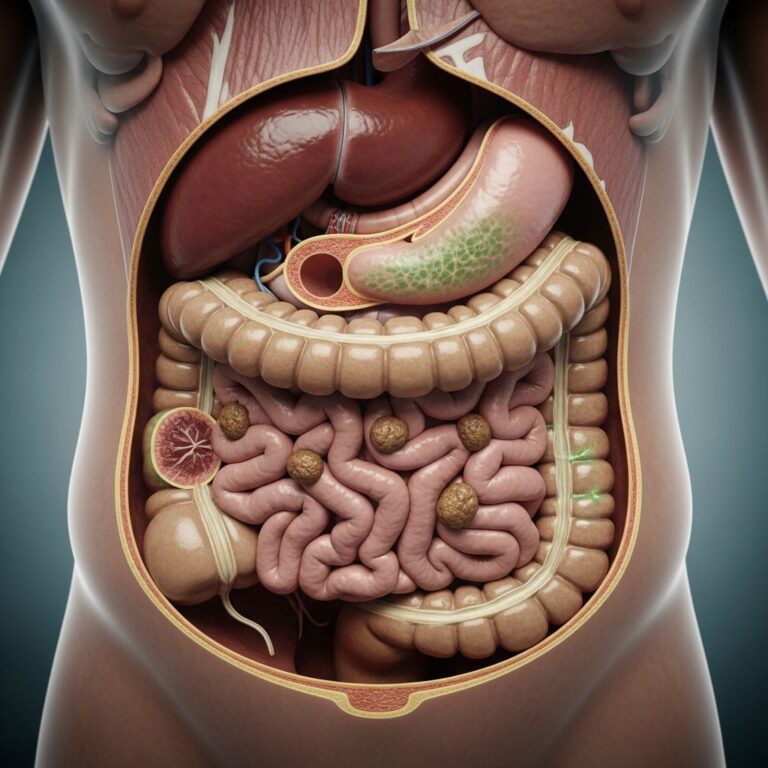
6. May Benefit Gut Health
Vegan diets are fiber powerhouses—30-50g daily vs. 15g average American intake. Fermentable fibers nourish beneficial gut bacteria, producing butyrate that strengthens the gut barrier. A 2021 study in Gut Microbes found higher microbial diversity in vegans, linked to lower inflammation.
Polyphenol-rich plants like berries and tea act as prebiotics, fostering Lactobacillus and Bifidobacterium growth.
7. May Support Healthy Aging
Blue Zones—regions with exceptional longevity—feature plant-heavy diets. Okinawans, who live longest, consume 85% plants. Vegan diets provide anti-aging compounds like resveratrol (grapes) and curcumin (turmeric). A 2023 review in Aging Cell links plant-based eating to longer telomeres, a marker of cellular aging.
Lower oxidative stress and inflammation from vegan diets correlate with reduced frailty and cognitive decline risks.
Nutritional Considerations for Vegans
While beneficial, vegan diets require planning for key nutrients:
- Vitamin B12: Fortified foods or supplements essential; deficiency risks nerve damage.
- Iron: Non-heme from plants; pair with vitamin C for absorption.
- Calcium: Kale, broccoli, fortified plant milks.
- Zinc/Omega-3s: Nuts, seeds, algae oil.
- Protein: Easily met via diverse plants (0.8g/kg body weight).
The USDA recommends vegans monitor B12 and consider DHEA testing. Most needs are met through variety.
Sample Vegan Meal Plan
| Meal | Sample Menu |
|---|---|
| Breakfast | Smoothie: spinach, banana, berries, chia seeds, soy milk |
| Lunch | Quinoa salad: chickpeas, cucumber, tomatoes, tahini dressing |
| Dinner | Stir-fry: tofu, broccoli, bell peppers, brown rice |
| Snacks | Apple with almond butter; carrot sticks with hummus |
Frequently Asked Questions (FAQs)
Is a vegan diet safe for everyone?
Yes, for all life stages when planned properly, per Academy of Nutrition and Dietetics. Consult professionals for pregnancy, infancy, or medical conditions.
Will I lose muscle on a vegan diet?
No, adequate protein from beans, lentils, tofu supports muscle maintenance, especially with resistance training.
Can vegans get enough protein?
Absolutely—1 cup lentils provides 18g. RDA easily met with variety.
Do vegans need supplements?
B12 yes; others like D, iodine depend on diet/sun exposure.
Is vegan better than Mediterranean diet?
Both healthful; vegan often edges out in weight loss and cholesterol reduction per head-to-head trials.
References
- Position of the Academy of Nutrition and Dietetics: Vegetarian Diets — Academy of Nutrition and Dietetics. 2016 (revised 2023). https://www.ncbi.nlm.nih.gov/pmc/articles/PMC5188425/
- Plant-Based Diets and Cardiovascular Health — Journal of the American Heart Association. 2023-05-15. https://doi.org/10.1161/JAHA.122.028068
- Health Effects of Vegan Diets — World Health Organization / FAO. 2022. https://www.who.int/publications/i/item/9789240051371
- Vegetarian Dietary Patterns and Mortality — NIH-AARP Diet and Health Study, JAMA Internal Medicine. 2013-06-03 (updated analyses 2024). https://doi.org/10.1001/jamainternmed.2013.593
- Effects of Plant-Based Diets on Glycemic Control — Clinical Nutrition. 2021-08. https://doi.org/10.1016/j.clnu.2021.03.011
- Diet, Nutrition, Physical Activity and Cancer — World Cancer Research Fund. 2023-11-01. https://www.wcrf.org/diet-activity-and-cancer/
Similar Articles








Read full bio of medha deb