Health Benefits Of Almonds: 9 Powerful Ways To Boost Well-Being
Discover the science-backed benefits of almonds for heart health, weight management, blood sugar control, and more in this comprehensive guide.

Almonds are nutrient-dense tree nuts that deliver a wide array of health advantages, from supporting cardiovascular function to aiding weight management and gut health. Packed with healthy fats, protein, fiber, vitamin E, magnesium, and antioxidants, a modest daily serving of almonds—about 1 ounce or 23 nuts—can enhance overall well-being without contributing to weight gain.
Nutrition Facts of Almonds
One ounce (28 grams) of whole almonds provides approximately 152 calories, making them energy-rich yet satiating due to their macronutrient profile. They contain 6 grams of protein, 15 grams of predominantly monounsaturated fats, 6 grams of carbohydrates, 3 grams of dietary fiber, and just 1 gram of sugar. Almonds shine in micronutrients, offering high levels of
vitamin E
(an antioxidant protecting cells),vitamin B2 (riboflavin)
for energy metabolism,magnesium
for muscle and nerve function,phosphorus
for bone health, andpotassium
for blood pressure regulation.This nutrient density positions almonds as a superior choice in the protein food group, scoring highest on the Nutrient Rich Foods (NRF) index due to their fiber, protein, vitamins, minerals, and low saturated fat, sugar, and sodium content.
9 Health Benefits of Almonds
Research consistently highlights almonds’ role in promoting cardiometabolic health. Meta-analyses show daily consumption leads to small but significant improvements in key markers, with public health implications when integrated into diets like DASH or Portfolio.
1. Promote Heart Health
Almonds reduce
LDL cholesterol
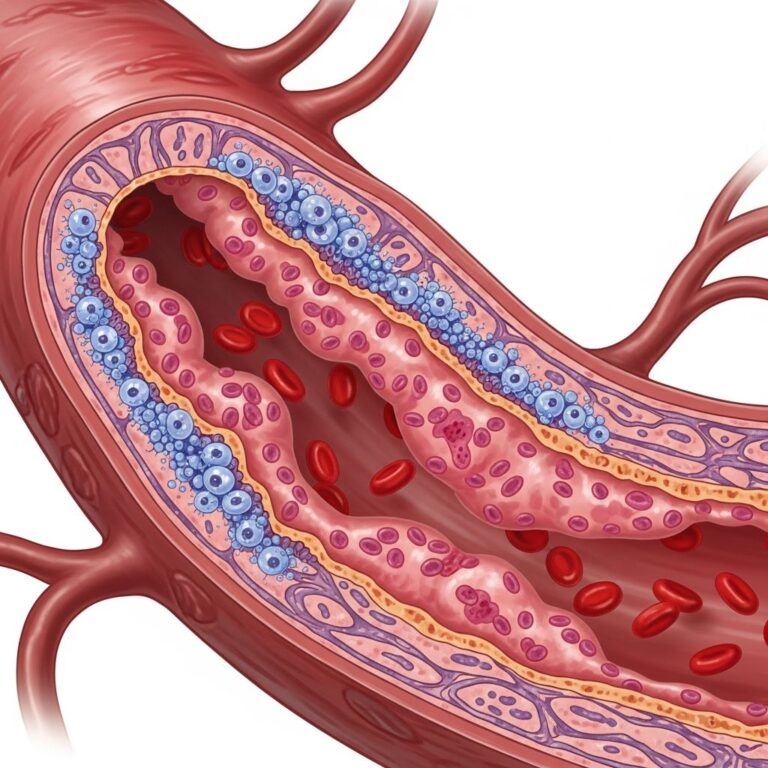
(bad cholesterol) by about 5.1 mg/dL on average, while boosting HDL (good cholesterol), thanks to their monounsaturated fats and anti-inflammatory compounds. They also lower diastolic blood pressure by 0.17–1.3 mm Hg and provide potassium, vitamin E, and calcium for vascular protection.2. Help With Weight Management
Despite their calorie density, almonds do not cause weight gain and may support slight weight loss. The protein-fiber combo promotes satiety, curbing overeating. Studies confirm higher almond intake correlates with lower obesity risk when portions are controlled at 1/4 cup daily.
3. Improve Blood Sugar Control
Almonds blunt post-meal blood sugar spikes, beneficial for diabetes management. In Asian Indians with prediabetes, 20–60g daily reduced fasting blood glucose by 5.5–6.3 mg/dL and HbA1c by 0.09–0.4%.
4. Support Bone Health
Rich in calcium and phosphorus, almonds contribute to bone mineralization and density, helping prevent osteoporosis.
5. Benefit Gut Health
Almonds foster beneficial gut bacteria like *Roseburia*, *Ruminococcus*, and *Eubacterium*, increasing short-chain fatty acids (SCFAs) such as butyrate. This enhances immunity, reduces inflammation, and supports metabolic health.
6. Packed With Antioxidants
Vitamin E in almonds combats oxidative stress from free radicals, linked to chronic diseases like heart disease and cancer.
7. May Boost Libido
Zinc and healthy fats in almonds support hormone production, potentially enhancing sexual health and libido.
8. Support Skin Health
Topical or dietary almond oil moisturizes skin, eases eczema, improves tone, and aids acne via vitamins A and E.
Related Stories



9. Enhance Hair Health
Almond oil hydrates scalp and hair, reducing frizz, itchiness, and dryness.
How Many Almonds Should You Eat Per Day?
A standard serving is 1 ounce (23–24 almonds or 1/4 cup), providing optimal benefits without excess calories (152 kcal). This amount supports cholesterol reduction and satiety. Overconsumption risks calorie surplus, so portion control is key—use measuring tools initially.
Potential Downsides and Risks
Almonds are safe for most, but those with tree nut allergies should avoid them. High phytic acid may hinder mineral absorption in large amounts; soak or roast to mitigate. Commercially flavored versions often add unhealthy oils and salt, diminishing benefits. Opt for raw or dry-roasted unsalted.
Almond Butter vs. Whole Almonds: Which Is Healthier?
| Aspect | Whole Almonds | Almond Butter |
|---|---|---|
| Calories (per 1 oz/2 tbsp) | 152 | 190–200 |
| Fiber | 3g | 3–4g |
| Protein | 6g | 6–7g |
| Added Ingredients | None | May include sugar, salt, oils |
| Satiety | Higher (chewing) | Moderate |
Whole almonds edge out due to lower calories, no additives, and greater satiety from chewing. Choose natural almond butter with just almonds and salt.
Are Almonds Keto-Friendly?
Yes, with 3g net carbs per ounce (6g total minus 3g fiber), almonds fit keto diets. Their fats support ketosis, but limit to 1 oz to stay under carb limits.
Can You Eat Almonds on a Low-FODMAP Diet?
Almonds are moderate-FODMAP; limit to 10 nuts per sitting to avoid digestive issues in sensitive individuals. Almond butter (1 tbsp) is low-FODMAP.
Are Almonds Good for Skin?
Yes, vitamin E protects against UV damage and aging. Almond oil soothes eczema, hydrates, and evens complexion.
Can Almonds Help You Lose Weight?
Yes, their satiating nutrients reduce overall intake. Studies show no weight gain and potential loss with daily inclusion.
Almond Oil Benefits
Edible almond oil, rich in unsaturated fats, aids blood sugar control in type 2 diabetes and boosts antioxidants. Topically, it moisturizes skin/hair, relieves itch, and supports acne treatment.
How to Add Almonds to Your Diet
Incorporate almonds versatilely:
- Snack on 23 raw or roasted almonds.
- Top oatmeal, yogurt, or salads with sliced almonds.
- Blend into smoothies.
- Use almond flour for keto baking.
- Spread almond butter on apples or celery.
- Add to trail mix or stir-fries.
Roast at home for flavor without additives.
Frequently Asked Questions (FAQs)
What happens if you eat almonds every day?
Daily intake improves heart health, stabilizes blood sugar, supports gut microbiome, and aids weight control without gain.
Who should not eat almonds?
Those with tree nut allergies; consult doctors if on warfarin due to vitamin E.
Are almonds inflammatory?
No, their antioxidants and healthy fats reduce inflammation.
Do almonds make you gain weight?
No, they promote satiety and weight stability.
Is it better to eat almonds in the morning or at night?
Either; morning for energy, night for satiety.
Can I drink almond milk on a keto diet?
Unsweetened yes (1–2g carbs/cup); avoid sweetened.
References
- Health Benefits of Almonds — WebMD. 2023-10-15. https://www.webmd.com/diet/health-benefits-almonds
- Almonds in Cardiometabolic Health: Evidence & Research — National Library of Medicine (PMC). 2024-09-01. https://pmc.ncbi.nlm.nih.gov/articles/PMC11786730/
Similar Articles








Read full bio of medha deb