Health Benefits of Amaranth: Nutrition & Wellness Guide
Discover amaranth's powerful nutrients and health benefits for optimal wellness.
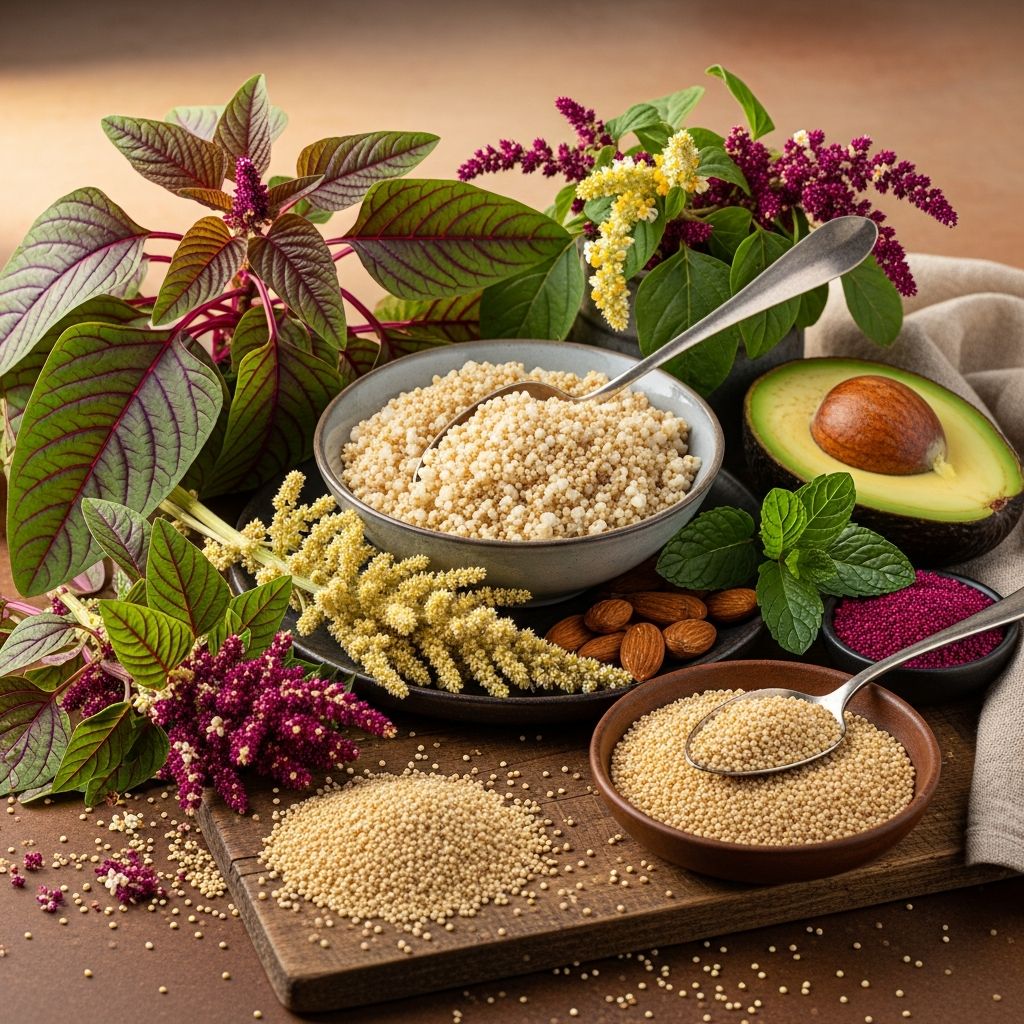
Health Benefits of Amaranth: An Ancient Grain for Modern Wellness
Amaranth has emerged as a nutritional powerhouse in recent years, though this ancient grain has served as a dietary staple in certain parts of the world for millennia. With an impressive nutrient profile and numerous scientifically-supported health benefits, amaranth deserves a place in contemporary wellness-conscious diets. From its exceptional protein content to its rich antioxidant composition, this versatile grain offers compelling reasons to incorporate it into your daily nutrition regimen.
Nutritional Profile: What Makes Amaranth Special
Amaranth stands out among grains due to its exceptional micronutrient density. The grain is an excellent source of fiber, protein, manganese, magnesium, phosphorus, and iron, along with several other important micronutrients. What distinguishes amaranth from many other plant-based foods is its complete amino acid profile.
The grain is notably rich in magnesium, an essential nutrient involved in nearly 300 biochemical reactions in the body, including DNA synthesis and muscle contraction. Additionally, amaranth contains high levels of phosphorus, a critical mineral for bone health, and substantial amounts of iron, which helps your body produce blood and prevents anemia.
Vitamin C is another key nutrient found in amaranth, vital to your body’s healing process because it helps process iron, form blood vessels, repair muscle tissue, and maintain collagen.
Key Health Benefits of Amaranth
1. Naturally Gluten-Free
For individuals with celiac disease or gluten sensitivity, amaranth represents a safe and nutritious alternative. Amaranth is naturally gluten-free, making it an excellent option for people with celiac disease, a condition in which an immune system reaction to wheat gluten can damage the small intestine. This makes it an ideal grain substitute for those following a gluten-free diet without compromising nutritional value.
2. Exceptionally High in Protein
Amaranth is one of the richest plant forms of protein available. The protein found in amaranth is easily absorbed by the body and contains all amino acids—even lysine, which is often missing from cereal grains. This complete amino acid profile makes amaranth particularly valuable for vegetarians, vegans, and anyone seeking plant-based protein sources that rival animal proteins in their nutritional completeness.
3. Rich in Antioxidants
Amaranth contains impressive levels of naturally occurring antioxidants. The grain is especially high in phenolic acids, which are plant compounds that act as antioxidants, including gallic acid, p-hydroxybenzoic acid, and vanillic acid. These compounds may help protect against diseases like heart disease and cancer.
Importantly, antioxidant content is highest in raw amaranth. Studies have found that soaking and processing it may decrease its antioxidant activity. In animal studies, amaranth was found to increase the activity of certain antioxidants and help protect the liver against alcohol damage.
4. Anti-Inflammatory Properties
Inflammation is a normal immune response designed to protect the body against injury and infection. However, chronic inflammation can contribute to chronic disease and has been associated with conditions like cancer, diabetes, and autoimmune disorders. Several studies have found that amaranth could have an anti-inflammatory effect in the body.
Related Stories



Some allergic reactions lead to uncomfortable inflammation through the production of immunoglobulin E. Early studies show that amaranth can slow down the body’s production of immunoglobulin E. Additionally, in test-tube studies, amaranth was found to reduce several markers of inflammation.
5. Supports Healthy Cholesterol Levels
Cholesterol is a fat-like substance found throughout the body. Too much cholesterol can build up in the blood and cause arteries to narrow. Interestingly, some animal studies have found that amaranth may have cholesterol-lowering properties.
One study in hamsters showed that amaranth oil decreased total and “bad” LDL cholesterol by 15% and 22%, respectively. Furthermore, amaranth grain reduced “bad” LDL cholesterol while increasing “good” HDL cholesterol. Two animal studies show that amaranth and its oil have the potential to lower “bad” LDL cholesterol significantly without lowering “good” HDL cholesterol. However, scientists need to research how amaranth affects cholesterol in humans.
6. Aids Weight Management and Weight Loss
The high protein and fiber content of amaranth make it beneficial for weight management. A high-protein diet was associated with a reduction in appetite and calorie intake. Meanwhile, the fiber in amaranth may move slowly through the gastrointestinal tract undigested, helping promote feelings of fullness.
One study that followed 252 women for 20 months found that increased fiber intake was associated with a lower risk of gaining weight and body fat.
7. Anemia Prevention and Treatment
Amaranth contains significant amounts of iron, so it may help prevent or treat anemia. A particularly compelling study showed that consumption of processed bread enriched with amaranth by children in underdeveloped countries decreased anemia prevalence and increased mean hemoglobin concentration. An in-depth analysis showed that iron deficiency anemia risk was significantly decreased from 35% to 15% in a group of children treated with amaranth.
8. Antimicrobial Benefits
Certain strains of amaranth may help to kill microbes in a laboratory setting, particularly Escherichia coli. It may also help fight candida, the fungi that cause yeast infections. Scientific research has demonstrated that amaranth extract has antibacterial activity, with mechanisms connected to cell membrane depolarization, reduction in intracellular pH, decrease in bacterial protein content, DNA cleavage, and leakage of cytoplasm.
Additional Health Applications of Amaranth
Beyond the primary health benefits, amaranth has been traditionally used for various therapeutic purposes. According to herbal medicine references, amaranth has been used for the treatment of diarrhea, ulcers, and pharyngitis. There are also reports on the use of the plant in cases of excessive menstruation, skin problems such as acne and eczema, and as a mouthwash for sore mouths.
The pharmacological activity of these applications is attributed to saponins, protoalkaloids, and betacyans found in the plant. Additionally, amaranth leaves have many of the nutritional benefits of other greens, such as spinach or kale, and can be used the same way.
Amaranth Leaves: Nutritional Powerhouses
Amaranth leaves deserve special attention due to their exceptional nutritional profile. The antioxidants in amaranth leaves can help protect you against several conditions, including:
- Heart disease
- Cancer
- Arthritis
- Emphysema
- Cataracts
- Blocked arteries
The fiber in amaranth leaves also provides multiple health benefits, including:
- Fighting constipation
- Lowering cholesterol
- Helping control blood sugar
- Assisting in maintaining a healthy weight
How to Prepare and Consume Amaranth
Amaranth is remarkably versatile and easy to prepare. To maximize health benefits, consider sprouting amaranth to enhance digestion and mineral absorption. Cooked amaranth can be used in many different dishes, making it an excellent addition to your diet. Whether added to breakfast bowls, incorporated into soups, used as a grain base for salads, or baked into bread and pastries, amaranth adapts well to various culinary applications while maintaining its nutritional integrity.
Climate Resilience and Sustainability
Beyond its nutritional benefits, amaranth has gained recognition as a climate-resilient superfood. As global food systems face increasing pressure from climate change, amaranth’s ability to thrive in diverse growing conditions makes it a valuable crop for food security. This environmental sustainability aspect adds another reason to consider amaranth as part of a conscious, health-forward dietary approach.
Frequently Asked Questions About Amaranth
Q: Is amaranth truly gluten-free?
A: Yes, amaranth is naturally gluten-free, making it an excellent choice for people with celiac disease or gluten sensitivity. It provides safe, nutritious alternative to wheat and other gluten-containing grains.
Q: How much protein does amaranth contain?
A: Amaranth is one of the richest plant forms of protein available. It contains all essential amino acids, including lysine, which is often missing from other cereal grains, making it comparable to animal proteins in nutritional quality.
Q: Can amaranth help lower cholesterol?
A: Animal studies suggest that amaranth and its oil may lower “bad” LDL cholesterol without reducing “good” HDL cholesterol. However, more research on human subjects is needed to confirm these effects.
Q: How should amaranth be prepared to maximize its health benefits?
A: Raw amaranth contains the highest antioxidant levels, though soaking and processing may slightly reduce antioxidant activity. Sprouting amaranth enhances digestion and mineral absorption. Cooked amaranth can be incorporated into various dishes.
Q: Can amaranth help with weight loss?
A: Yes, the high protein and fiber content of amaranth can promote feelings of fullness and reduce overall calorie intake, supporting weight management efforts.
Q: Is amaranth beneficial for people with anemia?
A: Amaranth contains substantial amounts of iron, making it beneficial for preventing and treating anemia. Research shows that amaranth-enriched foods can significantly reduce iron deficiency anemia risk.
Q: Can children safely consume amaranth?
A: Yes, amaranth is safe for children and particularly beneficial. Studies show that amaranth-enriched bread consumption in children decreased anemia prevalence and increased hemoglobin concentration.
Q: Are there any side effects associated with eating amaranth?
A: Amaranth is generally well-tolerated as a whole food. However, individuals should consume it as part of a balanced diet. Those with specific health conditions should consult healthcare providers before making significant dietary changes.
Conclusion: The Bottom Line on Amaranth
Amaranth is a nutritious, gluten-free grain that provides plenty of fiber, protein, and micronutrients. It has been associated with numerous health benefits, including reduced inflammation, lower cholesterol levels, increased weight loss potential, and improved anemia prevention. Best of all, this grain is easy to prepare and can be added to a variety of dishes, making it an excellent addition to your diet. Whether you’re seeking to enhance your nutritional intake, manage weight, or address specific health concerns, amaranth offers a time-tested, scientifically-supported option worthy of inclusion in modern wellness regimens.
References
- Amaranth: Health Benefits & Nutrition — WebMD. 2024. https://www.webmd.com/diet/health-benefits-amaranth
- Amaranth: An Ancient Grain With Impressive Health Benefits — Healthline, Rachael Ajmera, MS, RD. 2018-01-06. https://www.healthline.com/nutrition/amaranth-health-benefits
- The Dual Nature of Amaranth—Functional Food and Potential Pharmacological Agent — National Institutes of Health (NIH/PMC). 2023. https://pmc.ncbi.nlm.nih.gov/articles/PMC8871380/
- Amaranth: Health Benefits, Nutritional Information, and How to Prepare — Medical News Today. 2023. https://www.medicalnewstoday.com/articles/amaranth
- The Rise of Amaranth as a Climate-Resilient Superfood — Tropical Plants, Maxapress. 2024. https://www.maxapress.com/article/doi/10.48130/tp-0024-0037
Similar Articles








Read full bio of Sneha Tete