Health Benefits of Artichokes, According to a Dietitian
Discover the impressive nutrient profile and science-backed health perks of artichokes that make them a dietitian's top pick for better health.
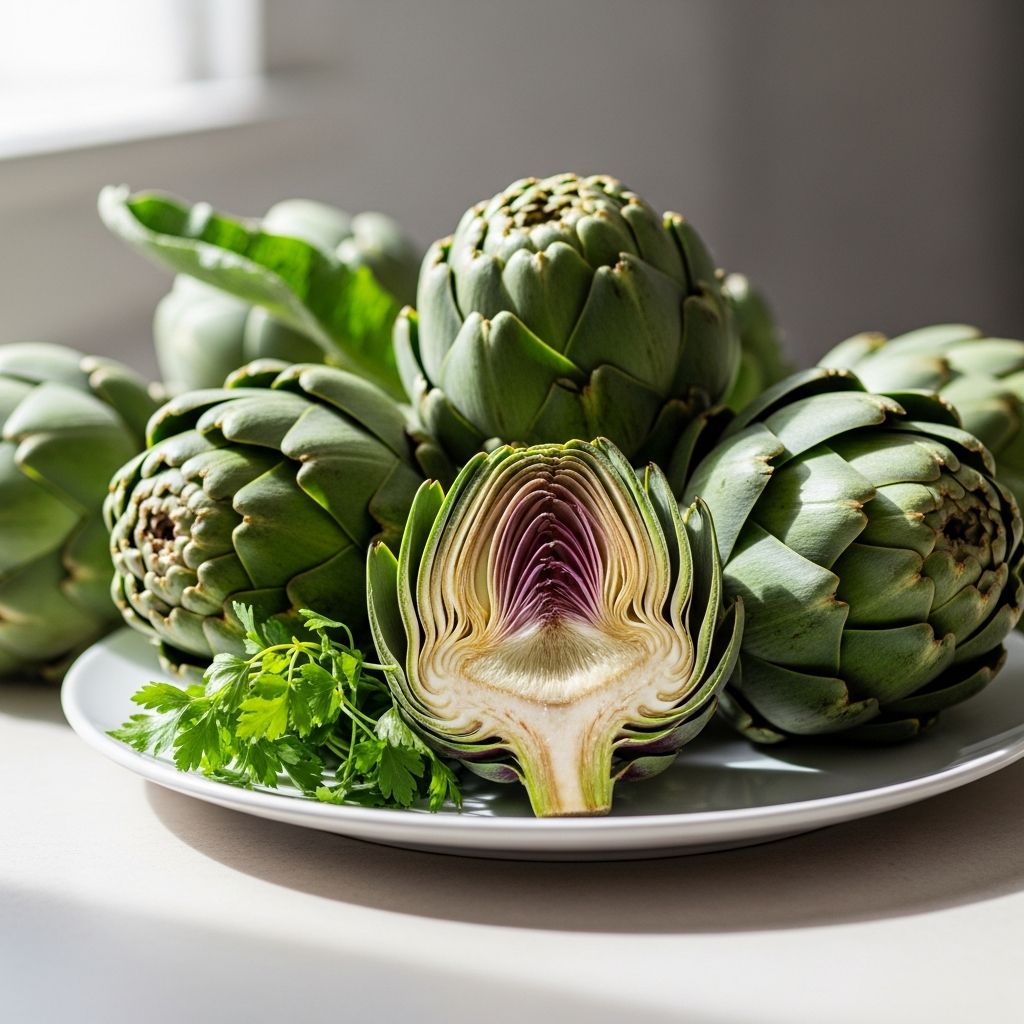
Artichokes are more than a gourmet side dish—they’re a nutrient powerhouse that can elevate your health. As a registered dietitian, I often recommend them for their impressive profile of fiber, antioxidants, vitamins, and minerals packed into just 60 calories per medium artichoke. These thistle-like vegetables support digestion, heart health, liver function, and more, making them ideal for anyone seeking wholesome, low-fat additions to meals.
Originating from the Mediterranean, artichokes (Cynara scolymus) are flower buds harvested before blooming. One medium artichoke provides 7 grams of fiber—about 25% of the daily recommended intake—along with vitamins C, K, folate, magnesium, potassium, and iron. They’re exceptionally high in antioxidants, ranking among the top vegetables according to USDA research. Let’s dive into why artichokes deserve a spot in your diet.
What Are the Nutrition Facts for Artichokes?
A medium artichoke (about 128 grams) is low-calorie and nutrient-dense, offering a balanced mix of macronutrients and micronutrients without excess fat or sodium. Here’s a breakdown:
| Nutrient | Amount per Medium Artichoke | % Daily Value* |
|---|---|---|
| Calories | 60 | 3% |
| Fiber | 7g | 25% |
| Protein | 4g | 8% |
| Vitamin C | 12.6mg | 14% |
| Vitamin K | High source | ~20% |
| Folate | 151μg | 38% |
| Potassium | 484mg | 10% |
| Magnesium | 71mg | 17% |
| Iron | Present | ~10% |
| *Based on a 2,000-calorie diet. Data synthesized from USDA and health sources. | ||
This profile makes artichokes ideal for weight management, as their fiber promotes satiety while delivering essential nutrients like folate for cell health and potassium for blood pressure regulation. Antioxidants such as cynarin and luteolin further enhance their value.
1. Artichokes May Promote Healthy Blood Sugar Levels
Artichokes’ high soluble fiber content, including inulin—a prebiotic—slows carbohydrate absorption, helping stabilize blood sugar. Studies show inulin reduces post-meal glucose spikes and improves insulin sensitivity, beneficial for diabetes management. One large artichoke provides 9 grams of fiber, more than a cup of prunes, curbing hunger and preventing sugar cravings.
Prebiotics like inulin also feed beneficial gut bacteria, indirectly supporting metabolic health. Research indicates plant-based fibers lower type 2 diabetes risk by enhancing gut microbiome diversity. Incorporate steamed artichokes with meals to leverage this effect.
2. Artichokes Are a Great Source of Prebiotic Fiber
Inulin in artichokes acts as a prebiotic, nourishing gut bacteria for better digestion and immunity. One medium artichoke delivers significant inulin, the preferred prebiotic in studies for promoting Bifidobacteria growth. This fiber resists digestion in the small intestine, fermenting in the colon to produce short-chain fatty acids that reduce inflammation and support colon health.
High fiber intake from artichokes aids regularity, prevents constipation, and may lower colorectal cancer risk. A dietitian’s tip: Pair with probiotic foods like yogurt for optimal gut synergy.
3. Artichokes Provide Powerful Antioxidants
Artichokes top vegetable antioxidant charts per USDA data, with over 8,000 units per cup of hearts—second only to beans. Polyphenols, flavonoids (luteolin, cynarin), and anthocyanins combat oxidative stress, reducing chronic disease risk. These compounds neutralize free radicals, protecting cells from damage linked to cancer, heart disease, and aging.
Vitamin C (25% DV per artichoke) bolsters immunity and collagen production, while studies link high antioxidant intake to lower cancer risks like lung and breast. Enjoy artichokes raw in salads or cooked to maximize benefits.
Related Stories



4. Artichokes Are High in Protein for a Vegetable
With 4-5 grams of protein per medium artichoke—high for veggies—artichokes support muscle repair and satiety. Plant protein from artichokes may reduce heart disease risk compared to animal sources. Folate and B vitamins aid protein metabolism, making them great for vegetarians.
5. Artichokes Support Heart Health
Artichokes lower “bad” LDL cholesterol via luteolin, which inhibits synthesis, and cynarin, which enhances bile production for cholesterol excretion. Leaf extract studies show reduced total cholesterol and triglycerides. Potassium (600mg per large artichoke) regulates blood pressure, with a 2021 review confirming lowered hypertension after 12 weeks. Fiber further binds cholesterol in the gut.
6. Artichokes Promote Better Blood Pressure
Potassium counteracts sodium, relaxing blood vessels for lower pressure. Artichokes’ 484mg potassium per serving supports this, with early studies suggesting leaf extract benefits. Magnesium aids vessel relaxation too.
7. Artichokes Protect Liver Health
Cynarin and silymarin stimulate bile production, detoxifying the liver and promoting tissue regeneration. Historical use and modern studies show improvements in cirrhosis and fatty liver. These flavonoids shield against toxins, enhancing liver enzyme function.
8. Artichokes Aid Digestion
With 25% DV fiber, artichokes prevent constipation and promote regularity. Bile stimulation breaks down fats, easing digestion. Gut health improvements boost quality of life by 20% in studies.
9. Artichokes May Help Fight Cancer
Antioxidants like polyphenols inhibit cancer cell growth and inflammation. Research links artichoke extracts to prevention of breast, colon, and other cancers. High vitamin C intake correlates with lower risks.
10. Artichokes Promote Better Sleep
Magnesium (100mg per large artichoke, 20% DV) regulates sleep cycles, reducing insomnia. It supports heart rhythm and relaxation.
Are Artichokes Good for You?
Yes—artichokes offer low calories, high fiber, and antioxidants for multifaceted health support. They’re versatile and filling.
Artichoke Benefits for Skin
Antioxidants and vitamin C fight free radicals, promoting collagen for youthful skin. Hydration from water content aids glow.
Artichoke Nutrition
Repeat of key nutrients: fiber-rich, vitamin-packed, low-fat superfood.
History of Artichokes
Cultivated since ancient Greece for medicine, artichokes spread via Romans. Native to Mediterranean, now global.
Frequently Asked Questions (FAQs)
Can you eat artichokes every day?
Yes, in moderation—1-2 per day fits most diets for fiber benefits without excess.
Are artichokes good for your liver?
Absolutely; cynarin and silymarin support detoxification and regeneration.
Do artichokes lower cholesterol?
Studies show leaf extract reduces LDL and total cholesterol.
Are artichokes high in sugar?
No—low glycemic, high fiber stabilizes blood sugar.
Who should not eat artichokes?
Those with allergies or bile duct issues; consult a doctor.
Delicious Ways to Enjoy Artichokes
- Steamed with lemon butter dip.
- Grilled in salads.
- In pasta, dips, or stuffed.
- Artichoke hearts in stir-fries.
Prep by trimming, steaming 20-30 minutes. Dietitian tip: Eat leaves and heart for max nutrition.
References
- Artichoke Health Benefits — Cleveland Clinic. 2023. https://health.clevelandclinic.org/artichoke-benefits
- Top 8 Health Benefits of Artichokes — Healthline. 2023. https://www.healthline.com/nutrition/artichoke-benefits
- Health Benefits of Artichokes — WebMD. 2023. https://www.webmd.com/diet/health-benefits-artichokes
- 4 Big Artichoke Health Benefits — Ocean Mist Farms. 2023. https://www.oceanmist.com/artichoke-health-benefits/
- The Artichoke and its Seven Benefits — Fine Taste. 2023. https://www.finetaste.it/en/blogs/vini-e-bevande/il-carciofo-e-i-suoi-sette-benefici-per-la-nostra-salute
Similar Articles








Read full bio of medha deb