Biophilia And Plants: 5 Science-Backed Benefits
Discover how embracing biophilia and indoor plants can reduce stress, boost mood, and enhance mental wellbeing in homes and workplaces.
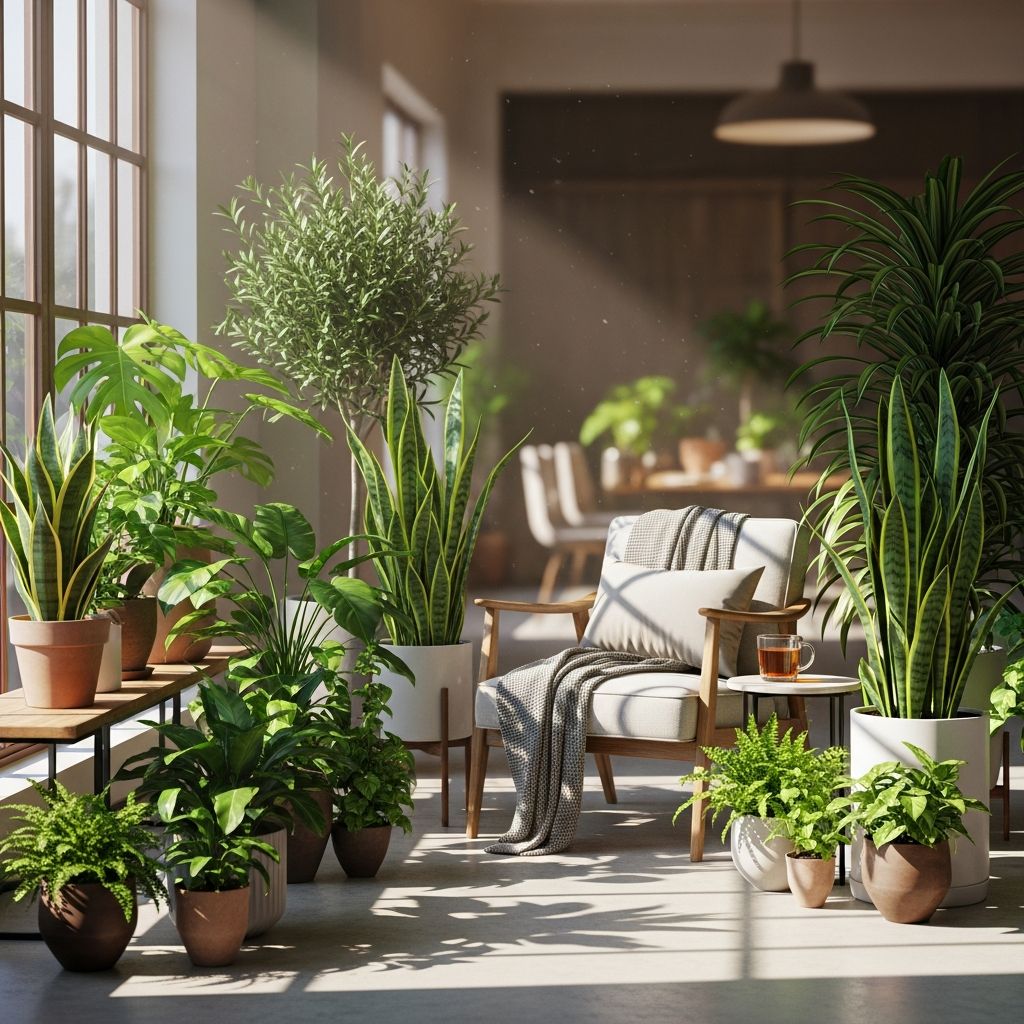
Bringing elements of nature, such as plants, into our homes, workplaces, and healthcare environments can significantly reduce stress and anxiety levels. Biophilia, our innate affinity for living organisms and natural settings, taps into evolutionary needs that promote mental restoration and emotional balance.
Why does it help, and how does it work?
Nature exposure benefits mental health because humans are evolutionarily adapted to thrive in natural environments, as explained by Dr. Peter James, assistant professor of public and environmental health. Natural settings facilitate faster recovery from stress and enhance overall mental function.
Biophilia operates on multiple levels, enabling mindfulness and disconnection from anxious thoughts, according to psychotherapist Laura Duester. Sensory experiences like viewing greenery, inhaling floral scents, listening to birdsong, or feeling sunlight boost vitamin D production and provide simple joys such as walking on leaves or enjoying fresh air.
Research from the National Institutes of Health (NIH) confirms that even brief interactions with plants regulate the nervous system, lower cortisol, and improve heart rate variability, fostering emotional regulation. In confined spaces like hospitals or offices, these effects translate to better focus, reduced PTSD symptoms, and heightened emotional safety.
National Houseplant Week: A timely reminder
During National Houseplant Week, attention turns to how simple additions like potted ferns or moss walls can transform sterile spaces into restorative ones. Indoor plants not only beautify but actively support healing by evoking softness and growth, crucial for grief processing and chronic mental health management.
Studies show biophilic design in clinical settings accelerates healing, reduces perceived pain, and enhances cognitive clarity. For instance, patients with views of trees from hospital rooms had shorter stays and needed less pain medication.
The science behind biophilia
Coined by Erich Fromm and popularized by biologist E.O. Wilson, biophilia describes humanity’s deep connection to nature, which boosts immune function, mental health, and social bonds. Physiologically, it lowers anxiety; psychologically, it diminishes anger and fear; cognitively, it sharpens creativity and memory—up to 14% improvement in short-term recall.
In psychiatric wards, access to green spaces correlates with lower distress levels, positioning horticulture as a mental health management tool. A Frontiers in Physiology review synthesizes evidence from Earth-based hospitals and space missions, showing edible plants in biophilic setups enhance resilience, mood, and nutrition in isolated environments.
- Stress Reduction: Greenery lowers blood pressure and cortisol, promoting calm.
- Mood Enhancement: Plants elevate emotional wellbeing and reduce depression symptoms.
- Cognitive Boost: Improves attention, focus, and creativity.
- Healing Acceleration: Shortens recovery time and eases pain perception.
- Social Connection: Fosters interactions and emotional safety.
Biophilia in everyday settings
In homes and offices, plants combat urban stress. NIH-backed research links indoor greenery to better attention and lower burnout among staff. Corporate spaces with plants report improved focus and emotional regulation.
Healthcare examples abound: Community 43 in Phoenix uses horticultural therapy for mental illness recovery, emphasizing plant interactions for regulation and connectedness. Antarctic stations and NASA analogs show plant care reduces monotony and stabilizes emotions.
Related Stories



| Setting | Biophilic Intervention | Key Benefits | Source |
|---|---|---|---|
| Hospitals | Tree views, indoor plants | Shorter stays, less pain meds, reduced anxiety | |
| Psychiatric Wards | Green spaces, gardening | Lower distress, better mood | |
| Offices/Workplaces | Plant rentals, moss walls | Reduced stress, higher productivity | |
| Isolated Environments | Edible greenhouses | Enhanced resilience, cognitive focus |
Psychological and physiological impacts
Plants enhance mental health through multiple pathways. They purify air, regulate humidity, and dampen noise while stimulating senses. Horticultural therapy reduces anxiety, depression, and improves social skills, especially in confined settings.
Caring for plants instills responsibility and accomplishment, key for emotional recovery. In hospital waiting rooms, plants lower perceived stress by making spaces more attractive. Multimodal designs—combining plants, light, and textures—yield superior results in cortisol reduction and mood elevation.
Nature exposure links to longevity, with consistent associations to lower mortality and better life quality. Even simulated biophilia, like scent pods mimicking forests, cuts anxiety and sedative use.
Practical ways to incorporate biophilia
Start small: Rent indoor plants for low-maintenance greenery that shifts emotional tones in any space. Healing gardens, daylight access, and nature art provide multisensory benefits without soil contamination risks.
For trauma recovery, biophilic elements restore bodily safety severed by stress. In grief centers, plants invite reflection and growth. Workplaces benefit from reduced burnout and better engagement.
- Select hardy, air-purifying plants like ferns or snake plants.
- Position near windows for natural light synergy.
- Incorporate edible greens for dual nutritional-therapeutic value.
- Use vertical gardens or moss walls in space-limited areas.
- Combine with sensory elements like water features or natural textures.
Frequently Asked Questions (FAQs)
Why do plants reduce stress?
Plants lower cortisol, regulate heart rate variability, and create calming environments, as per NIH research.
Can biophilia help in clinical settings?
Yes, it accelerates healing, reduces pain, and improves mood in hospitals and psychiatric wards.
How many plants do I need for benefits?
Even a few—clusters of ferns or one moss wall—noticeably shift emotional tones.
Does biophilia aid trauma or grief recovery?
Absolutely; it regulates the nervous system, fosters connection, and provides softness for processing emotions.
Are there benefits in offices?
Plants enhance focus, reduce stress, and prevent burnout, boosting productivity.
Conclusion: Embrace nature for wellbeing
Integrating biophilia and plants offers profound, evidence-based support for mental health. From immediate stress relief to long-term resilience, these natural allies remind us of our place in the world. Prioritize greenery in your spaces for calmer, healthier living.
References
- Biophilia and healing: nature for trauma recovery and mental health — Plant Solutions. 2023. https://plantsolutions.com/biophilia-and-healing
- National Houseplant Week: Health benefits of biophilia and plants — Patient.info. 2023. https://patient.info/features/mental-health/health-benefits-of-biophilia-and-plants
- What is biophilia and why do we need it? — Cigna Global. 2023. https://www.cignaglobal.com/blog/body-mind/connection-with-nature-and-biophilia-help-mental-wellbeing
- Health effects of plants, light, and natural elements of biophilic design — Frontiers in Physiology. 2025-01-13. https://www.frontiersin.org/journals/physiology/articles/10.3389/fphys.2025.1700518/full
- Biophilic Design and Its Effects on Human Health and Wellbeing — Gatherit. 2023. https://gatherit.co/blog/biophilic-design-and-its-effects-on-human-health-and-wellbeing
Similar Articles








Read full bio of medha deb