Health Benefits Of Butternut Squash: 7 Key Benefits
Discover the impressive nutrition profile and health perks of butternut squash, from immune support to heart health and beyond.
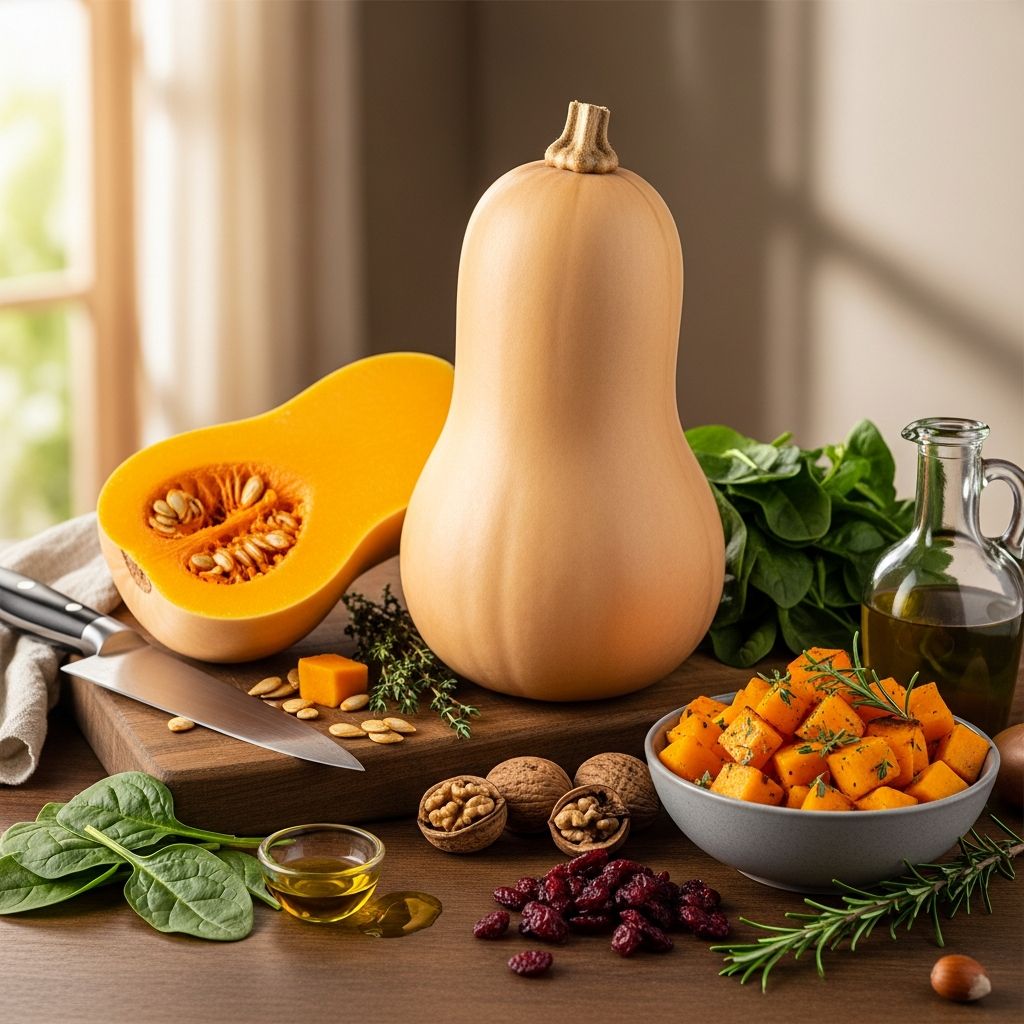
Butternut squash (Cucurbita moschata) is a nutrient-dense winter squash celebrated for its sweet, nutty flavor and creamy texture. Technically a fruit, this versatile ingredient shines in soups, roasts, and salads while delivering essential vitamins, minerals, fiber, and antioxidants. Low in calories yet high in benefits, it supports everything from eye health to immune function.
Butternut Squash Nutrition Facts
One cup (205g) of cooked butternut squash provides approximately 82 calories, 22g carbohydrates, 6g fiber, and 2g protein. It’s exceptionally rich in
vitamin A
(over 100% DV from beta-carotene),vitamin C
(31% DV), and smaller amounts of vitamins E, B6, and folate. Minerals include potassium (15% DV), magnesium (19% DV), and manganese. These nutrients make it a powerhouse for overall health.| Nutrient | Amount per 1 Cup Cooked | % Daily Value |
|---|---|---|
| Calories | 82 | 4% |
| Fiber | 6g | 24% |
| Vitamin A (beta-carotene) | 22,000 IU | 457% |
| Vitamin C | 31mg | 31% |
| Potassium | 582mg | 15% |
| Magnesium | 59mg | 19% |
Potential Health Benefits of Butternut Squash
Butternut squash’s combination of fiber, antioxidants, and vitamins offers multiple evidence-based benefits. Here’s a breakdown:
- Rich in Antioxidants: Loaded with beta-carotene, vitamins A, C, and E, it combats free radicals, reducing cellular damage and inflammation linked to chronic diseases.
- High in Fiber: Supports digestion, gut microbiome health, and overall metabolic function.
1. Supports Healthy Digestion
The high soluble and insoluble fiber in butternut squash promotes regular bowel movements and feeds beneficial gut bacteria. Up to 95% of Americans fall short on fiber intake, making this squash a smart addition. Fiber also aids in cholesterol reduction and blood sugar stability.
2. Promotes Heart Health
Fiber lowers LDL cholesterol and blood pressure, while potassium supports vascular function. Antioxidants protect against oxidative stress. Studies link high-fiber diets like those including butternut squash to reduced cardiovascular risk.
3. Boosts Immune Function
Vitamin C (31mg per serving) enhances white blood cell production, and magnesium regulates inflammation. Together, they strengthen defenses against infections.
4. Protects Eye Health
Beta-carotene converts to vitamin A, essential for retinal health and preventing night blindness or age-related macular degeneration (AMD). One serving delivers up to 50% DV of vitamin A.
5. Aids Blood Sugar Control
Low glycemic index plus high fiber slow glucose absorption, showing hypoglycemic potential beneficial for diabetes management.
6. Supports Weight Management
At just 82 calories per cup with high fiber and water content, it promotes satiety. Increased fruit and veggie intake correlates with weight loss in studies.
7. May Benefit Skin and Brain Health
Vitamins A and C foster collagen production for skin elasticity, while antioxidants reduce inflammation that could affect cognitive function.
Related Stories



Potential Downsides of Butternut Squash
Butternut squash is generally safe, but those with squash allergies may react. Its oxalates could contribute to kidney stones in susceptible individuals if overconsumed. High vitamin A from beta-carotene is safe (no toxicity risk), but moderation is key in pregnancy. Pesticide residues on non-organic produce warrant washing or peeling.
Healthy Butternut Squash Recipe
Roasted Butternut Squash Soup (Serves 4)
- 1 medium butternut squash, peeled and cubed
- 1 onion, chopped
- 2 carrots, chopped
- 4 cups vegetable broth
- 1 tsp ginger, grated
- Salt, pepper, and nutmeg to taste
Preheat oven to 400°F. Toss squash, onion, and carrots with olive oil; roast 30-40 minutes. Blend with broth and ginger until smooth. Simmer 10 minutes. Per serving: 150 calories, rich in vitamins A and C.
Frequently Asked Questions (FAQs)
Is butternut squash good for you?
Yes, it’s nutrient-dense with fiber, vitamins, and antioxidants supporting digestion, immunity, heart health, and more.
Is butternut squash keto-friendly?
No, its 22g carbs per cup make it unsuitable for strict keto, but suitable for low-carb diets in moderation.
Can you eat butternut squash skin?
Yes, thinner-skinned varieties are edible when roasted, adding extra fiber.
Does butternut squash raise blood sugar?
Its low GI and fiber content help stabilize blood sugar rather than spike it.
Is butternut squash anti-inflammatory?
Yes, antioxidants like beta-carotene and vitamin C reduce inflammation.
How to Select, Store and Prepare Butternut Squash
Selection
Choose heavy squash with smooth, unblemished tan skin. Avoid soft spots or green tinges.
Storage
Whole squash lasts 1-3 months in a cool, dark place. Refrigerate cut pieces up to 5 days.
Preparation
- Peeling: Microwave 3-5 minutes to soften skin, then peel.
- Cooking: Roast at 400°F for 25-40 minutes, steam, or boil.
- Tips: Cube for salads; puree for soups; spiralize as noodles.
Incorporate into meals like stuffed squash, curries, or smoothies for maximum benefits.
References
- 7 health benefits of butternut squash — SingleCare. 2023. https://www.singlecare.com/blog/butternut-squash-benefits/
- Butternut Squash: Nutrition, Benefits, and Uses — Healthline. 2024-10-15. https://www.healthline.com/nutrition/butternut-squash
- Is Butternut Squash Healthy? Benefits and Nutritional Info — Healthline (Hers). 2024. https://www.forhers.com/guides/is-butternut-squash-healthy
- Health benefits of winter squash and ways you can cook them — UC Davis Health. 2023-11-01. https://health.ucdavis.edu/blog/good-food/health-benefits-of-winter-squash-and-ways-you-can-cook-them/2023/11
Similar Articles








Read full bio of Sneha Tete