Butternut Squash: 4 Health Benefits For Eyes, Heart, Gut
Discover the impressive nutritional profile and health advantages of butternut squash, from eye health to heart protection.
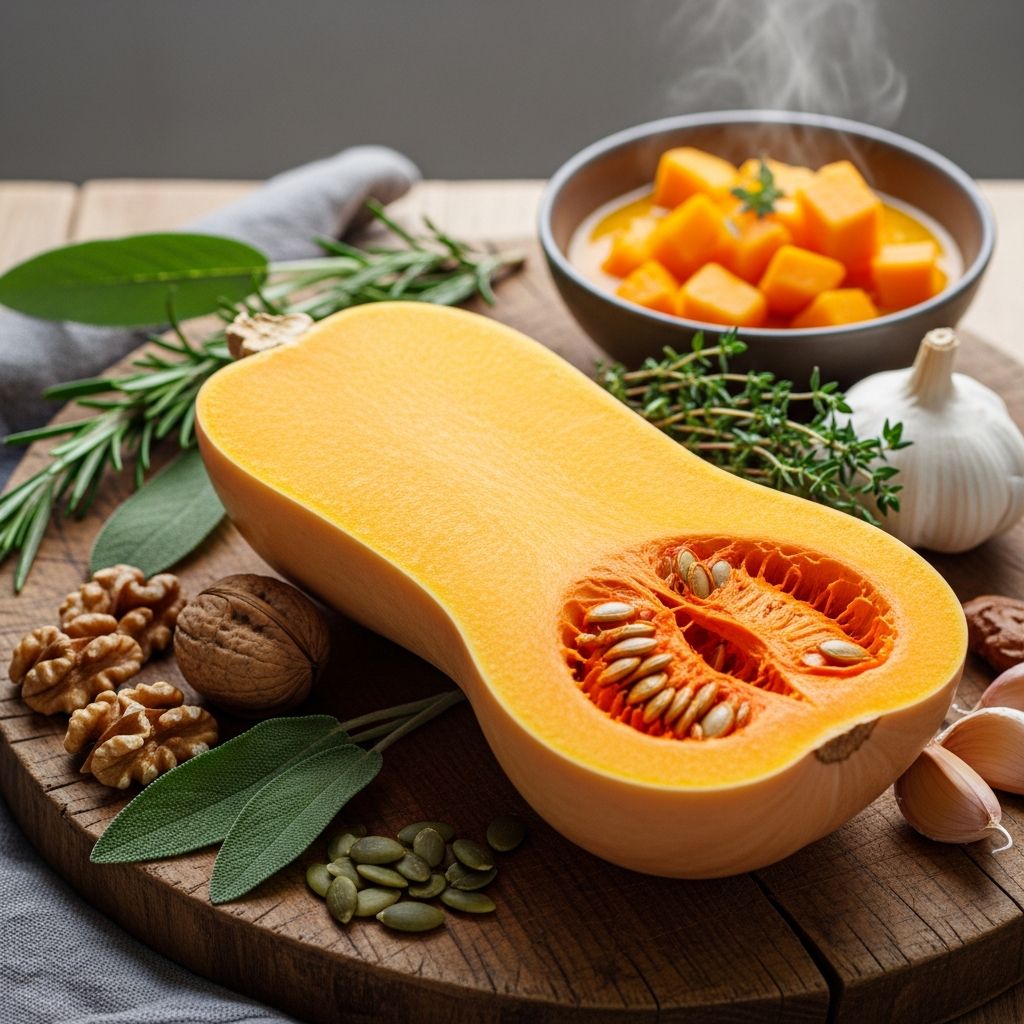
Butternut squash, a versatile winter squash with creamy beige skin and vibrant orange flesh, delivers a sweet, nutty flavor and exceptional nutrition. This fall harvest staple provides low calories, high fiber, and potent vitamins that promote eye health, digestion, immunity, and heart function. Originating from Native American cultivation and developed in 1944 by crossing gooseneck squash with pumpkin, it stores well due to its thick rind, making it ideal year-round.
Nutrition Facts of Butternut Squash
One cup (about 205g) of cooked butternut squash contains approximately 82 calories, 2g protein, 22g carbohydrates (including 7g dietary fiber), no fat, and no cholesterol, positioning it as a nutrient-dense, low-glycemic food. Raw cubed squash (140g) offers similar benefits with added hydration from its water content.
| Nutrient | Amount per 1 Cup Cooked | % Daily Value* |
|---|---|---|
| Calories | 82 | 4% |
| Protein | 2g | 4% |
| Fiber | 7g | 25% |
| Vitamin A (beta-carotene) | 22,877 IU | 457% |
| Vitamin C | 48mg | 53% |
| Potassium | 582mg | 17% |
| Magnesium | 61mg | 15% |
| Manganese | 0.4mg | 19% |
| *Based on 2,000 calorie diet; values from USDA data via sources | ||
It also supplies B vitamins like thiamine, niacin, B6, and folate, plus minerals such as calcium (8% DV), iron, and copper. Antioxidants including lutein, zeaxanthin, and vitamin E enhance its protective effects.
1. Supports Eye Health
Butternut squash excels in promoting vision thanks to its exceptionally high beta-carotene content, which the body converts to vitamin A—essential for retinal health and low-light vision. One cup delivers over 450% of the daily recommended intake, far surpassing many foods.
Lutein and zeaxanthin, carotenoid pigments concentrated in the macula, filter harmful blue light and UV rays, reducing risks of cataracts and age-related macular degeneration (AMD). Studies confirm these compounds minimize oxidative damage to eye tissues. Vitamin C complements this by aiding collagen formation in the eye’s connective tissues. Regular intake may prevent vision decline, particularly in older adults exposed to screens and sunlight.
2. Loaded With Antioxidants
Rich in vitamins A, C, and E, butternut squash combats oxidative stress from free radicals—unstable molecules linked to cellular damage. Beta-carotene neutralizes these, while vitamin C regenerates other antioxidants, creating a synergistic defense.
This profile lowers chronic disease risks, including heart disease, certain cancers, and neurodegeneration. Population studies associate high carotenoid intake with reduced inflammation and improved endothelial function, key to vascular health. Polyphenols and other phytochemicals further amplify these benefits, making it a staple for anti-aging and disease prevention.
3. Promotes Healthy Digestion
With 7g of fiber per cup—25% of daily needs—butternut squash blends soluble fiber (for feeding gut bacteria) and insoluble fiber (for bulk). This duo regulates blood sugar by slowing carbohydrate absorption, prevents constipation, and lowers LDL cholesterol via bile acid binding.
Fiber supports a diverse microbiome, producing short-chain fatty acids that nourish colon cells and reduce colon cancer risk. Its low calorie density and satiating effect aid weight management; high-fiber diets correlate with lower BMI and reduced obesity risk. For those with IBS, its gentle nature makes it digestible when cooked.
4. Good Source of Potassium
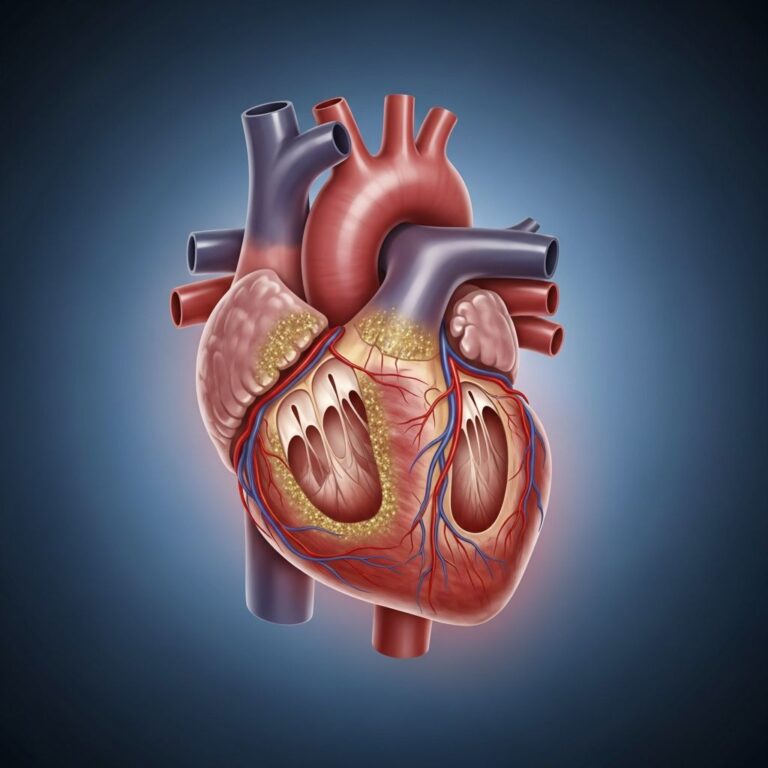
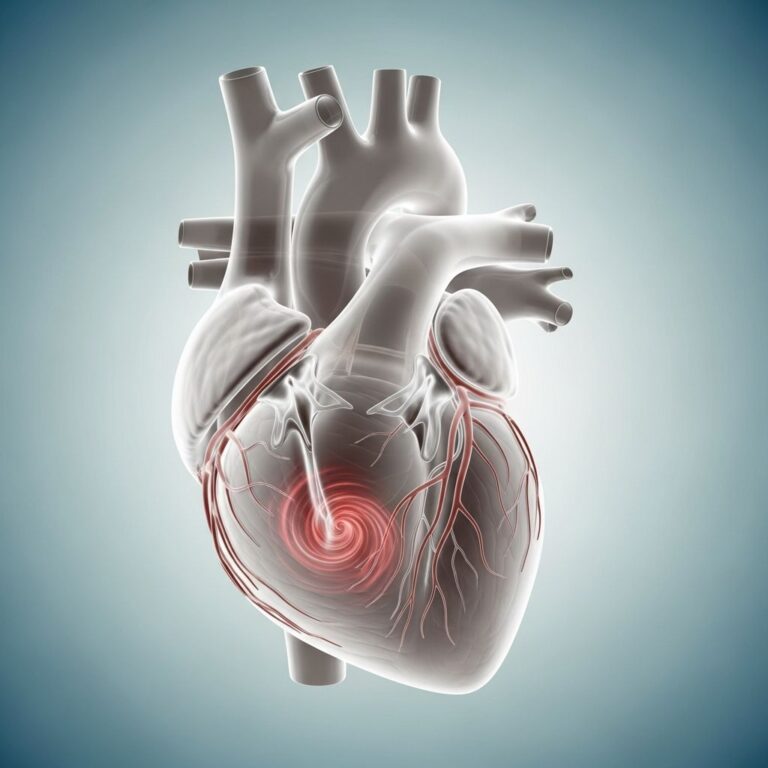
Exceeding a banana’s potassium (582mg per cup, 17% DV), butternut squash helps maintain fluid balance, nerve signals, and muscle contractions. Paired with magnesium (15% DV), it counters sodium’s effects, lowering blood pressure and hypertension risk.
Related Stories



These electrolytes support heart rhythm and reduce stroke incidence. Diets rich in potassium-rich foods like squash are linked to 20-30% lower cardiovascular disease rates in observational studies. Bone health benefits from manganese and calcium, which aid density and strength.
Other Potential Health Benefits
- Immune Boost: Vitamin C (53% DV) enhances white blood cell function and skin barrier integrity against pathogens.
- Skin Health: Antioxidants protect against UV damage, though excess beta-carotene may cause harmless carotenoderma (yellowing skin).
- Blood Sugar Control: Low GI and fiber stabilize glucose levels, beneficial for diabetes management.
- Anti-Inflammatory: Carotenoids reduce systemic inflammation markers like CRP.
Potential Downsides and Precautions
While safe for most, raw handling can cause ‘squash hands’—contact dermatitis from cucurbitacin enzymes irritating skin. Wear gloves or buy pre-cut; cooking neutralizes it. No true allergies are common, but overconsumption may tint skin orange (carotenoderma), reversible by reducing intake. Those on blood thinners should moderate vitamin A, though food sources are safer than supplements.
How to Select, Store, and Prepare Butternut Squash
Choose heavy-for-size squash with dull, firm skin; minor blemishes are fine as skin is edible. Store whole in cool, dark places for months; refrigerate cut pieces up to 5 days.
Preparation Tips:
- Peel with a sturdy peeler after trimming ends; halve to remove seeds (roast them like pumpkin seeds).
- Roast at 400°F for 40-60 minutes, cubed or whole, for caramelized flavor.
- Raw: Grate into salads, make chips, or dip sticks.
- Puree for soups, sauces, or baked goods.
Substitute for potatoes in fries, mashes, or curries. Edible blossoms and pulp add nutrition.
Healthy Butternut Squash Recipe: Stuffed Squash Boats
This fiber-packed, plant-based meal serves 2-4.
Ingredients
- 1 whole butternut squash
- 1 (15-oz) can black beans, drained
- 2 cups fresh spinach
- 1 cup corn (fresh or frozen)
- 3 green onions, chopped
- 1.5 cups cooked barley or rice
- 1 Tbsp oil (optional)
- 1 tsp each: paprika, chili powder, garlic powder, parsley, oregano
- 1/2 tsp red pepper flakes (optional)
Instructions
- Preheat oven to 400°F; line a pan with parchment.
- Halve squash lengthwise, scoop seeds; bake cut-side up 50-60 min until fork-tender.
- Scoop flesh (leave 1″ shell), mix with beans, spinach, corn, grains, onions, spices, oil.
- Refill shells; bake 15-20 min. Serves warm.
Per serving: High in fiber, vitamins; ~300 calories. Variations: Add quinoa, cheese, or turkey.
Frequently Asked Questions (FAQs)
Is butternut squash good for weight loss?
Yes, its high fiber and low calories promote satiety and stable blood sugar, aiding weight management.
Can you eat butternut squash skin?
Absolutely; it’s edible, softens when cooked, and retains nutrients.
Does butternut squash raise blood sugar?
No, its low glycemic index and fiber make it diabetes-friendly.
How much butternut squash per day?
1-2 cups provide benefits without excess; vary with a balanced diet.
Is butternut squash anti-inflammatory?
Yes, antioxidants like beta-carotene reduce inflammation markers.
References
- Health Benefits of Butternut Squash — Oregon State University Extension. 2023-10. https://advancedhealth.com/wp-content/uploads/2023/10/73-Oct-Butternut-Squash-handout.pdf
- 4 Butternut Squash Benefits — Cleveland Clinic Health Essentials. 2023-10-24 (approx., recent update). https://health.clevelandclinic.org/butternut-squash-benefits
- Butternut Squash Nutrition Data — USDA FoodData Central. 2024. https://fdc.nal.usda.gov/fdc-app.html#/food-details/169295/nutrients
- Carotenoids and Eye Health — National Eye Institute, NIH. 2022-07-20. https://www.nei.nih.gov/learn-about-eye-health/healthy-vision/keep-your-eyes-healthy/eat-right
- Dietary Fiber and Health — NIH Office of Dietary Supplements. 2023-05. https://ods.od.nih.gov/factsheets/DietaryFiber-HealthProfessional/
Similar Articles








Read full bio of medha deb