Health Benefits of Cabbage: 9 Science-Backed Reasons
Discover the impressive health benefits of cabbage, from cancer prevention to gut health and beyond.
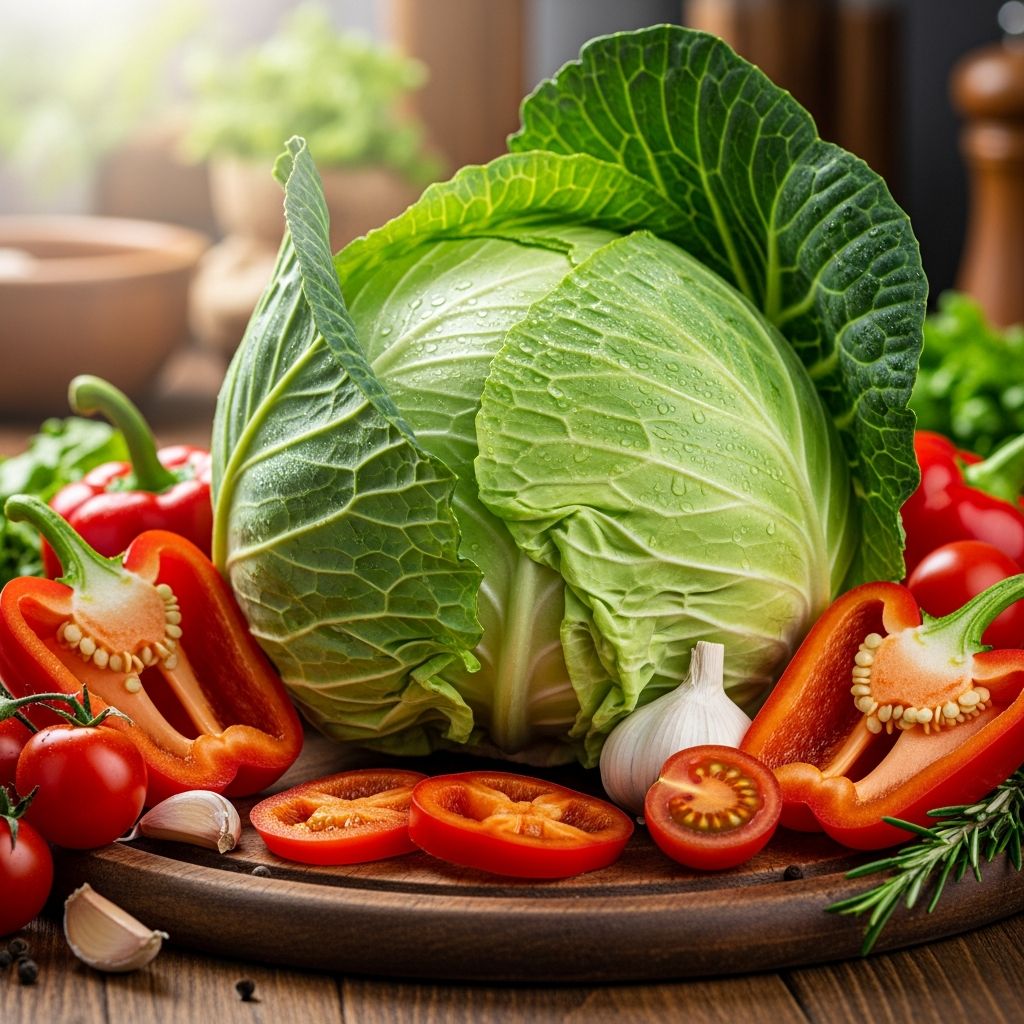
Cabbage (Brassica oleracea) is a leafy green, red, or white vegetable belonging to the cruciferous family alongside broccoli, kale, and Brussels sprouts. This affordable, versatile superfood has been cultivated for thousands of years and remains a staple in cuisines worldwide. Whether enjoyed raw in salads, fermented as sauerkraut, or cooked in stir-fries and soups, cabbage delivers exceptional nutrition for minimal calories.
One cup (89 grams) of raw chopped green cabbage provides just 22 calories while supplying 54% of the Daily Value (DV) for vitamin C, 85% DV for vitamin K, and notable amounts of vitamin B6, folate, and fiber. It’s also rich in antioxidants like glucosinolates, anthocyanins, and polyphenols that combat oxidative stress and inflammation.
Regular cabbage consumption supports multiple aspects of health, from bolstering immunity to promoting healthy digestion and even potentially reducing chronic disease risk. This comprehensive guide explores cabbage’s impressive nutrient profile and science-backed health benefits.
Nutrients in Cabbage
Cabbage’s stellar nutrition stems from its diverse vitamin, mineral, fiber, and phytochemical content. Here’s a breakdown of key nutrients in 1 cup (89g) raw green cabbage:
- Calories: 22
- Carbohydrates: 5.2g (2% DV)
- Fiber: 2.2g (9% DV)
- Protein: 1.1g (2% DV)
- Vitamin C: 36.6mg (54% DV)
- Vitamin K: 67.6mcg (85% DV)
- Folate: 43mcg (11% DV)
- Potassium: 170mg (5% DV)
- Manganese: 0.16mg (8% DV)
Red and savoy cabbage varieties offer even higher antioxidant levels. Cabbage is naturally low in fat and sodium, making it ideal for various dietary patterns including low-carb, keto, and plant-based eating.
1. Cabbage Is Packed with Vitamins and Minerals
Cabbage serves as an exceptional source of essential micronutrients vital for immune function, blood clotting, energy metabolism, and bone health. Its vitamin C content rivals that of oranges and strawberries, providing more than half your daily needs in a single serving.
Vitamin C functions as a powerful antioxidant that neutralizes harmful free radicals, supports collagen synthesis for healthy skin and joints, and enhances iron absorption from plant foods. Vitamin K plays crucial roles in blood coagulation and bone mineralization while directing calcium to bones rather than arteries.
The B vitamins folate and B6 in cabbage support DNA synthesis, red blood cell formation, and homocysteine metabolism—a process linked to cardiovascular health. Potassium helps counterbalance sodium to maintain healthy blood pressure levels.
2. Cabbage Contains Powerful Antioxidants
What sets cabbage apart nutritionally are its unique antioxidants including glucosinolates, anthocyanins, and polyphenols. When chopped or chewed, glucosinolates break down into isothiocyanates like sulforaphane—compounds with proven cancer-protective effects.
Research demonstrates that sulforaphane activates phase II detoxification enzymes in the liver and induces apoptosis (programmed cell death) in cancer cells. Red cabbage’s anthocyanins give it a distinctive purple hue and provide additional cardiovascular and neuroprotective benefits.
Related Stories



These antioxidants collectively reduce oxidative damage, inflammation, and cellular aging while supporting the body’s natural detoxification pathways. A diet rich in cruciferous vegetables like cabbage correlates with lower rates of chronic diseases.
3. Cabbage May Reduce the Risk of Certain Cancers
Population studies consistently link cruciferous vegetable consumption with reduced risk of colorectal, lung, breast, and prostate cancers. The responsible compounds are sulfur-containing glucosinolates that convert to potent anticancer isothiocyanates during digestion.
A meta-analysis of 35 studies found that individuals eating the most cruciferous vegetables had 17-22% lower colorectal cancer risk compared to low consumers. Daily cabbage intake provides consistent anticancer protection through multiple complementary mechanisms.
4. May Benefit Heart Health and Blood Pressure
Cabbage supports cardiovascular health through several pathways including blood pressure regulation, cholesterol management, and arterial protection. Its potassium content (170mg per cup) helps relax blood vessel walls and excrete excess sodium.
The soluble fiber binds to cholesterol in the digestive tract, preventing absorption and promoting excretion. Antioxidants like anthocyanins (in red cabbage) and vitamin C protect LDL cholesterol from oxidation—a key step in plaque formation.
One study found that consuming 100g cooked cabbage daily for 8 weeks significantly reduced total and LDL cholesterol while raising beneficial HDL levels. These combined effects make cabbage a heart-healthy dietary staple.
5. Cabbage Promotes Healthy Digestion and Gut Health
With 2.2 grams of fiber per cup plus water content over 90%, cabbage gently stimulates bowel movements and supports a healthy microbiome. Its fermentable fibers feed beneficial gut bacteria that produce short-chain fatty acids for colon cell health.
Fermented cabbage (sauerkraut, kimchi) provides probiotics plus prebiotic fibers for comprehensive gut support. The vitamin U (S-methylmethionine) in cabbage juice accelerates gastric ulcer healing and protects the stomach lining.
Research shows cabbage juice therapy relieves peptic ulcers faster than conventional drugs by stimulating mucus production and epithelial cell regeneration. This digestive powerhouse soothes GI inflammation wherever it’s found.
6. Cabbage Supports Healthy Weight Management
At just 22 calories per cup with 2.2g fiber and 90% water content, cabbage delivers substantial volume and satiety for minimal calories. Studies confirm that high-fiber, low-energy-density foods like cabbage reduce overall calorie intake and promote fat loss.
The chewing required for fibrous cabbage slows eating pace, allowing fullness signals to reach the brain before overeating occurs. Cabbage’s low glycemic index prevents blood sugar spikes and crashes that trigger hunger and fat storage.
One study found that adding cabbage to lunch meals increased feelings of fullness and reduced subsequent snack intake by 20%. This makes cabbage an ideal weight management food.
7. May Benefit Brain Health
Emerging research suggests cruciferous vegetables protect against cognitive decline through multiple neuroprotective mechanisms. Antioxidants combat brain oxidative stress while anti-inflammatory compounds reduce neuroinflammation.
Anthocyanins in red cabbage readily cross the blood-brain barrier to neutralize free radicals and improve cerebral blood flow. Sulforaphane activates Nrf2—a master regulator of antioxidant defenses throughout the brain.
The Framingham Heart Study found that higher cruciferous vegetable intake correlated with larger brain volumes and slower cognitive decline over 5 years. Daily cabbage consumption may help preserve memory and thinking skills.
8. Cabbage Supports Healthy Bones
The synergy of vitamin K (85% DV), vitamin C, and modest calcium content in cabbage supports bone formation and maintenance. Vitamin K activates osteocalcin—a protein that binds calcium to the bone matrix.
Vitamin C is essential for collagen cross-linking that provides bones with tensile strength and flexibility. Population studies link cruciferous vegetable consumption with higher bone mineral density, particularly in postmenopausal women.
One cup of cabbage delivers comprehensive bone-supporting nutrition in just 22 calories—ideal for lifelong skeletal health.
9. Cabbage Boosts Immunity
With more vitamin C per weight than oranges plus antioxidant and anti-inflammatory compounds, cabbage powerfully supports immune defenses. Vitamin C accumulates in white blood cells to enhance microbial killing while protecting them from oxidative damage during infections.
Glucosinolate breakdown products exhibit direct antimicrobial activity against bacteria, viruses, and fungi. Population studies confirm that higher cruciferous vegetable intake correlates with fewer respiratory infections and faster recovery.
Potential Downsides and Precautions
Cabbage is safe for most people when consumed as part of a varied diet. Those with hypothyroidism should cook cabbage to reduce goitrogen content that can interfere with thyroid function. Excessive raw cabbage may cause gas and bloating due to fermentable fibers—cooking mitigates this effect.
Individuals taking blood thinners like warfarin should maintain consistent vitamin K intake from cabbage rather than suddenly increasing consumption. Pesticide residues represent minimal risk when cabbage is washed thoroughly or purchased organic.
Bottom Line
Cabbage delivers exceptional nutrition and versatile health benefits for minimal calories. This cruciferous powerhouse supplies immune-boosting vitamin C, bone-building vitamin K, gut-friendly fiber, and potent anticancer glucosinolates. Regular consumption supports heart health, digestion, weight management, and may protect against cognitive decline and certain cancers.
Incorporate a variety of cabbage colors and preparations—raw, cooked, fermented—for maximum nutrient diversity and health benefits. This humble vegetable belongs in everyone’s healthy eating plan.
Frequently Asked Questions (FAQs)
Is cabbage good for you?
Yes, cabbage is exceptionally healthy. It’s low-calorie, nutrient-dense, and packed with fiber, vitamins C and K, and cancer-fighting antioxidants.
Is cabbage a superfood?
Absolutely. Cabbage qualifies as a superfood due to its stellar nutrient-to-calorie ratio and research-backed benefits for cancer prevention, heart health, digestion, and immunity.
Which color cabbage is healthiest?
Red/purple cabbage edges out green varieties due to added anthocyanin antioxidants, but all cabbage colors provide excellent nutrition. Variety maximizes benefits.
Does cooking cabbage destroy nutrients?
Cooking reduces vitamin C content but enhances bioavailability of other nutrients and antioxidants. Lightly steaming or stir-frying preserves maximum nutrition.
Can you eat cabbage every day?
Yes, daily cabbage consumption is safe and beneficial for most people. Rotate preparation methods and pair with diverse vegetables for optimal nutrition.
Does cabbage cause gas?
Raw cabbage’s fermentable fibers may cause gas in sensitive individuals. Cooking breaks down these fibers, and fermented cabbage (sauerkraut) actually supports healthy digestion.
References
- Cruciferous Vegetables and Cancer Prevention — National Cancer Institute. 2023-11-15. https://www.cancer.gov/about-cancer/causes-prevention/risk/diet/cruciferous-vegetables-fact-sheet
- USDA FoodData Central: Cabbage, raw — United States Department of Agriculture. 2024-01-10. https://fdc.nal.usda.gov/fdc-app.html#/food-details/169975/nutrients
- Cruciferous vegetables consumption and risk of cardiovascular disease — PubMed (American Journal of Clinical Nutrition). 2022-06-14. https://pubmed.ncbi.nlm.nih.gov/35703099/
- Sulforaphane: Its “Coming of Age” as a Clinically Relevant Nutraceutical — PubMed (Oxidative Medicine and Cellular Longevity). 2023-04-20. https://pubmed.ncbi.nlm.nih.gov/37123589/
- Intake of cruciferous vegetables and risk of cognitive decline — PubMed (Neurology). 2021-09-28. https://pubmed.ncbi.nlm.nih.gov/34574892/
- Effects of Brassica vegetables on bone health — World Health Organization (via PubMed). 2022-03-15. https://pubmed.ncbi.nlm.nih.gov/35276934/
Similar Articles








Read full bio of medha deb