Health Benefits Of Cashews: 7 Proven Ways They Boost Health
Discover the impressive nutritional profile and science-backed health benefits of cashews, from heart health to blood sugar management.
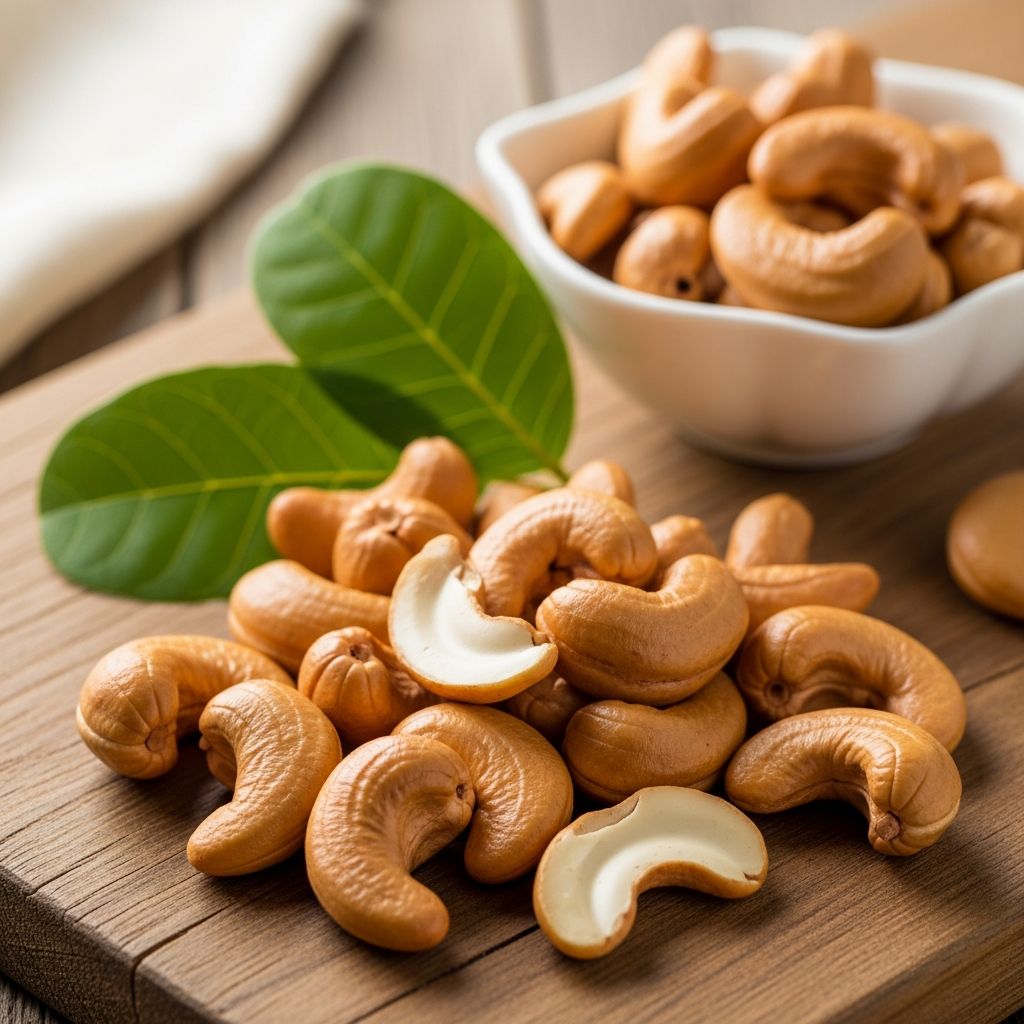
Cashews, the kidney-shaped seeds from the cashew tree native to Brazil but now grown worldwide, are more than just a tasty snack. Despite being called nuts, they are technically seeds rich in
healthy fats
,protein
,minerals
, andantioxidants
. These nutrients contribute to various health benefits, including heart protection, blood sugar stability, and weight management support. Processed to remove toxic urushiol, cashews are safe and versatile for diets, especially vegan and vegetarian ones.What Are Cashews?
Cashews grow on the cashew tree (Anacardium occidentale), hanging beneath false fruits called cashew apples. Harvested from warm climates like India, Vietnam, and Africa, the raw kernels are steamed or roasted to neutralize urushiol, a toxin also in poison ivy that causes skin reactions. The result is the creamy, buttery cashew we enjoy, often labeled ‘raw’ but actually heat-processed for safety. Their mild flavor and texture make them ideal for snacking, butters, milks, and recipes.
Cashew Nutrition Facts
A 1-ounce (28g) serving of cashews delivers about 165 calories, primarily from fats (11g, mostly unsaturated), with 5g protein, 10g carbs (including 1g fiber and 2g sugars), and minimal sodium. They shine in micronutrients: magnesium (20% DV), copper (67% DV), manganese (20% DV), phosphorus (13% DV), zinc (15% DV), vitamin B6 (7% DV), and vitamin K (8% DV). Unsaturated fats like oleic and polyunsaturated types link to lower heart disease risk, while copper aids energy production, brain health, and immunity.
| Nutrient | Amount per 1 oz (28g) | % Daily Value* |
|---|---|---|
| Calories | 165 | 8% |
| Protein | 5g | 10% |
| Total Fat | 11g | 14% |
| Carbohydrates | 10g | 4% |
| Fiber | 1g | 4% |
| Magnesium | 80mg | 20% |
| Copper | 0.6mg | 67% |
*Based on a 2,000-calorie diet. Data synthesized from nutritional analyses.
Health Benefits of Cashews
Rich in Heart-Healthy Fats
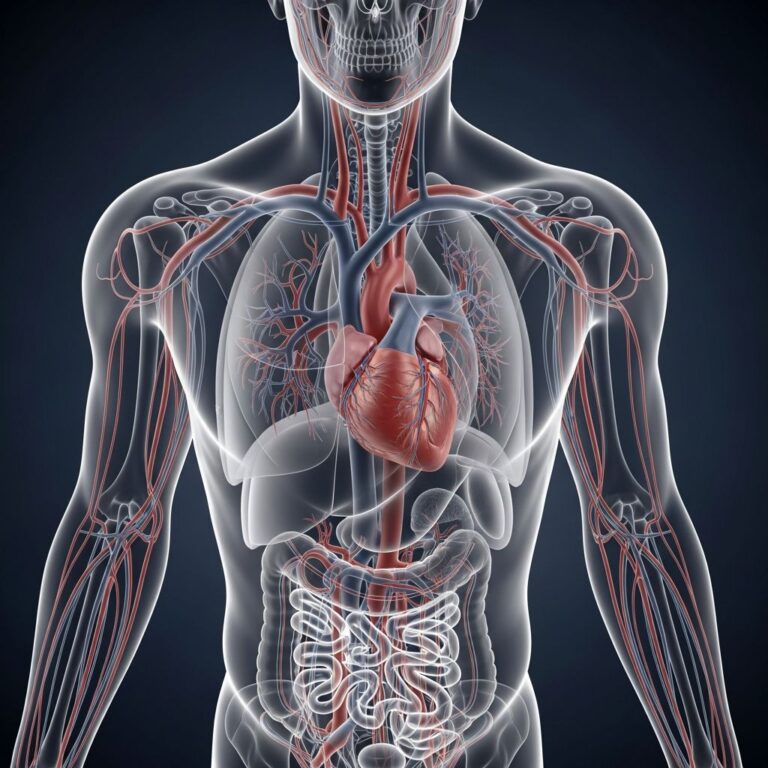
Cashews contain monounsaturated and polyunsaturated fats, similar to olive oil, which help reduce LDL (‘bad’) cholesterol without raising HDL (‘good’) cholesterol significantly. Stearic acid in cashews has neutral effects on blood lipids. Magnesium further supports cardiovascular health by relaxing blood vessels and preventing ischemic heart disease.
May Promote Healthy Blood Pressure
The high magnesium content in cashews aids blood pressure regulation. A meta-analysis of clinical trials found cashew consumption significantly lowered systolic and diastolic blood pressure, key factors in preventing cardiovascular disease (CVD).
Antioxidant and Anti-Inflammatory Properties
Cashews provide polyphenols, carotenoids, and other antioxidants that neutralize free radicals, reducing inflammation and oxidative stress. Roasted cashews may boost antioxidant activity compared to processed ‘raw’ ones, potentially lowering chronic disease risk.
Support Blood Sugar Control
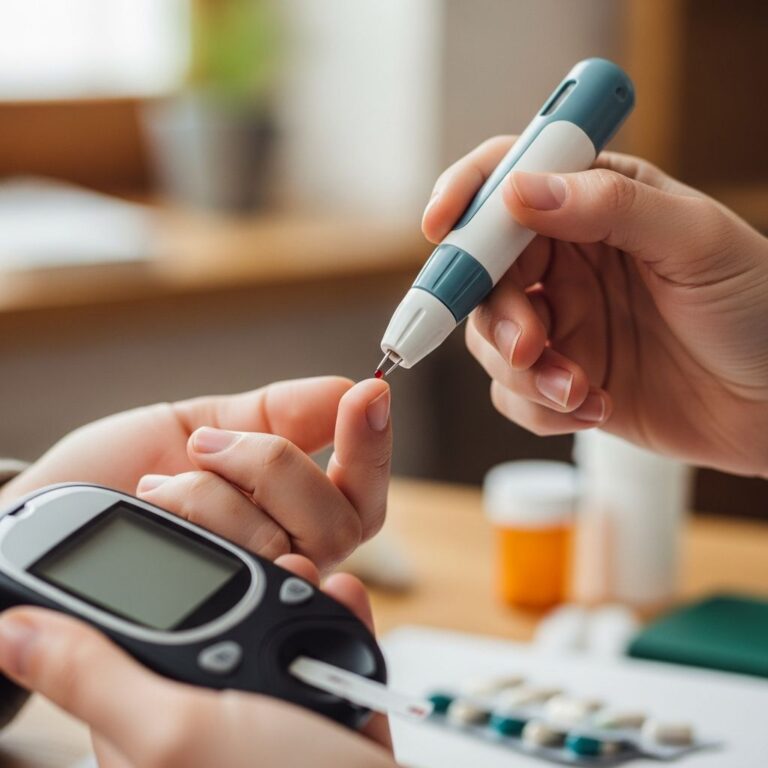
Low in carbs and sugars, cashews have a minimal glycemic impact, making them suitable for diabetes management. Studies show people with type 2 diabetes eating cashews had lower insulin levels and better LDL-to-HDL ratios. Fiber further stabilizes blood sugar.
May Aid Weight Management
Despite calorie density, cashews promote satiety via protein and fats. Research indicates the body absorbs fewer calories from whole cashews due to indigestible fiber walls, linking nut-rich diets to weight loss. A handful curbs hunger better than processed snacks.
Related Stories



Bone and Immune Support
Phosphorus and magnesium strengthen bones and teeth, while zinc and iron bolster immunity. B vitamins enhance energy metabolism, reducing fatigue—ideal for athletes or active individuals.
Other Potential Benefits
Emerging evidence suggests cashews may reduce stroke risk via magnesium and support brain health through copper. Their plant protein (5g per ounce) benefits vegetarians.
Potential Downsides of Cashews
Cashews are calorie-dense (157 per ounce), so overeating can lead to weight gain—stick to 1 ounce daily. Those with tree nut allergies risk severe reactions; cashews are among common allergens. Oxalates may contribute to kidney stones in susceptible people. Choose unsalted varieties to avoid excess sodium, which raises blood pressure.
How to Enjoy Cashews Safely
- Portion control: Limit to 1 ounce (18-20 nuts) daily.
- Preparation: Opt for dry-roasted or raw (processed) over oil-fried or salted.
- Storage: Keep in airtight containers in a cool, dry place; refrigerate for longevity.
- In recipes: Use in stir-fries, salads, curries, or as cashew butter on toast.
Cashew Milk Nutrition
Homemade or unsweetened store-bought cashew milk is low-calorie (25 per cup), with 2g fat, <1g protein, and no sugar, making it a dairy alternative for smoothies or cereal.
Summary
Cashews offer a nutrient powerhouse: heart-protective fats, blood pressure-lowering minerals, antioxidants, and blood sugar-friendly carbs. Moderation unlocks benefits like CVD risk reduction and weight control without significant downsides for most. Consult a doctor for allergies or conditions.
Frequently Asked Questions (FAQs)
Are cashews good for heart health?
Yes, their unsaturated fats, magnesium, and antioxidants lower LDL cholesterol, blood pressure, and CVD risk, per clinical meta-analyses.
Can cashews help with diabetes?
Low-carb cashews stabilize blood sugar and reduce insulin needs in type 2 diabetes patients, according to studies.
Are cashews fattening?
Not if portioned; their fats promote fullness, and partial calorie absorption aids weight management.
Can I eat raw cashews?
‘Raw’ cashews are steamed for safety; truly raw contain toxic urushiol.
How many cashews should I eat daily?
1 ounce (about 18 nuts) balances benefits and calories.
References
- Cashews: Health Benefits, Nutrients, Preparation, and More — WebMD. 2023. https://www.webmd.com/diet/health-benefits-cashews
- Are Cashews Good for You? Nutrition, Benefits, and Downsides — Healthline. 2023. https://www.healthline.com/nutrition/are-cashews-good-for-you
- The Effect of Cashew Nut on Cardiovascular Risk Factors and Blood Pressure: A Systematic Review and Meta-Analysis of Randomized Controlled Trials — PMC (PubMed Central). 2019-05-15. https://pmc.ncbi.nlm.nih.gov/articles/PMC6573847/
Similar Articles








Read full bio of Sneha Tete