Health Benefits of Corn: Nutrition and Wellness Guide
Discover the nutritional powerhouse of corn and its remarkable benefits for your health.
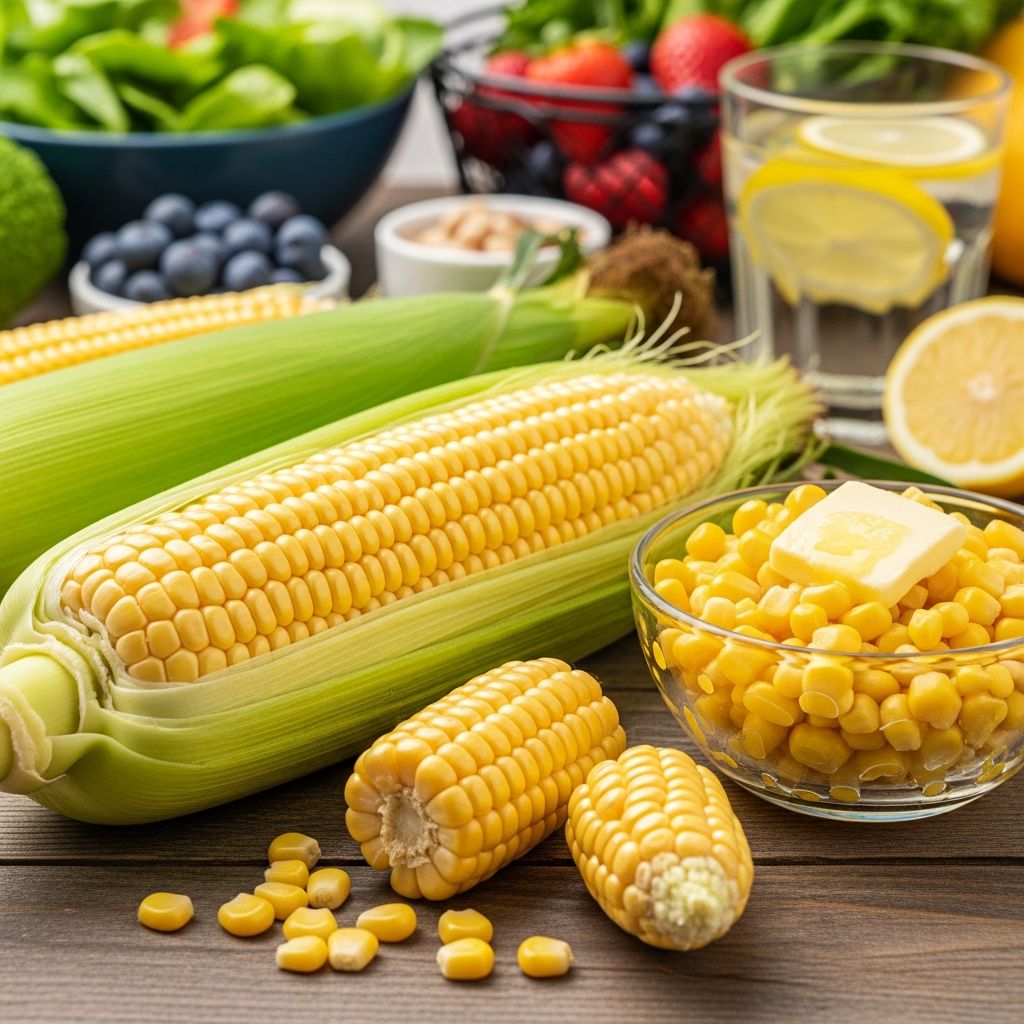
Health Benefits of Corn: A Nutritional Powerhouse
Corn has long been a staple crop in diets around the world, and for good reason. As one of the most widely consumed grains globally, corn offers an impressive array of health benefits backed by scientific research. Whether you enjoy fresh corn on the cob, corn products like cereals and tortillas, or popcorn, this versatile vegetable and grain provides substantial nutritional value. Understanding the specific health benefits of corn can help you make informed dietary choices and maximize your wellness potential.
Nutritional Composition of Corn
Corn is a nutrient-dense food that provides essential vitamins, minerals, and macronutrients your body needs for optimal function. A medium ear of yellow corn contains approximately 125 calories along with 2.9 grams of dietary fiber, which plays a crucial role in digestive health and nutrient absorption. Beyond calories and fiber, corn delivers significant amounts of potassium—about 392 milligrams per cup of raw sweet corn—which helps regulate blood pressure and supports cardiovascular function.
The macronutrient profile of corn includes complex carbohydrates, proteins, and beneficial lipids. These macronutrients work together to provide sustained energy throughout the day and support various bodily functions. Additionally, corn contains all B vitamins, including folate, niacin, and vitamin B6, which are essential for energy metabolism, nervous system function, and cell development.
Digestive Health and Gut Support
One of the most significant health benefits of corn is its positive impact on digestive health. Corn contains substantial amounts of insoluble fiber, which is essential for maintaining a healthy digestive system. This fiber helps move food through your digestive tract efficiently, promoting regular bowel movements and preventing constipation.
Beyond simple digestive support, corn fiber acts as a prebiotic—a special type of fiber that feeds the beneficial bacteria living in your gut microbiome. During digestion, bacteria in your gut convert corn fiber into short-chain fatty acids, compounds that may reduce your risk of colorectal cancer and support overall colon health. Research has demonstrated this effect; a double-blind, placebo-controlled study found that consuming whole grain corn cereal daily for 21 days significantly increased fecal bifidobacteria levels—the “good” bacteria that promote gut health—compared to refined grain cereal consumption.
For individuals seeking to support their digestive system naturally, incorporating whole grain corn products into your diet can be an effective strategy. The prebiotic potential of whole maize cereals makes them particularly valuable for maintaining a balanced and thriving gut microbiota.
Eye Health and Vision Protection
Corn contains powerful antioxidants that protect your eyes and support clear vision. A medium ear of yellow corn provides almost 900 micrograms of lutein and zeaxanthin, two carotenoid compounds specifically known for promoting eye health. These antioxidants accumulate in the retina and lens of your eyes, where they filter harmful blue light and protect against age-related macular degeneration and cataracts.
Research published in 2018 confirms that these carotenoids promote healthy vision and support overall eye function. The pigments that give corn its distinctive yellow color are actually these beneficial plant compounds working to protect your sight. Interestingly, the bioavailability of these carotenoids varies depending on how corn is prepared—whether consumed as bread, extruded corn puffs, or porridge—meaning different corn products offer varying levels of eye-health benefits.
Heart Health and Cardiovascular Protection
Cardiovascular health is another area where corn demonstrates impressive benefits. Corn oil contains phytosterols, natural plant substances that minimize how much cholesterol your body absorbs from food. Additionally, corn oil provides ubiquinone (CoQ10), a heart-healthy vitamin that may lower your risk of heart damage and support overall cardiac function.
Clinical research supports these benefits; a 2018 study found that people with high cholesterol who consumed 4 tablespoons of corn oil daily in baked goods experienced lower cholesterol levels compared to those consuming the same amount of coconut oil. Corn oil contains healthier essential fatty acids, or polyunsaturated fats, that provide energy while supporting cardiovascular health when used in moderation.
Beyond corn oil, the antioxidants in corn work to protect your heart by combating free radicals—unstable molecules that cause chronic inflammation and contribute to heart disease. By reducing oxidative stress and inflammation throughout your cardiovascular system, corn helps maintain healthy blood vessel function and supports long-term heart health.
Blood Sugar Management and Diabetes Prevention
Corn’s low-sugar, high-fiber, complex-carbohydrate profile places it low on the glycemic index, meaning your body digests it slowly and provides a gradual release of energy without causing unhealthy blood sugar spikes. This makes corn an excellent choice for individuals managing blood sugar levels or at risk for type 2 diabetes.
Research on specialty corn varieties has revealed even more dramatic benefits. Purple corn, in particular, has emerged as a potential tool for diabetes management. Scientists studying traditional Peruvian Andes foods found that purple corn scored highest in free-radical-scavenging antioxidant activity and exhibited the highest alpha-glucosidase inhibitory activity—meaning it helped slow sugar absorption. In laboratory studies, purple corn’s phenolic compounds decreased insulin resistance by 29-64 percent in mouse fat cells, suggesting that these compounds might improve the insulin profile of individuals who are obese.
Researchers at the University of Illinois discovered that purple corn contains elevated levels of anthocyanins, naturally occurring chemicals that may help fight obesity, inflammation, diabetes, and related conditions. Scientists concluded that these native corn varieties could be useful in designing health-management programs for both diabetes and hypertension.
Antioxidant Power and Disease Prevention
Corn contains numerous antioxidants that protect your body from free radicals—harmful molecules that cause chronic inflammation, heart disease, and other serious conditions. These antioxidants also keep your immune system healthy, enabling it to fight viruses, bacteria, and infections more effectively.
Research on corn polysaccharides has revealed even broader protective effects. Studies demonstrate that corn polysaccharides exhibit antitumor, antioxidative, hepatoprotective (liver-protecting), renoprotective (kidney-protecting), hypoglycemic (blood-sugar-lowering), and immunomodulatory (immune-enhancing) properties. This diverse range of biological activities suggests that corn offers multi-system protection against various diseases.
The color of corn indicates its specific antioxidant content. While yellow corn provides lutein and zeaxanthin, blue and purple corn get their color from anthocyanins—antioxidants linked to lowered blood pressure and decreased risk of heart disease and cancer. This demonstrates that different corn varieties offer complementary health benefits, making it worthwhile to consume a variety of corn colors.
Weight Management and Satiety
For individuals focused on weight management, corn offers surprising benefits. Research from the University of Nebraska examining national dietary data found that individuals who regularly consumed popcorn ingested 250% more whole grains overall (2.5 servings versus 0.7 servings per day) and consumed approximately 22% more fiber (18.1 grams versus 14.9 grams daily). Remarkably, popcorn consumers also ate fewer meat servings and more carbohydrates overall, suggesting that corn products support healthier dietary patterns.
The high-fiber content of corn promotes satiety—the feeling of fullness—which helps prevent overeating and supports sustainable weight management. By providing sustained energy and promoting fullness, whole grain corn products can help you maintain a healthy weight while meeting your nutritional needs.
Gluten-Free Option for Celiac Disease
Corn is naturally gluten-free, making it an excellent food choice for individuals with celiac disease or gluten sensitivity. This versatile grain allows people with gluten-related disorders to enjoy corn in numerous forms—fresh on the cob, as cereal, in tortillas, as flour, and in many other products. However, it’s important to read food labels carefully when purchasing corn-based products, as some items may contain added gluten during processing or preparation.
Best Practices for Consuming Corn
To maximize the nutritional benefits of corn, consider how you select and prepare it. Fresh corn is ideal, but if it has been transported over long distances, some water-soluble vitamins may be lost during transit. Frozen corn is often superior nutritionally because it’s typically picked at peak freshness and frozen immediately, preserving nutrient quality more consistently than fresh corn that has traveled long distances.
Different preparation methods also affect the nutritional profile of corn. While converting corn into various products can sometimes increase fat content, choosing minimally processed whole grain corn products ensures you receive maximum nutritional benefit. When using corn oil for cooking, use it in moderation to enjoy its heart-healthy polyunsaturated fats without consuming excess calories.
Incorporating Corn into Your Diet
The versatility of corn makes it easy to incorporate into your regular meals. You can enjoy corn fresh on the cob during summer months, add frozen corn to soups and stews year-round, prepare popcorn as a healthy snack, or include corn-based products like whole grain cereals and tortillas in your diet. Each form offers distinct nutritional benefits, so varying your consumption methods ensures you receive a comprehensive range of corn’s health-promoting compounds.
Frequently Asked Questions
Q: Is corn a vegetable or a grain?
A: Corn is actually both. When picked young and tender, it functions as a vegetable. When mature and dried, it functions as a grain. Both forms offer distinct nutritional benefits, so you can enjoy corn in either stage.
Q: How much fiber does corn contain?
A: One cup of raw sweet corn contains approximately 2.9 grams of fiber. This substantial fiber content contributes to digestive health and helps meet the recommended daily fiber intake of 25 grams for women and 38 grams for men.
Q: Can corn help with blood sugar control?
A: Yes. Corn’s low glycemic index means it’s digested slowly, providing gradual energy release without causing unhealthy blood sugar spikes. Purple corn varieties demonstrate particularly strong blood sugar management benefits through their anthocyanin compounds.
Q: What carotenoids are in corn?
A: Yellow corn contains lutein and zeaxanthin, carotenoids that make up about 70% of corn’s total carotenoid content and are essential for eye health and vision protection.
Q: Is frozen corn as nutritious as fresh corn?
A: Frozen corn is often more nutritious than fresh corn that has been transported long distances, as freezing preserves nutrient quality consistently while fresh corn may lose water-soluble vitamins during transit.
Q: Can people with celiac disease eat corn?
A: Yes. Corn is naturally gluten-free, making it safe for people with celiac disease or gluten sensitivity. However, always check food labels as some corn-based products may have added gluten during processing.
Q: What is the potassium content in corn?
A: One cup of raw sweet corn contains approximately 392 milligrams of potassium, an essential mineral for regulating blood pressure and supporting cardiovascular health.
References
- Prospects of Corn (Zea mays L.) Polysaccharides — National Center for Biotechnology Information (PubMed). 2024. https://pubmed.ncbi.nlm.nih.gov/39600268/
- Health Benefits of Corn — Whole Grains Council. 2024. https://wholegrainscouncil.org/whole-grains-101/whole-grains-101-orphan-pages-found/health-benefits-corn
- Purple Corn Offers Benefits Inside and Out — United States Department of Agriculture. 2024. https://www.usda.gov/about-usda/news/blog/purple-corn-offers-benefits-inside-and-out
- Is Corn Good for You? — Cleveland Clinic. 2024. https://health.clevelandclinic.org/benefits-of-corn
- Macronutrients in Corn and Human Nutrition — National Center for Biotechnology Information (PubMed). 2021. https://pubmed.ncbi.nlm.nih.gov/33401819/
- More than a Kernel of Truth: Corn Can Add a Healthy Crunch to Your Cookout — American Heart Association. 2023-05-30. https://www.heart.org/en/news/2023/05/30/more-than-a-kernel-of-truth-corn-can-add-a-healthy-crunch-to-your-cookout
- The Surprising Health Benefits of Corn — Windham Hospital. 2024. https://windhamhospital.org/patients-visitors/news/newsroom-detail?articleId=51001&publicid=395
Similar Articles







Read full bio of Sneha Tete