Health Benefits Of Corn: 5 Science-Backed Advantages
Discover the impressive nutritional profile and health advantages of corn, from heart health to eye protection and digestion support.
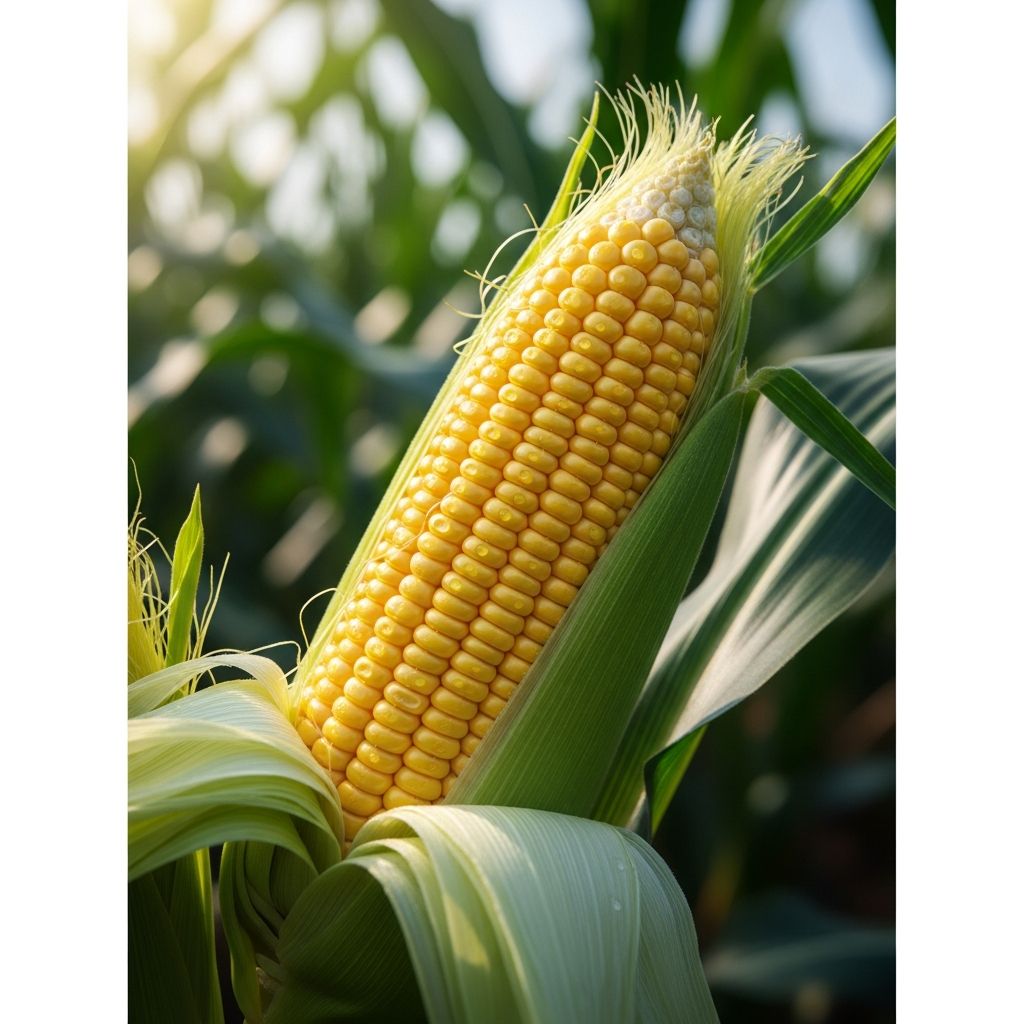
Corn, also known as maize, is a versatile staple food enjoyed worldwide in forms like fresh kernels, popcorn, tortillas, and grits. Far from being just a summer treat, corn offers substantial nutritional value and health benefits backed by scientific research. This grain is rich in fiber, antioxidants, vitamins, and minerals that support various aspects of well-being, including digestive health, cardiovascular function, eye protection, and stable blood sugar levels. Whole corn, particularly yellow varieties, stands out for its lutein and zeaxanthin content, which are crucial for vision health. Despite common misconceptions about its sugar content, corn has a moderate glycemic index and provides complex carbohydrates for sustained energy. Incorporating corn into meals can enhance diet quality without spiking calories significantly—a cup of boiled corn delivers about 96 calories, 3.4 grams of protein, and 2.4 grams of fiber.
Corn Nutrition Facts
Corn is a nutritional powerhouse, providing essential macronutrients and micronutrients in a low-fat package. Boiled yellow corn (100 grams) contains 96 calories, 73% water, 3.4 grams of protein, 21 grams of carbohydrates (including 4.5 grams of sugar and 2.4 grams of fiber), and 1.5 grams of fat. It is particularly abundant in B vitamins like thiamin, niacin, pantothenic acid (B5), folate (B9), and vitamin B6, alongside minerals such as magnesium, phosphorus, potassium, zinc, and copper. A medium ear of corn (about 90 grams) offers roughly 4 grams of fiber, 5 grams of protein, and key antioxidants. Insoluble fiber predominates, aiding digestion, while potassium supports blood pressure regulation. Corn also contains unique antioxidants like ferulic acid, anthocyanins in colored varieties, and phytic acid, though the latter may slightly hinder mineral absorption.
- Fiber: 2.4–4.5 grams per serving promotes satiety and gut health.
- Protein: 3.4–8.1 grams, contributing to muscle maintenance.
- Vitamin C and Manganese: Boost immunity and metabolism.
- Antioxidants: Lutein, zeaxanthin, and others combat oxidative stress.
Promotes Digestive Health
One of corn’s standout benefits is its role in digestion, thanks to high insoluble fiber content that adds bulk to stool, prevents constipation, and speeds transit time through the intestines. This fiber acts as a prebiotic, feeding beneficial gut bacteria that produce short-chain fatty acids (SCFAs). SCFAs nourish colon cells, reduce inflammation, and may lower colorectal cancer risk by promoting a healthy microbiome. Studies link regular whole grain intake, including corn, to improved gut motility and reduced risk of diverticular disease. For instance, the fiber in one cup of corn (around 4 grams) helps maintain body weight by enhancing fullness and aiding nutrient absorption. Those with gluten sensitivities benefit too, as corn is naturally gluten-free, making it ideal for tortillas or polenta. Daily inclusion can transform digestive regularity, especially when paired with adequate hydration.
Supports Heart Health
Corn contributes to cardiovascular wellness through multiple mechanisms. Its soluble and insoluble fibers bind to cholesterol in the digestive tract, lowering LDL (bad) cholesterol levels and reducing heart disease risk. Potassium (about 270 mg per 100 grams) counteracts sodium’s effects, helping regulate blood pressure, while magnesium diminishes stroke and ischemic heart disease risks. Antioxidants like ferulic acid and phytosterols in corn oil block cholesterol absorption; one study showed participants consuming 4 tablespoons of corn oil daily had lower cholesterol than those using coconut oil. Harvard’s long-term studies, including the Nurses’ Health Study, associate whole grain consumption like corn with reduced heart disease, type 2 diabetes, obesity, and stroke incidence, independent of other lifestyle factors. With heart disease as a leading global killer, corn’s profile—low fat, high fiber, and mineral-rich—makes it a smart dietary choice.
Protects Eye Health
Yellow corn excels in eye-protective carotenoids lutein and zeaxanthin, with a medium ear providing nearly 900 micrograms. These macular pigments filter harmful blue light, shield the retina from oxidative damage, and accumulate in the eye to prevent age-related macular degeneration (AMD) and cataracts. Observational data links higher blood levels of these compounds to significantly lower AMD and cataract risks, with dietary intake from corn showing protective effects in multiple studies. Copper in corn further slows AMD progression. Blue, purple, and red corn varieties add anthocyanins for extra antioxidant power. Regular consumption, such as daily sweet corn, supports long-term vision health, vital as populations age and screen time rises.
Related Stories



Aids in Blood Sugar Control
Though sweet, corn’s glycemic index is moderate (around 52–55), thanks to fiber and complex carbs that prevent rapid blood sugar spikes, making it suitable for diabetes management. Its low sugar (4–4.5 grams per serving) and high fiber profile ensure gradual energy release. Whole corn outperforms refined versions, aligning with research showing whole grains reduce type 2 diabetes risk. For those monitoring glucose, boiled or steamed corn maintains stability better than processed corn products. Pairing with proteins or fats enhances this benefit further.
Supports Weight Management
Corn aids weight control via high fiber and protein, promoting fullness and curbing overeating. Insoluble fiber accelerates digestion, preventing calorie-dense snacking, while modest calories (96 per 100 grams) fit calorie-restricted diets. Studies confirm whole grains like corn support healthy BMI by improving satiety hormones. Popcorn, a whole corn form, is a low-calorie snack (under 100 calories per 3 cups air-popped) that satisfies crunch cravings healthily.
Other Potential Benefits
Beyond core advantages, corn’s vitamins bolster immunity—vitamin C fights infections, B vitamins aid energy metabolism. Its antioxidants combat chronic inflammation linked to various diseases. Corn oil’s CoQ10 (ubiquinone) protects heart cells. Ferulic acid levels exceed those in wheat or rice, offering broad anti-inflammatory effects. While phytic acid may reduce zinc/iron uptake, traditional preparations like nixtamalization (lime-soaking) enhance nutrient bioavailability, as in tortillas.
Potential Downsides and Considerations
Corn isn’t flawless. High fructose corn syrup (HFCS) from processing links to obesity, but whole corn avoids this. Phytic acid impairs mineral absorption, mitigated by diverse diets or cooking. Those with corn allergies or IBS should consult professionals. Opt for organic to minimize pesticide exposure, and prioritize whole over refined forms.
Healthy Ways to Enjoy Corn
Maximize benefits with fresh, minimally processed corn:
- Fresh or Grilled: On the cob with herbs for low-cal flavor.
- Popcorn: Air-popped, lightly salted—fiber-rich snack.
- Salads/Soups: Add kernels for crunch and nutrients.
- Tortillas/Grits: Choose stone-ground, whole-grain versions.
- Frozen: Nearly as nutritious as fresh if unsweetened.
Aim for 1–2 servings weekly in a varied diet.
Frequently Asked Questions
Is corn good for weight loss?
Yes, its fiber and protein promote satiety; whole forms like popcorn aid calorie control without excess sugars.
Does corn raise blood sugar?
Moderately; its GI is low-to-medium, better than white rice, especially with fiber intact.
Is corn inflammatory?
No, antioxidants like lutein reduce inflammation; refined products may differ.
Can corn help with cholesterol?
Absolutely, fiber lowers LDL, and phytosterols block absorption.
Is white corn as healthy as yellow?
Less lutein/zeaxanthin, but still fiber- and vitamin-rich; yellow edges out for eyes.
References
- Corn Nutrition Facts — AgClassroom.org. 2023. https://cdn.agclassroom.org/media/uploads/LP868/Corn_Nutrition_Facts.pdf
- Corn 101: Nutrition Facts and Health Benefits — Healthline. 2023-05-01. https://www.healthline.com/nutrition/corn
- Is Corn Good for You? — Cleveland Clinic. 2023-07-12. https://health.clevelandclinic.org/benefits-of-corn
- Health Benefits of Corn: The Latest Research — NutritionFacts.org. 2024. https://nutritionfacts.org/topics/corn/
- The Health Benefits of Corn — GymGuyz. 2023. https://www.gymguyz.com/nutrition/health-benefits-of-corn/
Similar Articles








Read full bio of Sneha Tete