Health Benefits Of Dill: Expert Insights & Cooking Tips
Discover the impressive health benefits of dill, from supporting digestion and heart health to providing essential nutrients and antioxidants.
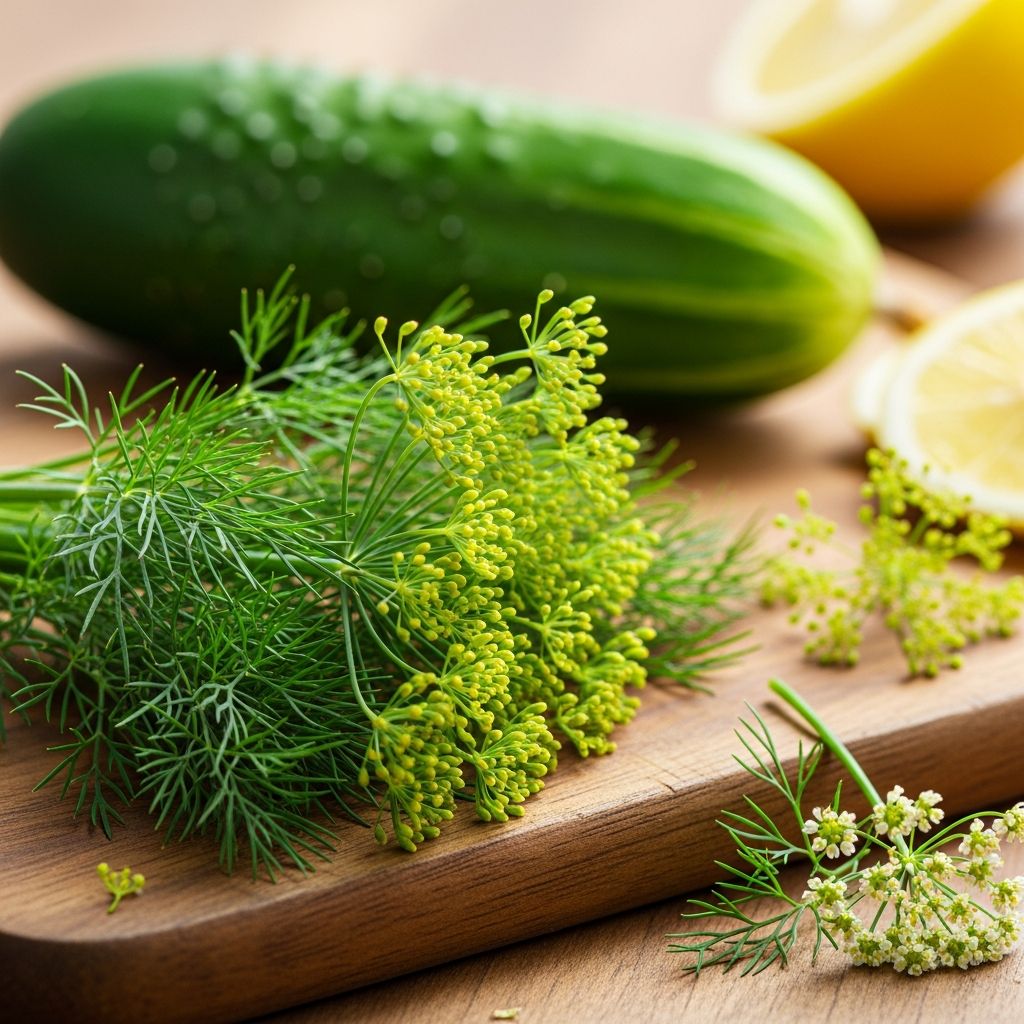
Dill (Anethum graveolens), a feathery green herb with a fresh, tangy flavor, has been cherished for centuries in cuisines worldwide and traditional medicine. Beyond enhancing dishes like pickles, salmon, and salads, dill offers a wealth of health benefits backed by its nutrient-dense profile and bioactive compounds. This article delves into dill’s nutritional value, potential health advantages, culinary applications, and practical tips for incorporation into your diet.
What Is Dill?
Dill is an annual herb native to the Mediterranean region and parts of Asia, belonging to the Apiaceae family alongside carrots and parsley. It features delicate, thread-like leaves (dill weed) and aromatic seeds, both used in cooking and remedies. Historically, dill’s name derives from the Old Norse word ‘dilla,’ meaning to soothe, reflecting its traditional use for calming digestive issues and infant colic. Today, it’s a staple in pickling, Scandinavian, Eastern European, and Middle Eastern dishes, prized for its carminative properties that ease bloating and gas.
Dill Nutrition Facts
Dill is low in calories but packed with essential vitamins, minerals, and antioxidants. Fresh dill provides vitamin C for immune support, vitamin A for vision and skin health, and manganese for metabolism. Dill seeds offer higher concentrations of calcium, iron, and magnesium.
| Nutrient (per 1 tsp dried dill weed) | Amount | % Daily Value* |
|---|---|---|
| Calories | 3 | 0% |
| Carbohydrates | 1g | 0% |
| Protein | 0g | 0% |
| Vitamin A | High source | ~10-20% |
| Vitamin C | Good source | ~5-10% |
| Calcium | Present | 1-2% |
| Iron | Present | 1-2% |
| *Based on a 2,000-calorie diet. Fresh dill (1 cup) provides more vitamins; seeds (1 tbsp) offer 8% DV calcium, 6% DV iron. | ||
Antioxidants like flavonoids and polyphenols in dill combat free radicals, potentially reducing chronic disease risk. These compounds contribute to dill’s anti-inflammatory effects.
Potential Health Benefits of Dill
Rich in Antioxidants
Dill contains potent antioxidants, including flavonoids and vitamin C, which neutralize free radicals and protect cells from oxidative stress. This may lower risks of heart disease, cancer, and aging-related issues. Studies highlight dill’s role in reducing cellular damage linked to chronic conditions.
May Benefit Heart Health
Flavonoids in dill support cardiovascular health by reducing inflammation and oxidative damage. Animal studies show dill lowers LDL cholesterol and triglycerides. Human trials are mixed: one study of 91 people found dill extract improved cholesterol after 2 months, while another in 150 showed no change. Overall, dill’s nutrients promote heart health when part of a balanced diet.
May Help Lower ‘Bad’ Cholesterol
Research indicates dill extract can reduce total cholesterol and LDL levels in some individuals with high lipids. While promising, more human studies are needed to confirm effects from culinary use versus supplements.
May Help Lower Blood Sugar Levels
Dill shows potential antidiabetic properties. Animal studies demonstrate dill extract lowers fasting blood sugar and improves insulin sensitivity, aiding type 2 diabetes management and prevention. Human evidence is limited, but dill pairs well with diabetes-friendly foods like fish and eggs.
Supports Digestive Health
Dill’s essential oils stimulate digestive juices, relieving indigestion, bloating, gas, and colic. Traditionally used for infant colic, dill water remains a folk remedy. Its carminative effects make it ideal for gut comfort.
Related Stories



Other Dill Benefits
- Antibacterial Properties: Dill oils combat bacteria like Staphylococcus aureus and Klebsiella pneumoniae, supporting oral and respiratory health.
- Bone Health: Calcium, magnesium, and phosphorus in dill strengthen bones, potentially preventing osteoporosis.
- Reduces Inflammation: Anti-inflammatory compounds may ease arthritis pain and swelling.
- Improves Sleep: Sedative-like effects calm the nervous system, aiding relaxation and insomnia.
- Menstrual Relief: May alleviate cramps, though evidence is preliminary.
Most benefits stem from extracts; dietary dill provides milder effects but cumulative advantages.
How to Use Dill in Cooking
Dill’s bright, anise-like flavor shines in fresh or dried forms. Add dill weed at the end of cooking to preserve flavor; use seeds in pickles and breads.
- Pickles and Preserves: Classic dill pickles use seeds and weed for tang.
- Seafood: Pairs perfectly with salmon, shrimp, and tzatziki.
- Vegetables: Enhances cucumbers, potatoes, green beans, and beets.
- Soups and Sauces: Adds freshness to creamy soups, yogurt dips, and gravies.
- Eggs and Dairy: Sprinkles elevate omelets, salads, and cheeses.
Recipe Idea: Dill Yogurt Sauce
Ingredients: 1 cup Greek yogurt, 2 tbsp fresh dill (chopped), 1 garlic clove (minced), lemon juice, salt.
Directions: Mix all; chill. Serve with veggies or fish. (Serves 4, ~50 calories/serving.)
Dill Recipes to Try
- Garlic-Dill Smashed Potatoes: Boil baby potatoes, smash, roast with oil, garlic, dill. Crispy and flavorful side.
- Lemon-Dill Salmon: Bake salmon with lemon slices, dill, olive oil. Heart-healthy omega-3 boost.
- Cucumber Dill Salad: Sliced cukes, yogurt, dill, vinegar. Refreshing summer dish.
- Dill Pickles: Quick-pickle cucumbers with vinegar, water, dill seeds, garlic.
- Herbed Quinoa: Cook quinoa with dill, parsley, lemon for a nutrient-packed grain.
Possible Side Effects and Precautions
Dill is generally safe in culinary amounts. High doses or supplements may cause allergic reactions (especially if sensitive to carrots/celery), skin irritation, or interact with diabetes/heart medications. Pregnant/nursing women should consult doctors before supplements. Dill may lower blood sugar, so monitor if diabetic.
Bottom Line
Incorporate dill for its antioxidants, vitamins, and digestive support. While promising for heart health, cholesterol, and blood sugar, more human research on dietary dill is needed. Enjoy it fresh for maximum benefits in everyday meals.
Frequently Asked Questions (FAQs)
Is dill good for digestion?
Yes, dill relieves gas, bloating, and indigestion via essential oils that boost digestive enzymes.
Can dill help with diabetes?
Studies suggest dill may lower blood sugar and aid type 2 diabetes management.
Is dill safe during pregnancy?
Culinary amounts are safe; consult a doctor for large quantities or supplements.
How much dill should I eat daily?
1-2 tsp dried or 1-2 tbsp fresh provides benefits without excess.
Does dill lower cholesterol?
Some studies show reductions in LDL and triglycerides with extracts; results vary.
References
- Health Benefits of Dill — WebMD. 2023-10-15. https://www.webmd.com/diet/health-benefits-dill
- Dill: The Versatile Herb with Health Benefits — Sadhana Sansar. 2024-05-20. https://www.sadhana-sansar.com/post/dill-the-versatile-herb-with-health-benefits
- Dill: Nutrition, Benefits, and Uses — Healthline. 2024-08-12. https://www.healthline.com/nutrition/dill
Similar Articles








Read full bio of medha deb