Health Benefits of Edamame: Nutrition & Wellness
Discover how edamame supports heart health, weight management, and overall wellness.
What Is Edamame?
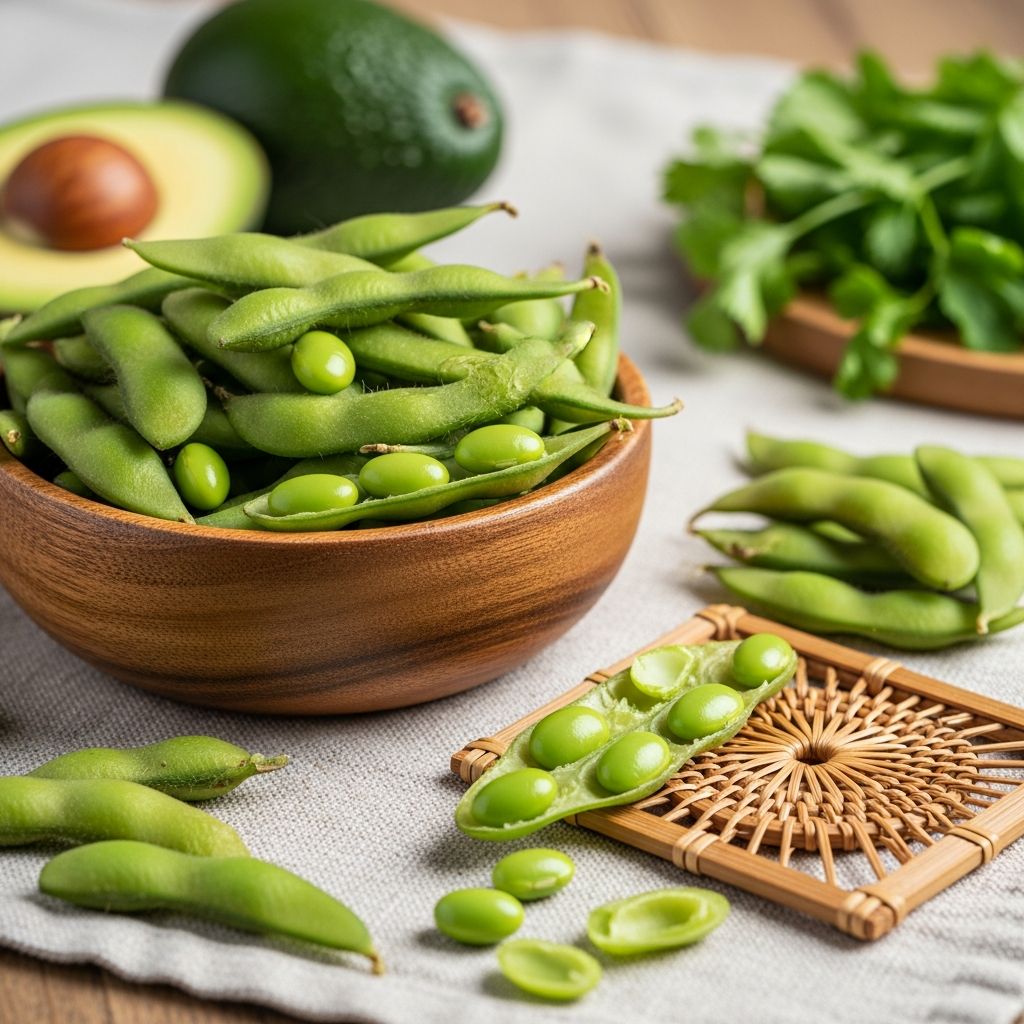
Edamame are young soybeans harvested before they ripen or harden. These nutrient-dense legumes are naturally gluten-free, low in calories, and contain no cholesterol, making them an excellent addition to any balanced diet. Available fresh, frozen, shelled, or in the pod, edamame have become increasingly popular as a plant-based food option for health-conscious consumers worldwide. Whether enjoyed as a snack, appetizer, or incorporated into main dishes, edamame offer remarkable nutritional benefits that support overall health and wellness.
Complete Nutritional Profile
One cup of edamame contains a balanced array of macronutrients and micronutrients essential for optimal health:
| Nutrient | Amount per Cup | Daily Value |
|---|---|---|
| Calories | 188 | — |
| Protein | 18 grams | 36% (based on 50g daily value) |
| Fiber | 8 grams | 29% |
| Fat | 8 grams | 12% |
| Carbohydrates | 14 grams | 5% |
| Iron | 3.52 milligrams | 20% |
| Calcium | 97.6 milligrams | 8% |
| Magnesium | 99.2 milligrams | 24% |
| Folate | 458 micrograms | 115% |
| Vitamin C | 8.48 milligrams | 9% |
Beyond these primary nutrients, edamame also contains vitamin K, selenium, choline, potassium, phosphorus, zinc, and small amounts of vitamins E, thiamin, riboflavin, niacin, and vitamin B6. This comprehensive nutrient density makes edamame a true nutritional powerhouse suitable for various dietary approaches.
Complete Plant-Based Protein Source
Why Edamame Stands Apart
Edamame is remarkably unique among plant-based protein sources because it contains all nine essential amino acids, making it a complete protein. Most plant proteins lack one or more essential amino acids, requiring careful food combining to meet all amino acid needs. Each cup of edamame provides approximately 18 grams of high-quality protein that rivals animal-based sources in terms of bioavailability and amino acid composition.
Research has demonstrated that soy protein, the type found in edamame, is nutritionally equivalent to the protein found in cow’s milk and eggs—the traditional benchmark standards for protein quality. This makes edamame an exceptional choice for vegans, vegetarians, and anyone seeking to reduce their reliance on animal products while maintaining adequate protein intake. For athletes, active individuals, and those focused on muscle maintenance and recovery, edamame offers a plant-based alternative that meets all protein requirements without compromising nutritional quality.
Heart Health and Cholesterol Management
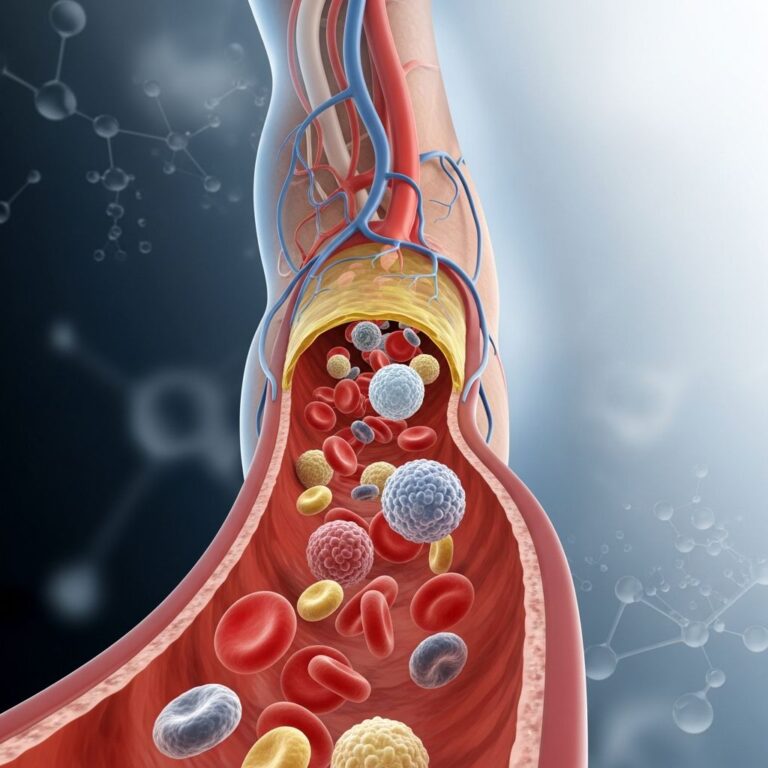
One of the most significant health benefits associated with edamame consumption is its positive impact on cardiovascular health. High levels of LDL cholesterol, commonly referred to as “bad cholesterol,” significantly increase the risk of heart disease, stroke, and type 2 diabetes. Edamame may help reduce LDL cholesterol through multiple mechanisms.
Cholesterol-Reducing Mechanisms
- Soy protein content: An analysis of 38 clinical trials showed that consuming soy protein rather than animal protein significantly decreased LDL cholesterol levels in humans.
- High fiber content: With 8 grams of fiber per cup, edamame helps regulate cholesterol levels by slowing digestion and preventing the body from absorbing excess cholesterol.
- Isoflavones and bioactive compounds: Soybean compounds possess natural anti-inflammatory properties that support cardiovascular function.
Most adults do not consume adequate dietary fiber, with more than 90% of those assigned female at birth and 97% of those assigned male at birth falling short of the recommended 34 grams daily intake. Including edamame regularly in your diet provides a substantial fiber boost while delivering cardiovascular protective compounds simultaneously.
Related Stories



Weight Loss and Weight Management
For individuals focused on achieving or maintaining a healthy weight, edamame presents an ideal food option. The combination of low calorie content (188 calories per cup), high protein concentration, and significant fiber quantity creates multiple synergistic benefits for weight management.
How Edamame Supports Weight Loss
- Satiety promotion: The high protein and fiber content keeps you feeling full for extended periods, reducing overall calorie intake and snacking urges.
- Metabolic support: Protein requires more energy to digest than carbohydrates or fats, slightly boosting metabolic rate through thermogenesis.
- Nutrient density: Despite low calorie content, edamame delivers essential vitamins, minerals, and phytonutrients, preventing nutritional deficiencies during weight loss efforts.
- Low glycemic index: Edamame does not cause rapid blood sugar spikes that trigger hunger and cravings.
Snacking on edamame instead of calorie-dense processed foods allows you to satisfy hunger while maintaining a calorie deficit necessary for weight loss. The nutrient density ensures your body receives proper nutrition despite reduced overall calorie consumption.
Blood Sugar Regulation and Diabetes Prevention
For individuals concerned about metabolic health and diabetes risk, edamame offers protective benefits through multiple pathways. Unlike easily digested carbohydrates that cause rapid blood sugar elevation, edamame contains fewer carbohydrates relative to its protein and fat content and maintains a very low glycemic index score.
A systematic review and meta-analysis from 2023 notes that soy consumption is associated with a lower risk of developing type 2 diabetes and cardiovascular disease. The combination of soluble fiber, resistant starches, and bioactive compounds in edamame helps maintain stable blood glucose levels throughout the day. For those with prediabetes, diabetes, or metabolic syndrome, regular edamame consumption may represent an effective dietary intervention for improving glucose control and reducing disease progression risk.
Gut Health and Digestive Support
Beyond its macronutrient and micronutrient contributions, edamame supports digestive health through multiple mechanisms. The 8 grams of fiber per cup serves as prebiotic material, feeding beneficial gut bacteria and promoting a healthy microbiome.
Gut Health Benefits
When gut bacteria metabolize the fiber in edamame, they produce short-chain fatty acids (SCFAs) that provide numerous health benefits including:
- Immune system balance and optimal function
- Metabolic regulation and energy production
- Blood sugar level maintenance
- Healthy gut barrier integrity
- Appetite regulation and satiety
Research suggests that consuming edamame and other soybean foods might lower colorectal cancer risk by positively altering gut bacteria composition and activity, though additional research continues to clarify these relationships. To avoid potential digestive discomfort like gas and bloating, consume edamame in moderation and allow your digestive system to adapt gradually to increased fiber intake.
Anti-Inflammatory Properties
Chronic inflammation underlies many modern diseases including heart disease, type 2 diabetes, certain cancers, and autoimmune conditions. Edamame contains bioactive compounds with natural anti-inflammatory properties that help combat chronic inflammation at the cellular level.
Isoflavones and soy peptides present in edamame work by targeting inflammatory mediators in the body and reducing the production of pro-inflammatory molecules. Regular consumption of these anti-inflammatory compounds may help lower the risk of developing chronic diseases while supporting overall inflammatory balance. This represents an important preventive health benefit, particularly for aging adults and those with family histories of inflammatory diseases.
Bone Health and Osteoporosis Prevention
Osteoporosis, characterized by brittle and fragile bones with increased fracture risk, particularly affects older adults and postmenopausal women. Some studies indicate that regularly consuming soy protein products rich in isoflavones, such as edamame, may reduce osteoporosis risk in both menopausal and postmenopausal women.
The isoflavone content in edamame may support bone mineral density through estrogen-like activity and direct bone cell effects. While additional research continues to explore these mechanisms, the evidence suggests that including edamame in your diet may provide protective benefits against age-related bone loss, particularly when combined with adequate calcium intake, vitamin D exposure, and weight-bearing exercise.
Fertility and Pregnancy Support
For individuals planning pregnancy or currently pregnant, edamame offers important nutritional support. The legume provides high-quality plant-based protein and iron, both essential for reproductive health and fetal development.
Edamame contains an impressive 458 micrograms of folate per cup—115% of the daily recommended value. Folate, also called folic acid or vitamin B9, is absolutely essential to proper fetal development and helps prevent neural tube defects. A 2021 review notes that replacing some animal proteins with plant-based sources like soy, beans, and lentils may lower rates of infertility.
Historical concerns about soy isoflavones during pregnancy arose primarily from animal research studies. However, human studies have not confirmed that consuming soy products negatively affects fetal health or development. In fact, consuming edamame during pregnancy helps boost folate levels naturally without requiring supplements, though many healthcare providers still recommend folic acid supplementation as standard practice.
Why Edamame Qualifies as a Superfood
Edamame meets all criteria for superfood classification due to its exceptional nutrient density and health-supporting properties. The combination of complete plant-based protein, fiber, essential minerals like calcium, magnesium, and iron, vitamins including vitamin C and folate, and bioactive compounds creates a food that delivers disproportionate health benefits relative to its calorie content. Unlike trendy superfoods that may lack scientific backing, edamame’s health benefits rest on substantial clinical research and nutritional science.
Frequently Asked Questions
Q: How much edamame should I eat daily?
A: One cup of edamame daily provides substantial protein, fiber, and nutrients while fitting well into most dietary patterns. You can enjoy edamame several times weekly without concern, adjusting portions based on your overall dietary needs and calorie targets.
Q: Can edamame cause digestive problems?
A: Eating too much edamame too quickly may cause gas, bloating, or digestive discomfort, particularly if you’re unaccustomed to high fiber intake. Introduce edamame gradually and increase your water intake to minimize these symptoms as your digestive system adapts.
Q: Is edamame suitable for ketogenic diets?
A: Edamame is relatively low in carbohydrates, with one cup providing 13.8 grams of carbs. Depending on your individual carb tolerance and keto approach, moderate portions of edamame may fit within your daily carb allowance.
Q: Are frozen edamame as nutritious as fresh?
A: Frozen edamame retain their nutritional value effectively since they’re typically frozen shortly after harvest. Both fresh and frozen varieties offer equivalent health benefits and can be used interchangeably in recipes.
Q: Can people with soy allergies eat edamame?
A: No, individuals with soy allergies should avoid edamame since they’re soybeans. Those with soy sensitivity should consult healthcare providers before consumption.
References
- Health Benefits of Edamame — WebMD. Accessed January 2026. https://www.webmd.com/diet/health-benefits-edamame
- Edamame: Nutrition, benefits, how to eat, and more — Medical News Today. Accessed January 2026. https://www.medicalnewstoday.com/articles/280285
- The Health Benefits of Edamame — American Association of Naturopathic Doctors (AANMC). Accessed January 2026. https://aanmc.org/naturopathic-kitchen/how-to-eat-edamame/
Similar Articles








Read full bio of medha deb