Hibiscus Tea Benefits, According to a Dietitian
Discover the science-backed health benefits of hibiscus tea, from lowering blood pressure to supporting heart health and weight management.
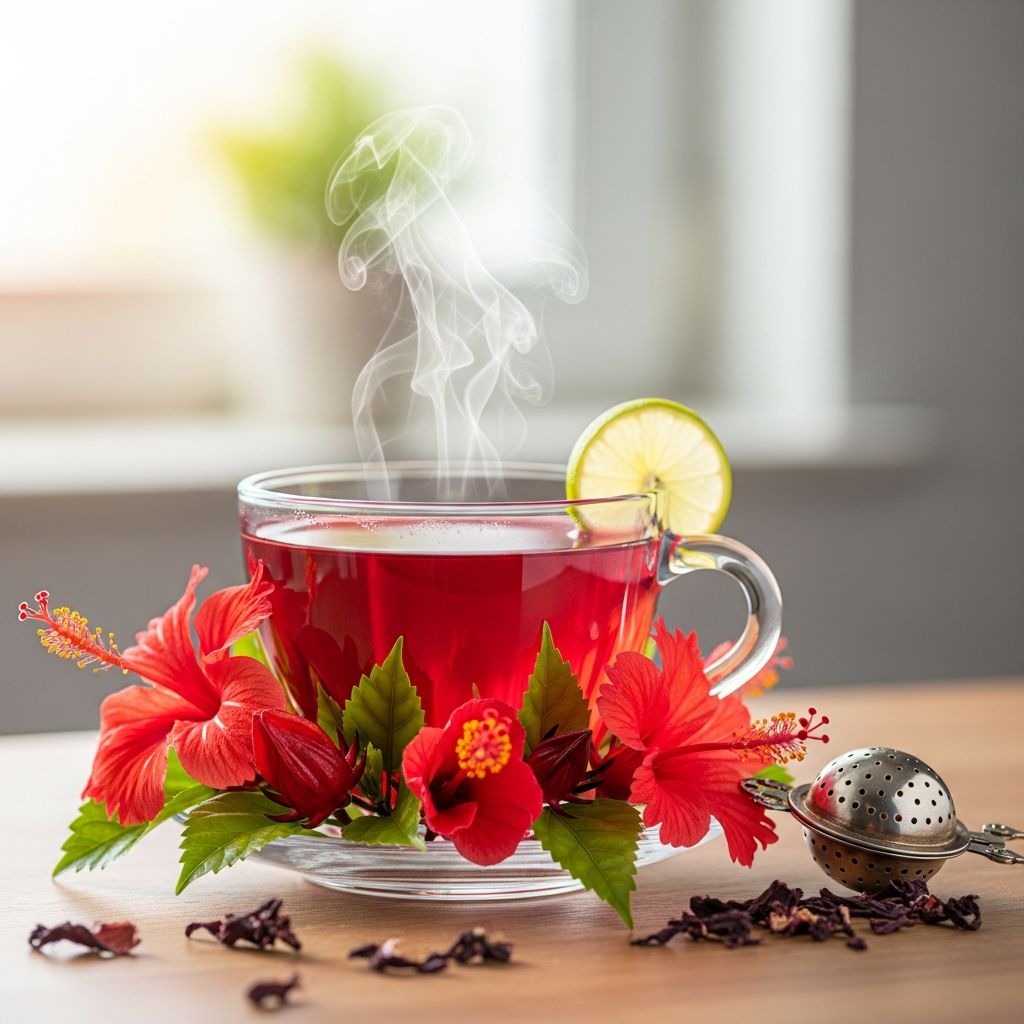
Hibiscus tea, made from the vibrant calyces of the Hibiscus sabdariffa plant, has been cherished for centuries in traditional medicine across Africa, Asia, and the Caribbean. This tart, cranberry-like herbal infusion is caffeine-free and packed with nutrients like vitamin C, iron, and antioxidants. Recent research highlights its potential to support heart health, aid weight management, and more. As a dietitian, I’ll break down the evidence-based benefits, nutrition profile, preparation tips, and precautions for incorporating hibiscus tea into your routine.
What Is Hibiscus Tea?
Hibiscus tea is an herbal tea brewed from the dried petals and calyces of the roselle plant (Hibiscus sabdariffa). Unlike true tea from the Camellia sinensis plant, it’s naturally caffeine-free, making it an excellent alternative for those avoiding stimulants. Its ruby-red color and tangy flavor make it a refreshing hot or iced beverage, often sweetened with honey or paired with fruits like lemon or ginger.
Originating from tropical regions, hibiscus has been used in folk medicine for liver disorders, high blood pressure, and digestive issues. Modern science is catching up, with studies examining its rich polyphenol content, including anthocyanins and flavonoids, which drive many of its health effects.
Nutrition Facts of Hibiscus Tea
A typical 8-ounce (240 ml) serving of brewed hibiscus tea is low-calorie and nutrient-dense. According to nutritional data, one cup of fresh hibiscus calyces (the base for tea) provides approximately:
| Nutrient | Amount per Cup (Fresh Calyces) |
|---|---|
| Calories | 28 |
| Protein | 0.5 g |
| Fat | 0 g |
| Carbohydrates | 6.5 g |
| Vitamin C | High (supports immune function) |
| Iron | Significant source |
| Other Minerals | Calcium, magnesium, phosphorus, potassium |
. Brewed tea retains many of these, especially antioxidants, though exact amounts vary by preparation. It’s also rich in vitamin A and free of caffeine, ideal for evening consumption.
Potential Health Benefits of Hibiscus Tea
1. May Help Lower Blood Pressure
One of the most studied benefits of hibiscus tea is its ability to reduce blood pressure, a key risk factor for heart disease. Multiple randomized controlled trials show that daily consumption can lower systolic and diastolic pressure, sometimes rivaling medications.
A Tufts University study found that three cups daily significantly lowered blood pressure in prehypertensive adults more effectively than placebo. NutritionFacts.org reports hibiscus tea working as well as some antihypertensive drugs in head-to-head comparisons. Meta-analyses confirm reductions of about 7-10 mmHg in systolic pressure after 4-6 weeks.
The mechanism involves ACE inhibition (similar to some blood pressure meds) and diuretic effects that help flush excess fluid. Those with mild hypertension may benefit most, but consult a doctor if on medication.
2. Packed with Antioxidants
Hibiscus tea is loaded with powerful antioxidants like polyphenols, anthocyanins, and vitamin C, which combat free radicals—unstable molecules that damage cells and contribute to chronic diseases.
Related Stories



These compounds reduce oxidative stress, potentially lowering risks of cancer, diabetes, and heart disease. A study in people with Marfan syndrome showed hibiscus extract boosted blood antioxidant levels and cut oxidative damage. Vitamin C in hibiscus also enhances iron absorption and supports collagen production for skin and tissue health.
3. Supports Healthy Cholesterol Levels
Hibiscus may improve blood fat profiles by raising HDL (good) cholesterol and lowering LDL (bad) cholesterol and triglycerides. In a 2009 study of 60 diabetics, one month of hibiscus tea increased HDL and decreased total/LDL cholesterol compared to black tea.
A 2022 review found hibiscus more effective than other teas or placebo for LDL reduction. However, results are mixed, with some trials showing no cholesterol changes despite blood pressure benefits. It appears most promising for those with metabolic syndrome or diabetes.
4. Promotes Liver Health
Emerging evidence suggests hibiscus protects the liver, a vital organ for detoxification and fat metabolism. A 2014 study in overweight adults found 12 weeks of hibiscus extract reduced liver fat (steatosis), a precursor to fatty liver disease.
Animal studies reinforce this: hibiscus lowered liver damage markers and improved fatty liver in high-fat diet models. While human tea-specific trials are limited, its antioxidants likely contribute by reducing inflammation and fat accumulation.
5. Aids Weight Loss and Management
Hibiscus tea shows promise for weight control. A small 2014 trial reported reductions in body weight, BMI, body fat, and waist-to-hip ratio after 12 weeks of hibiscus extract. Other studies link it to lower body fat percentage and BMI, possibly by blocking fat absorption, boosting metabolism, and improving insulin sensitivity.
Metabolite changes post-consumption suggest downregulated cholesterol synthesis and enhanced fat metabolism. A 2021 review noted anti-diabetic effects and potential for metabolic syndrome. Pair it with diet and exercise for best results.
6. Other Benefits: Antibacterial, Kidney Support, and More
- Antibacterial properties: Hibiscus inhibits bacteria like E. coli, potentially easing UTIs.
- Kidney health: Acts as a mild diuretic, aiding fluid removal and possibly supporting kidney function.
- Blood sugar control: Preliminary data shows anti-diabetic potential.
- Iron boost: High iron and vitamin C content combats anemia.
How to Make Hibiscus Tea
Preparing hibiscus tea is simple and customizable:
- Boil 4-6 cups water.
- Add 1-2 tablespoons dried hibiscus petals (or 1 tea bag per cup).
- Steep 5-10 minutes for stronger flavor.
- Strain, sweeten if desired (honey, stevia), and serve hot or iced.
Enhance with cinnamon, ginger, or citrus. Aim for 2-3 cups daily. NutritionFacts.org recommends no more than a quart (about 1 liter) to avoid side effects.
Is Hibiscus Tea Good for You?
Yes, for most people, when consumed moderately. Its low calories, high antioxidants, and evidence for blood pressure, cholesterol, liver, and weight benefits make it a smart addition to a balanced diet. However, it’s not a cure-all—combine with lifestyle changes. Pregnant individuals, those on blood pressure meds, or with low blood pressure should consult professionals due to potential interactions.
Risks and Side Effects
Hibiscus is generally safe but may cause:
- Stomach upset or gas in excess.
- Lowered blood pressure (monitor if medicated).
- Hormonal effects (phytoestrogens; avoid in hormone-sensitive conditions).
- Allergic reactions (rare).
Limit to 3-4 cups daily. No major toxicity reported, but long-term human data is limited.
Bottom Line
Hibiscus tea delivers impressive, research-supported perks: blood pressure reduction, antioxidant protection, better cholesterol, liver support, and weight aid. Its nutrient profile and versatility make it a delicious daily habit. Start with 1-2 cups and track how you feel.
Frequently Asked Questions (FAQs)
Can hibiscus tea lower blood pressure?
Yes, studies show 2-3 cups daily can reduce systolic pressure by 7-10 mmHg in people with mild hypertension.
Does hibiscus tea help with weight loss?
Evidence suggests it may reduce body fat and BMI, especially with diet, but more large trials needed.
Is hibiscus tea high in vitamin C?
Yes, it’s an excellent source, aiding immunity and iron absorption.
Can I drink hibiscus tea every day?
Up to a quart daily is safe for most, but consult a doctor if pregnant or on meds.
Does hibiscus tea have caffeine?
No, it’s naturally caffeine-free.
References
- Top 7 Hibiscus Tea Benefits: Vitamin C and More — ArtfulTea. 2023. https://artfultea.com/blogs/wellness/benefits-of-hibiscus-tea
- Hibiscus Tea: Is It Good for You? — WebMD. 2023-10-27. https://www.webmd.com/diet/hibiscus-tea-is-it-good-for-you
- Hibiscus tea: Health benefits and risks — Medical News Today. 2023. https://www.medicalnewstoday.com/articles/318120
- 8 Benefits of Hibiscus Tea — Healthline. 2023-03-06. https://www.healthline.com/nutrition/hibiscus-tea-benefits
- Fat-Blocking Benefits of Hibiscus Tea — NutritionFacts.org. 2023. https://nutritionfacts.org/video/fat-blocking-benefits-of-hibiscus-tea/
- Hibiscus Tea Benefits: The Latest Research — NutritionFacts.org. 2023. https://nutritionfacts.org/topics/hibiscus-tea/
- No More Than a Quart a Day of Hibiscus Tea — NutritionFacts.org. 2023. https://nutritionfacts.org/blog/no-more-than-a-quart-a-day-of-hibiscus-tea/
Similar Articles








Read full bio of medha deb