Health Benefits Of Iron: 9 Science-Backed Reasons
Discover the vital role of iron in oxygen transport, energy production, immune function, and overall health for all life stages.
Iron is an essential mineral that plays a fundamental role in oxygen transport, energy production, cellular function, and immune health. As a key component of hemoglobin and myoglobin, iron supports nearly every bodily process, from muscle metabolism to neurological development.
What Is Iron?
Iron is a trace mineral vital for human health, serving as a central component in proteins like hemoglobin and myoglobin that carry oxygen throughout the body. It also contributes to enzyme function, DNA synthesis, and hormone production. Without adequate iron, cells cannot produce sufficient energy, leading to fatigue and impaired growth.
There are two primary forms of dietary iron: heme iron, found in animal products like meat, poultry, and seafood, which is highly bioavailable (15-35% absorption), and nonheme iron, from plant sources like beans, spinach, and fortified cereals, with lower absorption rates of 2-20%.
9 Health Benefits of Iron
Iron deficiency affects millions worldwide, underscoring its importance. Here are the top evidence-based benefits:
- Essential for Oxygen Transport: Iron forms hemoglobin, binding oxygen in red blood cells for delivery to tissues. Myoglobin stores oxygen in muscles, supporting physical activity.
- Boosts Energy Levels: By facilitating oxygen use in energy production, iron prevents fatigue. Deficiency often manifests as persistent tiredness.
- Supports Brain Function and Development: Iron aids neurotransmitter synthesis and myelin production, crucial for cognitive health, learning, and neurological development in children.
- Strengthens Immune System: Iron is necessary for immune cell proliferation and function, helping fight infections. Deficiency impairs immunity.
- Promotes Healthy Pregnancy: Iron prevents maternal anemia, supports fetal growth, and reduces risks of low birth weight and preterm birth.
- Aids Physical Growth: Critical for children and adolescents, iron supports bone marrow function and overall development.
- Maintains Body Temperature: Iron helps regulate thermogenesis through oxygen-dependent processes.
- Supports Muscle Health: Via myoglobin, iron enhances muscle endurance and connective tissue integrity.
- Prevents Anemia: Adequate intake averts iron-deficiency anemia, improving concentration, work productivity, and quality of life.
Iron-Rich Foods
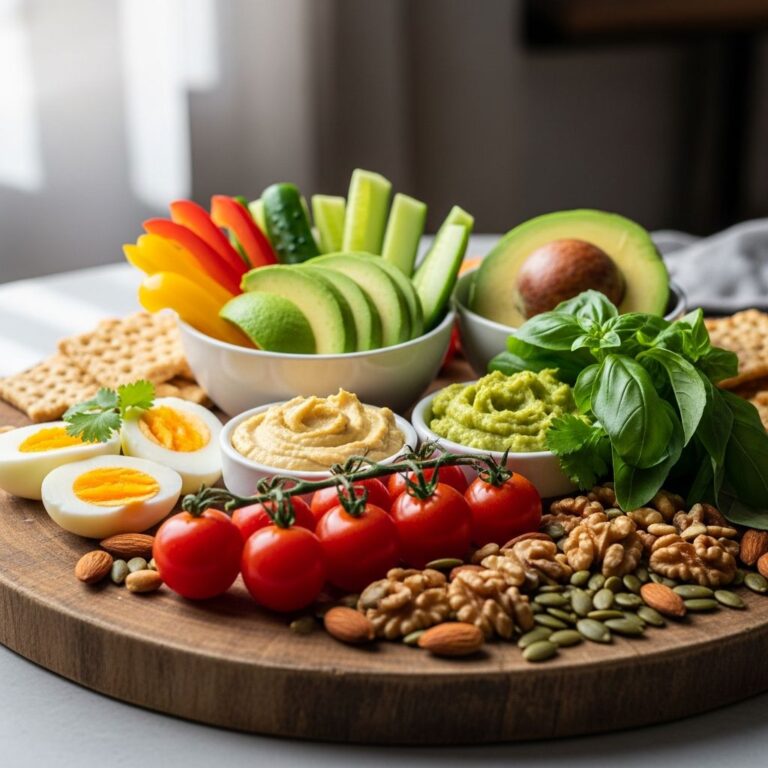
Incorporate these nutrient-dense foods to meet your iron needs. Heme sources offer better absorption, while pairing nonheme with vitamin C enhances uptake.
| Food | Serving Size | Iron (mg) | Type |
|---|---|---|---|
| Beef liver | 3 oz | 5.0 | Heme |
| Oysters | 3 oz | 8.0 | Heme |
| Fortified cereal | 1 cup | 18.0 | Nonheme |
| Spinach (cooked) | 1 cup | 6.4 | Nonheme |
| Lentils (cooked) | 1 cup | 6.6 | Nonheme |
| Tofu | 1/2 cup | 3.4 | Nonheme |
| Dark chocolate (70-85%) | 3 oz | 11.8 | Nonheme |
Note: Vegetarians should aim for 1.8 times the RDA due to lower nonheme bioavailability. Avoid inhibitors like tea, coffee, and calcium-rich foods during iron-rich meals.
How Much Iron Do You Need?
Recommended Dietary Allowances (RDAs) vary by age, sex, and life stage. Pregnant and lactating women require more to support increased blood volume and fetal needs.
| Age/Group | Male (mg/day) | Female (mg/day) | Pregnancy (mg/day) | Lactation (mg/day) |
|---|---|---|---|---|
| Birth to 6 months | 0.27 | 0.27 | – | – |
| 7-12 months | 11 | 11 | – | – |
| 1-3 years | 7 | 7 | – | – |
| 4-8 years | 10 | 10 | – | – |
| 9-13 years | 8 | 8 | – | – |
| 14-18 years | 11 | 15 | 27 | 10 |
| 19+ years | 8 | 18 | 27 | 9 |
Bioavailability from mixed diets is 14-18%; vegetarian diets 5-12%.
Signs and Symptoms of Iron Deficiency
Iron deficiency progresses in stages: depleted stores, iron-deficient erythropoiesis, and iron-deficiency anemia (IDA). Common symptoms include:
- Fatigue and weakness
- Pale skin and brittle nails
- Shortness of breath
- Dizziness or lightheadedness
- Cold hands and feet
- Headaches and difficulty concentrating
- Restless legs syndrome
- Pica (cravings for non-food items)
- Frequent infections
High-risk groups: menstruating women, pregnant individuals, infants, young children, vegetarians, and frequent blood donors.
Health Risks of Too Little Iron
Untreated deficiency leads to anemia, impairing oxygen delivery. In children, it causes developmental delays; in pregnancy, risks include preterm birth and low birth weight. Chronic cases affect heart function and immunity.
Related Stories



Should You Take an Iron Supplement?
Supplements are recommended for diagnosed deficiency, pregnancy, or high-risk groups. Forms like ferrous sulfate (37.5 mg elemental iron) aid recovery post-blood donation. Daily 9-90 mg reduces pregnancy anemia risk by 70%. Consult a doctor; excess can cause GI issues.
Signs You Need More Iron
- Persistent fatigue despite rest
- Poor exercise tolerance
- Cognitive fog or irritability
- Heavy menstrual bleeding
- Slow growth in children
Too Much Iron?
Dietary overload is rare, but supplements >20 mg/kg can cause nausea, vomiting, and organ damage. Those with hemochromatosis should limit intake.
Bottom Line
Prioritize iron-rich foods, pair with vitamin C, and monitor intake per RDAs. Routine screening for at-risk groups prevents deficiency complications.
Frequently Asked Questions
What is the best source of iron?
Heme iron from lean meats, poultry, and seafood offers the highest absorption. Plant sources like lentils and spinach are good but need vitamin C enhancers.
Can you get iron from vegetables?
Yes, nonheme iron in spinach, beans, and fortified foods contributes, though absorption is lower. Vegetarians need 1.8x RDA.
Does coffee block iron absorption?
Yes, polyphenols in coffee, tea, and some grains inhibit nonheme iron. Consume separately from meals.
Who is at risk for iron deficiency?
Women of reproductive age, pregnant people, children, vegetarians, and athletes.
Is iron supplementation safe in pregnancy?
Yes, 27 mg/day is recommended to prevent IDA and support fetal health, per guidelines.
References
- Iron – Health Professional Fact Sheet — Office of Dietary Supplements, National Institutes of Health. 2023-02-09. https://ods.od.nih.gov/factsheets/Iron-HealthProfessional/
Similar Articles








Read full bio of Sneha Tete