Health Benefits Of Kimchi: Science-Backed Benefits & Uses
Discover the probiotic power of kimchi: from gut health and reduced inflammation to better cholesterol and weight management.
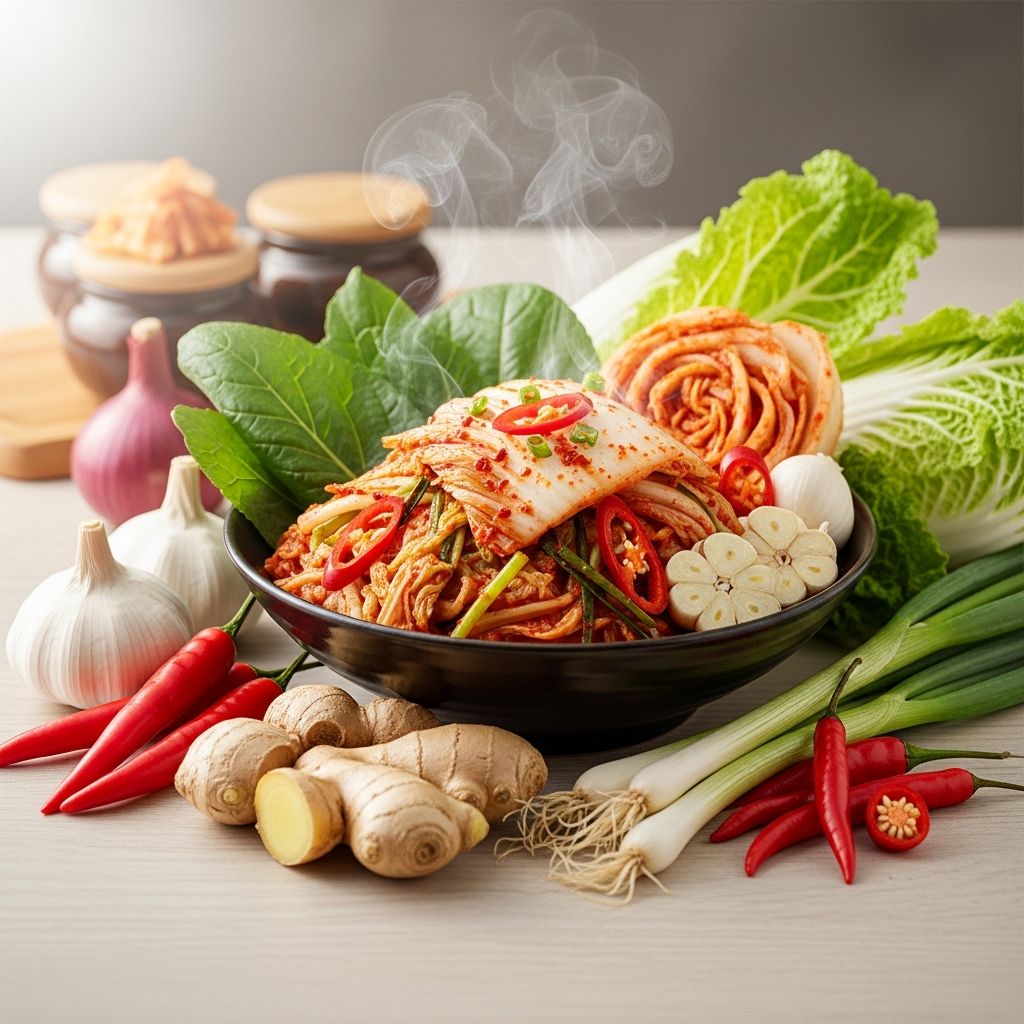
Kimchi, a traditional Korean fermented vegetable dish typically made from cabbage, radishes, and spices, has gained global popularity for its tangy flavor and impressive health profile. Packed with probiotics, vitamins, fiber, and antioxidants, kimchi supports gut health, reduces inflammation, and may aid in cholesterol management and weight control. This article explores what kimchi is, its nutritional value, key health benefits supported by research, and practical tips for incorporation into your diet.
What Is Kimchi?
Kimchi is a staple in Korean cuisine, referring to a broad category of fermented vegetables seasoned with ingredients like garlic, ginger, chili peppers, and fish sauce. The most common variety is baechu kimchi, made from napa cabbage, but it can include radishes, cucumbers, or green onions. Fermentation occurs through lactic acid bacteria, naturally present on vegetables, which convert sugars into lactic acid, preserving the food and creating beneficial probiotics.
The fermentation process not only enhances flavor—developing a spicy, sour tang—but also boosts nutrient bioavailability. Kimchi has been consumed for centuries in Korea for preservation during harsh winters, and modern science highlights its role as a functional food promoting health beyond basic nutrition.
Kimchi Nutrition Facts
A one-cup (150g) serving of kimchi provides approximately 23 calories, 4g carbohydrates, 2g fiber, 1g protein, and negligible fat. It’s rich in vitamins A, B6, C, and K, plus minerals like iron, folate, and selenium. The standout feature is its probiotic content, including strains like Lactobacillus plantarum and Leuconostoc mesenteroides, alongside antioxidants from red pepper and garlic.
| Nutrient | Amount per 1 Cup (150g) | % Daily Value* |
|---|---|---|
| Calories | 23 | 1% |
| Fiber | 2g | 7% |
| Vitamin C | 18mg | 20% |
| Vitamin K | 48mcg | 40% |
| Iron | 2.4mg | 13% |
| *Based on a 2,000-calorie diet. Probiotic content varies by fermentation time. | ||
Health Benefits of Kimchi
Supports Gut Health
Kimchi’s probiotics diversify the gut microbiome, potentially improving digestion, nutrient absorption, and immune function. A 2020 review of 19 studies found fermented foods like kimchi increase beneficial bacteria while countering inflammation-promoting strains fueled by processed foods. Research from Stanford showed daily fermented food consumers had greater microbial diversity and lower inflammation markers. In a study of 32 participants with Helicobacter pylori, 100g daily kimchi for 10 weeks reduced stomach inflammation and eradicated the bacteria in some cases. Probiotics also aid conditions like IBS by strengthening the intestinal barrier.
Reduces Inflammation
Chronic inflammation links to diabetes, heart disease, and arthritis. Kimchi’s antioxidants (e.g., β-carotene, vitamin C) and probiotics lower inflammatory proteins like interleukin-6. A small study reported 10 weeks of daily fermented foods decreased 19 inflammatory markers. Fermentation breaks down compounds into anti-inflammatory byproducts, supporting overall immune balance.
Supports Heart Health
Kimchi improves lipid profiles. A clinical trial with young adults consuming kimchi daily for 7 days showed dose-dependent reductions in total cholesterol, LDL-cholesterol, and fasting blood glucose (FBG). High-intake group saw 11% total cholesterol drop and 10.5% LDL drop, especially in those with elevated levels (>190mg/dL total, >130mg/dL LDL). Mechanisms include Lactobacillus binding cholesterol and bile acid deconjugation. These effects were profound even in healthy subjects, suggesting preventive benefits against CVD.
Related Stories



Aids Weight Management
Low-calorie (15 calories/100g) with high water and fiber content, kimchi promotes satiety. Small studies link fermented kimchi to reduced body fat percentage and blood sugar spikes. Its probiotics may regulate metabolism and reduce obesity-related inflammation. While not a ‘magic bullet,’ it fits healthy eating patterns for sustainable weight control.
Boosts Immunity
Vitamins C and A, plus probiotics, enhance immune response. Kimchi’s antimicrobial compounds from garlic and peppers combat pathogens. Animal studies show anti-tumor and immune-stimulating effects from bioactive compounds like HDMPPA. Human data supports reduced infection vulnerability via microbiome modulation.
Other Potential Benefits
- Antioxidant Protection: High in polyphenols and β-sitosterol, kimchi combats oxidative stress, potentially slowing aging and reducing cancer risk.
- Blood Sugar Control: Low glycemic index and fiber slow sugar absorption; trial showed FBG reductions.
- Mental Health: Gut-brain axis links suggest probiotics improve mood via serotonin production.
Potential Downsides of Kimchi
High sodium (700mg/cup) may concern those with hypertension; opt for low-sodium versions. Raw garlic/onions can cause bloating initially. Those with histamine intolerance or weakened immunity should consult doctors, as live bacteria may pose risks. Over-fermented kimchi loses probiotics.
How to Add More Kimchi to Your Diet
- Spoon atop rice bowls, salads, or eggs for probiotic boost.
- Stuff into sandwiches, tacos, or wraps.
- Blend into soups, stews, or fried rice.
- Top pizzas, burgers, or baked potatoes.
- Make kimchi fried rice or pancakes (jeon).
Start with 1/4–1/2 cup daily to build tolerance. Choose refrigerated, unpasteurized kimchi for live cultures.
Bottom Line: Is Kimchi Good for You?
Yes, kimchi is a nutritious addition to a balanced diet, offering probiotics for gut health, anti-inflammatory effects, better lipids, and more. Supported by clinical trials and reviews, its benefits shine in moderation. While more large-scale studies are needed, current evidence affirms its role in healthy eating.
Frequently Asked Questions (FAQs)
What are the top health benefits of kimchi?
Top benefits include improved gut microbiome, reduced inflammation, lower cholesterol and blood sugar, weight management support, and enhanced immunity.
Is kimchi high in sodium?
Yes, about 700mg per cup; choose low-sodium options if monitoring intake.
Can kimchi help with weight loss?
It supports satiety via fiber and low calories, with preliminary links to fat reduction, but pairs best with overall healthy habits.
How much kimchi should I eat daily?
1/2–1 cup provides benefits without excess sodium; adjust based on tolerance.
Is all kimchi probiotic-rich?
Only unpasteurized, refrigerated varieties; shelf-stable versions are often heat-killed.
References
- The Health Benefits of Kimchi — WeightWatchers (WW USA). 2023. https://www.weightwatchers.com/us/blog/food/kimchi-health-benefits
- Kimchi, a Fermented Vegetable, Improves Serum Lipid Profiles — PMC/NCBI (World Institute of Kimchi). 2013-03-15. https://pmc.ncbi.nlm.nih.gov/articles/PMC3598433/
- What Is Kimchi and What Are the Health Benefits? — ZOE. 2024. https://zoe.com/learn/what-is-kimchi
- The Health Benefits of Fermented Foods, From Kimchi to Kefir — Cedars-Sinai. 2023. https://www.cedars-sinai.org/stories-and-insights/healthy-living/the-health-benefits-of-fermented-food-from-kimchi-to-kefir
Similar Articles








Read full bio of medha deb