Health Benefits Of Kiwi: 7 Science-Backed Benefits
Discover the impressive health benefits of kiwi, from boosting immunity and digestion to supporting heart health and sleep.
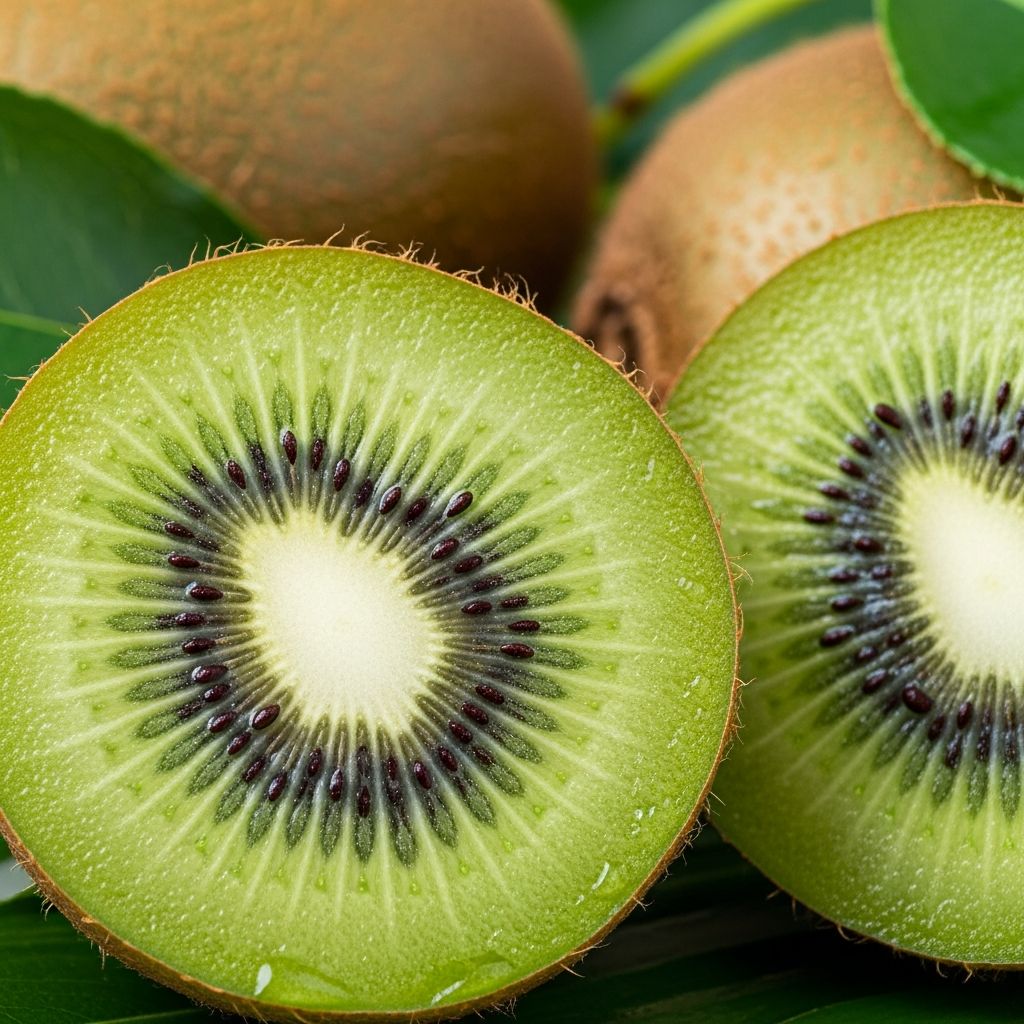
Kiwifruit, with its vibrant green flesh and tiny black seeds, is more than just a tasty snack—it’s a nutritional powerhouse loaded with vitamins, minerals, fiber, and antioxidants that deliver impressive health benefits. One medium kiwi provides over 70% of the daily recommended vitamin C, along with fiber, vitamin E, potassium, and unique enzymes like actinidin. Regular consumption of kiwi has been linked to improved digestion, stronger immunity, better heart health, and even enhanced sleep quality. This article dives into the science-backed advantages of adding kiwi to your diet, drawing from peer-reviewed studies and expert insights.
Kiwi Nutrition Facts
A single medium kiwi (about 69-80 grams) is low in calories (around 42-50 kcal) yet nutrient-dense. Key nutritional highlights include:
- **Vitamin C**: 64-93 mg (71-85% DV), acting as a potent antioxidant for immune support and collagen production.
- **Dietary Fiber**: 2-3 grams (both soluble and insoluble), promoting gut health and regularity.
- **Vitamin E**: 7-10% DV, supporting immune function and heart health.
- **Potassium**: 215-250 mg, aiding blood pressure regulation.
- **Folate and Vitamin K**: Essential for cell function and blood clotting.
- **Actinidin**: A proteolytic enzyme that aids protein digestion.
Kiwi also contains polyphenols, carotenoids, and chlorophyll, contributing to its high antioxidant capacity, which surpasses that of apples, bananas, and oranges in some measures. These nutrients make kiwi an excellent choice for overall wellness.
Health Benefits of Kiwi
1. Packed With Antioxidants That Fight Chronic Disease
Kiwi is rich in antioxidants like vitamins C and E, carotenoids (lutein, zeaxanthin), polyphenols (caffeic acid, chlorogenic acid), and chlorophyll. These compounds neutralize free radicals, reducing oxidative stress that contributes to chronic conditions such as cancer, type 2 diabetes, and heart disease. A 2018 review in the *European Journal of Nutrition* highlighted kiwi’s role in minimizing cellular damage from excess free radicals. Studies on over 17,000 adults showed diets high in carotenoids like those in kiwi correlate with lower depressive symptoms. For smokers, kiwi may reduce platelet buildup, lowering atherosclerosis risk.
2. Boosts Immune Function
Kiwi’s standout nutrient is vitamin C, with one fruit delivering up to 85% of the RDA for women and 71% for men, per NIH data. This water-soluble vitamin protects cells from oxidative damage, supports collagen synthesis, and enhances immune cell function. A 2012 study found that eating one kiwi daily for six weeks normalized vitamin C levels in deficient males, while two kiwis achieved saturation. Vitamin E in kiwi further bolsters immunity and reduces inflammation. Regular intake may help ward off colds and infections.
3. Promotes Healthy Digestion
Kiwi excels in digestive health due to its blend of soluble fiber (one-third), insoluble fiber (two-thirds), high water content, and actinidin enzyme. Soluble fiber forms a gel to ease diarrhea and regulate blood sugar, while insoluble fiber adds bulk to prevent constipation. A PMC review notes kiwi improves stool consistency, transit time, and reduces bloating in healthy individuals and those with IBS or constipation. It’s low FODMAP, suitable for sensitive guts, and actinidin aids protein breakdown in the stomach and intestines. Studies confirm two kiwis daily alleviate constipation effectively.
4. Supports Heart Health
Kiwi contributes to cardiovascular wellness through antioxidants, potassium, and fiber. Antioxidants prevent cholesterol oxidation, a precursor to plaque buildup. Soluble fiber binds cholesterol in the gut, excreting it and lowering blood levels, as noted by the American Heart Association. Potassium relaxes blood vessels, countering sodium to manage blood pressure. A 2022 trial showed kiwis reduced blood pressure and improved lipid profiles. Kiwi may also boost HDL cholesterol and lower triglycerides.
5. Aids in Asthma Relief and Eye Protection
The antioxidants in kiwi, especially vitamin C and carotenoids, may alleviate asthma symptoms by reducing airway inflammation. Lutein and zeaxanthin protect eyes from blue light and age-related macular degeneration. Regular consumption supports vision health.
Related Stories



6. Improves Sleep Quality
Eating two kiwis one hour before bed enhances sleep onset, duration, and efficiency, per a study on adults with sleep issues. This may stem from serotonin precursors like folate and antioxidants reducing oxidative stress.
7. Supports Healthy Blood Pressure and Cholesterol
Kiwi’s potassium and ACE-inhibiting compounds lower blood pressure. It promotes cholesterol balance by binding excess in the gut.
How to Select, Store and Eat Kiwi
Selecting Kiwi
Choose kiwis that yield slightly to gentle pressure—firm but not rock-hard. Avoid shriveled or bruised fruit. Green kiwis are tart; golden varieties are sweeter.
Storing Kiwi
Store at room temperature until ripe, then refrigerate up to a week. Ripen in a paper bag with bananas.
Eating Kiwi
Eat skin-on for extra fiber (if organic), or slice/scoop. Add to smoothies, salads, yogurt, or eat plain. Actinidin tenderizes meat in marinades.
Kiwi Recipes
- Kiwi Smoothie: Blend 2 kiwis, banana, yogurt, spinach, and almond milk for a vitamin C-packed breakfast.
- Kiwi Salsa: Dice kiwis, tomatoes, onions, cilantro, lime for a fresh topping on fish or chips.
- Kiwi Salad: Toss kiwis, greens, feta, nuts with balsamic vinaigrette.
- Baked Kiwi: Halve, sprinkle cinnamon, bake at 350°F for 10 minutes for a warm dessert.
Potential Risks and Considerations
Kiwi is safe for most, but those with latex-fruit syndrome may react due to cross-reactivity. Actinidin can cause oral irritation in rare cases; peel if sensitive. High vitamin C is fine unless you have kidney issues. Start with one daily if new to kiwi.
Frequently Asked Questions (FAQs)
Can you eat kiwi skin?
Yes, the fuzzy skin is edible and boosts fiber intake, but wash thoroughly and peel if texture bothers you.
Is kiwi good for digestion?
Absolutely—its fiber and actinidin relieve constipation and support gut health.
How much kiwi per day?
1-2 kiwis daily provide optimal benefits without excess.
Does kiwi help with sleep?
Studies show 2 kiwis before bed improve sleep quality.
Is golden kiwi healthier than green?
Golden has more vitamin C but similar profiles; both are excellent.
References
- 5 Health Benefits of Kiwis That Prove Size Doesn’t Matter — THE WELL. 2018. https://www.the-well.com/editorial/kiwi-health-benefits-nutrition
- Kiwi Benefits: Heart Health, Digestion, and More — Healthline. 2022. https://www.healthline.com/nutrition/kiwi-benefits
- Top 11 health benefits of kiwi fruit — BBC Good Food. 2023. https://www.bbcgoodfood.com/health/health-benefits-kiwi-fruit
- The nutritional and health attributes of kiwifruit: a review — PMC/NIH. 2018-10-15. https://pmc.ncbi.nlm.nih.gov/articles/PMC6267416/
- 6 Health Benefits of Kiwi — Cleveland Clinic. 2023. https://health.clevelandclinic.org/kiwi-benefits
Similar Articles








Read full bio of Sneha Tete