Oil Of Oregano: 10 Health Benefits, Uses, Risks
Discover the science-backed potential of oil of oregano for immune support, antimicrobial action, and more natural wellness benefits.
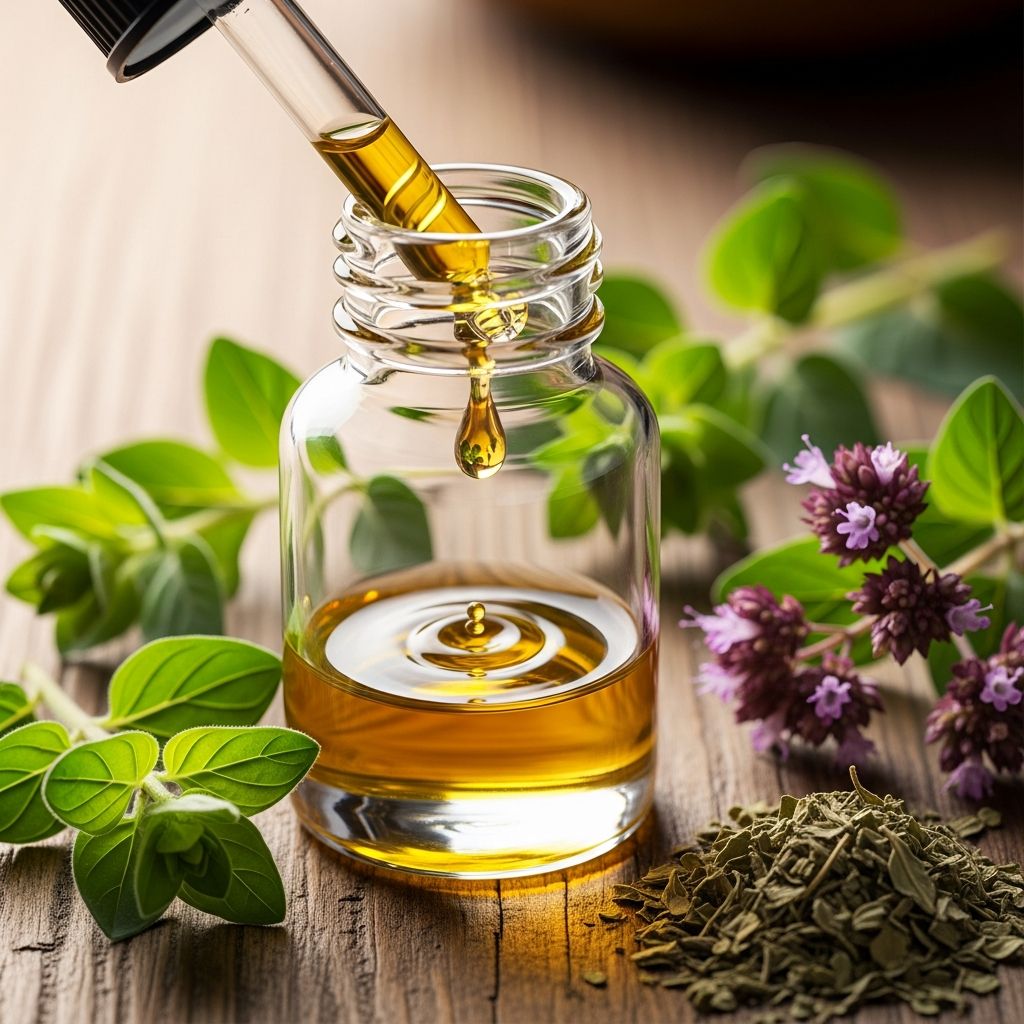
Oil of oregano, derived from the Origanum vulgare plant, has gained attention for its potent bioactive compounds like carvacrol and thymol, which contribute to antimicrobial, antioxidant, and anti-inflammatory effects. Traditionally used in folk medicine, modern research explores its potential to support immune function, respiratory health, digestion, and skin wellness, though more human trials are needed for definitive claims.
What Is Oil of Oregano?
Oil of oregano is a concentrated extract from the leaves and flowers of the oregano plant, a herb native to the Mediterranean region. It differs from oregano essential oil, which is more volatile and typically used topically when diluted, whereas oil of oregano supplements are often taken orally in capsule form. Key compounds include carvacrol (up to 80% in some varieties), responsible for antibacterial properties, and thymol, which offers antifungal and immune-supporting benefits. These phenols, terpenes, and rosmarinic acid provide antioxidant protection against free radicals.
Oregano oil is available as dietary supplements, tinctures, or essential oils. Unlike culinary oregano, the oil is highly potent—far more concentrated than fresh leaves—requiring careful dosing to avoid irritation.
Oil of Oregano vs. Oregano Essential Oil
While both originate from oregano, oil of oregano refers to diluted extracts safe for ingestion, often in softgels with olive oil carriers. Oregano essential oil is undiluted, steam-distilled, and primarily for aromatic or topical use after dilution with a carrier like coconut oil (1-2% concentration). Ingesting undiluted essential oil can cause gastrointestinal upset or toxicity.
| Aspect | Oil of Oregano | Oregano Essential Oil |
|---|---|---|
| Use | Oral supplements | Topical/aromatic (diluted) |
| Potency | Standardized (e.g., 50-80% carvacrol) | High (90-100% pure) |
| Safety | Generally safe orally per label | Never ingest undiluted |
Potential Health Benefits of Oil of Oregano
1. Antimicrobial Properties
Oil of oregano exhibits strong antimicrobial activity due to carvacrol and thymol, which disrupt bacterial cell membranes. Lab studies show effectiveness against Staphylococcus aureus (including MRSA), E. coli, Pseudomonas aeruginosa, and Candida albicans. A review confirms oregano essential oils’ broad-spectrum action beyond antibiotics, inhibiting bacterial, viral, and fungal growth.
In small intestine bacterial overgrowth (SIBO), herbal blends with oregano reduced bacterial loads and symptoms like bloating in clinical observations.
2. May Help Lower Cholesterol
Polyphenols in oregano oil, particularly carvacrol and thymol, may reduce total and LDL cholesterol. Animal studies on rabbits demonstrated cholesterol-lowering effects, suggesting potential cardiovascular benefits, though human data is limited.
3. Powerful Antioxidant Effects
Oregano oil surpasses many fruits and vegetables in antioxidant capacity, combating oxidative stress linked to aging, cancer, and heart disease. Rosmarinic acid and other phenols neutralize free radicals, protecting cells. Concentrated extracts provide efficient antioxidant support.
4. Could Help Treat Yeast Infections
Thymol’s antifungal properties target Candida species, common in yeast infections. In vitro research supports oregano oil’s inhibition of fungal growth, making it a natural adjunct for oral or topical candidiasis, pending more trials.
Related Stories



5. May Improve Gut Health
Antibacterial and antiparasitic effects help balance the gut microbiome. Studies on SIBO patients noted symptom relief (e.g., reduced bloating) with oregano-containing protocols. Anti-inflammatory actions soothe gut lining irritation.
6. Anti-Inflammatory Properties
Oregano oil modulates inflammation via NF-kB pathways, potentially aiding arthritis, muscle pain, and migraines. Carvacrol reduced inflammation markers in rheumatoid arthritis models, and human studies suggest pain relief benefits.
7. Respiratory Health Support
Antiviral and expectorant qualities may ease colds, coughs, and bronchitis. Over 60 compounds, including flavonoids, support respiratory defenses. Anecdotal use for common colds aligns with antimicrobial data.
8. Immune System Support
Antioxidants and antimicrobials bolster immunity, helping fight infections. Polyphenols manage oxidative stress, enhancing overall defense.
9. Pain Relief
Topical or oral use may alleviate muscle soreness, headaches, and joint pain through anti-inflammatory carvacrol.
10. Skin Health
Diluted oil combats acne, fungal infections, and aging via antioxidants. Studies show reduced pigmentation and wrinkles topically.
Other Potential Benefits
- Cancer Management: Antiproliferative effects in lab studies on tumor cells.
- Weight Loss: Carvacrol may reduce obesity markers.
How to Use Oil of Oregano
Oral: 1-3 drops in water or capsules (100-200 mg daily); start low. Cycle use (e.g., 10 days on/off).
Topical: Dilute 1-2 drops in 1 tsp carrier oil for skin/nails.
Inhalation: Steam with 1 drop for respiratory relief.
Consult a doctor before use, especially pregnant/breastfeeding.
Risks and Side Effects
Possible heartburn, allergic reactions, or skin burns if undiluted. Avoid in pregnancy, with blood thinners, or before surgery. Drug interactions with diabetes meds noted.
Frequently Asked Questions (FAQs)
Is oil of oregano a natural antibiotic?
Yes, carvacrol provides antibiotic-like effects against bacteria like E. coli and MRSA in studies, but it’s not a substitute for prescription antibiotics.
Can you take oil of oregano every day?
Short-term use is safest; long-term may disrupt gut flora. Follow label and consult a provider.
Does oil of oregano kill viruses?
Preliminary evidence suggests antiviral activity, potentially aiding colds, but more research is required.
Is oregano oil safe for skin?
Yes, when diluted; test patch first to avoid irritation.
How long does it take for oil of oregano to work?
Effects on infections may appear in days; digestive benefits in 1-2 weeks.
References
- The Top Benefits of Oregano Oil: Nature’s Potent Remedy — Rupa Health. 2023. https://www.rupahealth.com/post/the-top-benefits-of-oregano-oil-natures-potent-remedy
- 8 Benefits and Uses of Oregano Oil — Healthline (Medically reviewed by Debra Sullivan). 2025-06-02. https://www.healthline.com/nutrition/9-oregano-oil-benefits-and-uses
- Essential Oils of Oregano: Biological Activity beyond Their Antimicrobial Properties — PMC (PMC6152729). 2018. https://pmc.ncbi.nlm.nih.gov/articles/PMC6152729/
- 8 Potential Health Benefits of Oregano — Cleveland Clinic. 2023. https://health.clevelandclinic.org/oregano-benefits
- Oregano oil for cold: Does it work? — Medical News Today. 2023. https://www.medicalnewstoday.com/articles/oregano-oil-for-cold
Similar Articles








Read full bio of Sneha Tete