Health Benefits of Pecans: Nutrition & Wellness
Discover why pecans are a nutritional powerhouse for heart health, brain function, and overall wellness.
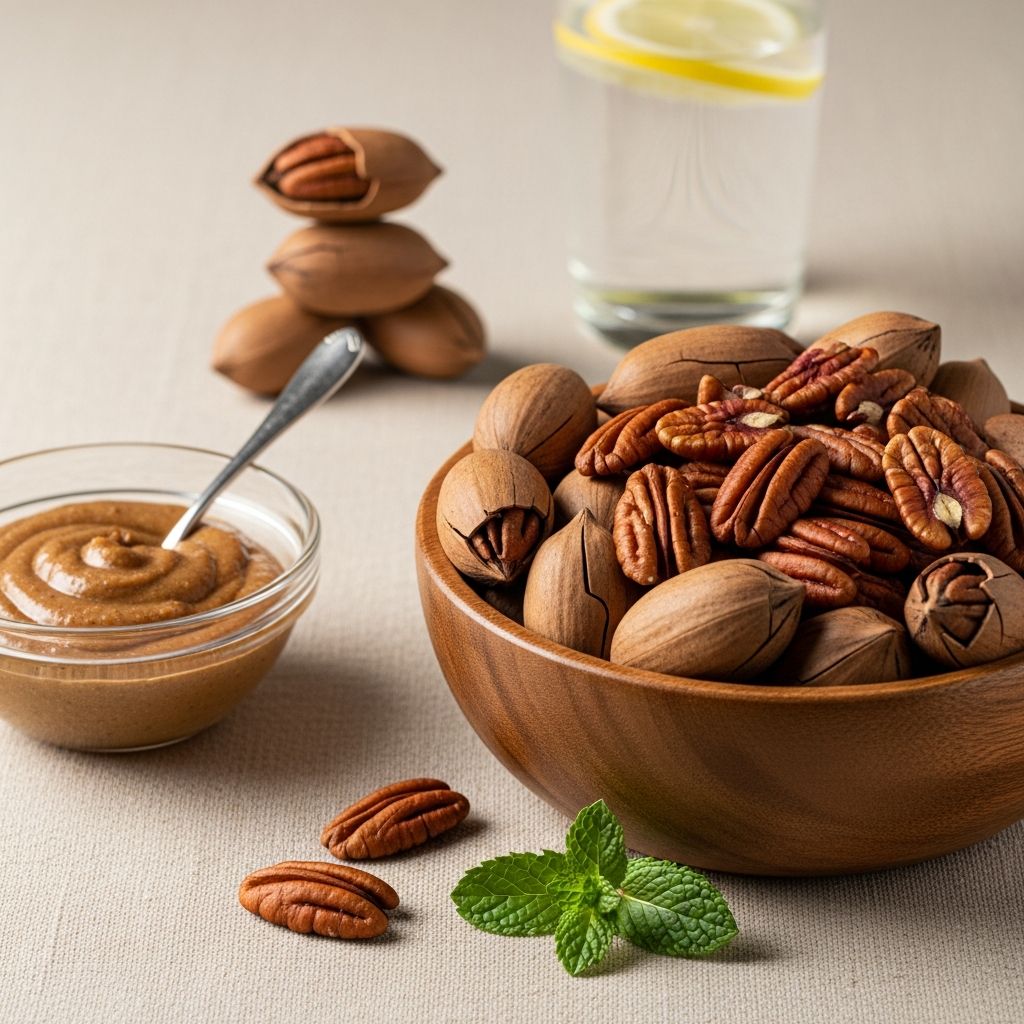
Health Benefits of Pecans: Why This Nutritional Powerhouse Deserves a Spot in Your Diet
Pecans are far more than just a delicious snack or a beloved ingredient in holiday desserts. These nutrient-dense nuts pack a remarkable nutritional profile that supports overall health and wellness. Whether you’re looking to improve your cardiovascular health, boost your cognitive function, or enhance your immune system, pecans offer a natural and delicious solution. Let’s explore the science-backed health benefits of pecans and discover why nutritionists recommend incorporating them into your daily diet.
The Nutritional Profile of Pecans
Pecans contain an impressive array of essential nutrients that make them stand out among tree nuts. Raw pecans deliver a powerful combination of protein, healthy fats, and fiber that work together to keep you energized and satisfied throughout the day. Beyond these macronutrients, pecans are rich in minerals including calcium, magnesium, phosphorus, and potassium, which support numerous bodily functions. Additionally, pecans contain important vitamins such as vitamin A, vitamin E, thiamine, and biotin, along with trace minerals like zinc and copper that play crucial roles in maintaining optimal health.
The fat content in pecans deserves special attention, as most of the fat found in these nuts is a healthy type that supports rather than hinders your health goals. Pecans contain significant amounts of oleic acid, a monounsaturated fat that provides the body with sustained energy while contributing to various health benefits. This unique composition makes pecans an excellent addition to a heart-healthy diet and a superior choice compared to many processed snack alternatives.
Heart Health and Cardiovascular Support
One of the most well-documented benefits of pecans is their positive impact on cardiovascular health. Pecans contain minerals essential for maintaining healthy blood pressure levels, including calcium, magnesium, and potassium. These minerals work synergistically to support proper heart function and vascular health, making pecans an excellent choice for individuals concerned about hypertension and cardiovascular disease.
Research has demonstrated that pecan-enriched diets can significantly improve markers of cardiovascular health. A randomized controlled trial found that participants who consumed pecans experienced lowered fasting levels of LDL cholesterol and non-high-density lipoprotein cholesterol compared to those who did not eat pecans. Additionally, pecan consumption was shown to reduce postprandial triglycerides—the fats circulating in your bloodstream after eating—which is an important marker of cardiovascular health.
More recent clinical evidence continues to support these findings. A single-blinded randomized controlled trial reported that consuming 57 grams of pecans daily for 12 weeks significantly decreased total cholesterol, LDL cholesterol, non-HDL cholesterol, and triglycerides in adults with metabolic syndrome risk factors. Another study involving older adults demonstrated that just four weeks of consuming 68 grams of pecans daily significantly reduced total cholesterol, LDL cholesterol, and various LDL particle measurements. These consistent results across multiple studies underscore the powerful cardiovascular benefits of regular pecan consumption.
Inflammation Reduction and Arthritis Relief
Inflammation is at the root of many chronic diseases, and pecans offer natural anti-inflammatory support. Pecans contain omega-3 fatty acids, which are well-known for their ability to ease inflammation and reduce joint pain associated with arthritis. Beyond omega-3 fats, pecans provide multiple compounds with anti-inflammatory properties, including magnesium, calcium, fiber, vitamin E, and zinc.
Related Stories



The anti-inflammatory effects of pecans have been scientifically validated through research. Studies have shown that pecan intake reduces low-grade inflammation that leads to chronic inflammation and the development of various prevalent diseases. This reduction in inflammatory markers may help individuals dealing with arthritis, autoimmune conditions, and other inflammatory disorders experience improved comfort and mobility. The polyphenols present in pecans have been identified as key compounds responsible for these anti-inflammatory benefits.
Weight Management and Metabolic Health
Despite their caloric content, pecans can be beneficial for weight management when consumed as part of a balanced diet. Healthy fats and fatty acids in pecans help trigger the satiety hormone ghrelin, which signals to your body that you feel satisfied and full after eating. This satiety effect can help reduce overall calorie intake throughout the day by preventing overeating and reducing cravings.
Beyond satiety, pecans support metabolic function through their copper and thiamine content. Copper plays essential roles in 50 different metabolic processes and is crucial for ATP production—the energy currency of your cells. Thiamine works alongside copper to enhance energy production and support efficient metabolism. These nutrients help boost ATP production, which captures chemical energy from food and delivers that energy throughout your body for optimal cellular function.
Recent research from Texas A&M AgriLife has provided compelling evidence that daily pecan consumption can prevent obesity and related health issues, even when consuming a high-fat diet. The study found that pecans increased energy expenditure, reduced dysbiosis (imbalanced gut bacteria), and decreased inflammation—all factors that contribute to obesity and metabolic dysfunction. The research confirmed that pecans modulate adipose tissue lipolysis and mitochondrial oxidative metabolism in the liver and skeletal muscle, supporting healthy weight management despite high dietary fat intake.
Disease Prevention and Immune Support
Pecans are loaded with compounds that strengthen your immune system and help your body fight off infections and repair cellular damage. Vitamin A, vitamin E, and zinc—all found abundantly in pecans—are critical nutrients for immune function. These antioxidant vitamins help neutralize free radicals and reduce oxidative stress, which can compromise immune function and accelerate aging.
Additionally, pecans provide folate, a B-vitamin that plays a crucial role in DNA synthesis and repair. By supporting proper DNA function, folate helps guard against mutations that might otherwise lead to cancer development. The antioxidant capacity of pecans has been scientifically measured, with studies showing that pecan intake increases antioxidant capacity and reduces oxidized LDL—a particularly harmful form of cholesterol.
Brain Health and Cognitive Function
As we age, maintaining cognitive function becomes increasingly important, and pecans may offer neuroprotective benefits. Pecans contain high levels of thiamine and copper, which work together to block free radical damage in the brain. These minerals are essential for optimal neurological function and may help reduce the risk of cognitive decline associated with aging.
Beyond thiamine and copper, pecans share beneficial polyphenols with berries, including proanthocyanidins and anthocyanins, which have been studied for their effects on brain function. A proanthocyanidin-rich diet can be neuroprotective and may reduce the risk of Alzheimer’s disease and other neurodegenerative diseases like Parkinson’s disease. Research has shown that older adults who consumed at least 10 grams of nuts daily were 40% less likely to experience poor cognition compared to those who consumed fewer nuts. This compelling statistic highlights the importance of nut consumption for brain health throughout the aging process.
Bone Health and Osteoporosis Prevention
Maintaining strong, healthy bones becomes increasingly important with age, particularly for women approaching or in menopause. Pecans contain phosphorus, an important mineral that promotes healthy bones and teeth. Beyond structural support, phosphorus helps maintain the body’s waste management system, reinforces bone density, and helps prevent muscle pain and cramping from exercise.
The oleic acid found in pecans also contributes to bone health by supporting nutrient absorption and reducing inflammation that might compromise skeletal integrity. By incorporating pecans into your regular diet, you can support your body’s natural bone maintenance processes and reduce the risk of osteoporosis and related fractures.
Breast Cancer Risk Reduction
The oleic acid in pecans serves multiple health functions, including potential cancer risk reduction. Research has identified oleic acid as a compound that may reduce the risk of breast cancer, making pecans a beneficial addition to a cancer-preventive diet. Combined with the folate content and antioxidant properties of pecans, regular consumption may contribute to a comprehensive cancer prevention strategy.
Blood Sugar Control and Diabetes Prevention
For individuals concerned about diabetes or those managing blood sugar levels, pecans offer metabolic benefits that support glucose control. Research has demonstrated that pecan interventions improved glucose tolerance and prevented pancreatic islet hypertrophy—enlargement of the insulin-producing cells in the pancreas. These benefits were observed even in high-fat diet scenarios, suggesting that pecans can help maintain healthy glucose metabolism regardless of overall dietary fat intake.
The study from Texas A&M confirmed that pecans help prevent diabetes despite high dietary fat consumption, suggesting these nuts work through multiple mechanisms to support healthy blood sugar regulation. The improved glucose tolerance and increased mitochondrial activity in skeletal muscle contribute to better insulin sensitivity and overall metabolic health.
Recommended Daily Intake and Serving Suggestions
Understanding how much pecans to consume is important for maximizing benefits while managing calorie intake. Based on clinical research, the recommended daily intake of pecans for health benefits ranges from approximately 57 to 68 grams daily—roughly equivalent to 12 to 16 whole pecans or about 1/4 to 1/2 cup. For individuals weighing around 60 kilograms (approximately 132 pounds), this translates to approximately 110 to 183 grams of pecan kernels daily or 22 to 38 whole pecans.
To incorporate pecans into your daily diet, consider these serving suggestions:
- Add a small handful of pecans to your morning oatmeal or breakfast cereal for added nutrition and crunch
- Mix chopped pecans into yogurt with fresh berries for a heart-healthy snack
- Include pecans in salads to add texture and nutritional value to your vegetables
- Use pecan butter as a spread on whole grain toast or as a base for smoothies
- Enjoy a small portion of raw pecans as a satisfying afternoon snack
- Add crushed pecans to baked goods like muffins or whole grain breads
- Mix pecans into grain bowls with vegetables and lean proteins
Storage and Selection Tips
To preserve the nutritional quality and flavor of pecans, proper storage is essential. Raw pecans should be stored in an airtight container in a cool, dark place or in the refrigerator to prevent rancidity, as the healthy fats in pecans can oxidize when exposed to heat and light. Properly stored pecans can maintain their nutritional integrity for several months. When selecting pecans, choose those that feel heavy for their size and show no signs of mold, discoloration, or unpleasant odors.
Frequently Asked Questions About Pecans
Q: How many pecans should I eat per day for health benefits?
A: Research suggests consuming 57 to 68 grams of pecans daily—approximately 12 to 16 whole pecans—provides significant health benefits. This amount has been used in clinical trials showing cardiovascular and metabolic improvements.
Q: Are pecans safe for people with nut allergies?
A: Pecans are tree nuts, not peanuts, but individuals with tree nut allergies should avoid them. Those with peanut allergies may be able to consume pecans safely, but should consult with their healthcare provider before introducing them into their diet.
Q: Can pecans help with weight loss?
A: Yes, despite their caloric content, pecans can support weight management through their healthy fats and satiety-promoting properties. They help trigger the hormone ghrelin, which signals fullness, and support efficient metabolism through copper and thiamine content.
Q: Are raw pecans better than roasted pecans?
A: Raw pecans retain more heat-sensitive nutrients, though lightly roasted pecans also offer substantial health benefits. Both forms contain the beneficial fats, minerals, and antioxidants that provide health advantages. Choose whichever form you prefer, as long as roasted varieties aren’t heavily salted or processed.
Q: How long does it take to see health benefits from eating pecans?
A: Clinical studies show measurable improvements in cholesterol levels and other markers within 4 to 12 weeks of consistent pecan consumption. However, the anti-inflammatory and antioxidant benefits begin immediately upon consumption.
Q: Can pecans interact with medications?
A: Pecans are a whole food and don’t typically interact with medications. However, if you’re taking blood thinners or other medications, consult your healthcare provider about incorporating larger quantities of pecans into your diet.
References
- Pecans: Health Benefits, Nutrients, and Recipes — WebMD. Accessed January 13, 2026. https://www.webmd.com/diet/health-benefits-pecans
- Adding Pecans To Your Diet Could Help Prevent Obesity And Reduce Inflammation — Texas A&M AgriLife. August 2, 2023. https://stories.tamu.edu/news/2023/08/02/adding-pecans-to-your-diet-could-help-prevent-obesity-and-reduce-inflammation/
- Pecans and Human Health: Distinctive Benefits of an American Nut — National Center for Biotechnology Information (NCBI). January 2025. https://pmc.ncbi.nlm.nih.gov/articles/PMC12694537/
- Learn How Pecans Are Good for You — Lane Southern Orchards. Accessed January 13, 2026. https://lanesouthernorchards.com/blogs/news/are-pecans-good-for-you
- Cardiovascular health: An important reason to eat pecans — The Academy of Nutrition and Dietetics. Accessed January 13, 2026. https://nutrition.org/cardiovascular-health-an-important-reason-to-eat-pecans/
Similar Articles








Read full bio of Sneha Tete