Health Benefits Of Pilates: 9 Key Advantages For Mobility
Discover how Pilates can transform your strength, flexibility, posture, and mental well-being for a healthier life.
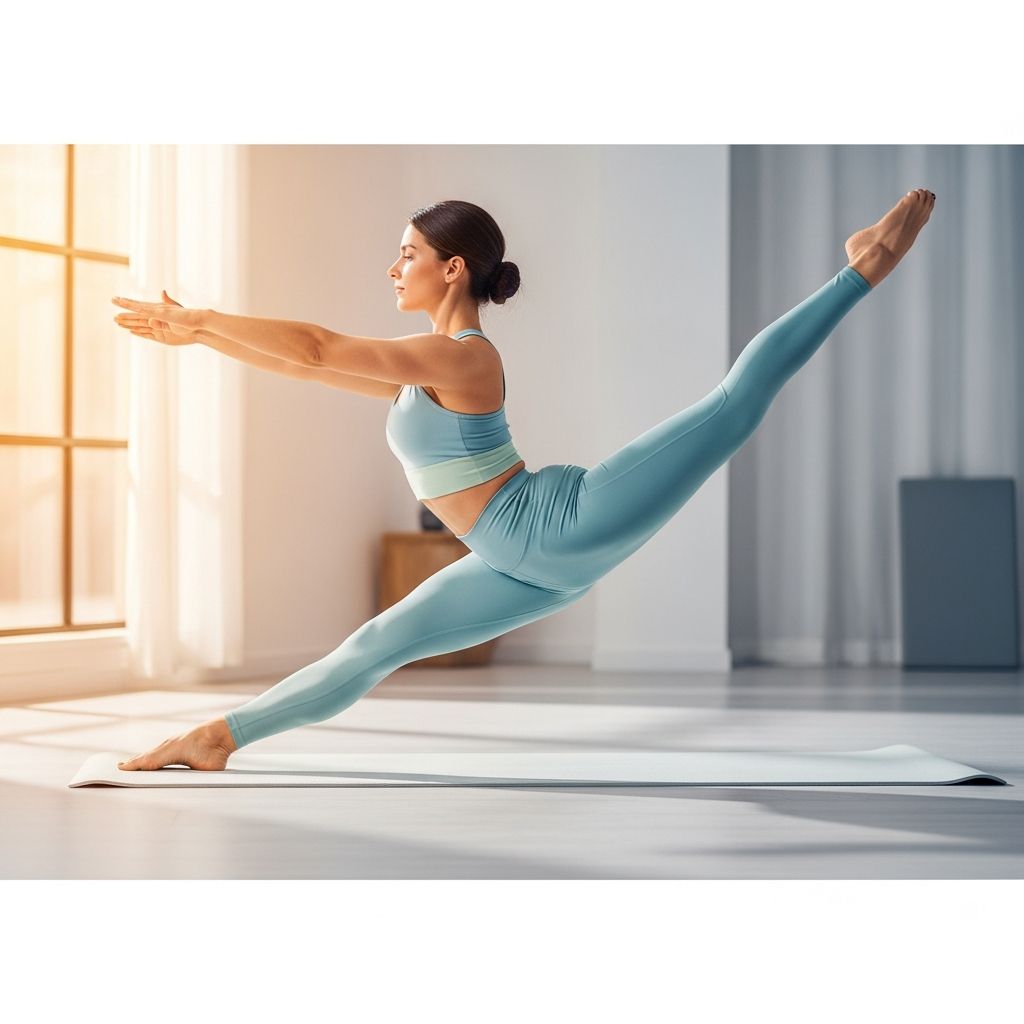
Pilates is a low-impact exercise system that strengthens the body while improving flexibility, balance, and posture. Developed over a century ago, it emphasizes controlled movements, proper breathing, and core engagement, making it suitable for all fitness levels.
What Is Pilates?
Pilates, created by Joseph Pilates in the early 20th century, is a mind-body practice focusing on core strength, stability, and precise movements. It uses body weight, mats, or equipment like reformers for resistance. Unlike high-intensity workouts, Pilates builds endurance through slow, deliberate exercises that target deep stabilizing muscles.
The method integrates six key principles: concentration, control, centering, breathing, precision, and flow. These promote muscular balance and efficiency, distinguishing Pilates from general strength training.
9 Health Benefits of Pilates
Research supports numerous Pilates benefits, from physical improvements to mental health gains. Here’s a detailed look at nine key advantages.
1. Improved Flexibility
Pilates elongates and stretches muscles, enhancing range of motion. Regular practice increases flexibility in the spine, hips, and limbs by targeting tight areas without straining joints.
Studies show participants gain noticeable flexibility after weeks of consistent sessions, aiding daily activities and reducing stiffness.
2. Increased Muscle Strength and Tone
Pilates excels at building strength in the core—abdominals, lower back, hips, and glutes—while toning the entire body. It promotes balanced development, preventing imbalances that lead to injury.
A study found older adults practicing Pilates for four weeks had significant core strength increases, outperforming traditional exercises in some metrics.
3. Better Posture
By strengthening deep core and spinal muscles like the transversus abdominis and lumbar multifidus, Pilates aligns the spine and corrects slouching. This supports the pelvis, diaphragm, and overall spinal health.
Improved posture enhances breathing, digestion, and circulation while reducing back pain risks.
4. Enhanced Balance and Fall Prevention
Pilates improves dynamic balance and gait, crucial for older adults. It strengthens lower limbs and stabilizes the trunk, lowering fall risks.
Research indicates weekly Pilates on a reformer boosts balance and mobility in 10 weeks for those over 65. The CDC notes falls cause over 100 daily deaths in seniors; Pilates counters this effectively.
5. Core Strength and Stability
Central to Pilates, core engagement stabilizes the spine and protects against injury. It improves muscular control of the back and limbs.
- Targets deep stabilizers for spinal support.
- Balances strength on both body sides.
- Enhances coordination and proprioception.
6. Injury Rehabilitation and Prevention
Pilates rehabilitates joint, spinal, and muscle injuries safely. It prevents musculoskeletal issues by addressing imbalances and improving coordination.
Ideal for back pain, it relieves symptoms through flexibility and alignment without high impact.
7. Improved Mental Health
Pilates reduces depression, anxiety, and stress via mindful breathing and focus, mimicking meditation. It boosts life satisfaction, mood, and quality of life.
Related Stories



A study on healthy adults confirmed reductions in psychological symptoms and stress-related behaviors. Mechanisms include autonomic nervous system modulation and endorphin release.
8. Bone Health and Chronic Disease Risk Reduction
Pilates may maintain bone density and lower risks of osteoporosis and chronic diseases. Mat Pilates reduces waist circumference and BMI more effectively than some resistance training.
It supports joint health and energy levels across ages.
9. Better Breathing and Circulation
Deep, diaphragmatic breathing in Pilates expands lung capacity, improves oxygenation, and aids relaxation. It relaxes shoulders, neck, and upper back.
How to Start Pilates
Begin with a qualified instructor to master form. Options include mat classes (no equipment), reformer sessions, or home videos. Start 2-3 times weekly for 30-60 minutes.
- Mat Pilates: Beginner-friendly, equipment-free.
- Reformer Pilates: Uses springs for resistance; great for rehab.
- Group vs. Private: Groups for fun; private for personalization.
Tips: Focus on breath, engage core, progress gradually. Consult a doctor if injured.
Pilates for Different Groups
For Older Adults
Pilates slows aging effects, building strength, balance, and emotional well-being. A 2022 review highlighted fall prevention and sleep improvements.
For Beginners
Low-impact nature makes it accessible. Builds awareness without overwhelm.
For Athletes
Enhances performance via core stability and injury prevention.
Potential Risks and Precautions
Generally safe, but improper form risks strain. Beginners should avoid self-teaching advanced moves. Those with injuries need professional guidance.
| Group | Benefits | Precautions |
|---|---|---|
| Older Adults | Balance, posture, bone health | Start slow, use support |
| Beginners | Strength, flexibility | Qualified instructor |
| Injured | Rehab, pain relief | Medical clearance |
Frequently Asked Questions (FAQs)
Is Pilates good for weight loss?
Pilates tones muscles and may reduce BMI, but combine with cardio and diet for significant loss.
How often should I do Pilates?
2-3 sessions weekly yield benefits; daily is possible for advanced practitioners.
What’s the difference between Pilates and yoga?
Pilates focuses on core precision and equipment; yoga emphasizes poses and meditation.
Can Pilates help with back pain?
Yes, by strengthening core and improving posture.
Do I need equipment for Pilates?
No, mat Pilates is effective; equipment adds challenge.
Sample Beginner Pilates Routine
- The Hundred: Lie on back, lift head/shoulders, pump arms while breathing deeply (10 breaths).
- Roll-Up: Sit to stand with control, engaging core.
- Single Leg Circle: Improve hip mobility and stability.
- Spine Twist: Enhance rotation and balance.
- Plank: Build full-core endurance.
Perform 8-10 reps each, 3 sets. Breathe steadily.
References
- Pilates – health benefits — Better Health Channel, Victoria Government. 2023. https://www.betterhealth.vic.gov.au/pilates-health-benefits
- 4 benefits of Pilates for older adults — UCLA Health. 2024-05-15. https://www.uclahealth.org/news/article/4-benefits-pilates-older-adults
- 6 Reasons to Start Pilates at Any Age — AARP. 2024. https://www.aarp.org/health/healthy-living/pilates-wellness-benefits/
- Benefits of Pilates on Depression, Anxiety, and Stress — National Library of Medicine, NIH. 2024. https://pmc.ncbi.nlm.nih.gov/articles/PMC11988874/
- Pilates 101: What It Is and Health Benefits — Cleveland Clinic. 2023-08-10. https://health.clevelandclinic.org/everything-you-want-to-know-about-pilates
Similar Articles








Read full bio of medha deb