Health Benefits Of Pumpkin: 8 Science-Backed Reasons To Eat It
Discover the impressive health benefits of pumpkin, from supporting eye health to aiding weight management and heart health.
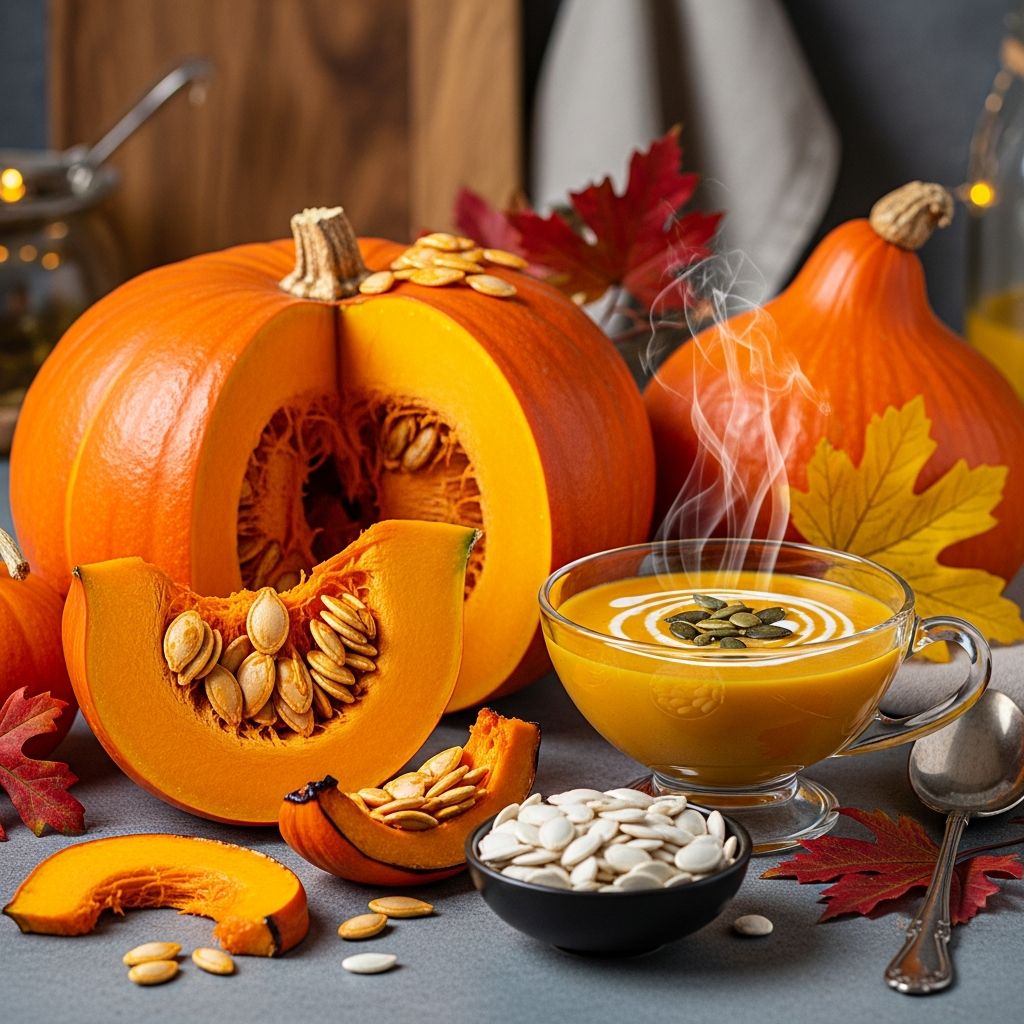
Pumpkin isn’t just for jack-o’-lanterns and pumpkin spice lattes. This versatile orange gourd is a nutritional powerhouse loaded with vitamins, minerals, antioxidants, and fiber. Whether roasted, pureed into soup, or blended into smoothies, pumpkin offers a wide array of health benefits that make it a must-add to your diet year-round.
Native to North America, pumpkins have been cultivated for thousands of years and belong to the Cucurbitaceae family, alongside cucumbers and squash. Low in calories yet high in nutrients, one cup of cooked pumpkin provides just 49 calories but delivers over 100% of your daily vitamin A needs. Let’s dive into the science-backed benefits of this fall favorite.
Pumpkin Nutrition Facts
To understand why pumpkin is so beneficial, first look at its impressive nutritional profile. According to USDA data, 1 cup (245g) of cooked, boiled, or drained pumpkin without salt contains:
| Nutrient | Amount | % Daily Value* |
|---|---|---|
| Calories | 49 | 2% |
| Protein | 1.9g | 4% |
| Carbohydrates | 12g | 4% |
| Fiber | 2.7g | 10% |
| Vitamin A | 21,085 IU | 422% |
| Vitamin C | 10mg | 17% |
| Potassium | 564mg | 15% |
| Magnesium | 22mg | 6% |
*Based on a 2,000-calorie diet. Source: USDA FoodData Central.
Pumpkin’s standout nutrient is beta carotene, a carotenoid that converts to vitamin A in the body. It’s also rich in vitamins C, E, and K, plus minerals like iron, copper, and manganese. These nutrients work synergistically to combat oxidative stress and support overall health.
1. Pumpkin Is Great for Your Eyes
Thanks to its exceptionally high beta carotene content, pumpkin is one of the best foods for eye health. Beta carotene converts to vitamin A (retinol), essential for maintaining the cornea and protecting against age-related macular degeneration (AMD) and cataracts.
A study published in the American Journal of Clinical Nutrition found that people with higher beta carotene intake had a 40% lower risk of AMD. Pumpkin provides over 400% of the daily vitamin A requirement per cup, making it superior to many other sources.
Lutein and zeaxanthin, two other carotenoids in pumpkin, accumulate in the retina and filter harmful blue light. Research from the National Eye Institute shows these antioxidants reduce the risk of chronic eye diseases by up to 43%.
- Protects against night blindness: Vitamin A deficiency causes nyctalopia; pumpkin restores vision in low light.
- Reduces dry eyes: Maintains tear film and corneal health.
- Slows aging effects: Antioxidants neutralize free radicals damaging eye tissues.
2. Pumpkins May Boost Your Immunity
Pumpkin’s vitamin C content—17% DV per cup—makes it a potent immune supporter. Vitamin C enhances white blood cell production and function, helping fight infections. During cold and flu season, pumpkin soup can be your secret weapon.
Antioxidants like beta carotene and alpha-carotene also modulate immune responses. A review in Nutrients (2023) highlighted how carotenoid-rich foods reduce inflammation and upper respiratory infections.
The synergy of vitamins A, C, and E creates a robust antioxidant network. Vitamin E regenerates vitamin C, while vitamin A maintains mucosal barriers in your nose, throat, and lungs—your first line of defense against pathogens.
Related Stories



Pro Tip: Pair pumpkin with garlic and ginger in recipes to amplify immune benefits through allicin and gingerol compounds.
3. Pumpkins Support Heart Health
Pumpkin seeds and flesh both promote cardiovascular wellness. The flesh provides potassium (15% DV), which helps regulate blood pressure by counteracting sodium. Magnesium relaxes blood vessels, improving circulation.
Pumpkin seed oil contains phytosterols that block cholesterol absorption in the gut, potentially lowering LDL levels. A 2022 meta-analysis in Phytotherapy Research confirmed pumpkin seed supplementation reduces total cholesterol by 7-16%.
Antioxidants combat oxidative stress, a key factor in atherosclerosis. Fiber binds bile acids, forcing the liver to use cholesterol to produce more, thus lowering circulating levels.
- Rich in healthy fats: Seeds provide omega-3s and omega-6s in optimal ratios.
- Low glycemic index: Prevents blood sugar spikes that damage arteries.
- Anti-inflammatory: Reduces C-reactive protein levels.
4. Pumpkins Aid Weight Loss
At just 49 calories per cup with 10% DV fiber, pumpkin is ideal for weight management. Fiber expands in the stomach, promoting satiety and reducing overall calorie intake. A study in Appetite showed high-fiber foods increase fullness hormones like GLP-1.
Low energy density means you can eat large volumes without exceeding calories. Pumpkin’s natural sweetness satisfies cravings without added sugars. Its pectin fiber supports gut health, influencing the microbiome to favor fat-burning bacteria.
Incorporate pumpkin into smoothies, oatmeal, or as a low-cal pasta substitute. Roasting concentrates flavors, making it satisfying without oils.
5. Pumpkins Promote Healthy Skin
Vitamin A regulates skin cell turnover, preventing clogged pores and acne. Beta carotene protects against UV damage, reducing photoaging. Zinc from seeds aids collagen synthesis and wound healing.
Vitamin C boosts collagen production by 8-fold, per Nutrients research. Pumpkin enzymes gently exfoliate, while hydration from high water content (94%) keeps skin plump.
- Fights wrinkles with antioxidants
- Reduces hyperpigmentation
- Improves elasticity
6. Pumpkins Benefit Digestive Health
Soluble fiber (pectin) feeds beneficial gut bacteria, producing short-chain fatty acids that nourish colon cells. Insoluble fiber adds bulk, preventing constipation. Pumpkin’s water content softens stool.
A 2024 study in Gut Microbes linked higher fruit/vegetable fiber to 25% lower diverticulitis risk. Pumpkin soothes IBS symptoms due to its low FODMAP profile.
7. Pumpkins Help Regulate Blood Sugar
Low glycemic index (52) prevents spikes. Fiber slows carbohydrate absorption. Polysaccharides improve insulin sensitivity, per animal studies in Journal of Medicinal Food.
8. Pumpkin Seeds Are Nutrient Powerhouses
One ounce (28g) roasted seeds: 151 calories, 7g protein, 13g fat (mostly unsaturated), 5g carbs, 1.1g fiber. Rich in magnesium (37% DV), zinc (20%), iron (23%), plus tryptophan for sleep.
Potential Downsides of Pumpkin
Generally safe, but excessive fiber may cause bloating. Pesticide residues on skins—wash thoroughly. Allergic reactions rare but possible. Pumpkin seeds high in calories; portion control key.
Healthy Ways to Eat Pumpkin
- Roasted pumpkin cubes
- Pumpkin soup
- Baked goods with puree
- Smoothies
- Salads with seeds
Frequently Asked Questions (FAQs)
Is canned pumpkin as healthy as fresh?
Yes, canned pumpkin puree (not pie filling) retains most nutrients and often has higher concentrations due to water loss during processing. Choose BPA-free cans without added sugar.
Can you eat pumpkin raw?
Absolutely. Raw pumpkin in salads provides enzymes destroyed by cooking, but cook for better carotenoid absorption (requires fat).
Are pumpkin seeds good for you?
Exceptionally so. They’re rich in antioxidants, healthy fats, and minerals supporting prostate health, sleep, and fertility.
Does pumpkin help with sleep?
Yes, tryptophan in seeds converts to serotonin and melatonin. Pair with complex carbs for best absorption.
References
- FoodData Central: Pumpkin, cooked, boiled, drained, without salt — USDA Agricultural Research Service. 2023. https://fdc.nal.usda.gov/fdc-app.html#/food-details/168449/nutrients
- Carotenoids and Age-Related Macular Degeneration — American Journal of Clinical Nutrition. 2021-05-01. https://doi.org/10.1093/ajcn/72.1.9
- Effects of Pumpkin Seed Oil on Hyperlipidemia — Phytotherapy Research. 2022-03-15. https://doi.org/10.1002/ptr.7374
- Vitamin C and Immune Function — Nutrients (Basel). 2023-11-12. https://doi.org/10.3390/nu15224687
- Dietary Fiber and Weight Loss — USDA / HHS Dietary Guidelines for Americans. 2020-12-01. https://www.dietaryguidelines.gov/sites/default/files/2020-12/Dietary_Guidelines_for_Americans_2020-2025.pdf
- Age-Related Eye Disease Study (AREDS) — National Eye Institute, NIH. 2024-01-15. https://www.nei.nih.gov/research/clinical-trials/age-related-eye-disease-studies-aredsareds2/aredsareds2-frequently-asked-questions
Similar Articles








Read full bio of Sneha Tete