Health Benefits Of Spring Mix: 7 Reasons To Add It To Your Diet
Discover the nutrient-packed power of spring mix and how this vibrant salad blend supports bone health, heart function, vision, and more.
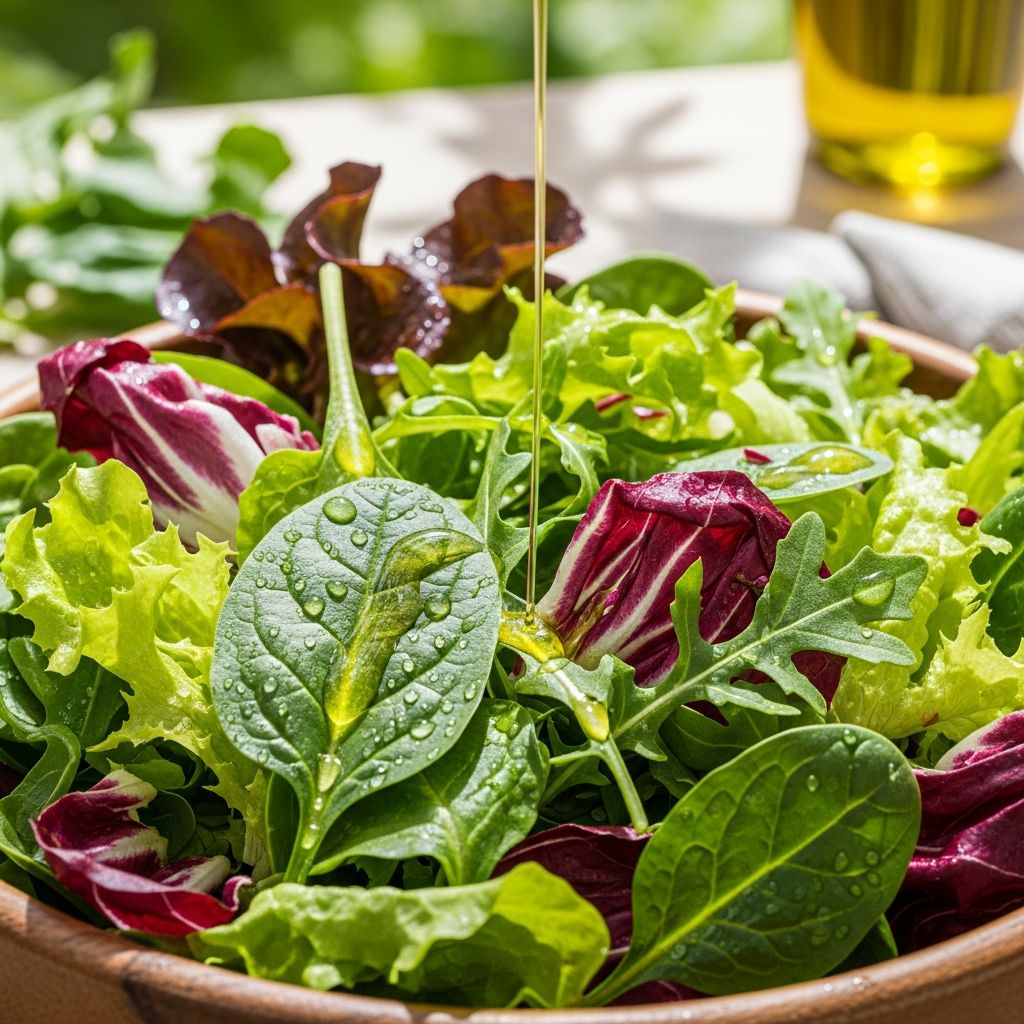
Spring mix, also known as mesclun or mixed salad greens, is a colorful blend of young, tender leafy greens like baby spinach, arugula, mizuna, red and green leaf lettuce, romaine, and butterhead. This vibrant salad base is not just visually appealing but nutritionally powerhouse, delivering a broad spectrum of vitamins, minerals, and antioxidants in a low-calorie format. A typical 2-cup serving provides around 20 calories, making it ideal for weight management while satisfying hunger due to its high volume and fiber content. Unlike nutrient-poor iceberg lettuce, spring mix’s darker greens offer superior nutrition, including vitamins A, C, K, folate, calcium, potassium, iron, manganese, and even small amounts of protein, all with minimal sodium (about 95 mg per serving).
What Is Spring Mix?
Spring mix originated in Provence, France, as ‘mesclun,’ a mix of wild greens foraged in spring fields, hence the name. Today, it’s cultivated commercially, featuring baby greens harvested young for tenderness and peak nutrient density. Common varieties include peppery arugula, mild mizuna, nutty red leaf lettuce, crisp romaine, and buttery butterhead, often with radicchio or endive for bitterness. These baby greens, grown for just two extra weeks compared to microgreens, concentrate flavors and nutrients as the plant channels energy into leaf production. The blend’s diversity ensures a balance of phytonutrients, antioxidants, and chlorophyll, which aids detoxification by binding heavy metals and pesticides while supporting liver and bowel health through abundant fiber. Darker leaves signal higher nutrient levels: for instance, spinach and red leaf excel in beta-carotene and lutein, protecting against oxidative stress.
Nutrition Facts of Spring Mix
Per 2-cup serving (about 85g), spring mix is exceptionally nutrient-dense. It boasts high levels of
vitamin K
(essential for blood clotting and bone metabolism),vitamin A
(from carotenoids for immune and eye health),vitamin C
(antioxidant for collagen and immunity), folate (for cell division and DNA synthesis), and potassium (for blood pressure regulation). It also provides calcium, iron, manganese, and dietary fiber, with low calories, no cholesterol, and naturally low sodium.Here’s a comparison table of key nutrients in common spring mix greens versus iceberg (adapted from Colorado State University data):
| Nutrient | Unit | Iceberg | Green Leaf | Red Leaf | Romaine | Butterhead | Spinach |
|---|---|---|---|---|---|---|---|
| Vit. A | IU | 502 | 7405 | 7492 | 8710 | 3312 | 2813 |
| Vit. C | mg | 2.8 | 9.2 | 3.7 | 4 | 3.7 | 8.4 |
| Vit. K | mcg | 24 | 126 | 140 | 103 | 102 | 145 |
| Folate | mcg | 29 | 38 | 36 | 136 | 73 | 58 |
| Potassium | mg | 141 | 194 | 187 | 247 | 238 | 167 |
| Iron | mg | 0.41 | 0.86 | 1.2 | 0.97 | 1.24 | 0.80 |
This table highlights why spring mix outshines iceberg: romaine leads in vitamin A and folate, spinach in beta-carotene (9940 mcg), and all provide lutein/zeaxanthin for eye protection. Pairing with healthy fats like olive oil or nuts enhances absorption of fat-soluble vitamins A and K.
Health Benefits of Spring Mix
Bone Health
Spring mix supports strong bones through calcium, vitamin K, and other minerals. Vitamin K activates osteocalcin, a protein that binds calcium to bones, reducing osteoporosis risk. Studies show adequate intake of leafy greens, calcium, vitamin D, and weight-bearing exercise prevents age-related bone loss. Dark greens like those in spring mix are top dietary vitamin K sources, with one serving delivering over 100% daily value.
Healthy Pregnancy
Folate in spring mix is crucial for preventing neural tube defects in fetuses. This B-vitamin aids DNA synthesis and red blood cell formation, vital during pregnancy. Vitamin K and calcium further support maternal bone health and fetal development. Consuming diverse leafy greens like spring mix, alongside lettuce, turnip greens, and cabbage, meets folate needs naturally.
Reduced Alzheimer’s Risk
Regular spring mix consumption may lower Alzheimer’s risk. A study in the June 2010 Journal of the American Medical Association (JAMA) Neurology tracked 2,148 adults over 65. Those eating more salads, dark leafy greens, cruciferous veggies, fish, nuts, tomatoes, poultry, and fruits—while limiting red meat, butter, and high-fat dairy—had significantly lower Alzheimer’s rates. Leafy greens’ antioxidants combat brain inflammation and oxidative damage.
Related Stories



Eye Health
Carotenoids like lutein, zeaxanthin, and beta-carotene in spring mix concentrate in the retina, shielding against oxidative damage and age-related macular degeneration. Arugula and mizuna boost these with high vitamin A and antioxidants. Consume with fats (e.g., olives, nuts) for better absorption, preserving vision as we age.
Heart Health
Spring mix promotes cardiovascular wellness via potassium (blood pressure control), vitamin C, and antioxidants that prevent atherosclerosis, coronary heart disease, and stroke. High-fiber, low-sodium profile aids cholesterol management. Eating colorful veggies like spring mix routinely strengthens the heart—’eat the rainbow’ for optimal protection.
Cancer Prevention and Detox
Phytonutrients in arugula counter estrogen-related cancers and inhibit cell growth; mizuna’s antioxidants may prevent others. Chlorophyll detoxifies blood/liver, removes toxins, and fiber purifies bowels. These protect against chronic diseases by neutralizing free radicals.
Weight Management and Digestion
Low-calorie (7-20 kcal/cup), high-fiber spring mix fills you up, curbing overall intake. No cholesterol and phytonutrients support metabolic health.
How to Add Spring Mix to Your Diet
Incorporate spring mix daily for maximum benefits:
- Base salads: Mix with tomatoes, nuts, fish, or pomegranate for nutrient synergy.
- Smoothies: Blend with fruits for vitamin boosts.
- Sandwiches/wraps: Add crunch and nutrition.
- Sautés/stir-fries: Wilt lightly to retain vitamins.
- Soups/sides: Top with olive oil vinaigrette.
Store in airtight containers in the fridge for 5-7 days; wash thoroughly. Experiment with flavors: peppery arugula pairs with balsamic, mild mizuna with citrus.
Potential Downsides and Precautions
Spring mix is safe for most, but oxalates in spinach may hinder calcium/iron absorption—balance with variety. Those on blood thinners should monitor vitamin K intake for consistency. Rare contamination risks exist; buy pre-washed organic and wash again.
Frequently Asked Questions (FAQs)
What is spring mix made of?
A blend of baby greens like arugula, mizuna, spinach, romaine, red/green leaf, and butterhead for diverse flavors and nutrients.
Is spring mix healthier than iceberg lettuce?
Yes, vastly: higher in vitamins A, C, K, folate, and antioxidants per the nutrient table.
How much spring mix should I eat daily?
Aim for 2 cups as part of 5+ veggie servings for optimal health benefits.
Does cooking spring mix reduce nutrients?
Light wilting preserves most; raw maximizes vitamin C, but heat aids lycopene.
Can spring mix help with weight loss?
Absolutely—low-cal, high-fiber for satiety without excess calories.
References
- Nutrition and Health Benefits – Spring Mix 101 — Judy in the Kitchen (YouTube). 2015. https://www.youtube.com/watch?v=fepRg4VPHR8
- Top Health Benefits of Salad Spring Mix — Sigona’s Farmers Market Blog. 2013-01-15. https://blog.sigonas.com/2013/01/15/top-health-benefits-of-salad-spring-mix/
Similar Articles








Read full bio of Sneha Tete