Sunflower Oil: 5 Health Benefits, Uses, And Skin Tips
Discover the heart-healthy fats, vitamin E, and versatile uses of sunflower oil for cooking, skin care, and overall wellness.
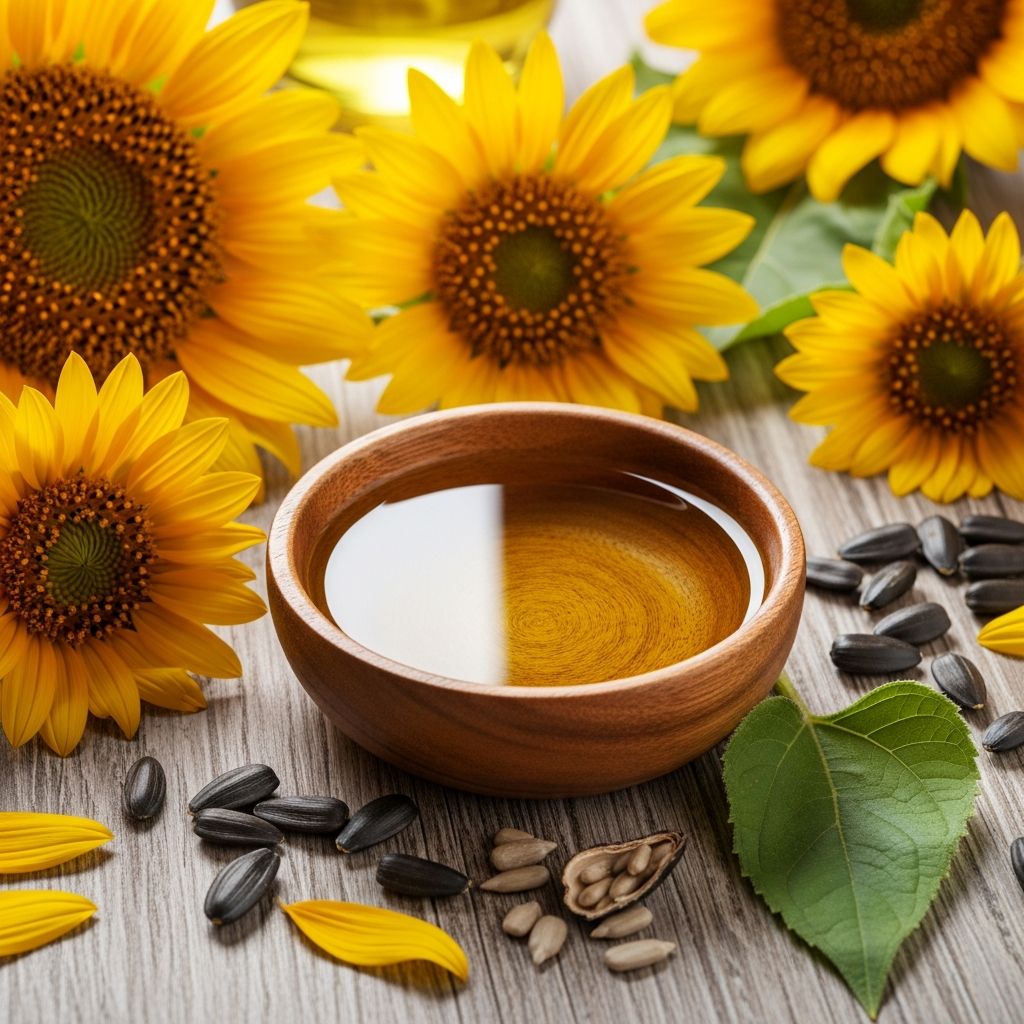
Sunflower oil, extracted from sunflower seeds, is a versatile cooking fat praised for its neutral flavor, high smoke point, and nutrient profile rich in unsaturated fats and vitamin E. Available in varieties like high-linoleic, mid-oleic (NuSun), and high-oleic, it supports heart health, skin vitality, and more when used appropriately.
What Is Sunflower Oil?
Sunflower oil is derived from the seeds of the sunflower plant (Helianthus annuus), primarily grown in regions like Ukraine, Russia, and the United States. It has been used for centuries in food, medicine, and skincare due to its composition of essential fatty acids that the body cannot produce. Modern processing yields refined oil ideal for frying, while cold-pressed versions preserve more nutrients for dressings.
Its popularity stems from a mild taste that doesn’t overpower dishes and stability at high temperatures, making it suitable for everyday cooking. Nutritionally, one tablespoon (14g) provides about 120 calories, all from 14g of fat, with no carbs, protein, or cholesterol.
Sunflower Oil Nutrition Facts
Sunflower oil is 100% fat, predominantly unsaturated, and a potent source of vitamin E (alpha-tocopherol), delivering up to 41mg per tablespoon—over 270% of the daily value (DV). It contains no sodium, cholesterol, or carbs, positioning it as a clean energy source.
Key nutrients per 1 tablespoon (14g):
- Calories: 120-124 kcal
- Total Fat: 14g
- Saturated Fat: 1-1.4g (low, ~10% of total fat)
- Monounsaturated Fat (MUFA): Varies by type; 2.7-11g
- Polyunsaturated Fat (PUFA): 0.5-9.2g, mainly omega-6 linoleic acid
- Vitamin E: 6-10.2mg (40-274% DV)
- Vitamin K: ~5.4μg (5% DV)
It also includes phytochemicals like choline, phenolic acids, and carotenoids with antioxidant properties.
Types of Sunflower Oil
Sunflower oil varies by fatty acid dominance, affecting stability, shelf life, and health benefits. High-oleic types are most stable for cooking.
| Type | Saturated Fat | MUFA (Oleic) | PUFA (Linoleic) | Best Use |
|---|---|---|---|---|
| High-Linoleic | 1g | 3g | 9g | Salad dressings |
| Mid-Oleic (NuSun) | 1g | 8g | 4g | General cooking |
| High-Oleic | 1g | 11g | 0.5g | Frying, high heat |
Data per 1 tbsp (15mL); high-oleic is preferred for its heart-healthy profile and resistance to oxidation.
Potential Health Benefits of Sunflower Oil
1. Promotes Heart Health
Rich in MUFAs like oleic acid and PUFAs like linoleic acid, sunflower oil helps lower LDL (bad) cholesterol and triglycerides while raising HDL (good) cholesterol. The FDA endorses claims that oils with ≥70% oleic acid reduce coronary heart disease risk. Studies show diets with high-oleic sunflower oil for 8-10 weeks significantly improve lipid profiles.
The American Heart Association recommends 5-10% of calories from linoleic acid (100-200 kcal on a 2,000-calorie diet), which sunflower oil provides effectively. Phytochemicals like choline and phenolic acids further support cardiovascular balance without trans fats.
Related Stories



2. Antioxidant Protection with Vitamin E
Vitamin E in sunflower oil acts as a fat-soluble antioxidant, shielding cells from oxidative damage, supporting immune function, and potentially reducing chronic disease risk. One serving meets most adults’ needs. This tocopherol content aids skin health and may lower inflammation.
3. Supports Skin Health
Topically, sunflower oil’s vitamin E and linoleic acid hydrate skin, repair barriers, and combat bacteria due to its non-comedogenic nature. It’s absorbed quickly without greasiness, promoting cell repair akin to antioxidants. Internally, essential fatty acids maintain skin integrity and eye health.
4. Boosts Energy and Immune Function
Unsaturated fats provide quick energy via glycogen release from the liver. Linoleic acid strengthens cell membranes against viruses, enhancing immunity. Low saturated fat content aids metabolic health.
5. High Smoke Point for Healthy Cooking
With a smoke point of 440-450°F (high-oleic), it resists breakdown during frying, minimizing harmful compounds and preserving flavor.
Sunflower Oil vs. Other Oils
| Oil (1 tbsp) | Sat Fat | MUFA | PUFA | Vit E (mg) | Smoke Point (°F) |
|---|---|---|---|---|---|
| Sunflower (High-Oleic) | 1g | 11g | 0.5g | 10+ | 450 |
| Olive | 2g | 10g | 1.5g | 1.9 | 410 |
| Canola | 1g | 9g | 4g | 2.4 | 400 |
| Coconut | 12g | 1g | 0g | 0.1 | 350 |
Sunflower excels in vitamin E and heat stability; opt for high-oleic over high-PUFA types to avoid omega-6 excess.
Downsides and Precautions
High-linoleic varieties are prone to oxidation, potentially increasing inflammation if overheated. Excessive omega-6 without omega-3 balance may promote inflammation—aim for variety in fats. Refined oils lose some antioxidants; choose cold-pressed for max benefits. Those with seed allergies should avoid. Moderation is key: 1-2 tbsp daily fits most diets.
How to Use Sunflower Oil
- Cooking: Sauté, fry, bake; high-oleic for high heat.
- Dressings: Mix with vinegar for salads.
- Skincare: Apply as moisturizer or carrier oil.
- Baking: Substitute for butter to cut saturated fat.
Store in cool, dark places to prevent rancidity.
Frequently Asked Questions (FAQs)
Is sunflower oil good for heart health?
Yes, especially high-oleic types rich in MUFAs lower LDL and raise HDL, per FDA and AHA reviews.
Which is healthier: high-oleic or high-linoleic sunflower oil?
High-oleic is healthier for cooking due to stability and heart benefits; high-linoleic suits cold uses.
Does sunflower oil cause inflammation?
High omega-6 can if unbalanced, but moderate use with omega-3s mitigates this.
Can I use sunflower oil for skin?
Absolutely; its vitamin E and fatty acids hydrate and protect without clogging pores.
What’s the smoke point of sunflower oil?
440-450°F for high-oleic, ideal for frying.
How much vitamin E is in sunflower oil?
Up to 41mg per tbsp, exceeding daily needs.
This guide synthesizes evidence-based insights; consult professionals for personalized advice. (Word count: 1678)
References
- Sunflower Oil: Is It Good for You? — WebMD. 2023. https://www.webmd.com/diet/sunflower-oil-good-for-you
- Benefits of Sunflower Oil — Cleveland Kitchen. 2023. https://www.clevelandkitchen.com/blog/benefits-of-sunflower-oil
- Is Sunflower Oil Healthy? Nutrition Facts, Safety, and What to Eat — Zero Acre Farms. 2024. https://www.zeroacre.com/blog/is-sunflower-oil-healthy
- Is Sunflower Oil Healthy? — Healthline. 2024-01-15. https://www.healthline.com/nutrition/is-sunflower-oil-healthy
- Is Sunflower Oil Good for You or Should You Avoid It? — Prevention. 2025-06-20. https://www.prevention.com/food-nutrition/a65078986/is-sunflower-oil-good-for-you/
- Nutritional Characteristics Assessment of Sunflower Seeds, Oil and Press-Cake — PMC (NCBI). 2021-11-10. https://pmc.ncbi.nlm.nih.gov/articles/PMC8619027/
Similar Articles








Read full bio of Sneha Tete