Health Benefits Of Sweet Potatoes: 8 Nutrient-Packed Reasons
Discover the impressive health benefits of sweet potatoes, from boosting eye health to supporting heart function and managing blood sugar levels.
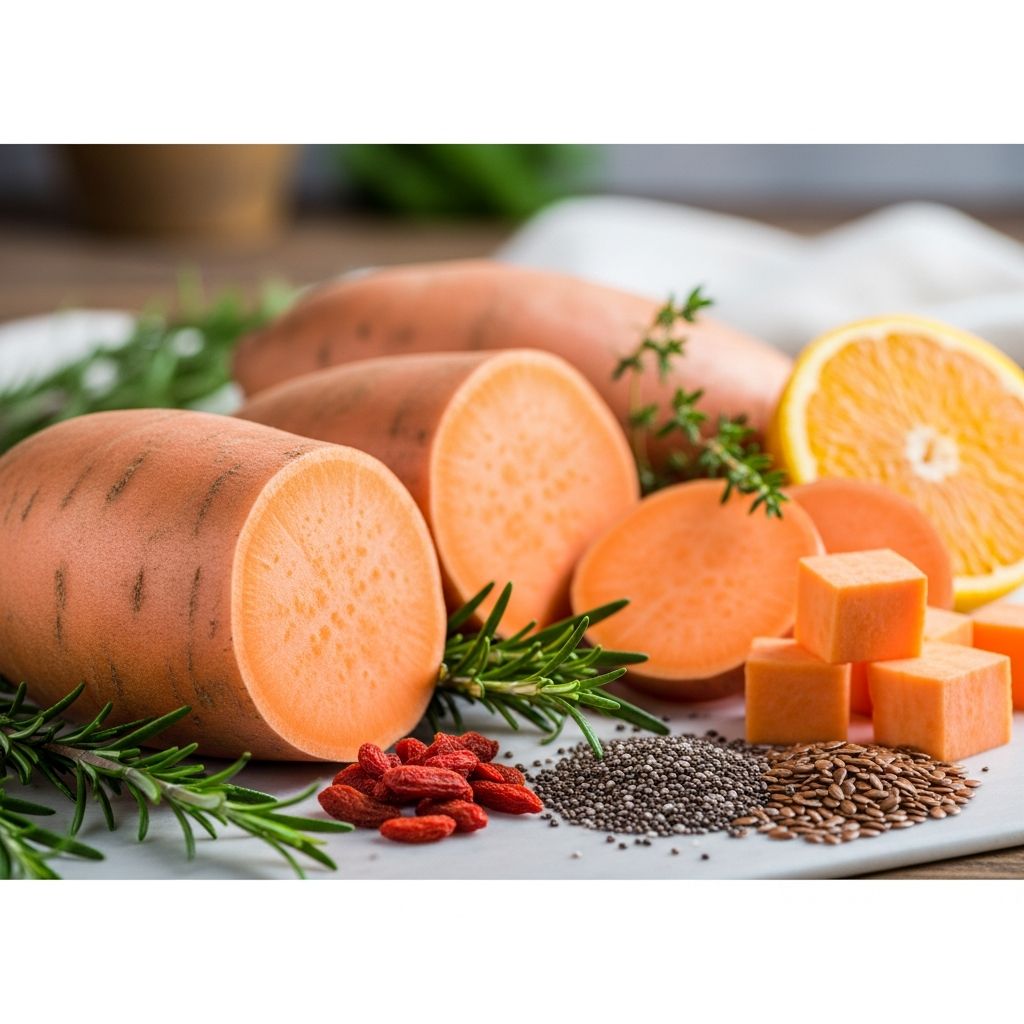
Sweet potatoes are a versatile, nutrient-packed root vegetable that offers a wide array of health benefits. Far more than a holiday side dish, these vibrant tubers are loaded with vitamins, minerals, fiber, and antioxidants that support everything from eye health to heart function. Whether orange, purple, or white-fleshed, sweet potatoes provide essential nutrients like beta-carotene, vitamin C, potassium, and dietary fiber, making them a smart addition to any balanced diet. This article dives into their nutritional profile, key health advantages, preparation tips, and answers to common questions.
Nutrition Facts of Sweet Potatoes
One medium baked sweet potato (about 114 grams) delivers an impressive nutritional punch. It contains approximately 103 calories, 24 grams of carbohydrates (including 4 grams of fiber), 2 grams of protein, and negligible fat. Key micronutrients include over 400% of the daily value (DV) for vitamin A (from beta-carotene), 37% DV for vitamin C, 15% DV for manganese, and 12% DV for potassium.
Sweet potatoes shine in their antioxidant content. Orange varieties are rich in beta-carotene, which the body converts to vitamin A, while purple types boast anthocyanins—powerful compounds linked to reduced inflammation and disease risk. These nutrients contribute to the vegetable’s sweet flavor and colorful flesh, without the need for added sugars.
| Nutrient | Amount per Medium Sweet Potato (114g) | % Daily Value |
|---|---|---|
| Calories | 103 | 5% |
| Vitamin A | 1,403 mcg | 156% |
| Vitamin C | 19.6 mg | 22% |
| Potassium | 542 mg | 12% |
| Fiber | 3.8 g | 14% |
| Manganese | 0.47 mg | 20% |
This table highlights why sweet potatoes outperform many starchy foods like white potatoes or rice in nutrient density.
1. Sweet Potatoes Are Nutrient-Dense
Sweet potatoes top the charts as a nutrient-dense food, providing high levels of vitamins and minerals with relatively few calories. Their standout nutrient is beta-carotene, a provitamin A carotenoid responsible for the orange hue. The body efficiently converts beta-carotene to vitamin A, essential for immune function, skin health, and vision. A single serving can exceed daily vitamin A needs, protecting against deficiencies common in many diets.
They also supply vitamin C, an antioxidant that supports collagen production, wound healing, and immune defense. Potassium aids in fluid balance and nerve signaling, while manganese supports metabolism and bone health. Unlike processed carbs, sweet potatoes’ complex carbs release energy steadily, promoting satiety. Studies confirm sweet potatoes surpass other roots in provitamin A, vitamin C, and mineral content compared to grains like wheat or rice.
2. They Help Curb Sugar Cravings
The natural sweetness of sweet potatoes satisfies cravings without blood sugar spikes. Their fiber content—about 4 grams per medium potato—slows digestion, helping you feel full longer and reducing the urge for sugary snacks. Registered dietitians note that spices like cinnamon or nutmeg enhance this effect, mimicking desserts like pie without added sugars or fats.
This makes them ideal for weight management. High-fiber foods like sweet potatoes promote portion control and stable energy levels throughout the day. Research supports their role in curbing overeating by enhancing satiety hormones.
3. They Promote Healthy Digestion
With soluble and insoluble fiber, sweet potatoes support a healthy gut microbiome and regular bowel movements. Fiber ferments in the colon, feeding beneficial bacteria and producing short-chain fatty acids that reduce inflammation and strengthen the gut barrier.
Related Stories



Purple sweet potatoes, rich in anthocyanins, further enhance gut health by modulating microbiota composition. Studies show they improve intestinal barrier function, potentially lowering risks of disorders like leaky gut and colon cancer. Aim for skins-on preparation to maximize fiber intake.
- Soluble fiber: Lowers cholesterol and stabilizes blood sugar.
- Insoluble fiber: Adds bulk to stool, preventing constipation.
- Prebiotic effects: Nourishes gut bacteria for better digestion.
4. They Support Eye Health
Beta-carotene in sweet potatoes converts to vitamin A, crucial for retinal health and night vision. Vitamin A deficiency can lead to xerophthalmia, a major cause of blindness worldwide, but regular sweet potato consumption provides ample protection.
Antioxidants like lutein and zeaxanthin (in green leafy parts) filter harmful blue light, reducing age-related macular degeneration risk. One large sweet potato often exceeds daily vitamin A requirements, safeguarding eyes from oxidative damage.
5. They Help Manage Blood Sugar
Despite their sweetness, sweet potatoes have a moderate glycemic index (GI around 44-61 when boiled), thanks to fiber and polyphenols that slow glucose absorption. Purple varieties’ anthocyanins improve insulin sensitivity and reduce post-meal spikes.
Research in diabetic models shows anthocyanin extracts lower fasting blood sugar and enhance metabolic health. Pairing with proteins or fats further stabilizes levels, making them suitable for diabetes management.
6. They Promote Heart Health
Potassium in sweet potatoes regulates blood pressure by countering sodium’s effects. Fiber binds cholesterol in the gut, lowering LDL levels and reducing atherosclerosis risk. Anthocyanins exhibit anti-inflammatory properties, inhibiting platelet aggregation and protecting endothelial function.
Studies link flavonoid-rich sweet potato diets to improved cardiovascular biomarkers, including reduced triglycerides and better HDL ratios. Their low saturated fat and cholesterol content aligns with heart-healthy eating patterns.
7. They Have Anticancer Properties
Bioactive compounds like anthocyanins and carotenoids in sweet potatoes show promise against cancer. In vitro and animal studies demonstrate purple sweet potato extracts induce apoptosis, arrest cell cycles, and inhibit proliferation in colon cancer cells.
Antioxidants neutralize free radicals, preventing DNA damage that leads to tumors. Hepatoprotective effects reduce liver enzyme levels, while neuroprotective actions combat oxidative stress in brain cells. Human trials are ongoing, but population studies associate high intake with lower chronic disease risks.
8. They Have Anti-Inflammatory Effects
Anthocyanins and other polyphenols combat chronic inflammation, a root of diseases like arthritis and heart disease. They scavenge free radicals, inhibit pro-inflammatory pathways like NF-kB, and boost antioxidant enzymes.
Purple sweet potato beverages have lowered liver inflammation markers in clinical settings. Exercise recovery improves with reduced oxidative stress, benefiting athletes.
Different Types of Sweet Potatoes
Sweet potatoes vary by flesh color, each offering unique benefits:
- Orange: Highest in beta-carotene for eye and immune health.
- Purple: Anthocyanin powerhouse for anti-inflammatory and anticancer effects.
- White/Yellow: Milder flavor, good source of fiber and potassium.
- Stokes Purple: Dense anthocyanins, sweet taste.
Choose based on availability and culinary needs—all deliver core nutrients.
How to Prepare Sweet Potatoes to Maximize Benefits
To preserve nutrients, bake, steam, or boil sweet potatoes with skins on—avoid deep-frying. Baking retains beta-carotene best, while boiling minimizes GI. Use healthy fats like olive or avocado oil instead of butter.
- Bake whole at 400°F for 45-60 minutes.
- Steam chunks for 15-20 minutes.
- Mash with spices for a nutrient-dense side.
Incorporate into salads, soups, smoothies, or as fries for variety.
Potential Downsides and Precautions
Sweet potatoes are safe for most, but overconsumption may cause digestive upset due to fiber. Those with kidney issues should monitor potassium. Raw consumption is not advised due to oxalates. Moderation: 1 medium potato per meal.
Frequently Asked Questions (FAQs)
Are sweet potatoes good for weight loss?
Yes, their fiber promotes fullness and curbs cravings, aiding weight management when portion-controlled.
Can diabetics eat sweet potatoes?
Absolutely, their low-to-moderate GI and anthocyanins support blood sugar control, especially boiled varieties.
Are sweet potatoes better than regular potatoes?
Yes, they offer more vitamins, fiber, and antioxidants with fewer calories.
How many sweet potatoes should I eat per day?
One medium (130-150g) per meal is ideal; follow the plate method for balance.
Do sweet potatoes spike blood sugar?
No, fiber and polyphenols moderate the response, unlike refined carbs.
References
- How Sweet Potatoes Can Beat Your Sugar Cravings — Cleveland Clinic. 2023-10-12. https://health.clevelandclinic.org/sweet-potato-benefits
- Sweet Potato Is Not Simply an Abundant Food Crop — National Institutes of Health (PMC). 2022-09-07. https://pmc.ncbi.nlm.nih.gov/articles/PMC9495970/
Similar Articles








Read full bio of Sneha Tete