Tai Chi Health Benefits: Expert Guide For Older Adults
Discover how ancient tai chi practice improves balance, strength, and mental wellness.
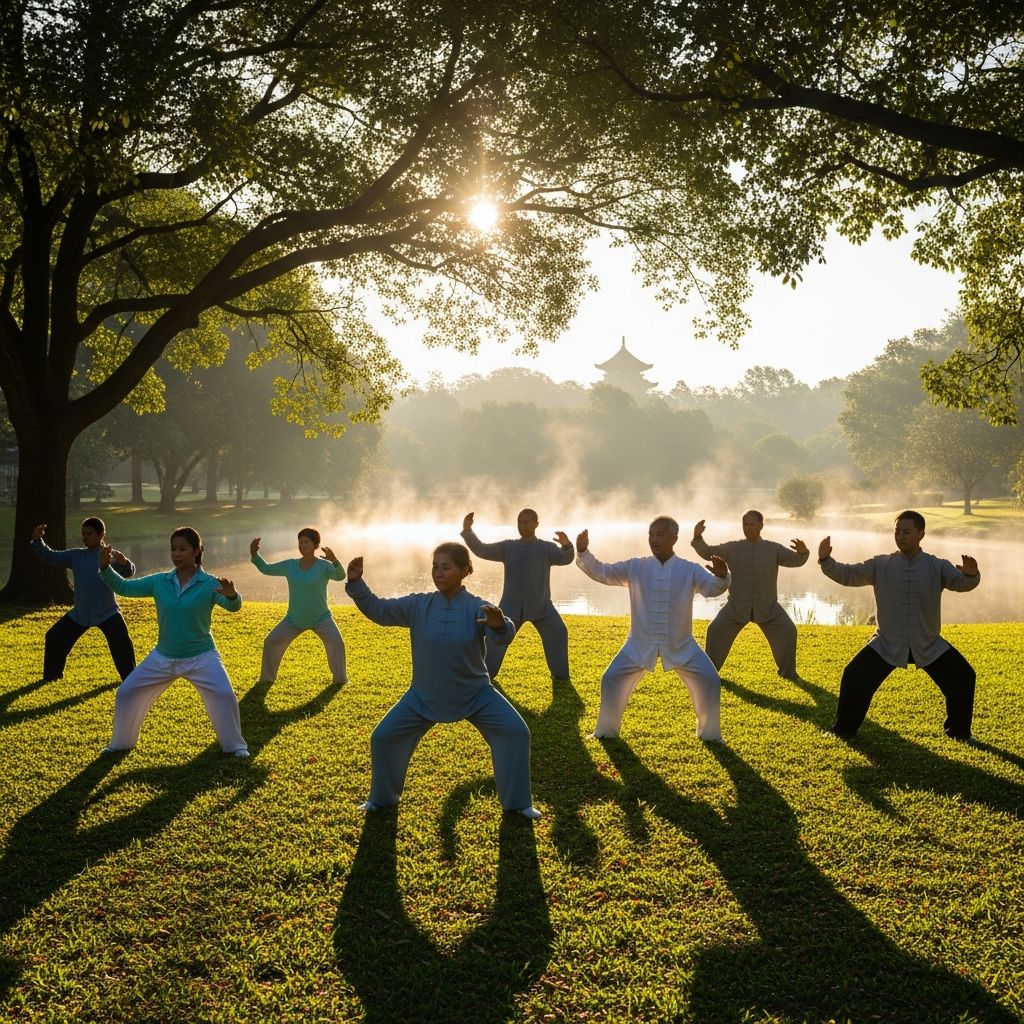
The Health Benefits of Tai Chi
Tai chi is an ancient Chinese exercise that has been practiced for centuries, traditionally rooted in martial arts and philosophy. In recent decades, Western medical science has begun to validate what tai chi practitioners have known for generations: regular practice of this low-impact, flowing movement can produce significant health benefits across physical, mental, and emotional dimensions. Harvard Medical School researchers refer to tai chi as “medication in motion,” recognizing its therapeutic potential as a complement to conventional medical treatment. With growing scientific evidence supporting its effectiveness, tai chi has become increasingly recommended by healthcare professionals as a safe and accessible exercise option for people of all ages, particularly older adults seeking to maintain independence and vitality.
Understanding Tai Chi: The Basics
Tai chi consists of slow, deliberate, flowing movements performed in a relaxed manner, often described as “meditation in motion.” The practice combines several key elements: controlled breathing, focused attention, and choreographed body movements that flow seamlessly from one to the next. Unlike high-intensity aerobic exercises that emphasize pushing muscles hard and building tension, tai chi emphasizes the opposite approach—deepening relaxation while maintaining fluid, coordinated movement throughout the entire body. One of the most appealing aspects of tai chi is its accessibility and flexibility. The practice requires no special equipment, expensive outfits, or specific athletic conditioning. Movements can be adapted to suit various physical positions and abilities, making it suitable for people with different fitness levels, ages, and physical limitations. Whether practiced standing, sitting, or modified in other ways, tai chi remains effective because the fundamental principles of balance, coordination, and mindful movement remain constant.
Balance and Fall Prevention in Older Adults
One of the most rigorously studied benefits of tai chi is its effect on balance and fall prevention, particularly among older adults. Falls represent a significant public health concern, especially for aging populations. Falls can result in serious injuries, including hip fractures, which carry severe consequences. According to research conducted at Harvard Medical School and supported by the National Center for Complementary and Integrative Health, older people who experienced hip fractures related to falls showed a 20 percent increase in mortality within one year, alongside substantial medical costs.
Clinical trials examining tai chi’s impact on fall prevention have yielded impressive results. In studies of older adults, participants who received tai chi training reported greater than a 40 percent reduction in the number of falls compared to control groups. This represents a very significant finding, particularly for older people with thinning bones who face elevated fracture risk. The effectiveness of tai chi for fall prevention stems from multiple mechanisms working together. The slow, flowing motions train practitioners to shift their weight while maintaining stability, strengthening the legs and improving proprioception—the body’s ability to sense its position in space.
Research demonstrates that tai chi enhances the sensitivity of nerve endings, particularly in the soles of the feet, which provides crucial feedback to muscles about balance and positioning. This is especially beneficial for individuals with diabetic neuropathy, chemotherapy-related nerve damage, or age-related loss of sensation. By improving this sensory awareness and strengthening the neuromuscular system, tai chi helps prevent the forward and backward rocking motions that often precede falls.
Cardiovascular Health and Heart Function
Beyond fall prevention, tai chi demonstrates considerable promise for cardiovascular health. Clinical trials and basic research studies examining patients with heart failure suggest that tai chi may benefit individuals by increasing exercise capacity and improving quality of life. The practice provides a low-intensity aerobic workout that can be sustained by people who may be too frail for more vigorous cardiovascular conditioning. The gentle, continuous movement engages the heart and circulatory system without the jarring impact of high-intensity exercise.
Harvard researchers continue to investigate how tai chi affects various cardiovascular conditions, including hypertension and chronic heart failure. The controlled breathing integrated into tai chi practice, combined with the stress-reducing effects of the meditative aspects, likely contributes to improvements in heart health. Additionally, the physical benefits of improved leg strength and better overall body coordination support cardiovascular function, as a stronger musculoskeletal system reduces the workload on the heart. More definitive studies are currently underway to confirm these observations and to explore tai chi’s effects on patients with chronic pulmonary disease.
Related Stories



Bone Health and Osteoporosis
Osteoporosis and bone density loss represent serious concerns for aging populations, particularly postmenopausal women. The weight-bearing movements in tai chi practice can help maintain and potentially improve bone density. By engaging large muscle groups and requiring balance and stability, tai chi stimulates bone formation and slows bone loss. The practice is particularly valuable for individuals who cannot tolerate high-impact weight-bearing exercises like running or jumping due to joint problems or advanced age.
The National Center for Complementary and Integrative Health has supported research examining tai chi’s effects on bone health and osteoporosis, recognizing the potential for this practice to provide a safe, sustainable approach to maintaining skeletal integrity. By improving bone density while simultaneously reducing fall risk, tai chi offers a comprehensive strategy for preventing fractures and maintaining independence in older age.
Arthritis and Joint Health
Individuals suffering from various forms of arthritis, including osteoarthritis and rheumatoid arthritis, often find tai chi beneficial for managing their condition. The gentle, flowing movements promote joint mobility without the jarring impact that can aggravate arthritic joints. Tai chi helps ease chronic pain associated with arthritis and related conditions like fibromyalgia, tension headaches, and other ongoing painful conditions. The practice improves flexibility, reduces joint stiffness, and enhances overall mobility—all critical factors for maintaining quality of life with arthritic conditions.
Moreover, the mind-body integration inherent in tai chi practice may help reduce the perception of pain and improve coping mechanisms for chronic conditions. The focused breathing and meditative aspects can lower stress hormones that often exacerbate pain and inflammation.
Cognitive Function and Brain Health
Recent research reveals that tai chi’s benefits extend significantly to cognitive function and brain health. Unlike conventional understanding that the benefits of exercise derive solely from cardiovascular fitness, tai chi demonstrates that motor fitness—including balance, speed, coordination, agility, and power—also contributes importantly to cognitive improvement. The practice engages multiple brain systems simultaneously, promoting what researchers call “brain plasticity.”
Tai chi combines several elements known to produce training-related changes in brain structure and function: meditation, motor learning, and focused attentional training. As practitioners perform complex, learned motor sequences in a meditative state, they stimulate neural pathways and connections throughout the brain. Over time, this repeated training “sculpts” brain connections, potentially offsetting age-related cognitive decline. Studies have shown that tai chi leads to greater improvements in cognitive function, including enhanced attention, concentration, and mental tracking abilities. By engaging in tai chi regularly, older adults can improve their cognitive function and maintain mental sharpness through a practice that simultaneously strengthens the body.
Mental Health and Emotional Well-being
Beyond physical and cognitive benefits, tai chi significantly impacts mental and emotional health. Practitioners frequently report improvements in mood, reduced anxiety and depression, and an overall enhanced sense of well-being. Harvard Medical School researchers studying tai chi have documented these psychological benefits, particularly for older adults. The practice incorporates elements of mindfulness meditation, which systematic reviews and meta-analyses have shown to help decrease anxiety, depression, stress, and pain while improving general mental health and quality of life.
The “relaxation response” triggered by tai chi practice—a physiological state opposite to the stress response—produces measurable benefits on mental health. Additionally, when tai chi is practiced in group settings, the social engagement provides another important pathway to emotional health. Staying socially connected is a crucial factor in maintaining emotional well-being, particularly for older adults who may experience isolation.
Sleep Improvement
Sleep problems affect millions of people, particularly older adults, and often contribute to various health conditions. Tai chi has been identified as beneficial for improving sleep quality. The combination of controlled motion, deep breathing, stress reduction, and the relaxation response generated through tai chi practice creates conditions conducive to better sleep. The meditative aspects calm the nervous system, while the physical activity helps regulate circadian rhythms and promote better sleep architecture.
Cancer Recovery and Survivorship
Research supported by the National Center for Complementary and Integrative Health has examined tai chi’s effects on cancer survivors, exploring how the practice might support recovery and quality of life following cancer treatment. The gentle, non-impact nature of tai chi makes it particularly suitable for cancer survivors who may experience fatigue, reduced strength, or compromised immune function. The stress-reducing benefits and immune-supporting effects of regular practice may contribute to improved outcomes and enhanced well-being during the survivorship phase.
Mechanisms: How Tai Chi Works
Understanding the physiological mechanisms through which tai chi produces health benefits helps explain its effectiveness. The practice stimulates multiple systems simultaneously: the neuromuscular system, the cardiovascular system, the proprioceptive system, and the nervous system. By strengthening leg muscles, tai chi reduces fall risk. By enhancing proprioceptive sensitivity—particularly in the feet—it improves balance and coordination. By engaging the heart and lungs in sustained, gentle activity, it supports cardiovascular health. By activating the parasympathetic nervous system through focused breathing and mindful movement, it produces the relaxation response.
The integration of all these mechanisms within a single practice makes tai chi particularly effective. Rather than affecting just one physiological system, tai chi typically affects most systems in most practitioners, creating a comprehensive health benefit. This multi-system engagement, combined with the low-impact nature and accessibility of the practice, explains why tai chi has become so valued in both traditional and modern medical contexts.
Who Benefits Most from Tai Chi?
While tai chi is beneficial for people across the lifespan, certain populations particularly benefit from this practice. Older adults, especially those experiencing balance problems, joint stiffness, or impaired kinesthetic awareness, find tai chi especially valuable. Individuals with chronic health conditions—whether arthritis, heart disease, diabetes, or chronic pain conditions—often find relief and improved quality of life through regular practice. People with fibromyalgia, osteoarthritis, and rheumatoid arthritis frequently report significant symptom improvement.
Tai chi is also suitable for individuals too frail to engage in robust aerobic conditioning, making it an excellent option for those with limited physical capacity or recovering from illness or injury. Additionally, anyone seeking to reduce stress, improve mental clarity, enhance sleep quality, or maintain cognitive function can benefit from tai chi practice.
Getting Started with Tai Chi
Beginning a tai chi practice is accessible to almost anyone. The ideal approach is to learn from qualified instructors who can teach proper form and alignment. Many community centers, senior centers, hospitals, and martial arts studios offer tai chi classes. Some classes are specifically designed for older adults or people with particular health conditions. When beginning, it is important to start slowly, allowing your body to adapt to the movements. As familiarity with the practice grows, you can sink deeper into movements and practice more vigorously, potentially obtaining moderate aerobic benefits.
Consistency is key to experiencing tai chi’s benefits. Regular practice, ideally several times per week, allows the nervous system to adapt and the benefits to accumulate over time. Even short sessions of 15-30 minutes can provide benefits, though longer sessions often yield greater effects.
Frequently Asked Questions
Q: How often should I practice tai chi to see health benefits?
A: Most research suggests that practicing tai chi at least 2-3 times per week yields measurable health benefits. However, even one practice session weekly can provide some benefits, and daily practice produces optimal results. Many practitioners find that consistency matters more than duration.
Q: Is tai chi suitable for people with arthritis?
A: Yes, tai chi is particularly beneficial for people with arthritis. The gentle, flowing movements improve joint mobility, reduce stiffness, and ease pain without the jarring impact of high-intensity exercise. Many arthritis sufferers find tai chi one of the most tolerable and enjoyable forms of physical activity.
Q: Can older adults benefit from tai chi even if they have never exercised before?
A: Absolutely. Tai chi is specifically designed to be accessible to people of all fitness levels and ages. Movements can be modified to accommodate various physical abilities, and the practice requires no prior athletic conditioning. Many people in their 80s and 90s successfully practice tai chi.
Q: How does tai chi compare to other forms of exercise like walking or jogging?
A: While walking and jogging are excellent cardiovascular activities, tai chi offers unique benefits that these exercises do not. Tai chi provides balance training, coordination improvement, and cognitive benefits through motor learning that jogging does not. Additionally, tai chi is gentler on the joints and suitable for people too frail for high-impact activities.
Q: Does tai chi require special equipment or clothing?
A: No special equipment is required for tai chi. Comfortable, loose-fitting clothing that allows freedom of movement is ideal, but no special tai chi outfits are necessary. This accessibility makes tai chi an affordable practice for nearly everyone.
Q: How quickly will I notice improvements in my balance?
A: Many people notice improvements in balance and stability within 12 weeks of regular practice. According to tai chi instructors at Harvard-affiliated institutions, practitioners can observe faster walking speed and improved ability to walk farther within this timeframe.
References
- Researchers study tai chi benefits — Harvard Magazine. 2010-01-01. https://www.harvardmagazine.com/2010/01/researchers-study-tai-chi-benefits
- Harvard Medical School Recommends Qigong and Tai Chi — Qigong Institute. 2024. https://www.qigonginstitute.org/category/68/harvard-medical-school-recommends-qigong-and-tai-chi
- Tai Chi and Healthy Aging with Dr. Peter Wayne — Harvard Medical School Research. 2024. https://www.youtube.com/watch?v=tpnx6z3ydD0
- Harvard Recommends These 3 Activities Over Walking Or Running for Adults Over 60 — NDTV. 2024. https://www.ndtv.com/feature/tai-chi-aikido-wing-chun-harvard-recommends-these-3-activities-over-walking-or-running-for-adults-over-60-8841444
- An Introduction to Tai Chi — Harvard Health Publications, Gordon Gunn, MD. 2024. https://www.health.harvard.edu/staying-healthy/the-health-benefits-of-tai-chi
- National Center for Complementary and Integrative Health – Tai Chi — U.S. National Institutes of Health. 2024. https://nccih.nih.gov/health/taichi
Similar Articles








Read full bio of Sneha Tete