Flexitarian Diet: Health Benefits and How to Get Started
Discover the flexitarian diet's powerful health benefits, from weight loss to disease prevention, and learn simple steps to adopt this flexible plant-focused eating style today.
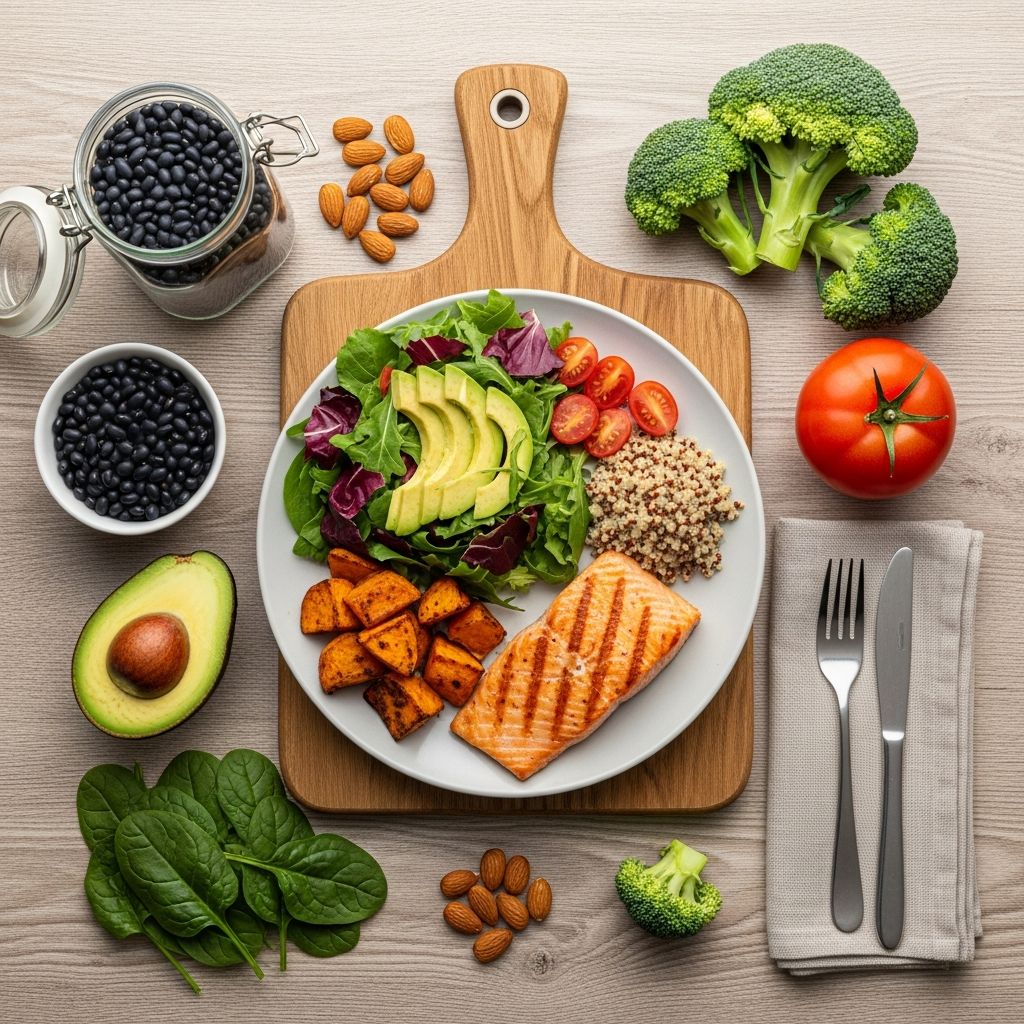
The flexitarian diet, a flexible approach to plant-based eating, prioritizes whole plant foods while allowing occasional meat consumption. Coined by registered dietitian Dawn Jackson Blatner in her 2008 book, this semi-vegetarian style promotes health benefits without strict rules, making it sustainable for long-term adoption.
What Is the Flexitarian Diet?
A flexitarian diet is predominantly vegetarian but permits meat, fish, eggs, and dairy in moderation. Unlike strict vegan or vegetarian diets, it emphasizes flexibility, encouraging mostly plant-based meals with animal products as desired. This style focuses on nutrient-dense whole foods like vegetables, fruits, whole grains, legumes, nuts, and seeds.
The core philosophy shifts attention from eliminating foods to adding more plants. Flexitarians eat meat sparingly—perhaps a few times a week—while deriving most nutrition from plants. This aligns with dietary guidelines recommending limited saturated fats, sugars, and salts, prioritizing fiber-rich, vitamin-packed options.
Health Benefits of the Flexitarian Diet
Research links flexitarian eating to numerous health improvements, supported by studies on plant-forward diets. Benefits include better metabolic health, disease prevention, and overall well-being.
Supports Weight Management
Flexitarian diets promote weight loss through high-fiber plant foods that enhance satiety with fewer calories. Replacing meat with beans or lentils boosts fiber intake, slowing digestion and reducing overeating. Plant proteins also aid comfortable weight maintenance.
A review of evidence-based literature confirms flexitarian diets’ strongest link to weight loss, attributing it to reduced caloric density and increased nutrient variety.
Improves Heart Health
By lowering saturated fat intake from red and processed meats, flexitarians see reduced cholesterol, blood pressure, and heart disease risk. Plant-based patterns stepwise decrease hypertension rates; flexitarians have 23% lower high blood pressure compared to frequent meat-eaters.
Vegetarian-like diets lower stroke incidence and improve cardiovascular markers, with flexitarian flexibility yielding similar outcomes.
Reduces Risk of Type 2 Diabetes
Increased fiber from grains, beans, and vegetables stabilizes blood sugar. Flexitarians eliminate up to 61% of diabetes risk versus daily meat-eaters; excluding eggs and dairy boosts this to 78%.
Plant-focused eating reduces artificial sugars and unhealthy fats while enhancing insulin sensitivity, significantly lowering type 2 diabetes incidence.
Enhances Gut Health
Fiber-rich foods support digestion, manage conditions like Crohn’s disease, and promote microbiome diversity. Flexitarians report improved gastrointestinal function alongside better energy and sleep.
Other Benefits
- Cancer Prevention: Plant compounds may lower certain cancer risks.
- Mental Health: Enhanced vitality, reduced depression, and better daily functioning.
- Environmental Impact: Less meat reduces carbon footprint.
Flexitarian Diet Food List
Build meals around these categories for balanced nutrition:
| Category | Examples | Flexitarian Twist |
|---|---|---|
| Vegetables | Leafy greens, broccoli, carrots, tomatoes | Base of every meal |
| Fruits | Berries, apples, citrus, bananas | Snacks or breakfast additions |
| Whole Grains | Brown rice, quinoa, oats, barley | Primary carb sources |
| Plant Proteins | Beans, lentils, tofu, tempeh, edamame | Main protein focus |
| Healthy Fats | Avocados, nuts, seeds, olive oil | Flavor and satiety boosters |
| Dairy & Eggs | Yogurt, cheese, eggs (moderate) | Occasional inclusion |
| Meat & Fish | Chicken, fish, lean beef (rarely) | 1-2 times weekly max |
Avoid or limit processed foods, sugary drinks, and refined grains.
Sample Flexitarian Meal Plan
This 5-day plan demonstrates easy, varied meals. Adjust portions for needs.
Related Stories



Day 1
- Breakfast: Oatmeal with berries, chia seeds, almond milk
- Lunch: Chickpea salad with greens, cucumber, tahini dressing
- Dinner: Stir-fried tofu with broccoli, brown rice
- Snack: Apple with peanut butter
Day 2
- Breakfast: Smoothie: spinach, banana, yogurt, flaxseeds
- Lunch: Lentil soup with whole-grain bread
- Dinner: Grilled fish, quinoa, roasted veggies
- Snack: Handful of nuts
Day 3
- Breakfast: Avocado toast on whole-grain bread, poached egg
- Lunch: Black bean wrap with salsa, greens
- Dinner: Veggie stir-fry with tempeh
- Snack: Carrot sticks with hummus
Day 4
- Breakfast: Greek yogurt parfait with granola, fruit
- Lunch: Quinoa salad with feta, tomatoes, olives
- Dinner: Baked chicken breast, sweet potato, kale
- Snack: Orange slices
Day 5
- Breakfast: Chia pudding with mango
- Lunch: Edamame and veggie bowl
- Dinner: Eggplant parmesan with whole-wheat pasta
- Snack: Trail mix
Repeat or vary for the week. Hydrate with water, herbal teas.
How to Get Started on the Flexitarian Diet
- Start Slow: Aim for meat-free days (e.g., Meatless Mondays).
- Stock Up: Fill pantry with legumes, grains, produce.
- Plan Ahead: Batch-cook plant proteins.
- Experiment: Try new recipes weekly.
- Track Progress: Monitor energy, weight, health markers.
- Seek Balance: Ensure protein, iron, B12 via variety or supplements if needed.
Consult a doctor for personalized advice, especially with conditions.
Flexitarian Diet FAQs
Is the flexitarian diet healthy?
Yes, it aligns with guidelines, reducing chronic disease risks via nutrient-dense plants.
Can you lose weight on the flexitarian diet?
Yes, high fiber and lower calories support sustainable loss.
How does it differ from Mediterranean diet?
Both plant-heavy with moderate meat, but flexitarian is more explicitly semi-vegetarian.
Is it good for the environment?
Yes, less meat lowers resource use and emissions.
Who should avoid it?
Those with eating disorders; consult professionals.
References
- Flexitarian and Other Variations of a Vegetarian Diet — Brown Health. 2023. https://www.brownhealth.org/be-well/flexitarian-and-other-variations-vegetarian-diet
- What Is a Flexitarian Diet Plan? — GoodRx. 2024-01-15. https://www.goodrx.com/well-being/diet-nutrition/flexitarian-diet-benefits-pros-cons
- The Benefits of a Flexitarian Diet — NutritionFacts.org. 2023. https://nutritionfacts.org/topics/flexitarians/
- What is a flexitarian diet? — BBC Good Food. 2024. https://www.bbcgoodfood.com/health/special-diets/what-flexitarian-diet
- What Is the Flexitarian Diet and How Does It Impact Your Customers? — Escoffier. 2023-05-10. https://www.escoffier.edu/blog/culinary-arts/what-is-the-flexitarian-diet-and-how-does-it-impact-your-customers/
- Flexitarian Diets and Health: A Review of the Evidence-Based Literature — PMC (NIH). 2017-01-20. https://pmc.ncbi.nlm.nih.gov/articles/PMC5216044/
- What Is the Flexitarian Diet? — Cleveland Clinic. 2023-08-12. https://health.clevelandclinic.org/what-is-the-flexitarian-diet
Similar Articles








Read full bio of medha deb