Health Benefits of Tripe: Nutrition and Wellness
Discover why tripe is a nutrient-dense superfood packed with protein, vitamins, and essential minerals.
Understanding Tripe: What It Is and Why It Matters
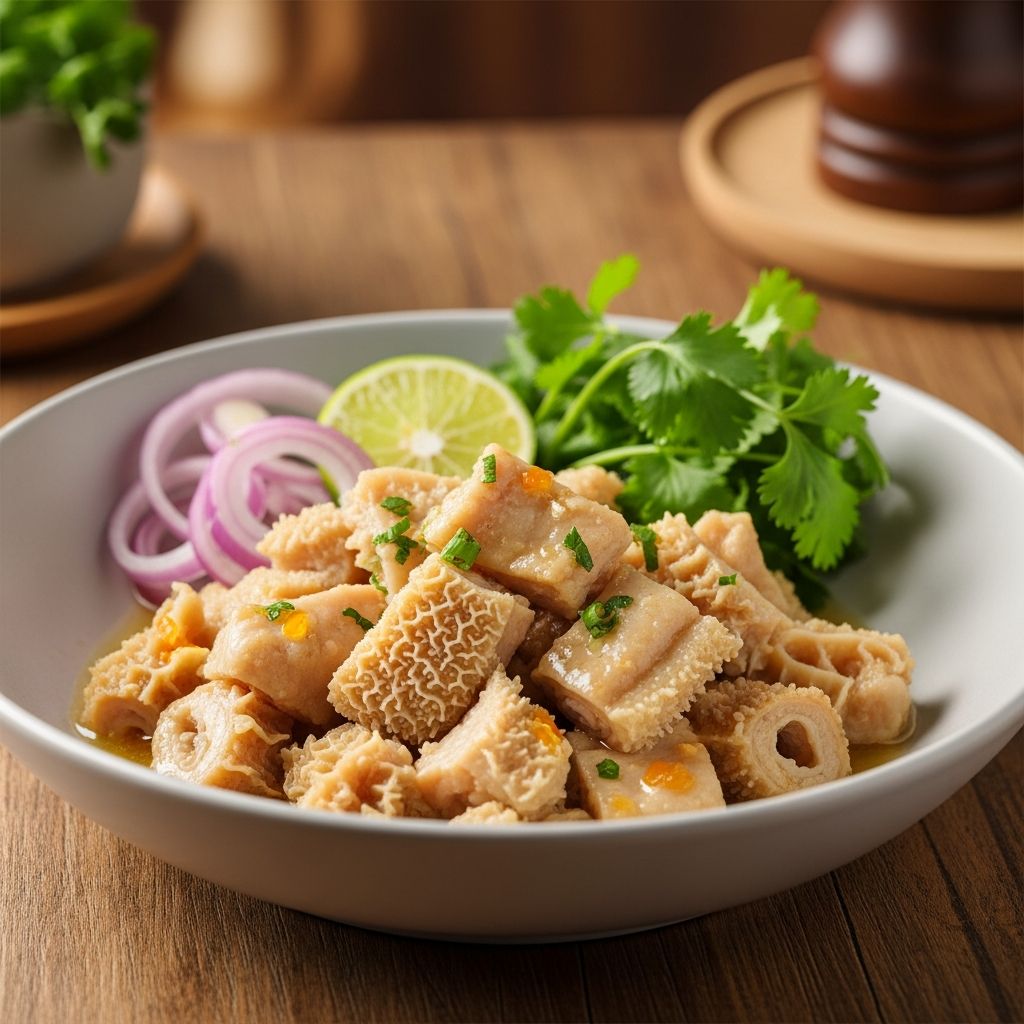
Tripe is the stomach lining of ruminant animals, particularly cattle, and has been consumed across various cultures for centuries. Despite its unconventional nature, tripe represents a powerhouse of nutrition that deserves a place in modern diets. Often categorized as an organ meat or offal, tripe is not only an excellent source of protein but also delivers a remarkable array of vitamins and minerals vital for optimal body function. As sustainability and nose-to-tail eating practices gain momentum, tripe stands out as an affordable and nutritious option that helps reduce food waste while providing exceptional health benefits.
The nutritional profile of tripe makes it particularly valuable for individuals seeking to maximize their dietary intake of essential nutrients. When consumed in moderate amounts, tripe offers numerous potential health benefits that extend far beyond simple protein provision. Understanding what makes tripe nutritionally significant can help you make informed dietary choices that support your long-term wellness goals.
Rich in High-Quality Protein
One of the most compelling reasons to incorporate tripe into your diet is its exceptional protein content. Tripe is a complete source of protein, meaning it contains all nine essential amino acids your body requires to function optimally. A three-ounce serving of cooked tripe provides approximately 10 grams of protein, representing about 20 percent of the average daily requirement. Some sources indicate that a 3.5-ounce serving contains an impressive 12 grams of protein, making tripe comparable to or even superior to conventional meat sources when considering its cost and nutrient density.
Your body depends on protein for numerous vital processes that keep you healthy and functioning well:
- Cell-to-cell communication
- Fluid balance regulation
- Immune system function
- Tissue repair and maintenance
- Muscle building and recovery
The protein in tripe is particularly beneficial for weight management. Protein is the most filling of all macronutrients, meaning that adding a protein source like tripe to meals and snacks can help reduce hunger and prevent overeating. Research has demonstrated that incorporating adequate protein into a balanced diet can support weight loss efforts by promoting feelings of fullness and preserving lean muscle mass during caloric restriction.
Essential Vitamins Found in Tripe
Beyond protein, tripe delivers an impressive spectrum of vitamins that support critical bodily functions. The B vitamin content of tripe is particularly noteworthy, as these vitamins play essential roles in energy metabolism, nervous system function, and red blood cell formation.
Vitamin B12 (Cobalamin)
Tripe is an excellent source of vitamin B12, containing approximately 0.6 grams or 9 percent of the daily value per 3-ounce serving. Vitamin B12 is essential for several crucial physiological processes:
- Red blood cell production and prevention of anemia
- Nerve cell function and transmission
- Energy production and metabolism
- DNA synthesis and cell division
A deficiency in vitamin B12 can lead to pernicious anemia, characterized by symptoms such as weakness, fatigue, numbness or tingling in the hands and feet, a smooth and tender tongue, and unexplained weight loss. Research suggests that obtaining nutrients like B12 through food sources rather than supplements may increase the amount of micronutrient your body actually absorbs, allowing for more efficient utilization.
Related Stories



Other B Vitamins
In addition to B12, tripe contains important B vitamins including niacin and folate. These vitamins play a key role in converting homocysteine to methionine, one of the major building blocks that produce new proteins in your body. An accumulation of homocysteine in the bloodstream has been linked to increased cardiovascular disease risk, making adequate B vitamin intake an important consideration for heart health.
Critical Minerals and Trace Elements
Tripe is rich in numerous minerals that support bone health, immune function, and metabolic processes. The mineral composition of tripe includes:
- Calcium – essential for bone structure and strength
- Phosphorus – works with calcium for optimal bone mineralization
- Magnesium – supports muscle function and nervous system health
- Iron – critical for hemoglobin production and oxygen transport
- Zinc – vital for cell division, immune function, and carbohydrate metabolism
- Selenium – acts as a powerful antioxidant and supports thyroid health
Selenium: A Powerful Antioxidant
Tripe is particularly rich in selenium, containing approximately 10 micrograms per 3-ounce serving, equivalent to 15 percent of the daily value. Selenium functions as a potent antioxidant within your body, protecting cells from damage caused by free radicals that may contribute to chronic disease development. Your cells rely on selenium for several critical functions:
- Control of thyroid gland function
- DNA production and synthesis
- Enzyme activity and regulation
- Reproduction and immune function
According to research published in *Lancet*, low selenium status has been linked to decreased immune function and cognitive decline. Conversely, increasing selenium intake through foods like tripe may help prevent reproductive issues, autoimmune thyroid disease, and certain types of cancer.
Zinc for Immunity and Wound Healing
A 3-ounce serving of cooked tripe contains 1.5 milligrams of zinc, representing approximately 15 percent of the daily value. Zinc is distributed throughout your body in bones, teeth, hair, skin, liver, muscle, and white blood cells. This mineral supports immune function, wound healing, growth and development, and plays a vital role in the synthesis of thyroid hormones when combined with selenium.
Iron for Energy and Oxygen Transport
Tripe provides iron at 0.6 milligrams per 3-ounce serving. Iron is absolutely necessary for your body’s production of hemoglobin, the component of red blood cells that carries oxygen to tissues throughout your body. Additionally, iron is a vital component in muscle cells and necessary for the formation of many enzymes essential to metabolic function.
Comprehensive Health Benefits of Tripe
The unique combination of proteins, vitamins, and minerals in tripe translates to several significant health benefits that extend across multiple body systems.
Muscle Building and Repair
Tripe contains all essential amino acids required for the synthesis of new muscle fibers, making it especially beneficial for athletes, bodybuilders, or anyone seeking to increase muscle mass. The high collagen content in tripe further supports joint health, which is crucial for anyone engaging in regular physical activity.
Bone Health and Strength
Tripe offers calcium, which is crucial for bone structure and strength, as well as phosphorus, which works alongside calcium to optimize bone mineralization. The protein in tripe plays a significant role in bone health by forming the matrix that supports the deposition of calcium and other minerals. Regular consumption of tripe may contribute to improved bone density and overall skeletal strength.
Weight Management Support
The high protein content combined with the satiating effects of tripe makes it an excellent choice for individuals looking to manage their weight. Adding protein-rich foods like tripe to meals helps reduce hunger and supports maintaining a moderate weight.
Red Blood Cell Formation and Anemia Prevention
With its significant vitamin B12 and iron content, tripe actively supports red blood cell formation and helps prevent anemia. This is particularly important for individuals at risk of anemia, including vegetarians, older adults, and those with certain digestive conditions that impair nutrient absorption.
Cognitive Function and Healthy Aging
The micronutrients in tripe, particularly selenium and B vitamins, may help lower the risk of age-related cognitive changes. Selenium’s antioxidant properties protect brain cells from oxidative stress, while B vitamins support neurological function and energy metabolism necessary for optimal cognitive performance.
Wound Healing and Immune Support
Tripe speeds up wound healing through its zinc and vitamin C content. Additionally, the minerals zinc and selenium present in tripe boost the immune system, which is closely linked to overall health. A significant portion of the body’s immune cells are located in the digestive tract, making tripe’s supportive nutrients particularly valuable for immune function.
Digestive Health Benefits
Tripe is particularly renowned for its digestive health benefits, offering multiple mechanisms through which it supports gastrointestinal wellness. As a superior protein source, it plays a crucial role in the repair and growth of tissues, including those within the gastrointestinal system.
The digestive advantages of tripe are numerous:
- Collagen Support: The collagen content in tripe has been known to support the elasticity and health of the gastrointestinal lining, potentially aiding in the repair of damage within the stomach and intestines.
- Prebiotic Fiber: Tripe is rich in inulin, a type of prebiotic fiber that encourages the growth of beneficial gut bacteria, contributing to a balanced and healthy gut microbiome.
- Nutrient Bioavailability: Vitamin B12 found in tripe is essential for maintaining healthy nerve cells and the production of DNA, both crucial for the proper functioning of the digestive system.
Nutritional Comparison: Tripe vs. Other Protein Sources
| Nutrient | Tripe (3 oz serving) | Significance |
|---|---|---|
| Protein | 10-12g | Complete amino acid profile; supports muscle and tissue repair |
| Vitamin B12 | 9% DV | Essential for energy and red blood cell formation |
| Selenium | 15% DV | Powerful antioxidant; supports thyroid and immune function |
| Zinc | 15% DV | Crucial for immune function and wound healing |
| Iron | 0.6mg | Supports oxygen transport and energy metabolism |
Sustainability and Economic Benefits
Beyond its nutritional advantages, tripe represents an environmentally sustainable food choice. By following a nose-to-tail philosophy that makes use of all parts of the animal, tripe helps reduce waste and provides an economical protein option. This sustainable approach to food consumption supports environmental goals while offering exceptional nutritional value at a fraction of the cost of premium cuts of meat.
Common Misconceptions About Tripe
Despite its nutritional merits, tripe is often subject to misconceptions that discourage potential consumers. One prevalent belief is that tripe is unclean or unsafe. In reality, tripe is inspected for quality assurance, and with proper preparation and seasoning, it can be a tasty and safe addition to various dishes. Modern food safety standards ensure that tripe meets the same rigorous health requirements as other meat products.
How to Incorporate Tripe Into Your Diet
Tripe’s versatility allows for numerous culinary applications across various cuisines. It can be braised, stewed, grilled, or included in soups and stews. Proper cleaning and preparation are essential, as tripe requires thorough washing and may benefit from blanching before cooking. Traditional preparations in cultures worldwide have perfected methods for cooking tripe into tender, flavorful dishes that showcase its nutritional benefits.
Frequently Asked Questions About Tripe
Q: Is tripe safe to eat?
A: Yes, tripe is safe to eat when properly inspected, cleaned, and prepared. Modern food safety standards ensure tripe meets the same rigorous health requirements as other meat products. Proper preparation and cooking methods are essential for optimal food safety.
Q: How much tripe should I consume?
A: Tripe can be consumed in moderate amounts as part of a balanced diet. A 3-ounce serving provides substantial nutritional benefits. Like any food, moderation and variety in your diet are important for optimal health.
Q: Can tripe help with weight loss?
A: Yes, tripe can support weight loss efforts due to its high protein content, which promotes satiety and helps reduce overall calorie intake. Protein is the most filling macronutrient, making tripe an excellent addition to weight management diets.
Q: Is tripe suitable for people with anemia?
A: Yes, tripe is particularly beneficial for individuals with anemia or those at risk of developing it. Its high vitamin B12 and iron content support red blood cell formation and oxygen transport.
Q: Does tripe contain all essential amino acids?
A: Yes, tripe is a complete protein source containing all nine essential amino acids your body needs to function properly. This makes it equivalent to other complete protein sources like eggs, fish, and poultry.
Q: How does tripe compare nutritionally to conventional meats?
A: Tripe offers comparable or superior protein content to conventional meats while providing higher levels of certain micronutrients like B12 and selenium. Additionally, tripe is typically more affordable, making it an economical choice for nutrient-dense protein.
Conclusion: Making Tripe Part of Your Wellness Strategy
Tripe represents a nutrient-dense superfood that deserves recognition for its exceptional health benefits. From its complete protein profile supporting muscle growth and tissue repair to its rich vitamin and mineral content promoting bone health, immune function, and cognitive wellness, tripe offers comprehensive nutritional support across multiple body systems. Whether your goals include weight management, improved digestive health, enhanced athletic performance, or general wellness optimization, incorporating tripe into a balanced diet provides a cost-effective, sustainable, and scientifically-supported approach to nutrition. By embracing this often-overlooked food, you not only enhance your personal health but also support environmentally responsible eating practices that benefit both your body and our planet.
References
- Tripe: Nutrition, Benefits, and Uses — Healthline. 2024. https://www.healthline.com/nutrition/tripe
- Tripe: Is It Good for You? — WebMD. 2024. https://www.webmd.com/diet/tripe-good-for-you
- 4 Health Benefits of Tripe and Why It’s Better Than Steak — Lose It!. 2024. https://www.loseit.com/articles/is-tripe-good-for-you/
- Is Tripe Healthy? Here’s What You Need to Know — Ancestral Supplements. 2024. https://ancestralsupplements.com/blogs/news/is-tripe-healthy
- What Is Tripe Meat? 4 Reasons to Eat This Offal — Dr. Axe. 2024. https://draxe.com/nutrition/what-is-tripe-meat/
Similar Articles








Read full bio of Sneha Tete