Health Benefits of Walnuts: Nutrition and Wellness
Discover the powerful health benefits of walnuts for heart, brain, and overall wellness.
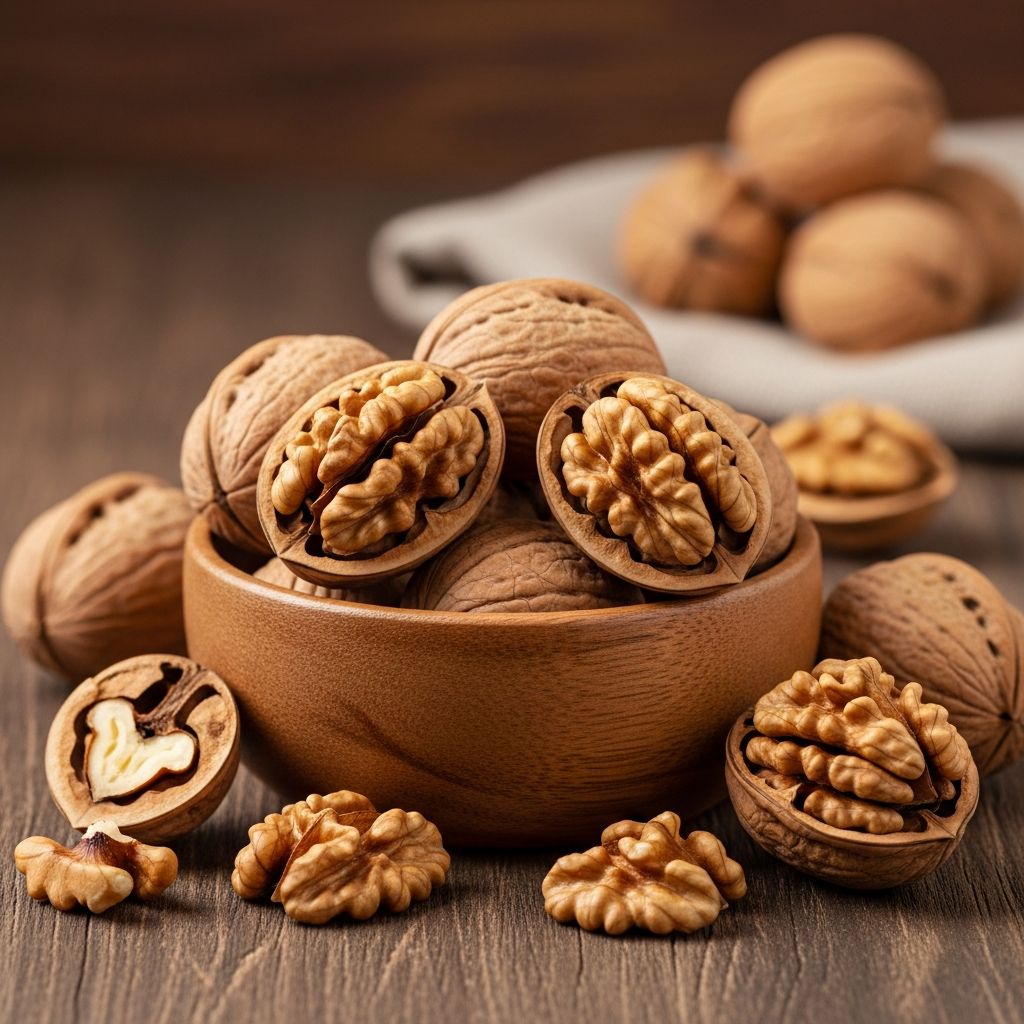
Health Benefits of Walnuts: A Comprehensive Guide to Nature’s Nutritional Powerhouse
Walnuts are among the most nutrient-dense nuts available, offering a remarkable array of health benefits that make them an excellent addition to any diet. These brain-shaped nuts have been consumed for thousands of years, and modern nutrition science continues to validate what ancient cultures intuitively understood: walnuts are nutritional superstars. Whether you’re looking to improve heart health, enhance cognitive function, or support overall wellness, walnuts deliver impressive results with just a small handful daily.
What Are Walnuts? Understanding This Nutritional Powerhouse
Walnuts are the edible seeds of the walnut tree, belonging to the Juglandaceae family. The most common type available in North America is the English walnut, known for its milder flavor and easier cracking compared to black walnuts. These nuts are characterized by their distinctive wrinkled appearance and hard outer shell, which protects the nutritious kernel inside. Walnuts have been cultivated for over 7,000 years and are mentioned in ancient texts as a symbol of intellectual nourishment.
A one-ounce serving of walnuts, which equals approximately 14 whole kernels or about a small handful, contains significant amounts of essential nutrients that contribute to multiple aspects of health and wellness.
Nutritional Profile of Walnuts
Understanding the nutritional composition of walnuts helps explain their diverse health benefits. One ounce (28 grams) of raw English walnuts provides:
- Calories: 185 calories, making walnuts a relatively energy-dense food that provides sustained satiety
- Protein: 4.3 grams of complete protein containing all nine essential amino acids
- Healthy Fats: 18.5 grams of total fat, with 2.5 grams of heart-healthy omega-3 alpha-linolenic acid (ALA)
- Carbohydrates: 3.9 grams, including 1.9 grams of dietary fiber for digestive health
- Minerals: Including manganese, magnesium, copper, phosphorus, and zinc essential for various bodily functions
- Vitamins: Containing folate, vitamin E, and B vitamins important for energy metabolism and neurological health
- Phytonutrients: Polyphenols and other plant compounds with powerful antioxidant and anti-inflammatory properties
Heart Health and Cardiovascular Benefits
One of the most well-documented benefits of walnuts is their positive impact on cardiovascular health. Numerous scientific studies have demonstrated that regular walnut consumption can significantly improve various markers of heart health.
Cholesterol Management
Walnuts contain plant compounds and healthy fats that help reduce low-density lipoprotein (LDL) cholesterol, often called “bad” cholesterol. The omega-3 fatty acids, specifically alpha-linolenic acid (ALA), help improve the ratio of LDL to high-density lipoprotein (HDL) cholesterol, promoting a healthier cardiovascular profile. Research has shown that consuming walnuts regularly can lower LDL cholesterol levels by up to 9 percent.
Blood Pressure Regulation
The mineral content of walnuts, particularly magnesium and potassium, plays a crucial role in blood pressure regulation. These minerals help relax blood vessel walls and reduce the stiffness associated with hypertension. Additionally, the polyphenols in walnuts support endothelial function, the health of the inner lining of blood vessels, which is essential for maintaining healthy blood pressure.
Inflammation Reduction
Chronic inflammation is a root cause of many cardiovascular diseases. Walnuts contain powerful anti-inflammatory compounds that help reduce systemic inflammation markers in the body. The polyphenols, including ellagic acid and other tannins, work synergistically to combat inflammation at the cellular level.
Brain Health and Cognitive Function
Related Stories



The high concentration of omega-3 fatty acids in walnuts makes them particularly beneficial for brain health. The brain is approximately 60 percent fat, and DHA and ALA are critical for proper neurological function, making walnuts an excellent choice for supporting cognitive abilities at any age.
Memory and Learning
Studies have shown that walnut consumption is associated with improved memory performance and enhanced learning capacity. The omega-3 fatty acids support synaptic plasticity, the brain’s ability to form new connections and reorganize existing neural pathways. This is particularly important for learning new information and maintaining cognitive flexibility throughout life.
Neuroprotection and Age-Related Decline
The antioxidants and polyphenols in walnuts help protect brain cells from oxidative stress and damage caused by free radicals. Regular walnut consumption has been associated with reduced risk of age-related cognitive decline and neurodegenerative diseases. The protective compounds in walnuts may help preserve cognitive function as we age.
Mental Health Support
Emerging research suggests that walnuts may support emotional well-being and mental health. The omega-3 content and other bioactive compounds may help regulate neurotransmitter production and support mood-related neurological pathways, though more research in this area continues to evolve.
Weight Management and Metabolic Health
Despite their caloric density, walnuts can be beneficial for weight management when consumed appropriately. The combination of protein, fiber, and healthy fats in walnuts promotes satiety and reduces overall calorie intake.
Satiety and Appetite Control
Walnuts are one of the most satiating nuts available. The protein and fiber content helps you feel fuller longer, reducing the tendency to overeat or snack on less nutritious foods. Studies have shown that people who include walnuts in their diet experience greater feelings of fullness and reduced hunger hormones.
Metabolic Function
The polyphenols and other compounds in walnuts may support healthy metabolic function. These compounds help regulate enzymes involved in fat metabolism and energy production, potentially supporting a healthy weight and metabolic rate.
Digestive Health and Gut Microbiota
The health of your gut microbiome is increasingly recognized as fundamental to overall health. Walnuts play a unique role in supporting beneficial gut bacteria.
Prebiotic Effects
Walnuts act as prebiotics, providing food and nourishment for beneficial bacteria in the digestive tract. The fiber in walnuts, combined with their polyphenolic compounds, encourages the growth of healthy microorganisms. When these beneficial bacteria ferment walnut components, they produce short-chain fatty acids like butyrate, which support colon health.
Digestive Support
The fiber content in walnuts supports regular digestion and helps maintain healthy bowel function. Additionally, a healthy gut microbiome supported by walnut consumption contributes to improved immune function, better nutrient absorption, and reduced risk of digestive disorders.
Antioxidant and Anti-Inflammatory Properties
Walnuts contain one of the highest levels of antioxidants among all nuts, providing powerful protection against oxidative stress and inflammation.
Polyphenol Content
The polyphenols in walnuts include quercetin, catechin, and ellagic acid. These compounds neutralize harmful free radicals in the body, preventing cellular damage that contributes to aging and disease. Interestingly, walnuts retain their antioxidant power even after roasting, making them beneficial whether eaten raw or roasted.
Systemic Anti-inflammatory Effects
Regular walnut consumption has been shown to reduce inflammatory markers throughout the body. This systemic reduction in inflammation supports overall health and may help prevent or reduce the severity of chronic inflammatory diseases.
Blood Sugar Control and Diabetes Prevention
For individuals concerned about blood sugar management or at risk for type 2 diabetes, walnuts offer significant benefits.
Glycemic Response
Walnuts have a low glycemic index, meaning they don’t cause rapid spikes in blood sugar levels. The combination of fiber, protein, and healthy fats slows down the digestion and absorption of carbohydrates, promoting stable blood sugar throughout the day.
Insulin Sensitivity
Studies have demonstrated that walnut consumption improves insulin sensitivity, the body’s ability to utilize insulin effectively. This is particularly important for preventing type 2 diabetes and managing existing blood sugar concerns.
How to Incorporate Walnuts Into Your Diet
To experience the full health benefits of walnuts, aim for one ounce (about 23 whole walnuts or a small handful) daily. Here are practical ways to enjoy them:
- Add crushed walnuts to oatmeal, yogurt, or smoothie bowls for breakfast nutrition
- Sprinkle chopped walnuts on salads for added crunch and nutrient density
- Use walnut butter as a spread on whole grain toast or in smoothies
- Mix walnuts into baked goods, granola, or energy balls for portable nutrition
- Enjoy a small handful as a standalone snack with or without dried fruit
- Create walnut-based crusts for fish or chicken dishes
- Blend walnuts into sauces, pesto, or dressings for plant-based richness
Storage and Selection Tips
To maintain the nutritional quality and freshness of walnuts, store them in an airtight container in a cool, dark place or refrigerator. Raw walnuts can last up to one month at room temperature, several months in the refrigerator, or up to one year in the freezer. Choose raw or lightly roasted walnuts without added salt or oil to maximize health benefits and avoid excessive sodium intake.
Frequently Asked Questions About Walnuts
Q: How many walnuts should I eat per day for health benefits?
A: The recommended serving is one ounce of walnuts daily, which equals approximately 14 walnut halves or 23 whole kernels. This portion provides optimal nutrition without excessive calorie intake while delivering measurable health benefits.
Q: Are walnuts suitable for people with nut allergies?
A: Walnuts are true tree nuts and can trigger allergic reactions in people with tree nut allergies. If you have a nut allergy, consult your healthcare provider before consuming walnuts. However, walnut allergy is relatively rare compared to peanut allergies.
Q: Can walnuts help with weight loss?
A: While walnuts are calorie-dense, they promote satiety and can support weight management when consumed in appropriate portions. The key is eating a measured serving (one ounce) rather than unlimited quantities.
Q: Should I eat raw or roasted walnuts?
A: Both raw and roasted walnuts offer health benefits. Roasting doesn’t significantly reduce antioxidant content. Choose unsalted varieties and avoid roasted walnuts with added oils or excessive sodium.
Q: Are there interactions between walnuts and medications?
A: Walnuts may interact with certain medications, particularly blood thinners and some antibiotics. If you take medications, consult your healthcare provider before significantly increasing walnut consumption.
Q: Can children and pregnant women eat walnuts?
A: Yes, walnuts are beneficial for children and pregnant women when no allergies are present. The omega-3 fatty acids are particularly important for fetal brain development and childhood cognitive development.
Conclusion
Walnuts represent a simple yet powerful addition to a healthy diet, offering an impressive array of benefits supported by substantial scientific research. From cardiovascular health and cognitive function to digestive wellness and metabolic support, these humble nuts provide exceptional nutritional value in a small package. By incorporating just one ounce of walnuts into your daily routine, you can harness their remarkable health-promoting properties and invest in your long-term wellness. Whether enjoyed as a snack, sprinkled on salads, or blended into recipes, walnuts are an accessible, delicious way to support your health naturally.
References
- Polyphenol-Rich Walnuts Improve Cardiovascular Health Markers — National Institutes of Health (NIH). 2024. https://www.nhlbi.nih.gov
- Omega-3 Fatty Acids and Brain Health in Aging Populations — U.S. Department of Agriculture (USDA) FoodData Central. 2024. https://fdc.nal.usda.gov
- Walnut Consumption and Gut Microbiota Diversity — European Journal of Clinical Nutrition. 2023. https://www.nature.com/ejcn
- Tree Nut Nutrients and Metabolic Syndrome Prevention — American Heart Association. 2024. https://www.heart.org
- Antioxidant Properties of Tree Nuts — Journal of Agricultural and Food Chemistry. 2023. https://pubs.acs.org/journal/jafcau
Similar Articles








Read full bio of medha deb