Health Benefits of Watercress, According to a Dietitian
Discover the impressive health benefits of watercress, a nutrient-packed leafy green that supports heart health, bone strength, immunity, and more.
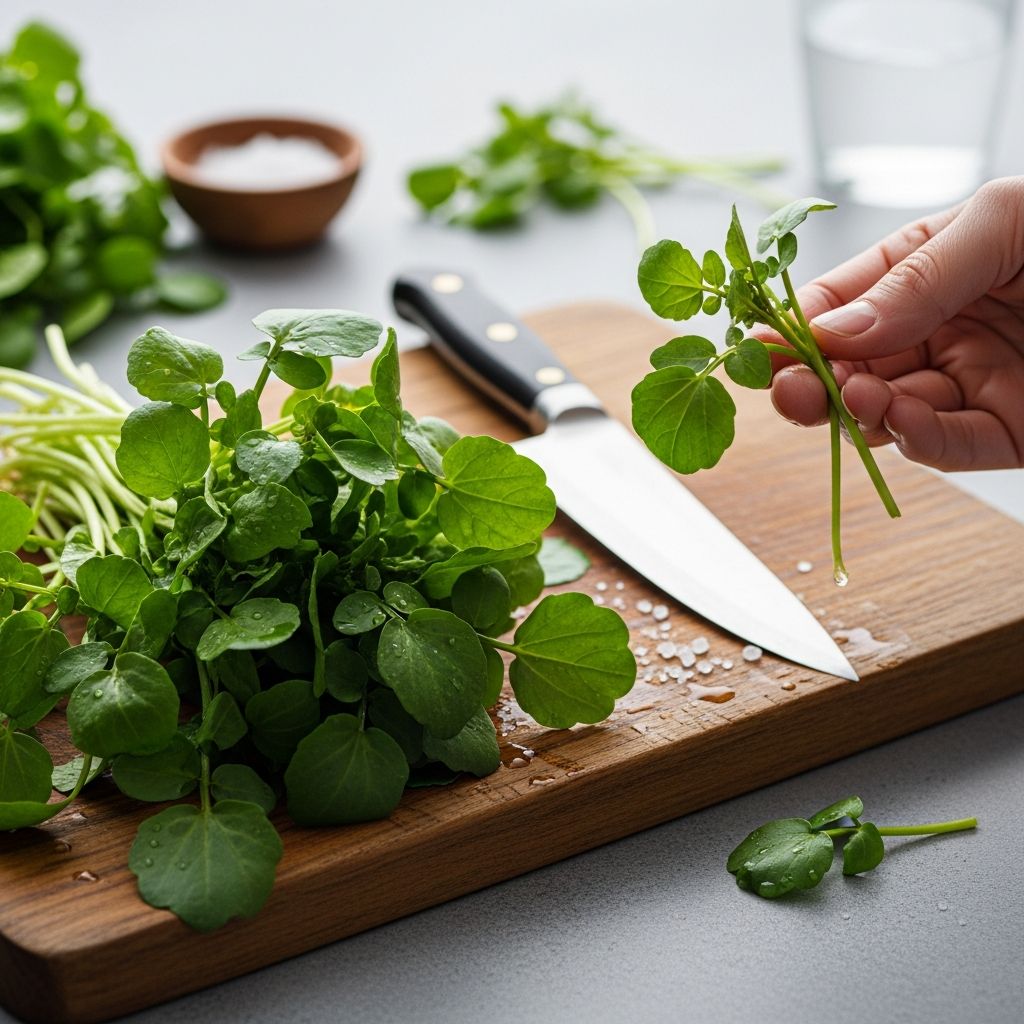
Watercress, a vibrant leafy green with a peppery flavor, ranks as one of the most nutrient-dense foods available. According to the Centers for Disease Control and Prevention’s (CDC) Powerhouse Fruits and Vegetables list, watercress scores a perfect 100 for nutrient density, outperforming other greens like kale and spinach. This aquatic plant thrives in clean, flowing spring water and has been cherished for centuries in traditional cuisines worldwide. Registered dietitian Toby Amidor, MS, RD, CDN, explains that just one cup (34 grams) of watercress delivers only 4 calories but packs over 100% of the daily value (DV) for vitamin K, along with substantial vitamin A, vitamin C, calcium, and antioxidants. These nutrients contribute to numerous health benefits, from cancer prevention to improved athletic performance. Incorporating watercress into salads, smoothies, or sandwiches is an easy way to boost your diet’s nutritional profile without adding significant calories.
What Is Watercress? What Does It Taste Like?
Watercress (Nasturtium officinale) is a cruciferous vegetable from the Brassicaceae family, related to mustard greens, broccoli, and arugula. It grows in shallow, nutrient-rich streams and springs, preferring cool, flowing water for optimal flavor and tenderness. Unlike many greens cultivated in soil, watercress’s aquatic habitat infuses it with unique minerals and phytonutrients. The plant features small, round leaves on slender stems, with a bright green hue that signals freshness. Harvested young, the leaves and tender stems offer the best texture.
Flavor-wise, watercress delivers a bold, peppery bite with subtle mustardy notes, making it a standout in salads or as a garnish. This pungency comes from glucosinolates, natural compounds that break down into isothiocyanates like phenylethyl isothiocyanate (PEITC), the richest source of which is found in watercress. When raw, it provides crispness; lightly wilted or blanched, it mellows for soups and sautés. Nutritionists recommend rinsing thoroughly under cold water and patting dry before use to preserve its delicate structure. Available year-round at farmers’ markets or grocery stores, opt for bunches with vibrant, unyellowed leaves. Store loosely wrapped in damp paper towels in the fridge for up to 5 days.
Watercress Nutrition Facts
Watercress is exceptionally low in calories yet brimming with essential nutrients, making it a top choice for weight management and overall vitality. Per 1 cup (34g) serving: 4 calories, 0.8g protein, 0.4g carbs, 0.2g fiber, and negligible fat. It shines in vitamins: 106% DV vitamin K for blood clotting and bone health; 24% DV vitamin C for immunity and collagen; 22% DV vitamin A (as beta-carotene) for vision and skin. Minerals include 4% DV calcium and manganese, supporting bones and metabolism.
Raw watercress is ‘high’ in vitamins A, C, and K1 (over 30% NRV per 100g), a ‘source’ of folate, B6, calcium (170mg/100g or 21% RDA), and iron. It’s naturally sugar-free, low-fat, high-protein for a green, and rich in phytochemicals like lutein, quercetin, phenolic acids, and glucosinolates. These antioxidants neutralize free radicals, with watercress outperforming other vegetables in phenol content and radical-scavenging ability. A 80g portion provides 17% RDA calcium for bones, nerves, and blood pressure regulation.
| Nutrient | Amount per 1 Cup (34g) | % Daily Value |
|---|---|---|
| Calories | 4 | 0% |
| Vitamin K | 106% DV | 106% |
| Vitamin A | 22% DV | 22% |
| Vitamin C | 24% DV | 24% |
| Calcium | 4% DV | 4% |
| Protein | 0.8g | 2% |
Source: USDA data via Healthline. This profile positions watercress as a ‘superfood’ for low-calorie, high-nutrient eating.
Health Benefits of Watercress
Extremely Nutrient-Dense
Watercress’s powerhouse status stems from its superior nutrient-to-calorie ratio. The CDC ranks it #1 among 41 fruits and vegetables for delivering vitamins, minerals, and phytonutrients with minimal energy. One cup exceeds daily vitamin K needs, vital for blood coagulation and bone mineralization.
High in Antioxidants
Loaded with beta-carotene, lutein, zeaxanthin, quercetin, and isothiocyanates, watercress combats oxidative stress. Studies show it neutralizes free radicals better than many greens, potentially reducing risks of cancer, diabetes, and heart disease. PEITC, abundant in watercress, shows anti-cancer promise in lab research.
Related Stories



May Have Cancer-Fighting Properties
Glucosinolates in watercress form sulforaphane and PEITC, compounds linked to inhibiting cancer cell growth in breast, colon, and lung cancers. Population studies associate cruciferous intake with lower cancer risk; watercress’s high concentration amplifies this. Antioxidants like carotenoids further protect DNA from damage.
Supports Heart Health
Nitrates in watercress convert to nitric oxide, relaxing blood vessels and lowering blood pressure. Potassium aids sodium balance, while antioxidants reduce cholesterol oxidation and inflammation. Early research suggests benefits for atherosclerosis prevention.
Protects Bone Health
Vitamin K activates osteocalcin for bone mineralization; high intake correlates with 35% lower hip fracture risk. Calcium, magnesium, and phosphorus provide building blocks against osteoporosis. A balanced veggie-rich diet enhances bone density.
Boosts Immunity with Vitamin C
15mg vitamin C per cup (20% DV women) supports white blood cell function and collagen for wound healing. Deficiency links to poor immunity; watercress helps meet needs.
Supports Eye Health
Lutein and zeaxanthin filter blue light, reducing macular degeneration risk. Vitamin A maintains retinal health.
Enhances Exercise Performance
Nitrates improve oxygen use; antioxidants curb exercise-induced damage. Studies show better endurance and recovery.
Potential Downsides and Risks
Watercress is safe for most, but those on blood thinners like warfarin should monitor vitamin K intake for consistency. Raw consumption may carry Nasturtium officinale risks if from contaminated water—choose reputable sources. High oxalates could concern kidney stone formers; cooking reduces them. Pregnant individuals limit to moderate amounts due to traditional uterine stimulant use, though evidence is limited. Always consult a doctor for personalized advice.
How to Eat and Cook Watercress
- Salads: Mix with milder greens, cherry tomatoes, feta, and vinaigrette for peppery contrast.
- Sandwiches: Layer on turkey or egg salad for zing.
- Smoothies: Blend 1 cup with banana, yogurt, and apple for nutrient boost.
- Soups: Wilt into potato or pea soup at end.
- Stir-fries: Sauté briefly with garlic and soy.
- Pesto: Puree with basil, nuts, parmesan, oil.
Consume raw or lightly cooked to preserve heat-sensitive vitamin C. Start with small amounts if new to its bite.
Watercress Recipes
Watercress Salad with Pear and Walnuts
Serves 4; 10 min prep
- 4 cups watercress
- 2 pears, sliced
- ½ cup walnuts
- ¼ cup feta
- Dressing: 3 Tbsp olive oil, 1 Tbsp balsamic, 1 tsp mustard, salt/pepper
Toss all; drizzle dressing. Nutrition per serving: 180 cal, vitamin C boost.[Original insp.]
Watercress Pesto Pasta
Serves 4; 20 min
- 2 cups watercress
- ½ cup parmesan
- ⅓ cup pine nuts
- 2 garlic cloves
- ½ cup olive oil
- 8 oz pasta
Blend first four with oil; toss with cooked pasta. Peppery, antioxidant-rich twist.
Frequently Asked Questions (FAQs)
Is watercress healthier than spinach?
Yes, watercress ranks higher on CDC’s nutrient density list (100 vs. spinach’s 86.4), with more vitamin K and antioxidants per calorie.
Can you eat watercress every day?
Absolutely; 1-2 cups daily enhances nutrient intake safely for most.
Is watercress good for skin?
Vitamin C and A promote collagen and protect against UV damage.
How much watercress per day?
1 cup provides key nutrients; aim for variety in greens.
Does watercress have oxalates?
Moderate levels; cooking lowers them for stone-prone individuals.
References
- Nutritional Composition of Watercress — The Watercress Company. Accessed 2026. https://www.thewatercresscompany.com/nutritional-composition-of-watercress
- 10 Impressive Health Benefits of Watercress — Healthline. 2023-05-15. https://www.healthline.com/nutrition/watercress-benefits
- Health Benefits of Watercress — WebMD. 2024-08-20. https://www.webmd.com/diet/health-benefits-watercress
- Watercress Health & Nutrition — B&W Quality Growers. Accessed 2026. https://bwqualitygrowers.com/watercress/health-and-nutrition/
- Watercress Health Benefits and Downsides — Food Revolution Network. 2023-11-10. https://foodrevolution.org/blog/watercress-health-benefits/
Similar Articles








Read full bio of Sneha Tete