Health Benefits Of Winter Squash: 11 Science-Backed Benefits
Discover the impressive nutrition profile and health perks of winter squash, from immune support to heart health and beyond.
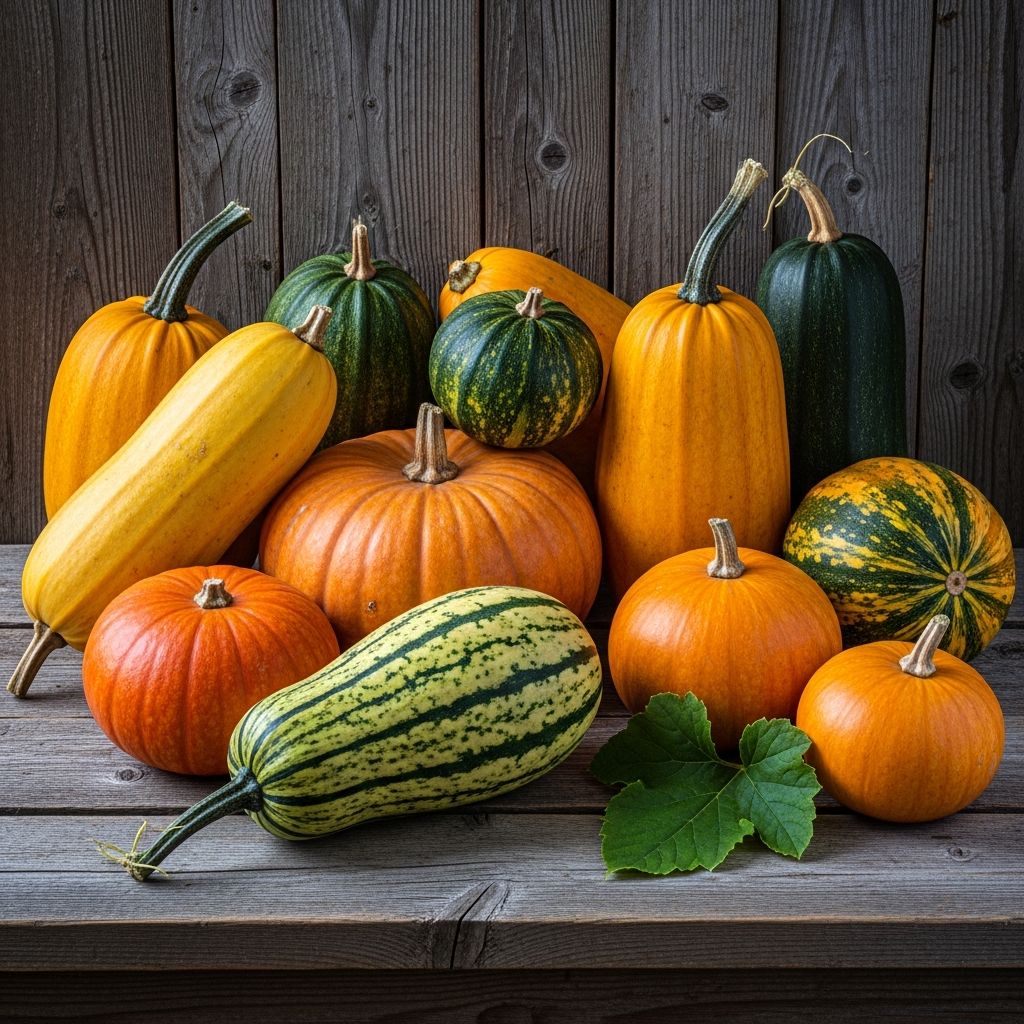
Winter squash, with its tough outer rind and sweet, vibrant flesh, is a nutritional powerhouse that shines in the cooler months. Varieties like butternut, acorn, spaghetti, and kabocha offer an array of health benefits backed by their rich profiles in vitamins, minerals, fiber, and antioxidants. A single serving can deliver over 200% of daily vitamin A needs, supporting vision, immunity, and skin health. This low-calorie vegetable aids weight management, gut health, and chronic disease prevention, making it a versatile addition to any diet.
What Is Winter Squash?
Winter squash refers to a group of hardy vegetables harvested in late fall or early winter, characterized by their hard, protective skins that allow long storage. Unlike tender summer squash like zucchini, winter varieties mature longer on the vine, developing dense, flavorful flesh packed with nutrients. Common types include:
- Butternut squash: Pear-shaped with smooth, tan skin and bright orange flesh; mildly sweet and versatile for roasting or purees.
- Acorn squash: Small, green-ribbed with yellow flesh; nutty flavor, ideal halved and baked.
- Spaghetti squash: Oblong, pale yellow; strands separate like pasta when cooked, low in carbs at 7-10g per cup.
- Kabocha: Deep green, squat shape; chestnut-like taste, dense texture.
- Pumpkin and delicata: Sweet options rich in beta-carotene and fiber.
These squashes thrive in cooler climates and store well for months, providing year-round access to seasonal nutrition.
Winter Squash Nutrition Facts
Winter squash is low in calories (around 45-115 per cup cooked) yet nutrient-dense, outperforming starchy foods like potatoes (77 calories per serving) in carb control and satiety. Key nutrients include high beta-carotene (converting to vitamin A), vitamin C, potassium, magnesium, and fiber. Here’s a breakdown per 1 cup cooked serving (approximate values based on USDA data for butternut and acorn squash):
| Nutrient | Amount | % Daily Value* |
|---|---|---|
| Calories | 82-115 | 4-6% |
| Carbohydrates | 20-25g | 7-9% |
| Fiber | 6-9g | 22-33% |
| Vitamin A (from beta-carotene) | 22,000 IU | 200%+ |
| Vitamin C | 25-33mg | 33-40% |
| Potassium | 500-582mg | 17-22% |
| Magnesium | 50-60mg | 12-15% |
| Calcium | 80-100mg | 8-10% |
| *Based on 2,000-calorie diet; values vary by variety. | ||
This profile supports its role as a low-glycemic, fiber-rich food ideal for blood sugar regulation and energy.
Health Benefits of Winter Squash
1. Packed With an Impressive Amount of Vitamin A
Winter squash is one of the richest sources of beta-carotene, a carotenoid antioxidant the body converts to vitamin A. One cup provides over 200% DV, essential for eye health, preventing night blindness and macular degeneration. Vitamin A also bolsters immunity and skin integrity.
2. Excellent Source of Vitamin C
Delivering 33%+ DV per serving, vitamin C in winter squash acts as an antioxidant, aiding collagen production for wound healing, gum health, and tissue repair. It enhances iron absorption and combats free radicals.
3. May Benefit Heart Health
Rich in potassium (582mg per cup butternut, 17-22% DV), winter squash helps regulate blood pressure by countering sodium effects. Fiber and antioxidants like beta-carotene reduce inflammation, cholesterol, and heart disease risk.
Related Stories



4. High in Fiber
With 6-9g per cup (22-33% DV), fiber promotes gut health, regularity, and satiety for weight control. It feeds beneficial bacteria, stabilizes blood sugar, and lowers risks of diabetes and heart disease.
5. Contains Powerful Antioxidants
Beyond beta-carotene, squash offers lutein, vitamins C and E, fighting oxidative stress, inflammation, and aging. Linked to reduced cancer risk (e.g., lung, prostate) via cell protection.
6. Supports Healthy Blood Pressure
Potassium and magnesium team up to relax blood vessels and maintain rhythm, while polysaccharides may lower cholesterol.
7. May Improve Gut Health
Fiber (including polysaccharides) nourishes gut microbiota, reduces constipation, and enhances immunity.
8. Supports Healthy Bones
Vitamins A, C, K, plus calcium, magnesium, and manganese promote bone density and prevent fractures.
9. May Aid Weight Control
Low-calorie, high-fiber, and low-GI nature promotes fullness without excess carbs, outperforming potatoes.
10. May Benefit Brain Health
B vitamins (folate, B6), antioxidants, and minerals like magnesium support cognition, mood, memory, and energy.
11. May Help Prevent Certain Cancers
Antioxidants like beta-carotene and flavonoids inhibit cancer cell growth and protect DNA.
Easy Ways to Add Winter Squash to Your Meals
- Roast cubes with olive oil, herbs at 400°F for 25-30 minutes.
- Make soups or purees from butternut.
- Spiralize spaghetti squash as pasta alternative.
- Stuff acorn halves with grains, nuts.
- Add to salads, stir-fries, or bake into muffins.
- Snack on roasted seeds for extra fiber, iron, zinc.
Start with simple roasting to preserve nutrients and enhance natural sweetness.
Frequently Asked Questions (FAQs)
What is the healthiest winter squash?
Butternut tops for vitamin A and versatility, but all varieties offer unique benefits; choose based on preference.
Is winter squash good for diabetics?
Yes, its low-GI, high-fiber profile helps regulate blood sugar.
Can you eat winter squash skin?
Varieties like delicata and kabocha have edible skins; others are tougher but nutritious if cooked soft.
How much winter squash per day?
1-2 cups cooked fits most diets; pair with proteins and fats for balance.
Is winter squash keto-friendly?
Moderately; spaghetti squash is lowest carb, but portions matter.
References
- Unlocking the Goodness of Winter Squash: A Seasonal Superfood — Shore Physicians Group. 2023. https://shorephysiciansgroup.com/unlocking-the-goodness-of-winter-squash-a-seasonal-superfood/
- Warm up to tasty and nutritious winter squash — American Heart Association. 2025-11-17. https://www.heart.org/en/news/2025/11/17/warm-up-to-tasty-and-nutritious-winter-squash
- Butternut Squash: Nutrition, Benefits, and Uses — Healthline. 2024. https://www.healthline.com/nutrition/butternut-squash
- Squash Nutrition and Health Benefits — Hawaii Ulu Cooperative. 2024. https://eatbreadfruit.com/blogs/health-and-nutrition/health-and-nutrition-benefits-of-pala%CA%BBai-squash
- 6 Health Benefits of Squash — Cleveland Clinic. 2023. https://health.clevelandclinic.org/benefits-of-squash
- Fall Nutrition means Winter Squash! — Run Ottawa. 2023. https://www.runottawa.ca/fall-nutrition-means-winter-squash/
- Winter Squash — Harvard T.H. Chan School of Public Health Nutrition Source. 2024. https://nutritionsource.hsph.harvard.edu/food-features/winter-squash/
Similar Articles








Read full bio of Sneha Tete