Amazing Health Benefits of Zucchini: A Complete Guide
Discover the science-backed health benefits of zucchini and why this versatile vegetable deserves a place in your diet.
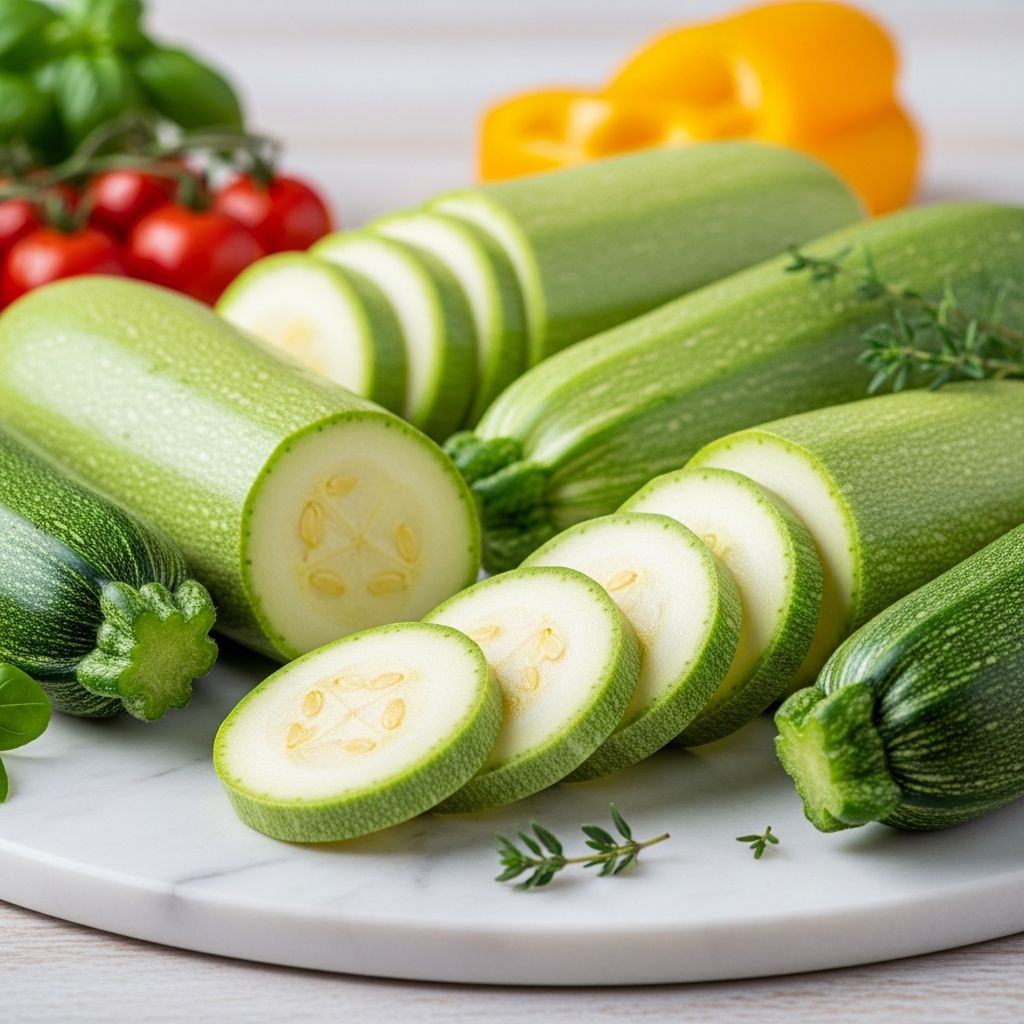
Zucchini is a humble summer squash that often goes overlooked in the produce aisle, yet it packs an impressive nutritional punch. This versatile vegetable is loaded with vitamins, minerals, and plant compounds that support numerous aspects of your health. Whether you’re looking to improve your digestion, support your heart, or manage your weight, zucchini offers evidence-based benefits that make it a worthy addition to any balanced diet.
Nutritional Profile of Zucchini
Understanding what makes zucchini so beneficial starts with examining its nutrient composition. One of the most notable aspects of zucchini is its exceptional water content—zucchini is approximately 94% water, making it an incredibly hydrating food that supports overall wellness. Despite its high water content, zucchini contains essential vitamins and minerals that contribute to optimal health.
Zucchini is a rich source of vitamin C, which helps form collagen and holds tissues, bones, and muscles together. This vitamin also protects against infection and supports iron and folate absorption. Additionally, zucchini provides essential B vitamins, including riboflavin, thiamine, niacin, and B6, which are crucial for energy production and nerve function.
The mineral content in zucchini is equally impressive. Potassium, present in significant quantities, helps maintain normal blood pressure and supports muscle function. Magnesium regulates protein synthesis, nerve function, blood glucose control, and is required for DNA synthesis and energy production. Calcium maintains muscle contraction and supports healthy bones and teeth, while phosphorus plays an important role in gene expression and energy production.
Zucchini also contains copper (10% of the daily value) and vitamin B6 (8% of the daily value), along with smaller amounts of iron, calcium, zinc, and other B vitamins. The skin of zucchini harbors the highest levels of antioxidants, and notably, yellow zucchinis may contain slightly higher levels than light green varieties.
Supports Immune Health
One of the primary reasons to incorporate zucchini into your diet is its powerful immune-boosting properties. Zucchini is abundant in vitamins A and C, along with numerous plant compounds including polyphenols and carotenoids—a group of plant pigments. All of these micronutrients function as antioxidants that help the body reduce inflammation and fight off free radicals.
The antioxidant properties of zucchini make it particularly effective at supporting immune function. By neutralizing free radicals that can damage cells and contribute to illness, zucchini helps your immune system work more efficiently. This is especially important during seasons when you’re more vulnerable to colds and flu.
Enhances Vision and Eye Health
When it comes to protecting your eyesight, zucchini is an excellent dietary choice. Two key carotenoids found in zucchini—lutein and zeaxanthin—are linked with improved eye health, and these compounds work synergistically with vitamin A to support clear vision.
The eye health benefits of zucchini extend beyond simple vision improvement. Lutein and zeaxanthin can accumulate in your retina, improving vision and reducing your risk of age-related eye diseases. Research demonstrates that these antioxidants may lower your risk of macular degeneration, which is the leading cause of irreversible vision loss in older adults. Additionally, diets high in lutein and zeaxanthin may lower your likelihood of developing cataracts, a clouding of the lens that leads to poor eyesight.
Related Stories



Zucchini also contains vitamin C and beta-carotene, both of which are important nutrients for eye health and work together to protect ocular tissues from oxidative stress.
Promotes a Healthy Heart
Cardiovascular health is a major concern for many people, and zucchini offers several compounds that support heart function. Zucchini’s fiber, potassium, magnesium, and vitamin K content all contribute to heart health. The specific type of soluble fiber found in zucchini—called pectin—is particularly beneficial for cholesterol management.
Pectin is a soluble fiber that binds to cholesterol in the gastrointestinal tract, reducing its absorption and lowering ”bad” cholesterol (LDL). This mechanism is especially important because elevated LDL cholesterol is a significant risk factor for heart disease. Furthermore, beta-carotene and vitamin C can help prevent the oxidation of cholesterol and reduce arterial plaque.
Observational studies show that people who eat more fiber have a lower risk of heart disease, and incorporating zucchini as a regular part of your diet can help you meet your daily fiber recommendations. The potassium and magnesium in zucchini also support healthy blood pressure regulation, another critical factor in cardiovascular health.
Improves Gut Microbiome Health
The health of your gut microbiome is increasingly recognized as fundamental to overall wellness, and zucchini plays an important role in maintaining a healthy digestive ecosystem. The soluble fiber found in zucchini is beneficial for the healthy bacteria that reside in the lining of your gut.
This prebiotic fiber acts as food for beneficial bacteria, allowing them to thrive and multiply. Soluble fiber feeds the beneficial bacteria living in your gut, and in turn, these friendly bacteria produce short-chain fatty acids (SCFAs) that nourish your gut cells. Additionally, SCFAs may help reduce inflammation and symptoms of certain gut disorders, such as irritable bowel syndrome (IBS), Crohn’s disease, and ulcerative colitis.
By regularly consuming zucchini, you’re actively supporting the diverse microbial community in your digestive tract, which has cascading benefits for your immune system, mental health, and metabolic function.
Strengthens Bones
Contrary to the common belief that dairy products are the only way to support bone health, many vegetables and fruits—including zucchini—can help you maintain and develop strong bones. Zucchini contains magnesium, manganese, and vitamin K, all of which are linked to maintaining and growing strong bones.
Zucchini is also rich in the antioxidants lutein and zeaxanthin, as well as vitamin K and magnesium, all of which can help strengthen bones. These minerals work together to support bone mineralization and prevent bone loss. Vitamin K, in particular, plays a crucial role in bone metabolism and is essential for maintaining bone density as you age.
For individuals concerned about osteoporosis or bone health in general, incorporating zucchini into your meals alongside other nutrient-dense foods is a practical and delicious approach to prevention.
Promotes a Healthy Nervous System
Your nervous system requires specific nutrients to function optimally, and zucchini provides several key micronutrients that support neurological health. Beyond the nutrients already mentioned, zucchini contains B vitamins folate and vitamin B6, which are essential for nervous system function.
Folate is an especially vital micronutrient for pregnant women as it’s critical in neural tube formation in growing babies in utero, as well as healthy blood and cell formation across the lifespan. This makes zucchini a particularly important food choice during pregnancy. Magnesium, also found in zucchini, regulates nerve function and supports proper neurotransmitter transmission.
Aids Muscle Functioning
Whether you’re an athlete or simply want to maintain strong, functional muscles, zucchini offers nutritional support for muscle health. Muscles need vitamins and minerals like potassium to contract, as do the nerves for muscle function. Potassium helps regulate the electrical impulses that control muscle contractions and works alongside sodium to maintain the balance of fluids and electrolytes in muscle cells, which reduces the risk of muscle cramps, spasms, and weakness.
This is particularly beneficial for individuals who engage in regular exercise or for older adults looking to maintain muscle mass and function.
Supports Satiety and Weight Loss
If you’re working toward weight loss or weight maintenance goals, zucchini is an exceptional dietary ally. Because zucchini is so low in calories and rich in water, it can help you feel full faster and for longer. This high water and low-calorie combination creates what nutritionists call ”low energy density”—meaning you get a substantial volume of food with minimal calories.
One study suggests that people who eat a lot of fruits and vegetables, including zucchini, tend to have lower energy density values, meaning their overall diet consists of foods that are lower in calories relative to their weight. Additionally, studies consistently link high fruit and vegetable intake to weight loss and a slower rate of weight gain over time.
Intake of non-starchy, dark green or yellow vegetables—with similar nutrition profiles to zucchini—appears particularly beneficial to weight loss. The fiber content also reduces hunger and keeps your appetite at bay, making it easier to maintain a calorie deficit without feeling deprived.
Aids Digestion and Supports Digestive Health
Proper digestion is foundational to good health, and zucchini offers multiple ways to support your digestive system. The insoluble fiber in zucchini acts as roughage for the digestive tract, supporting regularity. The high water content found in zucchini isn’t just hydrating either; it will also help support digestion.
Zucchini, like other plant foods, is a source of dietary fiber that can aid in satiety as well as improve digestion and reduce constipation. This combination of soluble and insoluble fiber makes zucchini particularly beneficial for maintaining healthy bowel movements and preventing digestive issues.
May Reduce Blood Sugar Levels
Zucchini may help lower blood sugar levels in people with type 2 diabetes. At just 3 grams of carbs per cooked cup (232 grams), zucchini provides a great low-carb alternative to pasta for those looking to reduce carb intake. It can be spiralized or sliced to replace spaghetti, linguini, or lasagna noodles in dishes.
Low-carb diets can significantly lower blood sugar and insulin levels, both of which may keep blood sugar levels stable and reduce the need for medication in people with type 2 diabetes. Additionally, zucchini’s fiber helps stabilize blood sugar, preventing levels from spiking after meals.
Diets rich in fiber from fruits and vegetables—including zucchini—are consistently linked to a lower risk of type 2 diabetes. The fiber found in zucchini may also help increase insulin sensitivity, which can help stabilize blood sugar. While animal studies note that zucchini peel extract may help reduce blood sugar and insulin levels due to the skin’s potent antioxidants, human research is needed before strong conclusions can be made.
Potential Anticancer Effects
While more research is needed, preliminary studies suggest potential cancer-fighting properties in zucchini. Carotenoids—such as lutein, zeaxanthin, and beta-carotene—may offer some protection against certain types of cancer, such as prostate cancer. Test-tube and animal studies indicate that zucchini extracts may help kill or limit the growth of certain cancer cells. However, human research is needed.
How to Select and Use Zucchini
Raw zucchini offers a similar nutrition profile as cooked zucchini, but with less vitamin A and more vitamin C, a nutrient which tends to be reduced by cooking. This means you can enjoy zucchini both raw in salads and cooked in various dishes while maintaining its health benefits.
Frequently Asked Questions (FAQs)
Q: How much zucchini should I eat daily?
A: There is no specific daily requirement, but aiming for one to two cups of zucchini per day as part of your overall vegetable intake is a healthy approach. Remember that zucchini should be part of a varied diet that includes other colorful vegetables and nutritious foods.
Q: Is zucchini skin nutritious?
A: Yes, the skin of zucchini harbors the highest levels of antioxidants, so you should keep the skin on when eating zucchini. Simply wash it thoroughly before use.
Q: Can I eat zucchini if I have type 2 diabetes?
A: Yes, zucchini is an excellent choice for people with type 2 diabetes due to its low carb content (3 grams per cooked cup) and high fiber, which helps stabilize blood sugar levels. It can even be used as a pasta substitute.
Q: Are yellow zucchinis more nutritious than green ones?
A: Yellow zucchinis may contain slightly higher levels of antioxidants compared to light green varieties, but both are nutritious choices. Eat the color you prefer and enjoy the health benefits of both.
Q: Is zucchini good for weight loss?
A: Yes, zucchini is excellent for weight loss efforts. Its high water content (94%), low calories, and high fiber make it very filling while providing minimal calories, helping you feel satisfied with fewer total calories consumed.
Q: Can pregnant women eat zucchini?
A: Yes, pregnant women should eat zucchini as it contains folate, which is critical in neural tube formation in growing babies in utero, as well as healthy blood and cell formation.
References
- 10 Health Benefits of Zucchini — Seniors Guide. 2024. https://www.seniorsguide.com/health/10-health-benefits-of-zucchini/
- Health Benefits of Zucchini — Advanced Health. 2022. https://advancedhealth.com/wp-content/uploads/2022/01/47-Aug-Zucchini-handout.pdf
- 12 Health and Nutrition Benefits of Zucchini — Healthline. 2020. https://www.healthline.com/nutrition/zucchini-benefits
Similar Articles








Read full bio of Sneha Tete