Health Benefits Of Onions: 10 Science-Backed Advantages
Discover the impressive health benefits of onions, from cancer prevention and heart health to bone strength and blood sugar control.
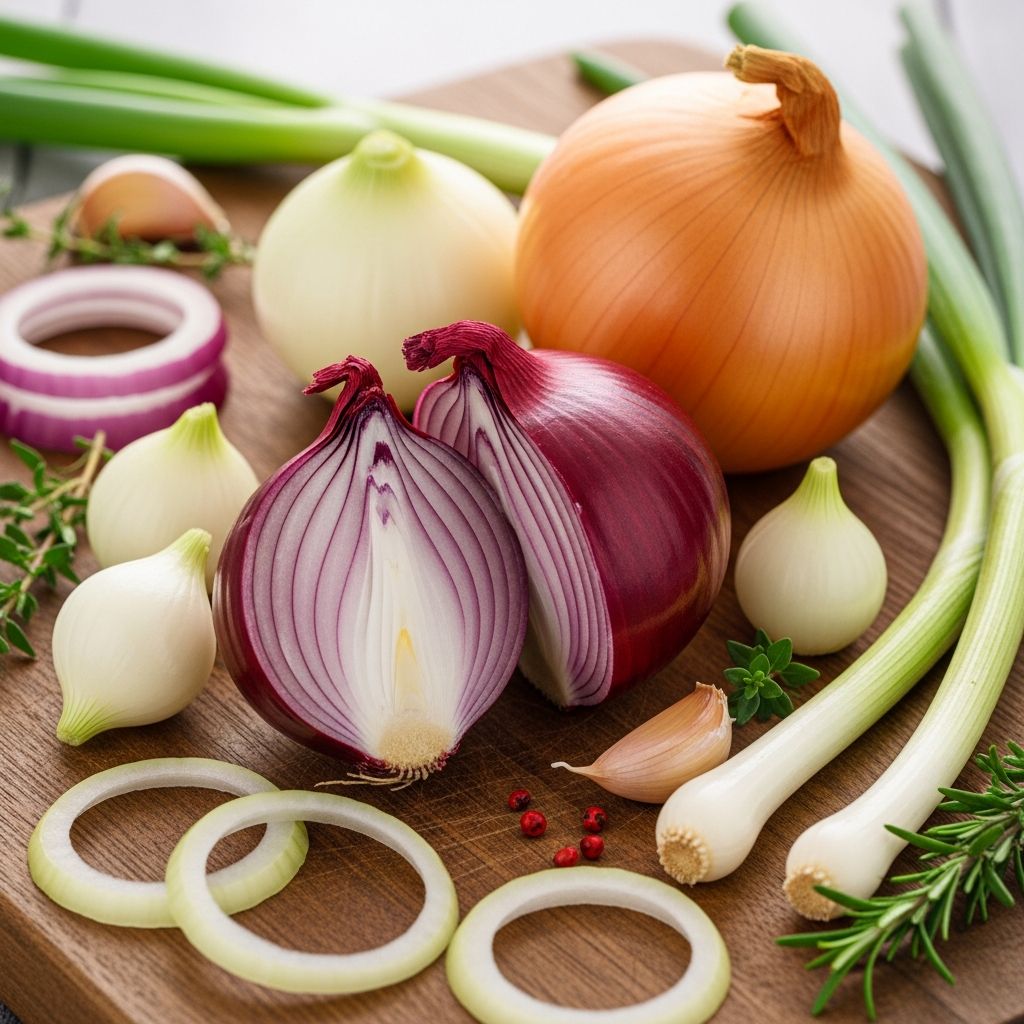
Onions are a versatile vegetable staple in kitchens worldwide, adding flavor to countless dishes while delivering remarkable health benefits. Packed with antioxidants, vitamins, minerals, and unique sulfur compounds, onions support everything from heart health to cancer prevention. This article explores their nutritional profile and evidence-based advantages, drawing from credible research.
Nutrition Facts of Onions
Onions are low in calories yet nutrient-dense, making them an excellent addition to any diet. A one-cup serving (about 150g) of chopped raw onions provides approximately 64 calories, 15g carbohydrates, 3g fiber, 2g protein, and negligible fat. They are rich in
vitamin C
(about 12% DV),vitamin B6
,potassium
,manganese
, andcopper
.Key nutrients per medium onion (110g):
| Nutrient | Amount | % Daily Value |
|---|---|---|
| Calories | 44 | 2% |
| Carbs | 10.3g | 4% |
| Fiber | 1.9g | 7% |
| Vitamin C | 8.1mg | 9% |
| Potassium | 161mg | 3% |
| Folate | 19µg | 5% |
These nutrients contribute to immune support, metabolism, and cellular function. Onions also contain prebiotic fibers like inulin and fructooligosaccharides, which nourish gut bacteria.
1. Onions Are Rich in Antioxidants
Onions rank among the top sources of antioxidants in the human diet, containing over 25 flavonoids, including
quercetin
andanthocyanins
(especially in red onions). These compounds neutralize free radicals, reducing oxidative stress and inflammation linked to chronic diseases.Quercetin, a potent flavonoid, exhibits anti-inflammatory, antiviral, and immune-boosting properties. Red onions have up to 14 times more quercetin than garlic. Regular consumption may protect against cellular damage, supporting overall longevity.
2. May Decrease Cancer Risk
Sulfur compounds like allicin and organosulfur derivatives in onions show anti-cancer potential. Studies link high onion intake to lower risks of colorectal, stomach, prostate, breast, throat, and ovarian cancers. People eating the most allium vegetables (onions, garlic) had reduced cancer incidence.
- One study found frequent onion eaters had the lowest colon, throat, and ovarian cancer rates.
- Quercetin and allicin inhibit cancer cell growth and promote apoptosis (cell death).
While promising, more clinical trials are needed. Aim for raw or lightly cooked onions to preserve these compounds.
3. Support Heart Health
Onions promote cardiovascular wellness through cholesterol reduction, blood pressure lowering, and anti-clotting effects. Organic sulfur compounds break down clots, while quercetin reduces inflammation and improves blood vessel function.
Benefits include:
- Lowering LDL cholesterol and triglycerides.
- Preventing platelet aggregation to reduce stroke risk.
- Supporting endothelial health for better circulation.
Eating onions raw maximizes sulfur benefits. A diet rich in allium veggies correlates with decreased heart disease mortality.
4. Help Control Blood Sugar Levels
For diabetes management, onions boost insulin production and sensitivity via quercetin and sulfur compounds. Chromium in onions aids glucose metabolism, preventing energy crashes.
Related Stories



Studies show onions lower fasting blood sugar and improve glycemic control. Prebiotic fibers also stabilize absorption, making onions ideal for balanced meals.
5. Promote Bone Health and Density
Onions may prevent osteoporosis by enhancing bone mineral density. Antioxidants reduce oxidative stress on bones, while vitamin C improves calcium absorption.
- Menopausal women eating onions daily showed stronger bones and lower hip fracture risk.
- A 2024 rat study confirmed onion flavonoids increase bone density.
- Human studies link frequent consumption to reduced bone loss.
Incorporate onions to support skeletal strength, especially during aging.
6. Improve Antibacterial Activity
Onions possess natural antibacterial properties from sulfur compounds and quercetin, combating pathogens like E. coli and Staphylococcus. Historically used in folk medicine, they may help fight infections.
Raw onions are most effective; compounds disrupt bacterial cell walls.
7. Onions Are Prebiotics Supporting Gut Bacteria
As prebiotics, onions feed beneficial gut microbes like Lactobacillus and Bifidobacterium. Inulin and FOS produce short-chain fatty acids (SCFAs), enhancing gut barrier integrity, immunity, and digestion.
Benefits:
- Reduces inflammation and bloating.
- Supports microbiome diversity.
- May alleviate IBS symptoms.
8. May Benefit Respiratory Health
Onion compounds relax airway muscles, reducing asthma and bronchitis inflammation. Quercetin acts as a natural bronchodilator and antihistamine.
Studies suggest onions ease allergic responses and improve lung function.
9. Delicious and Easy to Add to Your Diet
Onions enhance any meal: raw in salads, caramelized on burgers, or sautéed in stir-fries. Choose varieties like sweet Vidalia for milder flavor or red for extra antioxidants.
- Raw: Maximizes sulfur and quercetin.
- Cooked: Retains most benefits; avoid overcooking.
- Ideas: Onion soup, salsa, roasted veggies, or pickled.
All types offer benefits; variety ensures broad nutrient intake.
10. Other Potential Benefits
Emerging research indicates onions may aid weight management (low-cal, high-fiber), protect against gastric ulcers, and support brain health by lowering Alzheimer’s risk via flavonoids.
Are There Any Downsides to Eating Onions?
Onions are safe for most, but may cause digestive discomfort (gas, bloating) due to FOS in sensitive individuals. Those with IBS should start small. Rare allergies exist; cooking reduces irritants.
No major toxicity; moderation is key. Consult a doctor if on blood thinners, as onions have mild anticoagulant effects.
Frequently Asked Questions (FAQs)
Are onions good for you?
Yes, onions are highly nutritious, providing antioxidants that support heart health, cancer prevention, bone density, and more.
Can onions help with weight loss?
Onions are low-calorie and fiber-rich, promoting satiety and gut health, which indirectly aids weight management.
Raw or cooked onions—which is healthier?
Raw onions retain more sulfur compounds for heart and antibacterial benefits; both offer value.
Do onions cause bad breath?
Yes, sulfur compounds can; rinse mouth or chew parsley to mitigate.
Are red onions healthier than white?
Red onions have more anthocyanins and quercetin, but all colors are beneficial.
References
- Onions: Health Benefits and Nutrition — WebMD. 2023. https://www.webmd.com/diet/health-benefits-onions
- Onion Benefits: Nutrients, Antioxidants, and Cooking Ideas — Healthline. 2024-05-15. https://www.healthline.com/nutrition/onion-benefits
- Health Benefits of Sweet Onions — RealSweet. 2023. https://www.realsweet.com/resources/sweet-onion-health-benefits
- Top 10 health benefits of onions — BBC Good Food. 2024. https://www.bbcgoodfood.com/health/nutrition/ingredient-focus-onions
- Stop the Tears: Why Onions Are Good for You — Cleveland Clinic. 2023-08-10. https://health.clevelandclinic.org/are-onions-good-for-you
- Onion Nutrition — National Onion Council. 2024. https://www.onions-usa.org/all-about-onions/onion-nutrition/
- Onions–a global benefit to health — PubMed (Int J Food Sci Nutr). 2002-11. https://pubmed.ncbi.nlm.nih.gov/12410539/
Similar Articles








Read full bio of medha deb