Health Benefits Of Peaches: 11 Science-Backed Reasons
Discover the impressive health benefits of peaches, from heart health and digestion to immune support and cancer prevention.
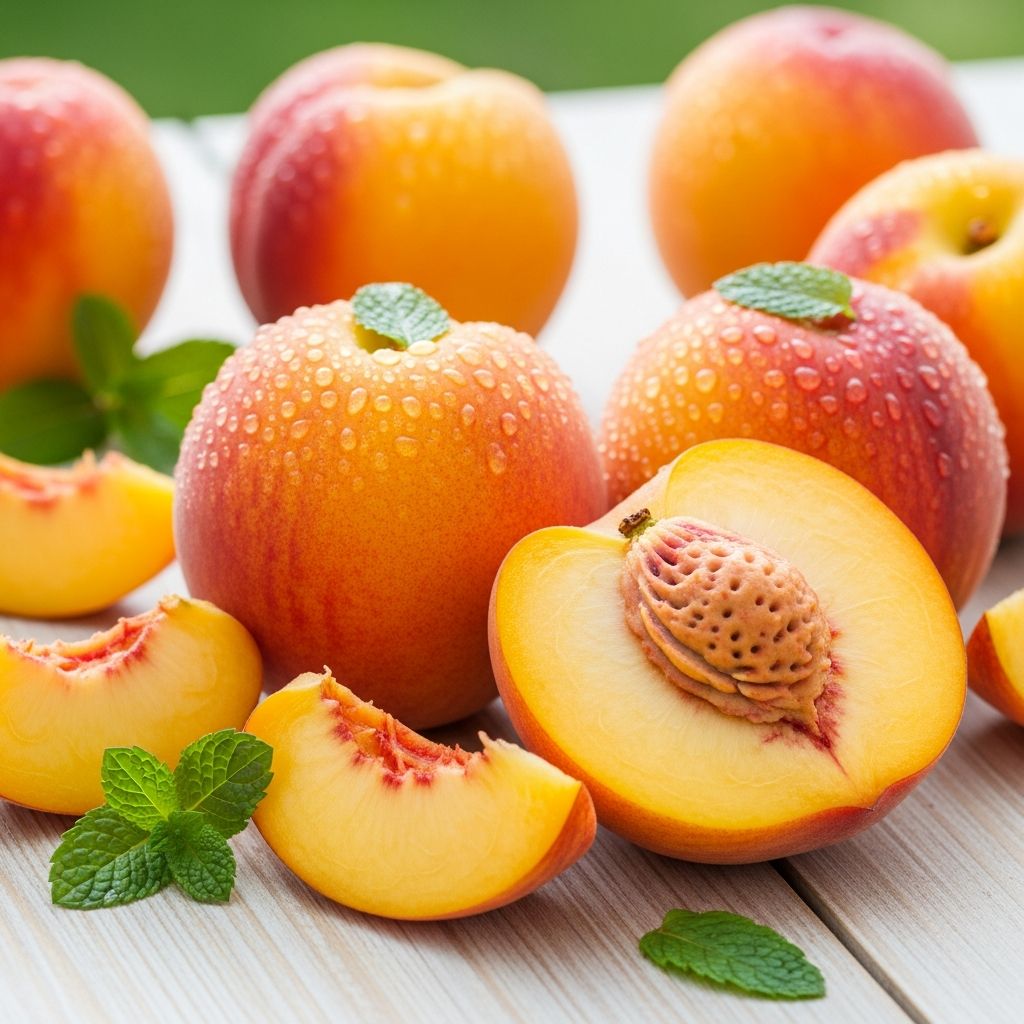
Peaches are a delicious, juicy stone fruit that offers far more than just flavor. Low in calories and packed with essential nutrients, peaches provide vitamins A, C, E, fiber, potassium, and powerful antioxidants that support overall health. These fuzzy summer staples can aid digestion, boost immunity, promote heart health, and even help prevent certain cancers.
Peach Nutrition Facts
One medium peach (about 150g) is incredibly nutrient-dense, delivering approximately 60 calories, 14g carbohydrates, 2g fiber, 1g protein, and zero fat. It’s rich in vitamin C (11% DV), copper (12% DV), niacin (8% DV), potassium (6% DV), and smaller amounts of vitamins A, E, K, B6, magnesium, zinc, and manganese.
| Vitamin/Mineral | Amount per Medium Peach (~150g) | % Daily Value |
|---|---|---|
| Vitamin C | 9.9 mg | 11% |
| Copper | 0.2 mg | 12% |
| Niacin (B3) | 1.2 mg | 8% |
| Potassium | 285 mg | 6% |
| Fiber | 2.3 g | 8% |
| Vitamin A | 24 μg | 3% |
This profile makes peaches an excellent low-calorie snack for weight management and daily nutrition.
1. Highly Nutritious
Peaches stand out for their broad spectrum of vitamins, minerals, and plant compounds. They provide vitamins A, C, E, and K, which support immune function, skin health, and vision. Minerals like potassium, magnesium, iron, phosphorus, zinc, and copper aid energy production, bone health, and red blood cell formation. The fruit’s antioxidants, including polyphenols, flavonoids, and carotenoids, combat oxidative stress.
Fresh, ripe peaches maximize these benefits, with higher antioxidant levels than canned varieties. Eating the skin boosts fiber and carotenoid intake.
2. Delicious and Low in Calories
With only 35-60 calories per medium peach and natural sweetness from 12g sugars balanced by 2g fiber, peaches satisfy cravings without spiking blood sugar. Their high water content (about 88%) promotes hydration and fullness, making them ideal for weight loss. Studies show adding whole fruits like peaches can reduce weight gain over time.
- Low fat and cholesterol-free
- High water content for hydration
- Fiber promotes satiety
- Fits plant-based, gluten-free diets
3. Help Lower Cholesterol Levels and Reduce Heart Disease Risk
Peaches support cardiovascular health through potassium, which regulates blood pressure by countering sodium and relaxing blood vessels. Fiber binds bile acids, promoting cholesterol excretion. Antioxidants like vitamin C and polyphenols protect against LDL oxidation, reducing plaque buildup. Research links peach consumption to lower triglycerides, blood pressure, and heart disease risk.
Postmenopausal women eating peaches weekly showed reduced breast cancer rates, potentially tied to heart-protective effects.
4. Improve Digestion
The 2-2.4g fiber per peach includes both soluble (stabilizes blood sugar, lowers cholesterol) and insoluble types (prevents constipation, supports gut motility). This combination aids bowel regularity, removes excess cholesterol, and promotes fullness. Eating the skin maximizes benefits.
Related Stories



5. Improve Eyesight
Peaches are loaded with vitamin A, lutein, zeaxanthin, and beta-carotene, essential for eye health. These nutrients protect against age-related macular degeneration, cataracts, and free radical damage. Vitamin E and zinc further support vision and cellular protection in the eyes.
6. Boost Immune System
Vitamins A, C, E, zinc, iron, and copper in peaches enhance immune response. Vitamin C fights infections and boosts collagen for tissue repair. Antioxidants neutralize free radicals, while polyphenols reduce inflammation linked to chronic diseases.
7. Healthy Skin
Vitamin A promotes skin cell turnover and protects against UV damage. Vitamins C and E support collagen production and wound healing. Antioxidants combat aging free radicals, keeping skin glowing and resilient.
8. Anti-Inflammatory Benefits
Rich in vitamin C, polyphenols, and carotenoids (highest in peels), peaches reduce chronic inflammation tied to heart disease, arthritis, and cancer. These compounds inhibit inflammatory pathways and oxidative stress.
9. May Protect Against Certain Types of Cancer
Antioxidants in peaches neutralize free radicals that damage DNA, potentially lowering risks of breast, lung, and other cancers. Studies on postmenopausal women found lower breast cancer rates with regular peach intake. Carotenoids and phenolics show promise in lab research.
10. May Boost Brain Health
Flavonoids and antioxidants shield brain cells from oxidative stress, potentially improving memory and reducing neurodegenerative disease risk. Polyphenols support cognitive function.
11. Support Healthy Weight Loss
Low-calorie, high-fiber, and hydrating, peaches curb hunger and stabilize blood sugar. Stone fruit compounds improve metabolic health, reducing obesity-related risks.
Peach Nutrition Comparison: Fresh vs. Canned
| Nutrient | Fresh Peach (Medium) | Canned Peach (Unpeeled, Drained) |
|---|---|---|
| Calories | 60 | ~55 |
| Fiber | 2.3g | 1.5g |
| Vitamin C | 9.9mg | ~5mg |
| Antioxidants | High | Moderate |
Fresh peaches outperform canned in antioxidants and fiber; opt for unpeeled canned if fresh unavailable.
Frequently Asked Questions (FAQs)
Are peaches good for weight loss?
Yes, their low calories, high fiber, and water content promote fullness and support metabolic health without added sugars.
Should you eat peach skin?
Yes, the fuzzy skin contains the most fiber, carotenoids, and antioxidants for maximum benefits.
Are peaches anti-inflammatory?
Yes, polyphenols, vitamin C, and carotenoids reduce inflammation linked to chronic diseases.
Do peaches help lower cholesterol?
Yes, fiber binds bile acids, and potassium/antioxidants improve lipid profiles and blood pressure.
What’s the best time to eat peaches?
Peak season (June-August) for freshness and highest antioxidants; eat ripe for optimal nutrition.
Are canned peaches as healthy?
Unpeeled canned peaches retain vitamins but have fewer antioxidants than fresh; choose in juice, not syrup.
In summary, peaches are a versatile, nutrient powerhouse fruit that enhances diet quality. Incorporate them fresh, in smoothies, salads, or grilled for year-round benefits. Always wash thoroughly and consume soon after purchase for peak nutrition.
References
- Learn the Health Benefits of Peaches — Lane Southern Orchards. 2023. https://lanesouthernorchards.com/blogs/news/health-benefits-of-peaches
- Peaches: Calories, Weight Loss, Nutrition Facts, & Health Benefits — Noom. 2024. https://www.noom.com/blog/nutrition/peaches-for-weight-loss/
- Health Benefits of Peaches — WebMD. 2024-01-13. https://www.webmd.com/diet/health-benefits-peaches
- All the Health Benefits of Eating Peaches — Cleveland Clinic. 2023. https://health.clevelandclinic.org/benefits-of-peaches
- Fuzzy and full of nutrients, peaches are a summertime staple — American Heart Association. 2022-07-05. https://www.heart.org/en/news/2022/07/05/fuzzy-and-full-of-nutrients-peaches-are-a-summertime-staple
- Peach Nutrition Facts — National Agricultural Classroom. N.D. https://cdn.agclassroom.org/media/uploads/LP873/Peach_Nutrition_Facts.pdf
- The Many Health Benefits of Peaches — Healthline. 2024. https://www.healthline.com/nutrition/peach-fruit-benefits
Similar Articles








Read full bio of Sneha Tete