Benefits Of Quitting Sugar: 8 Science-Backed Health Gains
Discover the transformative health benefits of cutting out added sugar, from weight loss to improved heart health and mental clarity.
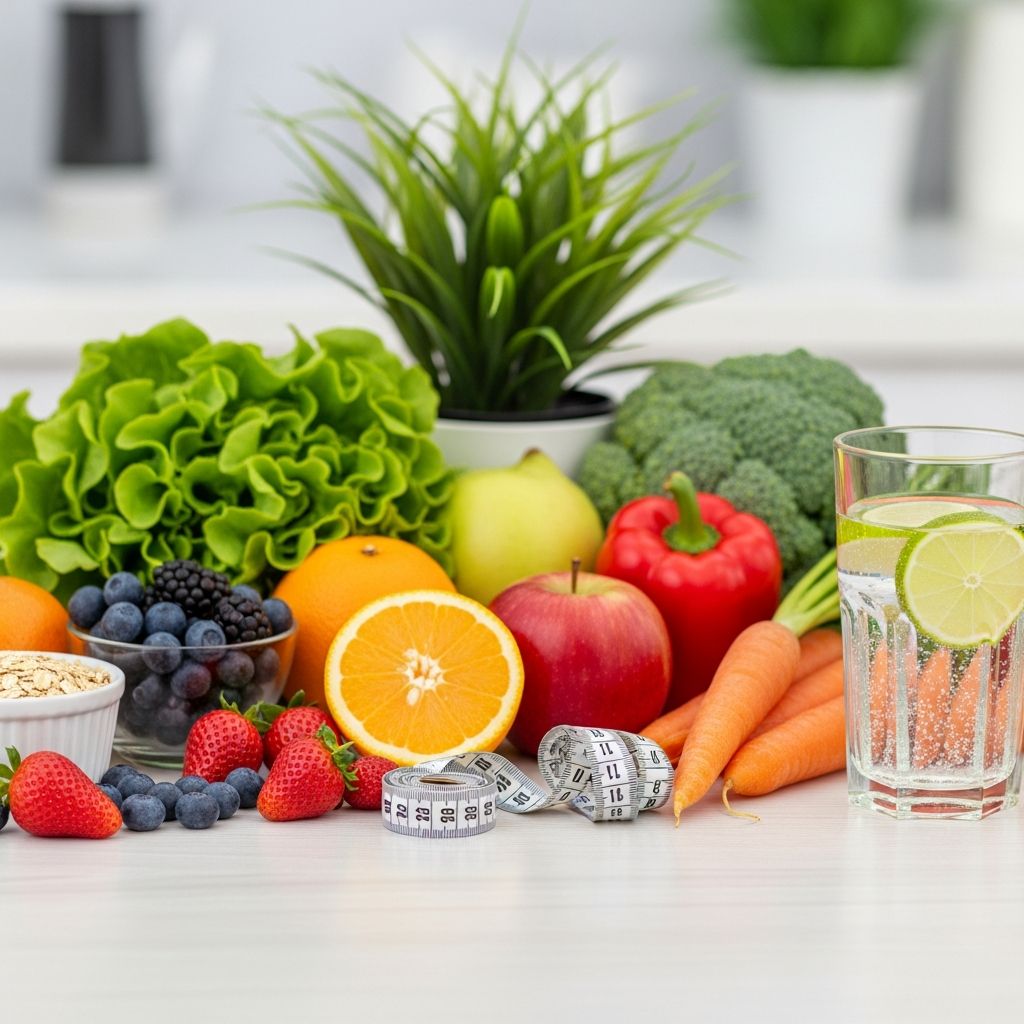
Added sugars lurk in many everyday foods, contributing to numerous health issues when consumed in excess. Quitting or significantly reducing added sugar can yield profound benefits across physical, mental, and metabolic health. This article delves into the key advantages backed by research, helping you understand why a sugar detox might be transformative.
What Counts as Added Sugar?
Added sugars are those incorporated during food processing or preparation, distinct from natural sugars in fruits and dairy. Common culprits include table sugar, high-fructose corn syrup, honey, and syrups found in sodas, candies, baked goods, and even savory sauces. The American Heart Association recommends limiting added sugars to no more than 6 teaspoons (25 grams) daily for women and 9 teaspoons (36 grams) for men. Exceeding this promotes obesity, insulin resistance, and inflammation.
1. Stabilized Blood Sugar Levels
Excessive sugar spikes blood glucose and insulin, leading to crashes that foster cravings and fatigue. Cutting added sugar normalizes these levels, reducing risks of type 2 diabetes, retinopathy, dementia, chronic kidney disease, nonalcoholic fatty liver disease (NAFLD), polycystic ovary syndrome, and cardiovascular disease.
- A short-term reduction can lower fasting blood sugar and improve insulin sensitivity, even without weight loss.
- Studies link sugar-sweetened beverages (SSBs) to impaired insulin signaling, particularly in women.
- Systematic reviews confirm SSB consumption strongly associates with type 2 diabetes incidence in a dose-dependent manner.
For instance, a study in adolescent boys with NAFLD showed an 8-week low-sugar diet reduced hepatic fat and fasting insulin more effectively than standard diets.
2. Weight Loss and Reduced Obesity Risk
Sugary foods are calorie-dense yet nutrient-poor, promoting overeating and weight gain. Replacing them with whole foods fosters satiety via protein, fiber, and healthy fats.
| Factor | High-Sugar Diet Impact | Low-Sugar Benefit |
|---|---|---|
| Calorie Intake | Leads to excess calories | Reduces overall intake |
| Satiety | Low due to lack of fiber/protein | Increased fullness |
| Body Fat | Promotes accumulation | Supports fat loss |
Diets under 20% calories from added sugar correlate with lower triglycerides and body weight, independent of total calories. A sugar detox often results in 5-10% body weight reduction in the first month, primarily from water and fat loss.
3. Improved Oral Health
Sugar feeds oral bacteria, producing acids that erode enamel and cause cavities. Sweetened beverages are a primary risk factor for tooth decay. Quitting sugar starves these bacteria, reducing plaque and gingivitis. Clinical evidence shows lower sugar intake directly protects teeth, with benefits noticeable in weeks.
- Brushing and flossing amplify gains, but sugar reduction is foundational.
- Children benefit most, preventing lifelong dental issues.
4. Enhanced Liver Health
High-fructose diets overload the liver, causing NAFLD via fat synthesis (de novo lipogenesis). A 2021 study found an 8-week low-sugar intervention cut this process by 10.5% in NAFLD patients, reducing liver fat. Fructose from SSBs, unlike fruit fructose, heightens risk due to rapid absorption.
Related Stories



Avoiding high-fructose corn syrup preserves liver function, averting progression to cirrhosis.
5. Better Heart Health
Added sugar elevates triglycerides, blood pressure, and cholesterol, increasing heart disease mortality. SSBs alone double cardiovascular risk factors.
- Low-sugar diets lower triglycerides even at stable weight.
- Reducing intake below 20% of calories slashes heart disease odds.
- Meta-analyses tie free sugars to hypertension and atherosclerosis.
The NHS emphasizes swapping sugary drinks for water to protect vascular health.
6. Clearer Skin and Anti-Aging Effects
Sugar triggers glycation, where molecules bind proteins like collagen, causing wrinkles and sagging. High intake accelerates skin aging; reduction improves elasticity and reduces acne. Studies link SSBs to inflammation-driven breakouts, with detox yielding glow in 2-4 weeks.
7. Increased Energy and Mood Stability
Sugar highs crash into fatigue; quitting stabilizes energy via complex carbs. Diets favoring whole grains, fruits, and veggies sustain vitality without spikes. High sugar correlates with anxiety and depression via dopamine dysregulation, mimicking addiction withdrawal.
Post-detox, many report sharper focus and fewer mood swings.
8. Reduced Risk of Chronic Diseases
Beyond specifics, low sugar cuts diabetes, hypertension, and cancer risks. Econometric models from 175 countries show sugar availability predicts diabetes prevalence. Whole-food swaps boost nutrients for cellular repair.
How to Quit Sugar: Practical Tips
- Read Labels: Spot hidden sugars like dextrose, maltose.
- Swap Beverages: Choose water, herbal tea over soda.
- Increase Healthy Fats: Avocados, nuts curb cravings.
- Eat Whole Fruits: Fiber tempers natural sugars.
- Plan Meals: Nutrient-dense foods prevent binges.
- Manage Withdrawal: Expect headaches, irritability for 3-7 days.
A 30-day challenge builds habits, but consistency sustains benefits.
What to Expect During a Sugar Detox
- Weeks 1-2: Cravings peak, energy dips, possible headaches.
- Weeks 3-4: Cravings fade, skin clears, weight drops.
- Long-Term: Stable mood, better sleep, sustained energy.
Side effects like sleep disruption resolve quickly.
Frequently Asked Questions (FAQs)
Will I lose weight quitting sugar?
Yes, typically 5-10 lbs in the first month from reduced calories and water retention, especially with whole foods.
Is fruit sugar okay?
Yes, fiber slows absorption, unlike added sugars. Aim for 1-2 servings daily.
How long until I feel benefits?
Energy stabilizes in days; weight/skin improvements in 2 weeks.
Can sugar cause depression?
High intake links to mood disorders via brain chemistry changes; reduction helps.
What’s the best sugar substitute?
Stevia or monk fruit; avoid artificial if possible.
References
- 30-Day No Sugar Challenge: Benefits, What to Expect, and More — Healthline. 2023. https://www.healthline.com/nutrition/30-days-no-sugar
- What Happens When You Cut Out Added Sugar? — WebMD. 2023. http://www.webmd.com/diet/ss/slideshow-effects-cut-added-sugar
- The Impact of Free Sugar on Human Health—A Narrative Review — PMC (NCBI). 2023-02-23. https://pmc.ncbi.nlm.nih.gov/articles/PMC9966020/
- A Comprehensive Guide to Going Sugar-Free — LDN Research Trust. 2023. https://ldnresearchtrust.org/sites/default/files/A_Comprehensive_Guide_to%20Going_Sugar_by_Carrie_Forrest_MPH.pdf
- How to cut down on sugar in your diet — NHS (UK Gov). 2023. https://www.nhs.uk/live-well/eat-well/how-to-eat-a-balanced-diet/how-to-cut-down-on-sugar-in-your-diet/
- Tips for Cutting Down on Sugar — American Heart Association. 2023. https://www.heart.org/en/healthy-living/healthy-eating/eat-smart/sugar/tips-for-cutting-down-on-sugar
- 10 things you should know before giving up sugar — BBC Good Food. 2023. https://www.bbcgoodfood.com/health/special-diets/10-things-worth-knowing-sugar-detox
Similar Articles








Read full bio of Sneha Tete