Health Benefits of Tomatoes: 7 Powerful Reasons to Eat Them
Discover the powerful antioxidants and nutrients in tomatoes that support heart health, cancer prevention, skin protection, and more.
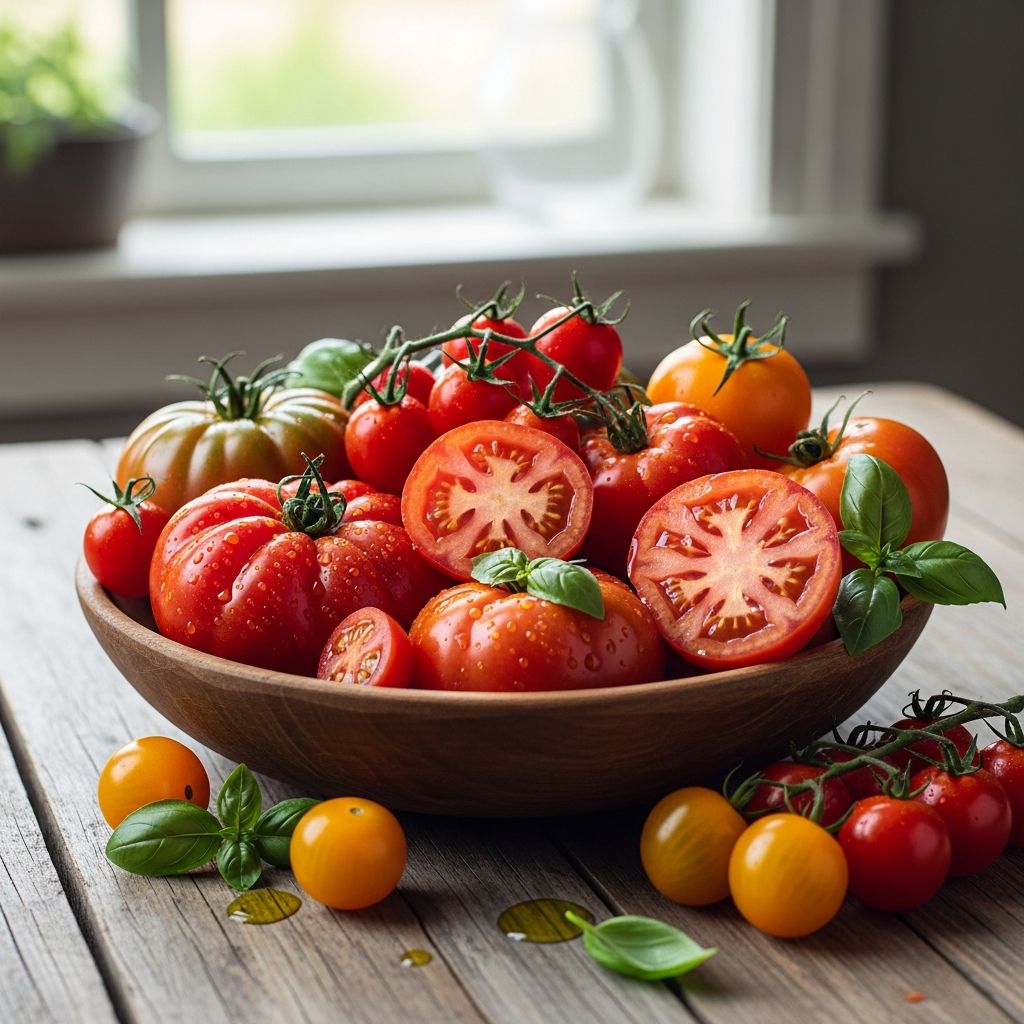
Tomatoes (*Solanum lycopersicum*) are a versatile fruit often treated as a vegetable, packed with essential nutrients and powerful antioxidants like lycopene. These compounds contribute to numerous health benefits, including heart protection, cancer risk reduction, skin health improvement, and more. A medium-sized tomato provides about 28% of the daily recommended intake of vitamin C, along with potassium, vitamin K, folate, and beta-carotene. Regular consumption of tomatoes and tomato products can enhance overall wellness when part of a balanced diet.
Tomatoes 101: Nutrition Facts
Tomatoes are low in calories but nutrient-dense. One medium tomato (about 123 grams) contains approximately 22 calories, 4.8 grams of carbohydrates, 1.5 grams of fiber, and negligible fat or protein. They are rich in water (95%), making them hydrating and supportive of weight management.
Key Vitamins and Minerals in Tomatoes
- Vitamin C: An essential antioxidant; one tomato delivers 28% of the Reference Daily Intake (RDI), aiding immune function and collagen production.
- Potassium: Supports blood pressure control, heart function, and muscle contractions.
- Vitamin K1 (Phylloquinone): Crucial for blood clotting and bone health.
- Folate (Vitamin B9): Vital for cell function and tissue growth, especially during pregnancy.
- Vitamin A (from beta-carotene): Promotes vision, immunity, and skin health.
Tomatoes also contain iron, vitamin E, and B vitamins, contributing to comprehensive nutritional support.
Health Benefits of Tomatoes
1. Tomatoes Promote Heart Health
Heart disease remains the leading global cause of death. Tomatoes’ lycopene and other antioxidants help mitigate risks by lowering LDL (bad) cholesterol, reducing inflammation, and protecting blood vessels. Studies link low lycopene and beta-carotene levels to higher heart attack and stroke risks. Clinical trials show lycopene supplementation reduces LDL cholesterol and oxidative stress markers.
A crossover study found that 150 mL/day of vine-ripened tomato sauce for 6 weeks lowered LDL by 12%, comparable to sterol-enriched yogurt. Tomato juice (400 mL daily plus ketchup) over 3 weeks reduced LDL and increased its resistance to oxidation in healthy adults. These effects stem from lycopene’s inhibition of LDL oxidation, prevention of atherosclerosis, and anti-platelet activity from seed-surrounding compounds. Potassium further aids blood pressure regulation.
2. Tomatoes May Reduce Cancer Risk
Observational studies associate tomato consumption with lower incidences of prostate, lung, stomach, and breast cancers. Lycopene’s anti-angiogenic properties, reduction of insulin-like growth factor (IGF), and modulation of cancer pathways are key. Other components like fiber, vitamin C, and ferulic acid enhance these effects.
Animal studies demonstrate reduced prostate and liver cancer prevalence with tomato-enriched diets, linked to steroidal alkaloids that lower cholesterol absorption and cancer cell proliferation. Carotenoids in tomatoes protect against breast cancer in women. Human research is promising but calls for more high-quality trials to confirm causality. Tomatoes also activate genes for xenobiotic metabolism, aiding detoxification and potentially preventing cancer, similar to cruciferous vegetables.
3. Tomatoes Protect Your Skin
Lycopene acts like a natural sunscreen, shielding cells from UV damage much like it protects the fruit itself. Tomatoes’ antioxidants, including beta-carotene and vitamin C, combat oxidative stress, reduce inflammation, and promote skin repair. Regular intake improves skin elasticity and protects against sunburn. A tomato-enriched diet supports collagen production via vitamin C, vital for youthful skin.
Related Stories



4. Tomatoes Support Immune Function
Vitamin C in tomatoes boosts white blood cell production and function, enhancing immunity. Field-grown salad tomatoes contain 15-21 mg/100g of vitamin C, higher than some industrial varieties, influencing immune benefits based on growing conditions. Combined with vitamin A and E, tomatoes fortify defenses against infections.
5. Tomatoes Aid Digestion and Gut Health
The fiber in tomatoes (1.5g per medium fruit) promotes regular bowel movements and gut microbiome health. Tomato consumption reduces inflammatory bowel disease risk by fostering beneficial bacteria. Phytochemicals like lycopene support gut integrity.
6. Tomatoes Benefit Brain and Exercise Recovery
Antioxidants in tomatoes protect against neurodegenerative diseases by reducing oxidative damage. They also aid exercise recovery by mitigating muscle fatigue and inflammation. Steroidal alkaloids may reduce muscle atrophy.
7. Tomatoes Support Blood Sugar Control and Fertility
Low glycemic index tomatoes help manage diabetes risk. Lycopene improves fertility parameters in studies.
Why Lycopene in Tomatoes Is a Superstar Antioxidant
Lycopene, the pigment giving tomatoes their red hue, is a potent carotenoid antioxidant. Cooking enhances its bioavailability; processed tomato products like sauce or juice often provide more absorbable lycopene than raw tomatoes. It neutralizes free radicals, reduces inflammation, and crosses the blood-brain barrier for neuroprotection. Daily intake via diet is safer than supplements, avoiding overconsumption risks.
Delicious Ways to Add More Tomatoes to Your Diet
- Salads: Slice fresh tomatoes with olive oil and herbs for vitamin C boost.
- Sauces: Homemade marinara maximizes lycopene absorption.
- Soups and Stews: Cooked tomatoes retain nutrients.
- Roasted: Oven-roast with garlic for flavor and antioxidants.
- Smoothies: Blend with fruits for a nutrient-packed drink.
- Stuffed: Fill with grains and veggies for a complete meal.
Aim for 1-2 servings daily. Cooking with healthy fats like olive oil improves lycopene uptake.
Potential Downsides and Precautions
Tomatoes are safe for most, but those with acid reflux may experience heartburn from acidity. Lycopene supplements can cause digestive upset if overconsumed; stick to food sources. People with nightshade sensitivities should consult doctors. Pesticide residues on non-organic tomatoes warrant washing or peeling.
Frequently Asked Questions (FAQs)
Are tomatoes better raw or cooked?
Cooked tomatoes increase lycopene bioavailability, making sauces and soups ideal, while raw preserve vitamin C.
Can tomatoes help lower cholesterol?
Yes, studies show tomato products reduce LDL cholesterol and oxidation.
Do tomatoes prevent cancer?
They may reduce risk via lycopene and antioxidants, but more human trials needed.
How much lycopene is in a tomato?
About 3-5 mg per medium tomato; processed forms have higher absorbable amounts.
Are cherry tomatoes as healthy?
Yes, often higher in lycopene and sweeter, providing similar benefits.
Nutrition Comparison Table
| Nutrient | Amount per Medium Tomato (123g) | % Daily Value |
|---|---|---|
| Calories | 22 | 1% |
| Vitamin C | 17 mg | 28% |
| Potassium | 292 mg | 8% |
| Vitamin K | 7.9 mcg | 10% |
| Folate | 15 mcg | 4% |
Values based on a 2,000-calorie diet.
References
- 7 Surprising Health Benefits of Tomatoes — Chicago Health Online. 2023. https://chicagohealthonline.com/7-health-benefits-of-tomatoes/
- Tomatoes 101: Nutrition Facts and Health Benefits — Healthline. 2024-01-15. https://www.healthline.com/nutrition/foods/tomatoes
- Tomatoes: An Extensive Review of the Associated Health Impacts — PMC (National Library of Medicine). 2022-02-22. https://pmc.ncbi.nlm.nih.gov/articles/PMC8869745/
- How Might Tomatoes Provide Health Benefits? — USDA Agricultural Research Service. 2024-05-10. https://www.ars.usda.gov/news-events/news/research-news/2024/how-might-tomatoes-provide-health-benefits/
- The Health Benefits of Tomatoes — WebMD. 2024. https://www.webmd.com/food-recipes/ss/slideshow-tomato-health-benefits
- 3 Vegetables That Are Healthier When Cooked — Denver Health Medical Plan. 2023. https://www.denverhealthmedicalplan.org/blog/3-vegetables-are-healthier-when-cooked
Similar Articles








Read full bio of medha deb