Garlic: 6 Science-Backed Ways It Helps Your Health
Discover the science-backed health benefits of garlic and how it supports immunity, heart health, and inflammation.
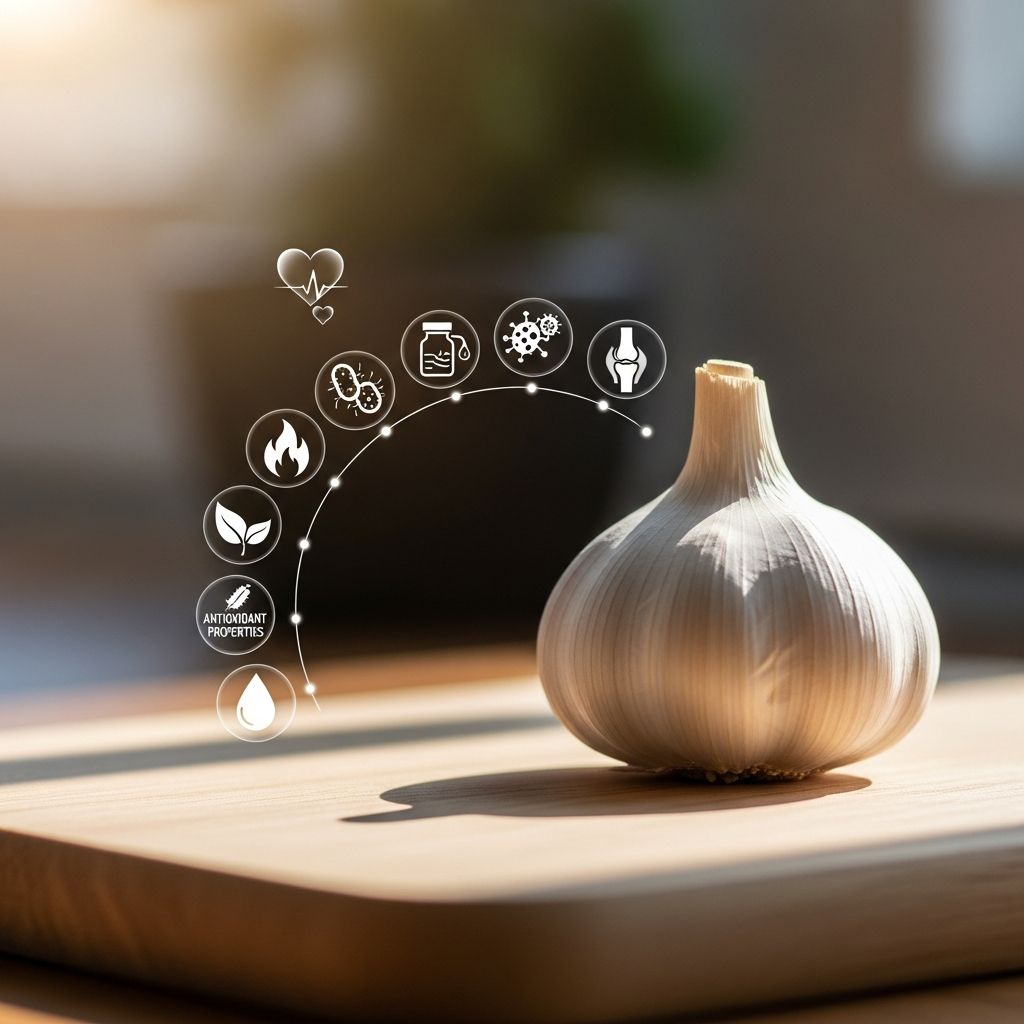
Health Conditions Garlic Can Help With
Garlic has been used in traditional medicine for thousands of years, but modern scientific research is now confirming what ancient healers have long known: this humble bulb contains powerful compounds that can support overall health and wellness. The key to garlic’s remarkable benefits lies in an organic sulfur compound called allicin, which gives garlic its distinctive pungent smell and most of its health-promoting properties. Beyond allicin, garlic contains other beneficial compounds such as diallyl disulfide, s-allyl cysteine (SAC), and various organosulfur compounds that work together to support multiple body systems. Whether you’re looking to strengthen your immune system, improve cardiovascular health, or reduce inflammation, garlic offers a natural, accessible option backed by scientific evidence.
Boosting Immunity and Fighting Infection
One of the most compelling reasons to include more garlic in your diet is its ability to enhance immune function. Research has demonstrated that garlic works as an immunomodulator, meaning it helps regulate and optimize how your immune system functions. The compound allicin, along with other sulfur-containing molecules, stimulates specific types of immune cells including macrophages, lymphocytes, natural killer (NK) cells, dendritic cells, and eosinophils. These cells form the frontline defense against pathogens that cause illness.
A significant epidemiological study involving 41,000 women between ages 55 and 69 found that those who routinely consumed garlic along with fruits and vegetables had a 35% lower colon cancer risk compared to those who rarely ate these foods. This protective effect is attributed to garlic’s ability to modulate cytokine secretion and enhance immunoglobulin production, strengthening the body’s defense against abnormal cell growth.
Beyond cancer prevention, garlic demonstrates antibacterial properties that can protect against foodborne pathogens. The active compounds in fresh garlic can kill bacteria responsible for food poisoning, including Salmonella and E. coli. However, garlic should complement—not replace—proper food sanitation and handling practices. Additionally, some studies have shown that taking garlic supplements can reduce both the number of colds people catch and the duration of cold symptoms, making it a valuable addition to your wellness routine during cold and flu season.
Supporting Cardiovascular Health and Blood Pressure
Cardiovascular health is one of the most thoroughly researched areas of garlic science. Multiple studies have confirmed that garlic can have significant positive impacts on heart health and blood pressure regulation. The mechanism behind this benefit involves a fascinating biological process: red blood cells convert the sulfur compounds in garlic into hydrogen sulfide gas. This gas then causes blood vessels to expand, which makes it easier for blood to flow freely and helps regulate blood pressure naturally.
Research indicates that consuming approximately four cloves of fresh garlic daily or taking a daily garlic supplement can help reduce high blood pressure. The allicin and other sulfur compounds in garlic also work to lower cholesterol levels, reduce platelet aggregation (clumping), and prevent the oxidation of low-density lipoprotein (LDL) cholesterol—all critical factors in preventing atherosclerosis and heart disease.
Beyond blood pressure and cholesterol, garlic provides broader cardiovascular protection. Clinical research has revealed that garlic acts as a modulator of multiple cardiovascular features, reducing vascular inflammation and improving overall arterial health. The compound allicin specifically enhances blood flow by inhibiting platelet aggregation and promoting vasodilation—the widening of blood vessels. If you take blood pressure medication, consult your doctor before making significant dietary changes, as adding substantial amounts of garlic to your diet could potentially complement your current treatment plan.
Managing Inflammation and Joint Health
Inflammation is at the root of many chronic health conditions, from arthritis to heart disease. Garlic’s anti-inflammatory properties make it a valuable natural option for those struggling with joint and muscle inflammation. Research has demonstrated that garlic oil effectively reduces inflammation when applied topically to sore joints and muscles. The Arthritis Foundation recognizes garlic’s potential and recommends it as a complementary approach to help prevent cartilage damage from arthritis.
Related Stories



The anti-inflammatory power of garlic comes from compounds like diallyl disulfide, which limits the effects of pro-inflammatory cytokines—signaling molecules that promote inflammation throughout the body. At the molecular level, garlic compounds reduce the production of inflammatory markers such as interleukin-6 (IL-6) and monocyte chemoattractant protein (MCP-1 and MCP-2), while simultaneously increasing production of anti-inflammatory compounds like interleukin-10 (IL-10).
For those with inflammatory bowel disease (IBD), garlic extract has shown promise in reducing IL-12 production, which in turn prevents the overproduction of interferon-gamma (IFN-γ) and helps control inflammatory responses in the gut. If you experience chronic inflammation or arthritis symptoms, incorporating more fresh garlic into your diet or using garlic oil topically could provide natural relief alongside conventional treatments.
Fighting Fungal Infections
Beyond its antibacterial properties, garlic displays powerful antifungal activity that can help address fungal infections like athlete’s foot. The allicin in garlic inhibits the growth of fungi through multiple mechanisms, making it an effective natural remedy for common fungal conditions. If you’re dealing with athlete’s foot, you can soak your feet in garlic water or apply raw garlic directly to affected areas to combat the itch-causing fungus.
This antifungal property extends to other types of fungal infections throughout the body. The sulfur-containing compounds in garlic create an inhospitable environment for fungal growth while supporting the immune system’s ability to fight off fungal pathogens naturally.
Metabolic Health and Blood Sugar Control
Garlic has been shown to support metabolic health by helping regulate blood sugar levels and addressing components of metabolic syndrome—a cluster of conditions including high blood pressure, insulin resistance, high cholesterol, glucose intolerance, and abdominal obesity. The organosulfur compounds in garlic work by modulating oxidative stress, inflammatory mediators, and cellular activities related to metabolism.
For individuals at risk of type 2 diabetes or those dealing with metabolic syndrome, garlic’s ability to improve glucose tolerance and enhance insulin sensitivity offers potential preventive and therapeutic benefits. The compound s-allyl cysteine (SAC) appears to be particularly important in these protective effects, working alongside other garlic compounds to improve metabolic function.
Gastrointestinal Protection
Garlic demonstrates protective effects for the gastrointestinal tract. Studies have shown that garlic oil, when administered before ethanol exposure, significantly decreased ulcer development and lipid peroxidation while preserving antioxidant enzyme levels. This suggests garlic could serve as an excellent preventive and protective agent for those at risk of gastric ulcers or other digestive pathologies.
The antioxidant and anti-inflammatory properties of garlic compounds create a protective barrier in the stomach, reducing oxidative damage and inflammation that can lead to ulcer formation and other digestive issues.
Nutritional Composition and Antioxidant Power
One reason garlic is so beneficial is its impressive nutritional profile. A single raw clove of garlic contains significant amounts of essential vitamins and minerals, including:
- Manganese and selenium
- Vitamin C and vitamin B6
- Fiber, calcium, and copper
- Potassium, phosphorus, iron, and vitamin B1
Despite this nutritional density, garlic remains remarkably low in calories, making it an excellent addition to any diet. Beyond these nutrients, garlic’s sulfur-containing compounds function as powerful antioxidants that neutralize harmful free radicals and protect cells from oxidative damage. The aqueous garlic extract exerts antioxidant action by scavenging reactive oxygen species (ROS) and enhancing cellular antioxidant enzymes such as superoxide dismutase, catalase, and glutathione peroxidase.
Maximizing Garlic’s Health Benefits
To get the most from garlic’s health-promoting properties, proper preparation is essential. Studies show that garlic’s immune-boosting benefits come from both raw and cooked garlic, but the preparation method matters. When you heat garlic or incorporate it into recipes, the pH balance changes. The enzymes from allicin require a few minutes to start activating, so it’s beneficial to let minced, crushed, or chopped garlic sit for several minutes before cooking or consuming it.
For maximum potency, raw garlic generally provides the most allicin, though cooked garlic still offers substantial health benefits. If you’re considering garlic supplements, be aware that the effects observed in research typically come from quite high supplemental doses of garlic powder—higher than what you’d get from a few cloves in a recipe. If you’re interested in supplementation, consult with a healthcare provider to determine the appropriate dose for your specific health needs.
Key Comparison: Raw vs. Cooked Garlic
| Preparation Method | Allicin Content | Primary Benefits | Best Uses |
|---|---|---|---|
| Raw Garlic | Maximum | Immune support, antibacterial, antifungal | Salad dressings, sauces, or minced with a few minutes rest |
| Cooked Garlic | Moderate (after rest before cooking) | Cardiovascular health, anti-inflammatory, antioxidant | Soups, roasted vegetables, stir-fries, pasta dishes |
| Garlic Supplements | Variable (depends on extraction method) | Standardized dosing for specific conditions | When fresh garlic intake is insufficient or impractical |
Frequently Asked Questions
Q: How much garlic should I consume daily for health benefits?
A: For blood pressure support, approximately four cloves of fresh garlic daily is recommended. For general immune support and other benefits, adding garlic regularly to your diet as part of normal meals is beneficial. If you’re considering supplements, consult a healthcare provider for appropriate dosing.
Q: Can garlic supplements provide the same benefits as fresh garlic?
A: While garlic supplements can be beneficial, research shows that some benefits—particularly immune-boosting effects—come from raw and cooked fresh garlic. However, supplements may provide standardized doses suitable for specific therapeutic purposes. The effects of supplements are typically observed at higher doses than would result from adding garlic to recipes.
Q: Is garlic safe for everyone?
A: Garlic is safe for most people when consumed in normal food amounts. However, if you take blood pressure medications or anticoagulants, consult your doctor before significantly increasing garlic consumption or taking supplements, as garlic may interact with these medications.
Q: How should I prepare garlic to maximize its health benefits?
A: After mincing, crushing, or chopping garlic, let it sit for a few minutes to allow allicin enzymes to activate before cooking or consuming. This simple step enhances the bioavailability of beneficial compounds. For maximum potency, raw garlic provides the most allicin content.
Q: Can garlic help with conditions like arthritis?
A: Yes, garlic’s anti-inflammatory properties can help with arthritis symptoms. You can rub garlic oil on sore and inflamed joints and muscles, and the Arthritis Foundation recommends it to help prevent cartilage damage. Consuming garlic regularly may also provide systemic anti-inflammatory benefits.
Q: Is garlic effective for preventing colds?
A: Some studies have shown that garlic supplements can reduce the number of colds people catch and shorten the duration of cold symptoms. Adding more garlic to your meals when you feel a cold coming on may help ease symptoms due to its immunomodulatory properties.
References
- 6 Surprising Ways Garlic Boosts Your Health — Cleveland Clinic. https://health.clevelandclinic.org/6-surprising-ways-garlic-boosts-your-health
- 4 Health Benefits of Garlic — VCU Health. https://www.vcuhealth.org/news/4-health-benefits-of-garlic/
- Immunomodulation and Anti-Inflammatory Effects of Garlic — National Center for Biotechnology Information (NIH). https://pmc.ncbi.nlm.nih.gov/articles/PMC4417560/
- Sorting Folklore from Fact on the Health Benefits of Garlic — American Heart Association. https://www.heart.org/en/news/2021/04/19/sorting-folklore-from-fact-on-the-health-benefits-of-garlic
- The Nutritional Value, Bioactive Availability and Functional Properties of Garlic — National Center for Biotechnology Information (NIH). https://pmc.ncbi.nlm.nih.gov/articles/PMC10409574/
Similar Articles








Read full bio of medha deb