Health Effects Of Excessive Gaming: Risks & Prevention Tips
Discover how excessive gaming impacts your physical and mental health, and learn practical strategies for maintaining balance.
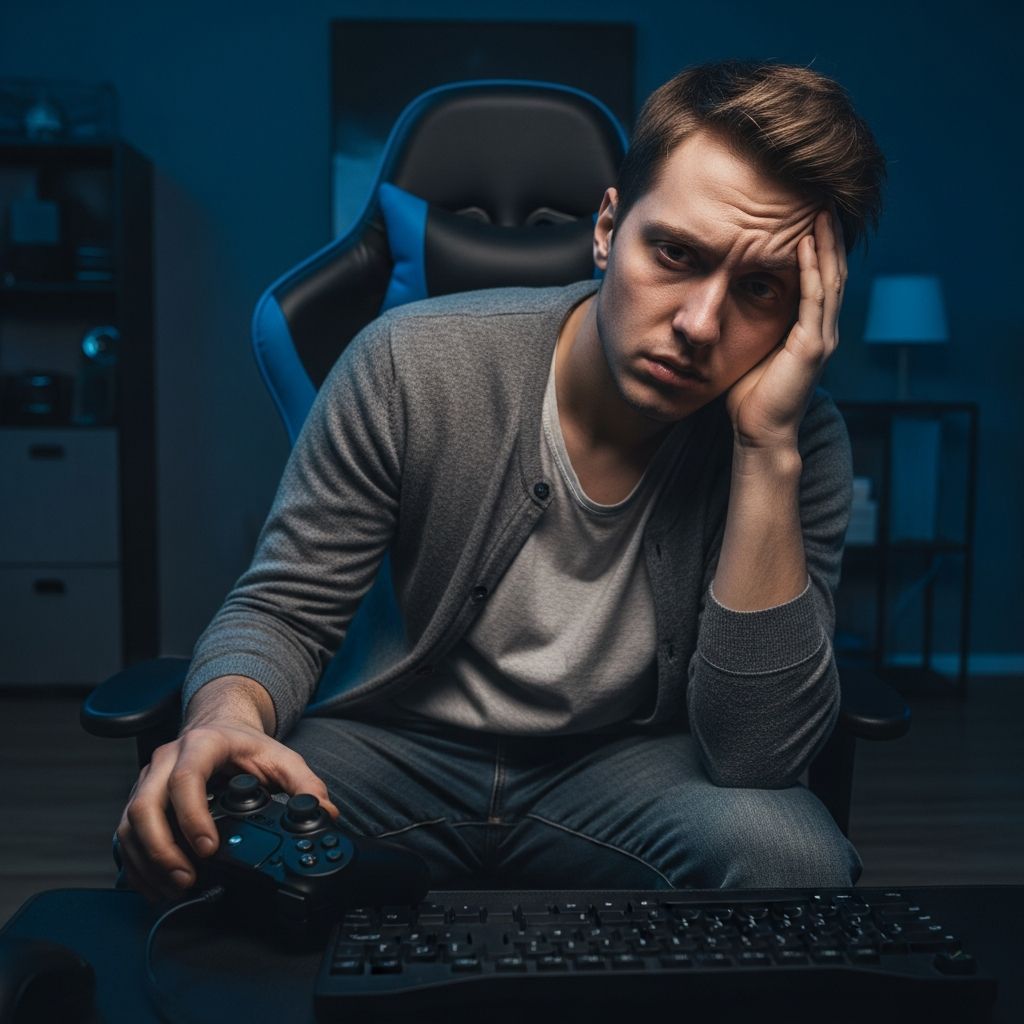
The Health Effects of Too Much Gaming
Video gaming has become a ubiquitous form of entertainment, with millions of people worldwide enjoying this interactive medium daily. However, as gaming consumption increases, so do concerns about the potential health consequences of excessive play. What began as a recreational activity has, for some individuals, evolved into a pattern of compulsive use that mirrors substance addiction. Understanding the health effects of excessive gaming is crucial for players, parents, and healthcare professionals alike, as the issue extends far beyond simple screen time concerns.
The relationship between excessive gaming and health outcomes is complex and multifaceted. While moderate gaming can offer cognitive benefits and social connection, prolonged and uncontrolled gaming sessions can trigger a cascade of physical and mental health problems. Research indicates that the negative effects of excessive gaming range from temporary discomfort to chronic, debilitating conditions that can significantly impact quality of life.
Physical Health Effects of Excessive Gaming
The physical consequences of excessive gaming are among the most immediately noticeable health impacts. Extended gaming sessions often involve static postures, repetitive hand and finger movements, and prolonged exposure to screen light, all of which can contribute to various physical ailments.
Short-Term Physical Effects
When gaming excessively, players typically experience several acute physical symptoms that develop relatively quickly. These short-term effects serve as early warning signs that gaming habits may be becoming problematic.
Common short-term physical effects include:
– Eye strain and visual fatigue- Headaches and mild pain- Poor concentration and focus issues- Neglected personal hygiene- Repetitive strain injuries in hands and wrists- Overuse injuries affecting fingers and thumbs- Sleep disturbances and irregular sleep schedules- Weight gain from sedentary behavior- Muscle atrophy from prolonged inactivity- Poor nutritional habits
Eye strain represents one of the most prevalent complaints among heavy gamers. This condition, often called digital eye strain or computer vision syndrome, results from the continuous focus required to track fast-moving objects on screen combined with reduced blinking during intense gameplay. The blue light emitted by screens has been shown to disrupt the body’s natural sleep-wake cycle, making it particularly problematic for evening gaming sessions. Research published in peer-reviewed journals has demonstrated that blue light exposure can significantly interfere with melatonin production, the hormone responsible for regulating sleep patterns.
Long-Term Physical Effects
When short-term physical effects persist over extended periods, they often develop into chronic conditions that can cause lasting damage. The transition from acute to chronic effects typically occurs gradually, with gamers sometimes not recognizing the severity of their condition until significant damage has occurred.
Long-term physical complications associated with excessive gaming include:
– Chronic headaches and migraines- Persistent pain and inflammation in hands, fingers, and limbs- Chronic numbness and weakness in upper extremities- Carpal tunnel syndrome- Gamer’s thumb (tendon inflammation affecting thumb mobility)- Stenosing tenosynovitis, commonly known as trigger finger- Tennis elbow and other epicondylitis conditions- Obesity and weight-related complications- Gamer’s neck (cervical spine strain)
Related Stories



These conditions can become permanent if left untreated, potentially causing irreversible nerve damage, chronic pain, and significant mobility limitations. Carpal tunnel syndrome, in particular, affects many dedicated gamers and can require surgical intervention. The repetitive motions involved in gaming—whether using a controller, keyboard, or mouse—create sustained stress on the tendons and nerves in the hands and wrists. Over time, this stress can lead to inflammation, nerve compression, and functional impairment that extends beyond gaming into everyday activities.
Mental Health Effects of Excessive Gaming
While the physical effects of excessive gaming are significant, the mental and emotional consequences may be even more concerning for overall well-being. The psychological impact of gaming addiction extends across multiple dimensions of mental health, affecting mood, behavior, social functioning, and cognitive performance.
Short-Term Mental Health Impacts
Excessive gaming can produce immediate psychological effects that influence mood and behavior. These short-term impacts often serve as catalysts for more serious mental health problems when gaming continues unchecked.
Immediate mental health effects may include:
– Irritability and mood swings when unable to play- Temporary anxiety and stress responses- Sleep disturbances affecting cognitive function- Difficulty concentrating on non-gaming activities- Mild withdrawal-like symptoms during brief gaming breaks
Long-Term Mental Health Conditions
The most concerning aspect of excessive gaming involves its association with serious, long-term mental health disorders. Research has consistently linked problematic gaming patterns with depression, anxiety disorders, and attention-deficit conditions.
Chronic mental health effects of excessive gaming include:
– Clinical depression and persistent depressive disorders- Anxiety disorders and panic symptoms- Withdrawal symptoms when prevented from gaming- Intense loneliness despite online social interactions- Hopelessness and feelings of despair- Aggression and hostility toward others- Worsening of co-occurring mental health conditions like ADHD- Thoughts of self-harm or suicidal ideation- Diminished self-esteem and negative self-perception- Social withdrawal and isolation
The relationship between excessive gaming and mental health disorders is bidirectional and complex. While excessive gaming can contribute to mental health problems, individuals already suffering from depression, anxiety, or ADHD may be more vulnerable to developing problematic gaming habits as a coping mechanism. This creates a challenging cycle where gaming both reflects and reinforces underlying mental health issues.
Gaming Disorder: A Clinical Classification
The recognition of gaming-related problems has led to formal clinical classifications. The World Health Organization included Gaming Disorder in their International Classification of Diseases, establishing diagnostic criteria that mental health professionals now use to identify problematic gaming patterns.
Gaming Disorder is characterized by persistent patterns that include:
– Impaired control over gaming habits- Gaming taking priority over other responsibilities and daily activities- Continuation of gaming despite negative consequences- Symptoms present for at least twelve months- Clinically significant impairment or distress in functioning
Research indicates that approximately 8.5% of youth exhibit video game addiction symptoms, and these individuals demonstrate significantly higher rates of attention problems and academic difficulties. The disorder appears to be more prevalent in males than females and often co-occurs with other mental health and behavioral conditions.
Impact on Academic and Social Functioning
The effects of excessive gaming extend beyond direct health symptoms to impact crucial life domains. Academic performance and social relationships frequently suffer when gaming becomes problematic. First-year college students diagnosed with gaming addiction demonstrate lower social engagement expectations and lower grade point averages compared to their peers with healthier gaming habits.
Academic consequences of excessive gaming include:
– Decreased academic performance and lower grades- Reduced attention and focus in educational settings- Increased school absences and truancy- Difficulty with homework and study requirements- Withdrawal from educational activities and peer groups
Special Considerations for Children and Adolescents
Young people face particular vulnerability to the negative effects of excessive gaming. During critical developmental periods, excessive gaming can disrupt the sleep, exercise, and social interaction necessary for healthy growth and maturation. Children and adolescents who engage in excessive gaming may sacrifice essential physical activity, face sleep deprivation, neglect social relationships, and miss opportunities for developing crucial life skills.
Developmental concerns for young gamers include:
– Sleep deprivation affecting growth and cognitive development- Reduced physical activity contributing to obesity and poor fitness- Limited face-to-face social interaction during critical developmental periods- Academic decline and reduced educational engagement- Delayed development of real-world social skills- Increased risk of anxiety and depression- Vulnerability to toxic online communities and cyberbullying
Understanding Internet Gaming Disorder Risk Factors
Research challenges the simplistic notion that gaming time alone determines whether someone develops problematic gaming habits. While the American Psychiatric Association suggested that gaming 30 hours per week or more increases risk, recent comprehensive research indicates that underlying mental health factors play a more crucial role than screen time alone.
Key risk factors for developing Internet Gaming Disorder include:
– Pre-existing anxiety or depression- Attention-deficit hyperactivity disorder (ADHD)- Low self-esteem and negative self-perception- Social isolation and loneliness- High neuroticism and emotional instability- Low conscientiousness and self-regulation- Exposure to toxic gaming communities- Coping with external stressors or trauma- Family history of addiction or mental health disorders
Mental health professionals now recognize that comprehensive approaches addressing underlying psychological factors prove more effective than interventions focusing solely on reducing screen time. This represents an important shift in how we conceptualize and treat gaming-related problems.
Strategies for Maintaining Healthy Gaming Habits
Understanding the risks associated with excessive gaming allows individuals to develop healthier relationships with this entertainment medium. Positive gaming practices can minimize health risks while preserving the enjoyment and potential cognitive benefits that gaming offers.
Practical Prevention Strategies
Implementing specific behavioral modifications can significantly reduce the risk of developing problematic gaming patterns:
– Set specific time limits for daily gaming and adhere consistently- Take regular breaks during extended gaming sessions- Maintain proper ergonomic positioning to prevent physical strain- Use blue light filters on screens, especially during evening hours- Prioritize adequate sleep, physical exercise, and in-person social interaction- Maintain a balanced diet rather than eating while gaming- Address underlying mental health concerns with professional support- Engage in diverse recreational and social activities beyond gaming- Monitor and limit exposure to toxic gaming communities- Use parental controls and monitoring tools for younger gamers
Supporting Mental Health
Because mental health factors significantly influence gaming behavior, addressing psychological well-being provides crucial protection against problematic gaming development. Individuals experiencing depression, anxiety, or other mental health challenges should seek professional support rather than relying on gaming as a coping mechanism.
When to Seek Professional Help
Recognizing when gaming has become problematic is essential for preventing serious health consequences. Professional intervention becomes necessary when:
– Gaming interferes with work, school, or important relationships- Attempts to reduce gaming consistently fail- Withdrawal symptoms emerge when unable to play- Gaming continues despite negative physical or mental health effects- Physical pain or injury develops from gaming- Symptoms of depression, anxiety, or suicidal thoughts emerge- Family relationships deteriorate due to gaming habits- Sleep deprivation or other health problems occur
Healthcare providers, mental health counselors, and addiction specialists can provide evidence-based treatment approaches tailored to individual circumstances.
Frequently Asked Questions About Gaming and Health
Q: How many hours of gaming per day is considered excessive?
A: While research suggests that over 30 hours per week may increase risk, the actual threshold varies based on underlying mental health factors and individual circumstances. More important than absolute hours is whether gaming interferes with sleep, physical activity, relationships, or responsibilities. If gaming is causing health problems or functional impairment, it warrants evaluation regardless of hours spent.
Q: Can gaming have any positive effects despite these health risks?
A: Yes. Moderate gaming can improve problem-solving skills, hand-eye coordination, and provide social connection through multiplayer communities. The key is maintaining balance and preventing excessive use that leads to health problems.
Q: Are certain games more problematic than others?
A: Games designed to maximize engagement through reward systems and progression mechanics can be particularly conducive to excessive play. However, individual vulnerability factors matter more than the specific game type.
Q: Is gaming addiction more common in children or adults?
A: While children and adolescents show high rates of problematic gaming (approximately 8.5% of youth), adults also develop gaming addiction. The developmental vulnerability of young people and potentially greater supervised gaming time in youth may contribute to higher identified prevalence in younger populations.
Q: Can physical health problems from gaming be reversed?
A: Many short-term effects like eye strain and minor headaches resolve with reduced gaming and proper ergonomics. However, chronic conditions like carpal tunnel syndrome may require medical intervention and may not fully resolve without treatment. Early intervention prevents progression to chronic conditions.
Q: What role do parents play in preventing problematic gaming in children?
A: Parents can establish healthy boundaries through time limits, ensure adequate sleep and physical activity, model balanced technology use, monitor game content appropriateness, and address underlying mental health concerns. Open communication about gaming and its effects is crucial.
Conclusion
The health effects of excessive gaming represent a significant public health concern that extends across physical, mental, academic, and social dimensions. While gaming itself is not inherently harmful, the pattern of excessive, compulsive use can produce serious health consequences ranging from temporary discomfort to permanent physical damage and serious mental illness. Understanding these effects, recognizing risk factors, and implementing preventive strategies allows individuals to enjoy gaming while protecting their health and well-being. Recognition that mental health factors play a crucial role in developing problematic gaming patterns—more so than gaming time alone—suggests that comprehensive, personalized approaches combining mental health support, behavioral modification, and lifestyle balance offer the most effective path toward healthy gaming habits and overall wellness.
References
- Effects of Video Game Addiction — Addiction Help. 2024. https://www.addictionhelp.com/video-game-addiction/effects/
- Going Beyond Video Game Consumption When Considering Internet Gaming Disorder — University of Wisconsin-Madison, Department of Psychology. July 2024. https://doi.org/10.1016/j.comppsych.2024.152500
- The Physical and Mental Effects of Video Gaming on an Individual — Sacred Heart University Academic Festival. 2023. https://digitalcommons.sacredheart.edu/cgi/viewcontent.cgi?article=2020&context=acadfest
- How Do Video Games Affect Mental Health — Arbor Wellness Mental Health. 2024. https://arborwellnessmh.com/how-do-video-games-affect-mental-health/
- Video Game Addiction: Symptoms, Treatment, and Prevention — WebMD. 2024. https://www.webmd.com/mental-health/addiction/video-game-addiction
- Unhealthy Video Gaming: What Parents Can Do to Prevent It — American Academy of Pediatrics. 2024. https://www.healthychildren.org/English/family-life/Media/Pages/Unhealthy-Video-Gaming.aspx
Similar Articles








Read full bio of medha deb