Dietary Fiber: 5 Key Benefits And How Much You Need Daily
Discover the essential role of dietary fiber in promoting digestive health, heart health, weight management, and disease prevention through everyday foods.
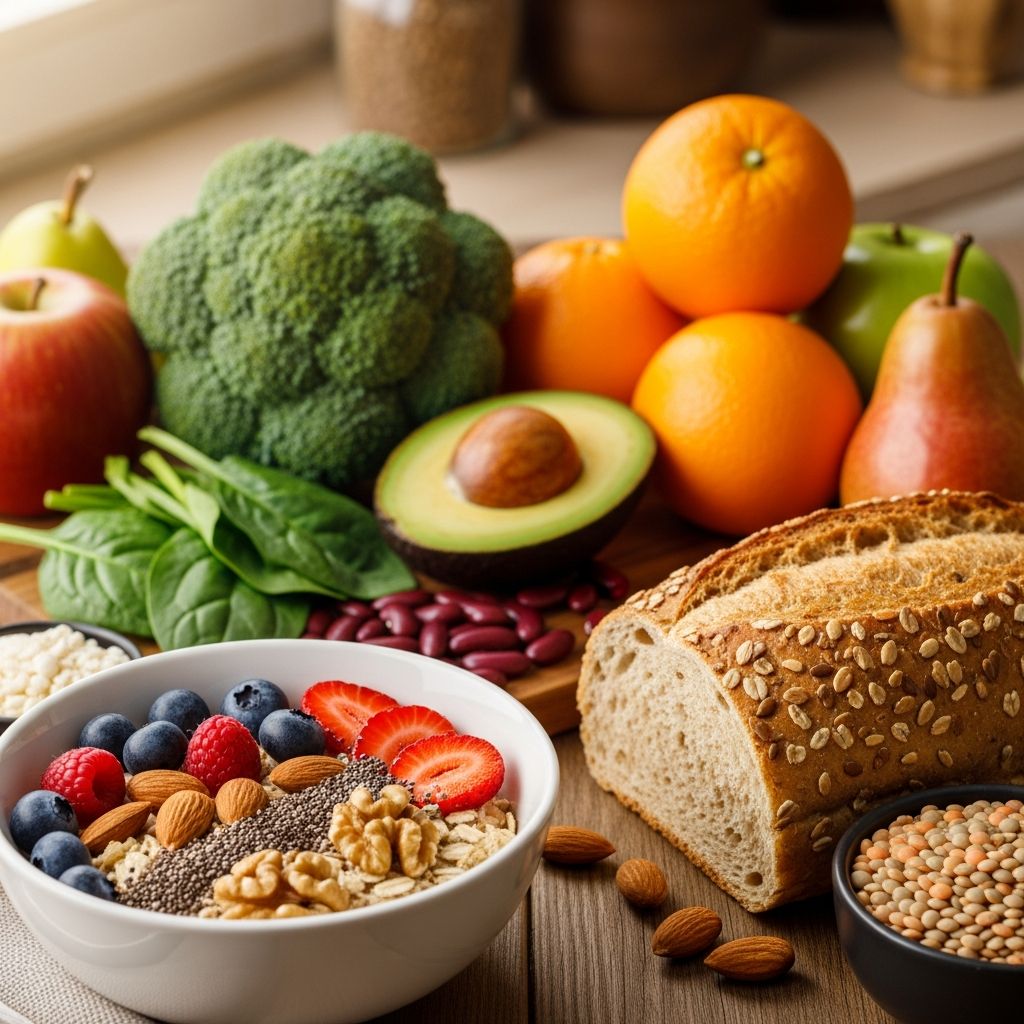
Dietary fiber, often called roughage, is the indigestible part of plant foods that plays a vital role in maintaining overall health. Found primarily in fruits, vegetables, whole grains, beans, nuts, and seeds, fiber supports digestive regularity, helps control cholesterol and blood sugar levels, promotes satiety for weight management, and may reduce the risk of chronic diseases like heart disease, type 2 diabetes, and certain cancers.
What Is Dietary Fiber?
Dietary fiber refers to the edible parts of plants that resist digestion and absorption in the human small intestine. It consists of non-starch polysaccharides and other plant components such as cellulose, hemicellulose, pectin, and gums. Unlike other carbohydrates, fiber passes largely unchanged through the stomach and small intestine, reaching the colon where it is fermented by gut bacteria, producing beneficial short-chain fatty acids (SCFAs).
Fiber is classified into two main types: soluble fiber and insoluble fiber. Soluble fiber dissolves in water to form a gel-like substance, which helps lower blood cholesterol and glucose levels. Insoluble fiber adds bulk to stool, promoting regular bowel movements and preventing constipation.
- Soluble fiber: Found in oats, nuts, beans, apples, and citrus fruits. It binds to cholesterol in the digestive tract, reducing its absorption.
- Insoluble fiber: Present in wheat bran, vegetables, and whole grains. It speeds up stool transit time and supports gut health.
Modern definitions from authoritative bodies like the National Academies of Sciences, Engineering, and Medicine emphasize total dietary fiber, including naturally occurring fibers in plants and isolated or synthetic fibers with proven health benefits, rather than strict solubility categories.
Health Benefits of Fiber
Incorporating adequate dietary fiber into your diet offers multifaceted health advantages, supported by extensive research. Fiber’s role extends beyond digestion to influence metabolic health, cardiovascular function, and disease prevention.
Promotes Healthy Bowel Function
Fiber is best known for preventing and relieving constipation by absorbing water in the gut, softening stool, and increasing its bulk. Insoluble fiber, in particular, shortens intestinal transit time, reducing the risk of hemorrhoids, diverticulosis, and other bowel disorders. Studies show that higher fiber intake correlates with lower incidence of these conditions.
Helps Reduce Cholesterol
Soluble fiber binds to bile acids in the intestines, which are made from cholesterol in the liver. This forces the liver to use more circulating cholesterol to produce bile, thereby lowering blood LDL (“bad”) cholesterol levels. Research indicates that increasing fiber intake can reduce cardiovascular disease (CVD) risk, with fibers from fruits and cereals showing strong associations with lower CVD mortality.
Helps Control Blood Sugar Levels
By slowing the absorption of sugar, fiber helps prevent blood sugar spikes, making it particularly beneficial for people with diabetes or prediabetes. Whole grain fibers improve insulin sensitivity and glucose regulation. Fermentation in the gut produces SCFAs that enhance metabolic balance and appetite control.
Related Stories



Supports Weight Management
Fiber promotes feelings of fullness (satiety) by expanding in the stomach and slowing digestion. This reduces overall calorie intake, aiding weight loss and maintenance. High-fiber diets, especially those combining fiber with protein, lead to greater weight loss and better metabolic health outcomes.
May Help Prevent Some Diseases
Regular fiber consumption is linked to reduced risks of heart disease, stroke, type 2 diabetes, obesity, and colorectal cancer. The fermentation of fiber supports a diverse gut microbiome, which regulates inflammation, energy metabolism, and immune function. Fruits, vegetables, whole grains, and legumes provide fiber alongside vitamins, minerals, and antioxidants for compounded benefits.
How Much Fiber Do You Need?
There is no Recommended Dietary Allowance (RDA) for fiber due to the absence of a defined deficiency state, but the National Academies established Adequate Intake (AI) levels based on observed health benefits. Most adults should aim for about 14 grams of fiber per 1,000 calories consumed.
| Group | Recommended Daily Fiber Intake |
|---|---|
| Women (19-50 years) | 25 grams |
| Men (19-50 years) | 38 grams |
| Women (51+ years) | 21 grams |
| Men (51+ years) | 30 grams |
Children and teens need 19-38 grams depending on age and sex. The 2020-2025 Dietary Guidelines for Americans highlight fiber as a nutrient of public health concern due to widespread underconsumption.
Many Americans consume only half the recommended amount, missing out on fiber’s protective effects. Tracking intake via food labels—look for “dietary fiber” under Total Carbohydrates—can help meet goals.
Best Fiber Choices
Prioritize whole, minimally processed plant foods for the highest fiber content and accompanying nutrients. Refined foods lose much of their fiber during processing.
- Whole grains: Barley, bulgur, brown rice, whole-wheat bread/pasta, quinoa, oats (e.g., ½ cup cooked oats: 4g fiber).
- Fruits: Apples with peel (4.4g per medium), pears, berries, oranges (eat skin where possible).
- Vegetables: Broccoli, carrots, Brussels sprouts, sweet potatoes (with skin).
- Legumes: Beans, lentils, chickpeas, peas (½ cup cooked black beans: 7-8g fiber).
- Nuts and seeds: Almonds, chia seeds, flaxseeds (in moderation due to calories).
Avoid or limit juice and applesauce, which strip away fiber. Choose products listing whole grains first and at least 2-5g fiber per serving.
Easy Ways to Boost Fiber
Gradually increase fiber intake to minimize gas or bloating, and drink plenty of water (fiber absorbs liquid).
- Switch half your grains to whole grains daily (e.g., oatmeal breakfast, whole-wheat pasta).
- Add beans/lentils to soups, salads, or tacos (aim for ½ cup servings).
- Eat fruit with peels and snack on raw veggies.
- Sprinkle nuts/seeds on yogurt or salads.
- Try fiber-added foods like chicory root or inulin-enriched products, but prioritize natural sources.
Sample high-fiber day: Breakfast—oatmeal with berries (10g); Lunch—bean salad (12g); Dinner—grilled chicken with quinoa and broccoli (10g); Snacks—apple and almonds (6g). Total: ~38g.
Frequently Asked Questions
Is fiber only in fruits and vegetables?
No, fiber is abundant in whole grains, legumes, nuts, and seeds too. A varied plant-based diet ensures a mix of soluble and insoluble types.
Can too much fiber be harmful?
Excessive sudden increases may cause bloating or gas; increase gradually with water. Those with certain gut conditions should consult a doctor.
Are fiber supplements as good as food?
Whole foods provide additional nutrients; supplements can help but aren’t a full substitute.
Does cooking affect fiber content?
Cooking softens fiber but doesn’t destroy it. Eat skins and minimal processing for maximum benefits.
How does fiber help with diabetes?
It slows sugar absorption, stabilizes blood glucose, and improves insulin sensitivity via gut fermentation.
References
- Dietary fiber influence on overall health, with an emphasis on CVD — PMC/NCBI. 2024. https://pmc.ncbi.nlm.nih.gov/articles/PMC11671356/
- Dietary fiber: Essential for a healthy diet — Mayo Clinic. 2023-10-15. https://www.mayoclinic.org/healthy-lifestyle/nutrition-and-healthy-eating/in-depth/fiber/art-20043983
- Easy Ways to Boost Fiber in Your Daily Diet — Academy of Nutrition and Dietetics. 2023. https://www.eatright.org/health/essential-nutrients/carbohydrates/easy-ways-to-boost-fiber-in-your-daily-diet
- Dietary Fiber — eatrightPRO.org / Academy of Nutrition and Dietetics. 2022-05-01. https://www.eatrightpro.org/news-center/practice-trends/dietary-fiber
- Dietary Fiber — Academy of Nutrition and Dietetics. 2024. https://www.eatright.org/health/essential-nutrients/carbohydrates/fiber
Similar Articles








Read full bio of Sneha Tete