Health Risks Of Being A Night Owl: 5 Major Dangers
Discover the serious health dangers linked to late-night habits and how night owls can protect their well-being.
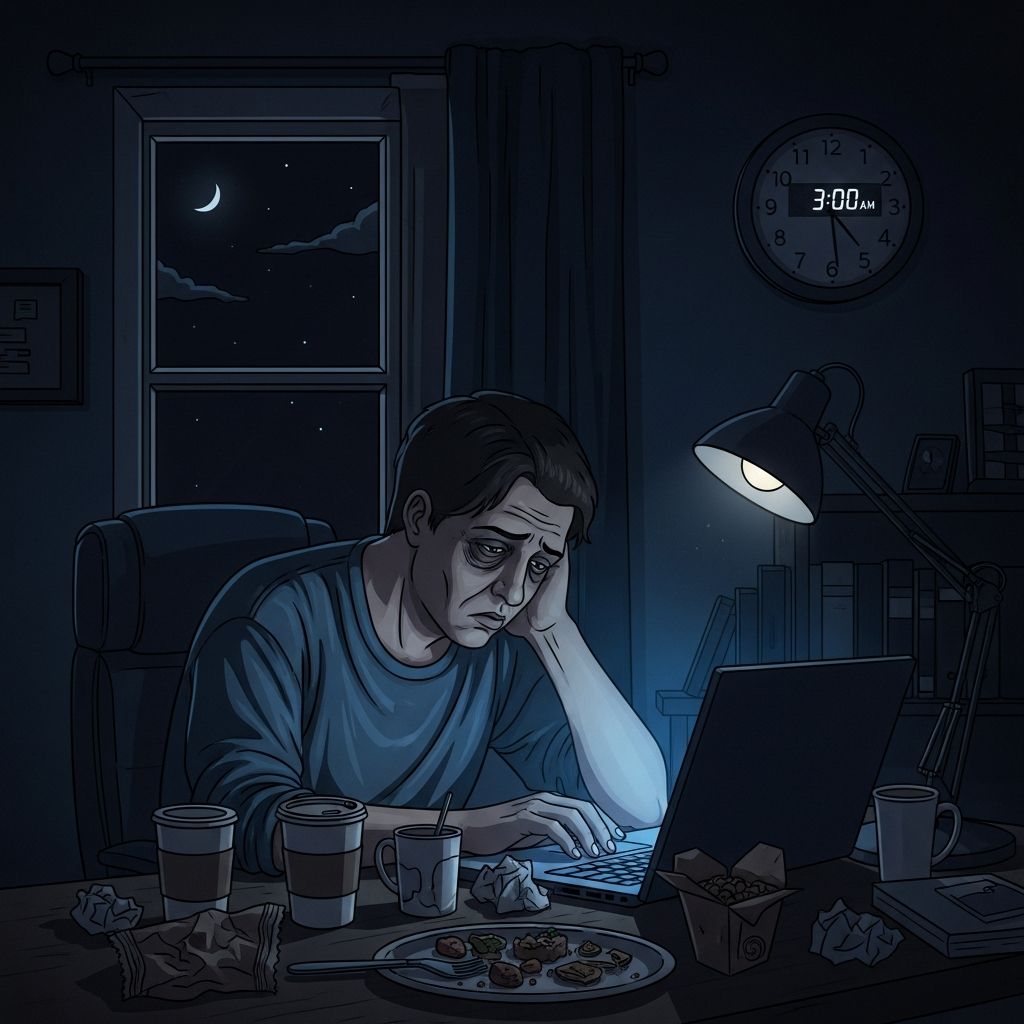
Staying up late into the night might feel productive or enjoyable, but research shows that
night owl behavior
carries significant health risks. People with an evening chronotype—those naturally inclined to stay awake late—are more prone to mental health disorders, cardiovascular problems, metabolic issues, and cognitive decline compared to morning larks. A Stanford Medicine study of nearly 75,000 adults found that night owls who follow their natural late sleep patterns face 20% to 40% higher rates of mental health diagnoses, regardless of chronotype alignment. Even misaligning with your biology to sleep earlier can be protective. This article dives into the science, risks, and strategies to mitigate them.What Is a Night Owl?
A
night owl
, or evening chronotype, refers to individuals whose internal body clock favors late bedtimes and late wake-ups. This contrasts with morning types (larks) who thrive on early rises. Chronotype is largely genetic, influencing when you feel alert or sleepy. However, societal schedules force many night owls into early routines, creatingsocial jet lag
—a mismatch between biology and demands.According to UCLA Health, night owls often struggle with self-regulation, leading to habits like late-night snacking, reduced exercise, and higher substance use. These behaviors compound the risks of their circadian misalignment. Stanford researchers emphasize that actual sleep timing matters more than preferred chronotype: going to bed after 1 a.m. correlates with poorer outcomes for all.
Mental Health Risks for Night Owls
Night owls face elevated risks of
anxiety, depression, and other mental disorders
. The Stanford study revealed that evening types staying true to late nights were 20-40% more likely to have diagnoses like depression or anxiety than those adopting earlier schedules. Morning types sleeping late also suffered, but less severely; early birds had the best mental health.Why? Late nights align with peak times for impulsivity. The “mind after midnight” hypothesis posits that neurological changes after midnight foster poor decisions, such as overeating, substance use, or suicidal ideation. Tracking healthy participants over eight years confirmed causality: late-sleeping night owls developed disorders first.
UCLA research links this to chronic stress and poor sleep quality, key triggers for mental illness. Even chronotype preference aside, late bedtimes predict worse mental health across groups.
Cardiovascular Health Dangers
**Heart disease risk** surges for night owls. They exhibit higher LDL cholesterol and triglycerides, per UCLA findings. A study of adult females showed night owls had poorer cardiovascular profiles, tied to unhealthy diets, smoking, inactivity, and short sleep.
Short sleep (<7 hours) independently raises risks of arteriosclerosis, atherosclerosis, heart disease, and stroke. NCBI reports night owls have a 10% higher overall mortality risk, partly from heart issues. Evening chronotypes’ late meals exacerbate this by disrupting metabolism.
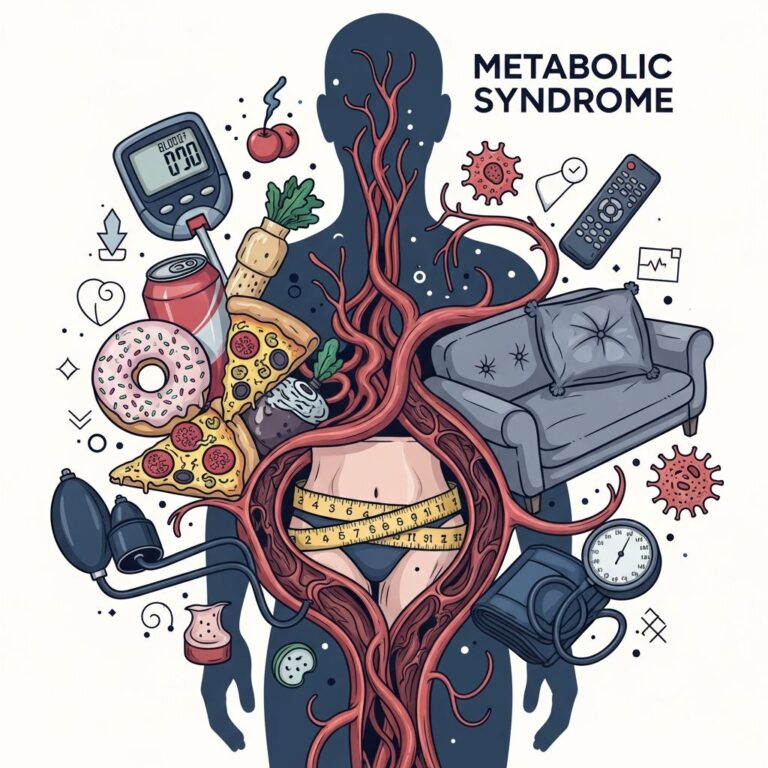
Metabolic Disorders and Diabetes
Night owls are predisposed to
type 2 diabetes and obesity
. A study of over 63,000 nurses found evening types 54% more likely to have unhealthy lifestyles and diabetes risk. They consume more calories, experience cravings, and have elevated blood glucose.Daytime napping and short sleep further promote weight gain. NCBI links night owl predisposition to higher diabetes and heart disease rates. Late eating patterns impair insulin sensitivity, accelerating metabolic syndrome.
Related Stories



Key Metabolic Risk Factors for Night Owls
- Higher calorie intake and late-night snacking
- Increased blood glucose and insulin resistance
- Obesity from poor sleep and inactivity
- 54% elevated diabetes risk in large cohorts
Cognitive Decline and Dementia Risk
**Cognitive impairment** looms larger for night owls. Less than seven hours of sleep hikes dementia risk by 30%. A recent study tied later bedtimes directly to worse cognitive decline, especially in educated individuals.
Medical News Today notes circadian disturbances, common in night owls, contribute to dementia. Chronic sleep debt accumulates brain toxins, impairing memory and executive function. Night owls’ typical short sleep amplifies this vulnerability.
Increased Mortality and Other Risks
Overall, night owls face a
10% higher mortality risk
. This stems from combined mental, heart, metabolic, and cognitive issues. Insomnia-like patterns in night owls correlate with 20% higher premature death risk. Poor choices at night—violence, drugs, overeating—compound dangers.Why Night Owls Face These Risks
Beyond biology, lifestyle drives risks. Night owls:
- Eat late, disrupting digestion
- Exercise less, smoke/use alcohol more
- Get poorer sleep quality/duration
- Experience social jet lag on weekdays
Stanford’s Zeitzer notes late nights enable harmful behaviors peaking post-midnight. Circadian misalignment stresses the body, inflaming pathways to disease.
How to Stop Being a Night Owl
Shifting habits can mitigate risks. While chronotype is fixed, behavior is malleable.
Practical Tips to Advance Your Sleep
- Get morning light: Expose yourself to bright sunlight upon waking to reset your circadian rhythm.
- Time meals early: Avoid eating after 7 p.m. to align digestion with natural cycles.
- Cut evening stimulants: No caffeine after noon, limit alcohol.
- Build a routine: Consistent bed/wake times, even weekends. Aim for lights out by 1 a.m.
- Exercise daily: Morning or afternoon activity boosts sleep pressure.
- Improve hygiene: Dark, cool room; no screens pre-bed.
These tweaks reduce social jet lag. Weekend catch-up sleep helps teens’ mental health but isn’t ideal long-term.
Health Risks Comparison: Night Owls vs. Morning Larks
| Risk Factor | Night Owls | Morning Larks |
|---|---|---|
| Mental Health Disorders | 20-40% higher | Lowest rates |
| Heart Disease | Higher cholesterol, stroke risk | Lower overall |
| Diabetes | 54% higher risk | Lower predisposition |
| Cognitive Decline | 30%+ dementia risk | Protected by sleep |
| Mortality | 10% higher | Baseline |
Frequently Asked Questions (FAQs)
Is it unhealthy to be a night owl?
Yes, night owls face higher risks of mental illness, heart disease, diabetes, and cognitive decline due to late sleep and habits.
Can night owls change their chronotype?
Chronotype is genetic but hardwired; however, advancing sleep timing via light, routine, and hygiene yields health benefits.
What bedtime is best for mental health?
Stanford recommends before 1 a.m. for all chronotypes to minimize disorder risk.
Do night owls get less sleep?
Often yes—poorer quality and shorter duration increase disease risks.
Can weekend sleep-ins help night owls?
They may ease teen depression but don’t fix chronic misalignment.
References
- Night owl behavior could hurt mental health, sleep study finds — Stanford Medicine. 2024-05-20. https://med.stanford.edu/news/all-news/2024/05/night-owl-behavior-could-hurt-mental-health–sleep-study-finds.html
- Is being a ‘night owl’ bad for your health? — UCLA Health. 2024 (approx.). https://www.uclahealth.org/news/article/being-night-owl-bad-your-health
- Night owls have 10% higher mortality risk, study says — NCBI/NIH. 2024 (approx.). https://www.ncbi.nlm.nih.gov/search/research-news/3277
Similar Articles








Read full bio of Sneha Tete