Vegetarian Meal Ideas: Complete Guide To Plant-Based Nutrition
Discover creative and nutritious vegetarian meals for every part of your day with easy recipe ideas.
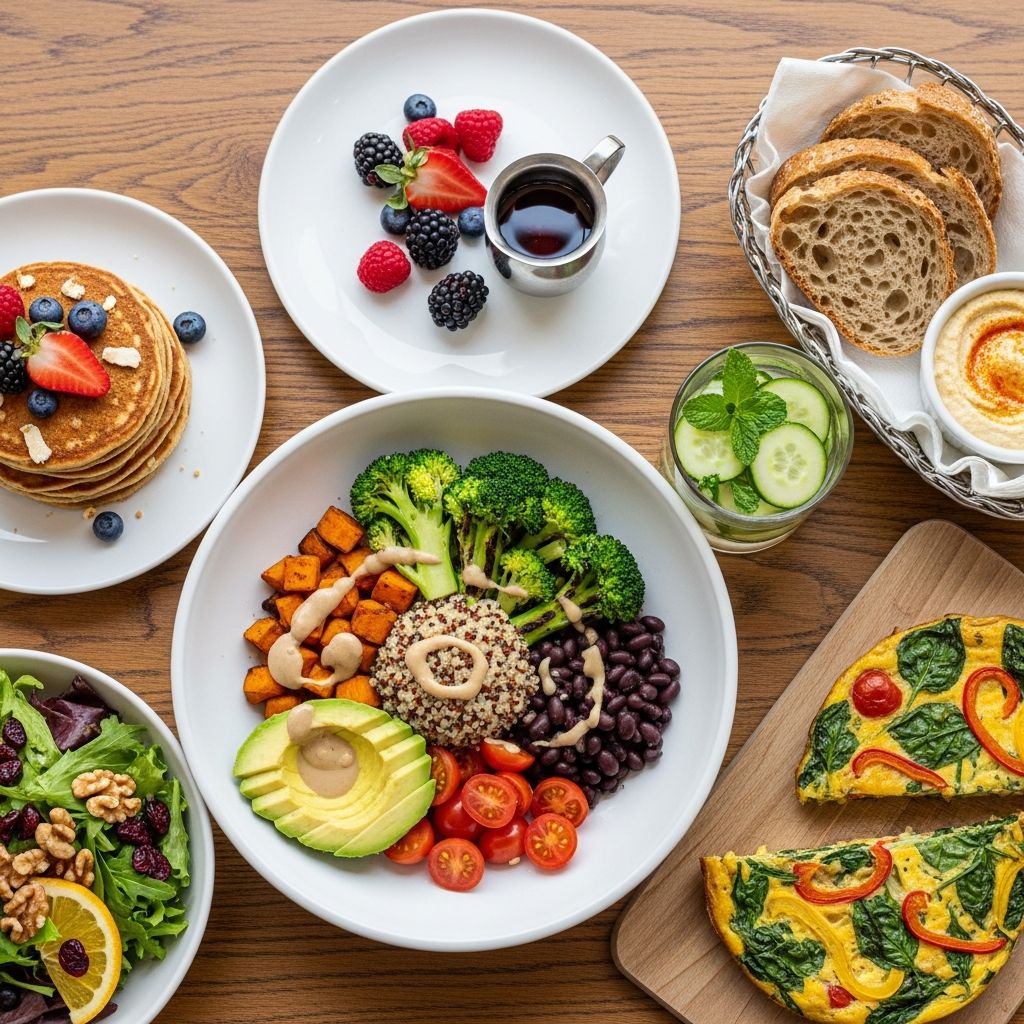
Healthful Vegetarian Meal Ideas: Beyond Salads
Following a vegetarian eating pattern extends far beyond simple salads and limited options. A truly healthy vegetarian diet encompasses a wide variety of foods from all major food groups, providing essential nutrients while offering exciting culinary possibilities. The key to maintaining interest and motivation in a plant-based lifestyle lies in creative menu planning that combines familiar favorites with innovative new dishes. By experimenting with diverse ingredients, herbs, spices, sauces, and cooking techniques, you can transform similar base ingredients into entirely different meals, keeping your diet fresh and engaging.
Whether you are considering a full vegetarian lifestyle or simply looking to incorporate more meatless meals into your weekly routine, understanding how to build balanced, satisfying vegetarian dishes is essential. This comprehensive guide provides practical meal ideas and strategies to help you thrive on a plant-based diet.
Breakfast Ideas for a Strong Start
Beginning your day with a nutritious vegetarian breakfast sets the tone for healthy eating throughout the day. Vegetarian breakfast options provide sustained energy, essential nutrients, and satisfying flavors to jumpstart your morning.
- Instant Oatmeal with Nuts and Banana: Prepare instant oatmeal using low-fat or fat-free milk or soymilk, then top with nuts and chopped banana for added protein, healthy fats, and natural sweetness.
- Beans and Brown Rice Bowl: Combine beans and brown rice with fresh tomato, cooked plantain, and an egg prepared your preferred way for a protein-packed, satisfying breakfast.
- Breakfast Parfait: Layer low-fat yogurt or soy yogurt with crunchy cereal and fresh berries to create an appealing parfait that combines texture, flavor, and nutrition.
- Vegetable Upma: Try this traditional hot breakfast dish made from creamy porridge combined with vegetables such as onions, carrots, and green beans, seasoned with ginger, curry leaves, mustard seeds, and cumin for warming, flavorful comfort food.
Lunch Selections for Midday Nutrition
Lunch provides an excellent opportunity to incorporate diverse plant-based proteins and vegetables into your diet. These lunch ideas offer portability and satisfaction for busy days while maintaining nutritional balance.
- Grape Leaves Stuffed with Rice: Prepare traditional grape leaves filled with rice, pine nuts, fresh herbs, and diced tomato for a Mediterranean-inspired lunch with protein and whole grains.
- Vegetable Sandwich: Assemble sliced tomato, pepper, onion, avocado, and hummus between whole-grain bread slices or on a wrap for a quick, nutrient-dense meal.
- Bean Chili with Textured Vegetable Protein: Make hearty chili using beans and textured vegetable protein, served alongside cornbread for a complete, filling lunch.
- Vegetable Burger: Create a satisfying burger by topping a whole-grain bun with a vegetable patty, sautéed mushrooms, and fresh tomato for added umami flavor and nutrition.
- Chana Masala: Enjoy this popular Indian chickpea curry prepared in tomato gravy, served with naan bread and vegetable raita for a culturally diverse, protein-rich meal.
Dinner Entrées for Evening Meals
Dinner meals provide an opportunity to prepare more elaborate vegetarian dishes that satisfy cravings for comfort food while maintaining nutritional standards. These dinner ideas accommodate various cooking preferences and dietary styles.
- Stir-Fried Noodles with Tofu: Combine vermicelli noodles with tofu, stir-fried bean sprouts, napa cabbage, and carrot, served with fresh fruit for a light yet satisfying dinner.
- Whole-Grain Pasta with Roasted Vegetables: Toss whole-grain pasta with tomato sauce and sautéed or roasted vegetables including mushrooms, tomatoes, eggplant, peppers, and onions for a classic vegetarian option.
- Tacos or Burritos: Fill warm tortillas with your preferred combination of beans, lentils, cheese, and vegetables to create customizable, satisfying meals.
- Tabbouleh and Lentil Soup: Combine refreshing tabbouleh with hearty lentil soup, topped with pomegranate and low-fat yogurt for a balanced dinner featuring whole grains and legumes.
Smart Snack Options Throughout the Day
Nutritious snacks sustain energy levels between meals and prevent overeating at main meal times. These vegetarian snack ideas offer convenience, nutrition, and satisfying flavors.
- Nuts and dried fruit combinations
- Air-popped popcorn for a whole-grain snack
- Dates paired with tahini for natural sweetness and protein
- Fresh fruit served with cheese, yogurt, or nut butter
- Hummus with pita wedges for a Mediterranean-inspired snack
- Cucumber slices sprinkled with chili powder and lime juice
- Dried seaweed for a mineral-rich, low-calorie option
- Cheese with whole-grain crackers
- Wasabi peas for a spicy, protein-packed snack
- Plantain or banana chips for potassium-rich alternatives
- Fruit smoothies made with yogurt or plant-based milk
- Spring rolls filled with fresh vegetables
Making Easy Ingredient Substitutions
Many conventional recipes featuring animal-based ingredients can be easily adapted to vegetarian versions through simple, practical substitutions. Understanding these replacements enables you to veganize your favorite family recipes without sacrificing flavor or satisfaction.
Broth and Stock Swaps: Replace chicken broth or beef broth with vegetable broth in soups, stews, and grain dishes. This straightforward substitution maintains depth of flavor while accommodating vegetarian preferences.
Removing Meat Garnishes: When recipes call for meat purely as a garnish or topping rather than a structural ingredient, simply omit it. The dish typically remains satisfying without this addition.
Protein Replacement Strategies: Substitute meat with beans, lentils, tofu, tempeh, or textured vegetable protein in recipes such as tacos, stir-fries, pasta dishes, and casseroles. These plant-based proteins provide comparable nutritional profiles with unique flavor characteristics.
Experimenting with ingredient substitutions encourages culinary creativity and helps you discover new favorite combinations while expanding your cooking repertoire.
Key Nutritional Components of Vegetarian Eating
Successful vegetarian eating requires understanding essential nutrients and their plant-based sources.
| Nutrient | Plant-Based Sources | Benefits |
|---|---|---|
| Protein | Beans, lentils, tofu, tempeh, nuts, seeds, whole grains | Builds muscle, supports immune function, provides satiety |
| Fiber | Whole grains, legumes, vegetables, fruits, seeds | Supports digestive health, regulates blood sugar, promotes fullness |
| Iron | Leafy greens, beans, lentils, fortified grains, nuts | Carries oxygen, supports energy production, builds red blood cells |
| Calcium | Leafy greens (kale, collards, bok choy), fortified plant milk, tofu | Builds strong bones, supports muscle function, aids nerve transmission |
| Whole Grains | Brown rice, quinoa, oats, buckwheat, whole-wheat bread, millet | Provides sustained energy, prevents heart disease and diabetes, delivers vitamins and minerals |
Building Balanced Vegetarian Meals
Creating nutritionally complete vegetarian meals involves incorporating diverse food categories at each meal.
Foundation Foods: Make vegetables, fruits, whole grains, and legumes the foundation of your meals rather than relying heavily on processed meat substitutes. These whole foods provide maximum nutritional density and genuine flavor complexity.
Protein Emphasis: Americans typically consume adequate protein, but vegetarians should intentionally include protein-rich plant foods at each meal. Beans and lentils provide approximately 16 grams of protein per cooked cup, along with dietary fiber, folate, iron, potassium, manganese, magnesium, copper, and thiamin.
Vegetable Variety: Vegetables serve as nutritional powerhouses adding color, texture, and essential micronutrients to meals. Leafy greens such as kale, collards, bok choy, and broccoli provide particularly valuable plant sources of calcium.
Creative Seasoning: Utilize diverse herbs, spices, and sauces to transform similar ingredients into distinctly different dishes, maintaining interest and engagement in your vegetarian lifestyle.
Frequently Asked Questions About Vegetarian Meals
Q: Do vegetarian diets provide enough protein?
A: Yes, vegetarian diets can easily provide adequate protein through varied plant-based sources including legumes, whole grains, nuts, seeds, and soy products. Most Americans exceed protein requirements, and vegetarians can maintain adequate protein intake by including beans or lentils in most meals.
Q: How can I make my favorite non-vegetarian recipes vegetarian?
A: Most recipes adapt easily through simple substitutions such as replacing animal broth with vegetable broth, omitting meat garnishes, or replacing meat with beans, lentils, tofu, or tempeh. The foundational flavors often remain intact while accommodating vegetarian preferences.
Q: What plant-based foods provide calcium for bone health?
A: Excellent plant-based calcium sources include leafy greens like kale, collards, and bok choy, along with broccoli, fortified plant-based milk alternatives, and calcium-set tofu.
Q: How can I ensure meal variety on a vegetarian diet?
A: Experiment with diverse cuisines, cooking techniques, and ingredient combinations. Try new grains regularly, explore international dishes, and vary your vegetable selections seasonally to maintain nutritional diversity and culinary interest.
Q: Are there quick vegetarian meal options for busy weekdays?
A: Absolutely. Vegetable sandwiches, pasta dishes, stir-fries, and grain bowls can be prepared quickly. Utilizing pre-cut vegetables, canned beans, and quick-cooking grains like quinoa accelerates meal preparation.
Q: Can vegetarian eating support athletic performance?
A: Yes, well-planned vegetarian diets provide adequate protein, carbohydrates, and micronutrients supporting athletic performance. Athletes should ensure sufficient total calorie intake and varied protein sources throughout the day.
Getting Started with Vegetarian Eating
Beginning or transitioning to more vegetarian eating involves gradual exploration and experimentation. Start by introducing meatless meals one or two times weekly, allowing yourself to discover preferred flavors and cooking methods. Invest in quality herbs and spices that transform simple ingredients into exciting dishes. Research cuisines naturally featuring plant-based diets such as Mediterranean, Indian, or Asian traditions for authentic inspiration and proven flavor combinations.
Keep your kitchen stocked with essential vegetarian staples including dried beans and lentils, whole grains, canned tomatoes, vegetable broth, nuts and seeds, and diverse seasonings. These foundational ingredients enable quick meal preparation when combined with fresh vegetables and creative technique.
Remember that vegetarian eating is inherently flexible and personal. Choose the approach that aligns with your values, preferences, and lifestyle while prioritizing nutritional completeness and genuine enjoyment of your meals.
References
- Healthful Vegetarian Meal Ideas — Academy of Nutrition and Dietetics. 2024. https://www.eatright.org/food/food-preparation/cooking-tips/healthful-vegetarian-meal-ideas
- Going Meatless Once a Week — Academy of Nutrition and Dietetics. 2024. https://www.eatright.org/health/wellness/vegetarian-and-plant-based/going-meatless-once-a-week
- Vegetarian and Plant-Based Nutrition — Academy of Nutrition and Dietetics. 2024. https://www.eatright.org/health/wellness/vegetarian-and-plant-based
- Make it Mediterranean — Academy of Nutrition and Dietetics. 2024. https://www.eatright.org/food/cultural-cuisines-and-traditions/european/make-it-mediterranean
- Vegetarian Recipes Collection — Academy of Nutrition and Dietetics. 2024. https://community.eatrightpro.org/vn/resources/recipes
Similar Articles








Read full bio of medha deb