Wraps vs. Sandwiches: Which Is Healthier?
Dietitians reveal the truth about wraps versus sandwiches: calories, carbs, and smart choices for better nutrition.
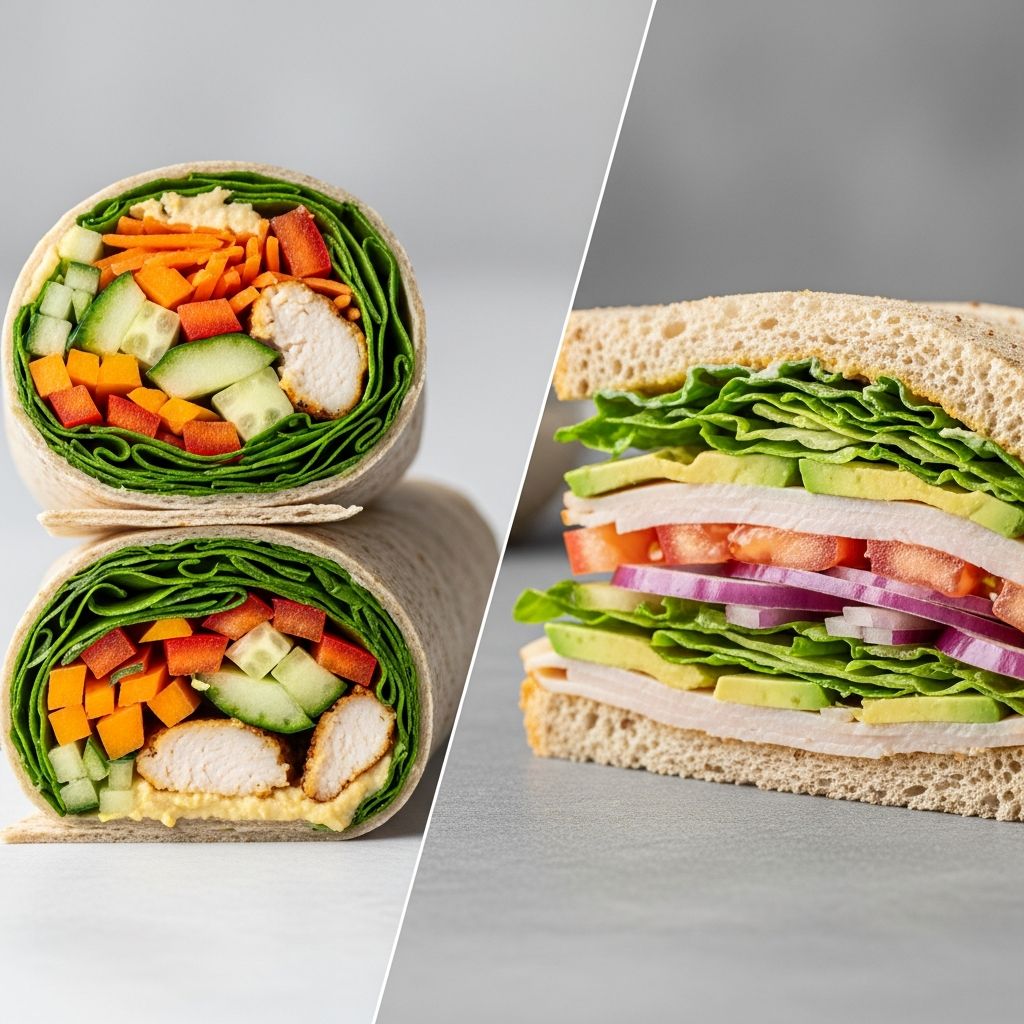
Wraps and sandwiches are lunchtime staples, but many assume wraps are the superior healthy choice. Dietitians emphasize that the reality is more nuanced—neither is inherently healthier. It depends on the bread or tortilla, portion size, fillings, and condiments. This article compares key nutritional factors like calories, carbs, fiber, protein, and sodium, drawing from expert insights to help you decide.
Calories and Carbs: The Big Comparison
One common myth is that wraps save calories compared to sandwiches. In truth, many commercial wraps pack more calories and carbs than two slices of bread. A typical 10-inch flour tortilla has 170-200 calories, while deli wraps often exceed 300 calories before fillings. Two slices of bread range from 70-280 calories, depending on type.
Wraps have a larger surface area and denser texture, allowing more fillings but also higher baseline carbs. For instance, some wraps equal two bread slices calorically, but oversized restaurant versions rival a 12-inch pizza. Always check nutrition labels: focus on serving size, total calories, and carbs.
| Item | Calories | Carbs (g) | Source Notes |
|---|---|---|---|
| 10-inch flour tortilla | 170-200 | 30-40 | Home use |
| Deli/restaurant wrap | 300+ | 50+ | Before fillings |
| 2 slices white bread | 140-160 | 25-30 | Standard |
| 2 slices whole grain bread | 160-240 | 30-40 | Fiber-rich |
Use this table to compare options. Opt for smaller wraps or thin breads to control intake.
Fiber and Whole Grains: Prioritize Quality
Whole grains boost fiber, aiding digestion and satiety. Both sandwiches and wraps shine here with whole grain versions. Whole wheat tortillas and 100% whole grain bread provide similar fiber—aim for products listing ‘whole’ as the first ingredient.
Avoid gimmicks like spinach or herb wraps; they often use refined grains with minimal veggies, offering no fiber edge. Real fiber comes from whole grains and added produce.
- Check ingredient lists for ‘whole wheat flour’ or ‘whole grain’ first.
- Target 3-5g fiber per serving in bread/tortilla.
- Pair with veggies for 5-10g total fiber per meal.
Protein: Fillings Make the Meal
Protein levels depend on fillings, not the wrapper. Wraps often feature grilled chicken, turkey, or hummus (15-30g protein), while sandwiches match with lean meats, eggs, or nut butters. Choose lean sources to keep saturated fat low.
Vegetarian options like beans or tofu work in both formats. Aim for 20-30g protein per lunch for sustained energy.
Sodium and Sugars: Hidden Culprits
Processed deli meats, cheeses, and sauces spike sodium (often 1000mg+ per serving) and sugars in both. Barbecue sauce or sweetened spreads add empty calories. Limit to under 500mg added sodium; use mustard, vinegar, or herbs instead.
How to Choose the Healthiest Option
Related Stories



Read labels or ask for nutrition info when eating out. Prioritize:
- Whole grains: 100% whole wheat tortilla or bread.
- Lean proteins: Turkey, chicken, fish, legumes.
- Veggies: Load up on spinach, tomatoes, cucumbers for volume and nutrients.
- Healthy fats: Avocado, nuts in moderation.
- Low-cal condiments: Greek yogurt, mustard, pesto sparingly.
Control portions: Smaller wraps or open-faced sandwiches reduce calories. Home prep beats store-bought, which rely on preservatives.
6 Tips for Building a Nutritious Sandwich or Wrap
- Go whole grain: Ensures fiber and nutrients; skip refined or flavored wraps.
- Add real veggies: Lettuce, peppers, onions bulk up without calories.
- Select lean proteins: Grilled over fried; plant-based for variety.
- Minimize cheese/meats: 1-2 oz suffices; choose low-sodium.
- Smart condiments: Hummus or tzatziki over mayo; use sparingly.
- Skip the grill butter: Toast dry for crispiness without fat.
Common Myths Busted
- Myth: Wraps are always lower-carb. Reality: Often higher due to size.
- Myth: Veggie wraps are nutrient-packed. Reality: Mostly refined flour.
- Myth: Sandwiches are unhealthy by default. Reality: Whole grain versions excel.
Sample Healthy Recipes
Turkey Veggie Wrap (350 calories)
- Whole wheat tortilla (120 cal)
- 3 oz turkey breast
- Spinach, cucumber, tomato
- Mustard
Chickpea Salad Sandwich (400 calories)
- 2 slices whole grain bread
- Mashed chickpeas, celery, yogurt
- Lettuce, sprouts
Frequently Asked Questions
Are wraps healthier than sandwiches?
No, it depends on ingredients. Some wraps have more calories/carbs than bread; check labels.
Which has more calories, wrap or sandwich?
Restaurant wraps often 300+ cal empty; bread 150-250 for two slices. Fillings tip the scale.
Are spinach wraps healthy?
Usually not—refined grains with little spinach. Choose whole wheat.
How to make wraps or sandwiches lower calorie?
Use half portions, load veggies, lean proteins, minimal sauces.
Can I eat wraps daily for weight loss?
Yes, if controlled: whole grain, balanced fillings, portion awareness.
Ultimately, wraps and sandwiches can both fit a healthy diet. Focus on whole ingredients, balance, and moderation for optimal nutrition.
References
- Are Wraps Healthier Than Sandwiches? — Sõl Kitchen. 2023-11-07. https://solkitchencollingwood.ca/wraps-healthier-than-sandwiches/
- Why a “Healthy” Wrap Can Be as Bad for You as Eating a Whole Pizza — Vice. N/A. https://www.vice.com/en/article/why-a-healthy-wrap-can-be-as-bad-for-you-as-eating-a-whole-pizza/
- Is a wrap healthier than a sandwich? — Chicago Health Online. N/A. https://chicagohealthonline.com/wrap-healthier-sandwiches/
- Are wraps really healthier than sandwiches? — Fox News. N/A. https://www.foxnews.com/health/are-wraps-really-healthier-than-sandwiches
- Sandwiches vs. Wraps: How To Make a Healthy Choice — Cleveland Clinic. N/A. https://health.clevelandclinic.org/are-wraps-healthier-than-sandwiches
Similar Articles








Read full bio of medha deb