Healthiest Beans: Nutritional Guide & Rankings
Discover the most nutrient-dense beans ranked by fiber, protein, and essential vitamins for optimal health.
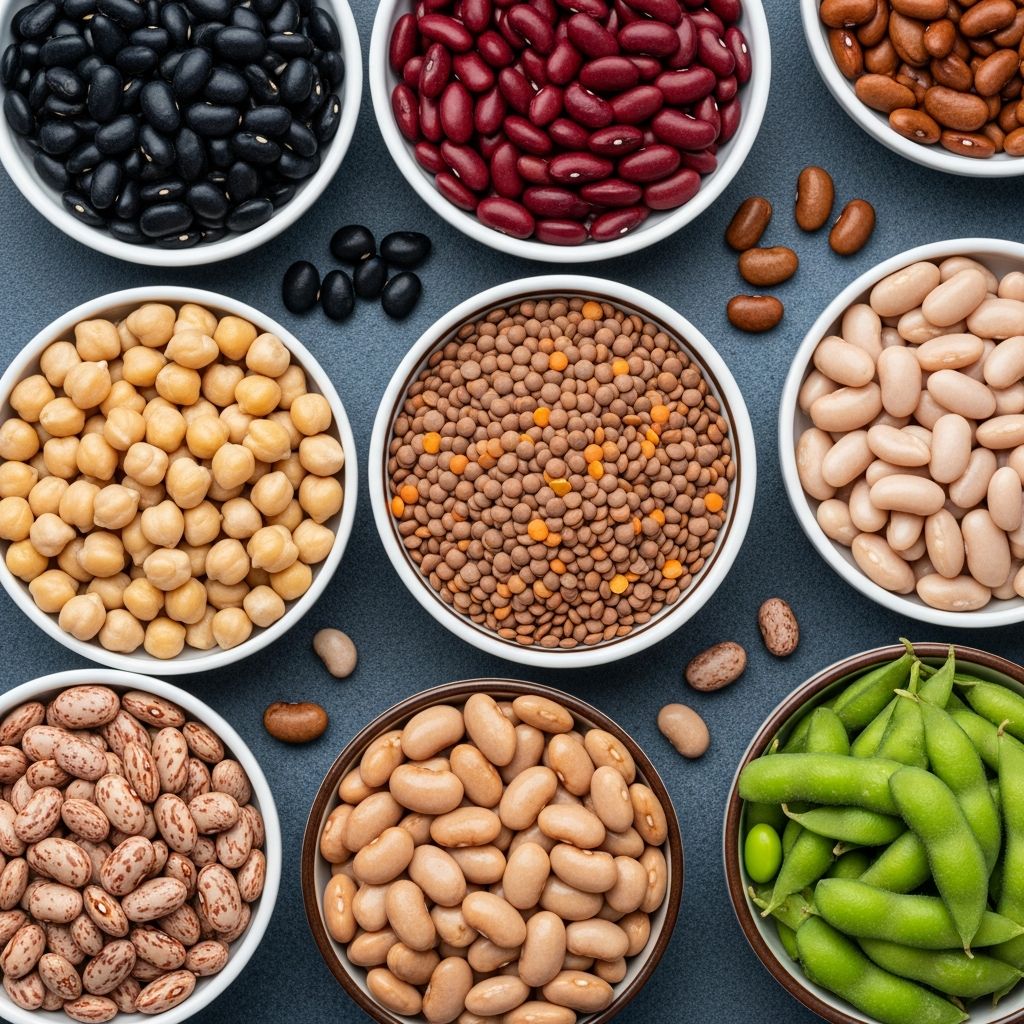
The Healthiest Beans: A Complete Nutritional Ranking Guide
Beans are among nature’s most nutritious foods, offering exceptional amounts of protein, fiber, vitamins, and minerals in a low-cost, plant-based package. Whether you’re looking to improve your health, lose weight, or simply add more nutrients to your diet, beans deserve a prominent place on your plate. This comprehensive guide ranks the healthiest beans by nutrient density and explores their remarkable health benefits.
Why Beans Are Nutritional Powerhouses
Beans and legumes consistently rank among the most nutrient-dense foods available. Dried beans are packed with protein, zinc, and iron, and they’re equally high in soluble and fermentable fiber. Soluble fiber promotes bowel regularity and creates a sense of fullness, while fermentable fiber acts as a prebiotic to nourish your gut microbiome.
Beyond digestive health, beans offer remarkable versatility in supporting various aspects of wellness. A half-cup serving of black beans contains 8 grams of fiber, which represents approximately 25% of the total daily fiber recommended for adults. This is particularly significant considering that only about 5% of Americans currently consume the recommended daily amount of fiber.
One of the most compelling reasons to prioritize beans is their association with longevity. People living in Blue Zones—areas where the highest concentrations of centenarians exist—typically consume approximately one cup of beans daily. This dietary pattern contributes significantly to their extended lifespans and superior health outcomes.
Top-Ranked Healthiest Beans
When ranking beans by overall nutritional density and health benefits, several varieties emerge as exceptional choices:
1. French Beans (Top Ranked)
French beans rank as the #1 healthiest beans overall. These legumes are extraordinarily nutrient-dense, meeting your Daily Reference Intake (DRI) for all essential minerals evaluated in comprehensive nutritional analyses. French beans are high in all B-vitamins except vitamin B12 (which naturally occurs only in animal-derived products).
What makes French beans particularly valuable is their combination of low calorie content with exceptional fiber density. This nutritional profile helps you maintain lower calorie intake while simultaneously promoting satiety, keeping you fuller for longer periods. Additionally, French beans contain important phytochemicals and maintain a heart-healthy fat profile.
2. Yellow Beans
Yellow beans consistently rank among the top healthiest beans, sharing similar nutritional profiles with French beans and offering comparable health benefits.
3. Great Northern Beans
Great northern beans demonstrate exceptional micronutrient density, with the highest mineral concentration among all beans evaluated. These beans provide substantial amounts of essential minerals that support bone health, metabolic function, and overall physiological processes.
4. Navy Beans
Navy beans, also known as haricot beans, are excellent sources of fiber, B vitamins, and various minerals. One cup (182 grams) of cooked navy beans delivers 255 calories, 15 grams of protein, and an impressive 19.1 grams of fiber. Navy beans provide 64% of the daily value for folate (vitamin B9) and 36% for thiamine (vitamin B1).
Related Stories



Research indicates that navy beans may help reduce metabolic syndrome symptoms, likely due to their high fiber content. In a 2017 study involving 38 children with abnormal blood cholesterol levels, those consuming a muffin or smoothie containing 17.5 grams of navy bean powder daily for four weeks demonstrated higher levels of healthy HDL cholesterol compared to control groups.
5. Kidney Beans
Kidney beans rank among the highest in fiber density on a per-calorie basis. These beans support healthy blood sugar management through their combination of complex carbohydrates and fiber, helping slow sugar absorption into the bloodstream. One cup of cooked kidney beans provides substantial folate (58% of the daily value), copper (48%), manganese (37%), and iron (29%).
6. Black Beans
Black beans serve as staple foods throughout Central and South America and the Caribbean. One cup (172 grams) of cooked black beans contains 227 calories, 15.2 grams of protein, and 15 grams of fiber. Black beans provide 64% of the daily value for folate and 35% for thiamine (vitamin B1). These legumes also deliver 49% of the daily iron value and 62% of manganese.
7. Chickpeas (Garbanzo Beans)
Also known as garbanzo beans, chickpeas serve as excellent sources of fiber and protein. One cup (164 grams) of cooked chickpeas provides substantial folate (25% of the daily value), manganese (37%), and vitamin K (35%).
8. Pinto Beans
Pinto beans provide 74% of the daily value for folate, 42% for copper, and 34% for manganese. As a fiber-rich food, pinto beans promote a healthy gut environment. Research in mice demonstrated that dietary supplementation with pinto beans increased gut bacteria responsible for producing short-chain fatty acids—compounds beneficial for health—and molecules that protect against insulin resistance.
9. Soybeans
Soybeans contain the highest concentration of quality protein among all beans. Additionally, soybeans rank lowest in sodium content and maintain the highest potassium-to-sodium ratio, making them ideal for blood pressure management. Soybeans are rich in isoflavones, powerful antioxidants associated with reduced cancer risk.
Key Nutritional Benefits of Beans
Exceptional Fiber Content
Fiber is a crucial dietary component that most people don’t consume in adequate quantities. Fiber supports everything from heart health and gut health to weight loss and insulin regulation. Beans with the highest fiber density per weight include winged beans, hyacinth beans, and French beans. When evaluating fiber on a per-calorie basis, kidney beans and hyacinth beans rank highest.
High Potassium, Low Sodium
A serving of beans provides between 300 and 500 milligrams of potassium (varying by bean type). Potassium plays a vital role in helping control blood pressure and balance out the negative effects of excess sodium consumption. Most Americans fall short of recommended potassium intake, making beans an excellent dietary solution.
Essential Vitamins and Minerals
Beyond fiber and potassium, beans are rich sources of copper, folic acid, iron, magnesium, and vitamin B6. These micronutrients support energy production, immune function, bone health, and countless other vital physiological processes.
Health Benefits of Regular Bean Consumption
Weight Loss Support
According to comprehensive rankings, royal red kidney beans offer the best weight loss combination of low calorie content and high fiber density. Other excellent beans for weight loss include hyacinth beans, fava beans, and cranberry (roman) beans. The protein and fiber combination in beans helps you lose or maintain weight by promoting satiety and sustained fullness. Studies demonstrate that people who regularly consume beans have lower body weight and smaller waist circumference compared to non-bean consumers.
Cholesterol Reduction
Replacing animal protein with beans can effectively lower cholesterol levels. The fiber in beans decreases the amount of cholesterol absorbed during digestion, helping maintain healthy lipid profiles.
Blood Sugar Management
The combination of complex carbohydrates and fiber in beans helps maintain healthy blood sugar levels. Foods high in fiber, such as kidney beans, slow sugar absorption into the bloodstream and reduce blood sugar spikes.
Digestive Health and Cancer Prevention
Because fiber regulates bowel function, consuming more beans prevents constipation and promotes regularity. The effects on digestive health may also provide protective benefits against colon cancer. Dried beans promote gut health while simultaneously improving blood glucose and cholesterol levels.
Comparing Bean Varieties: Nutrient Profiles
| Bean Type | Per Cup (cooked) | Key Nutrients | Top Benefits |
|---|---|---|---|
| French Beans | Highest nutrient density | All minerals, most B-vitamins, phytochemicals | Overall nutritional excellence |
| Navy Beans | 255 cal, 19.1g fiber, 15g protein | 64% folate, 36% thiamine | Metabolic syndrome management |
| Black Beans | 227 cal, 15g fiber, 15.2g protein | 64% folate, 49% iron | Iron content, weight management |
| Kidney Beans | High fiber per calorie | 58% folate, 48% copper | Blood sugar control |
| Soybeans | Highest quality protein | Isoflavones, lowest sodium | Cancer risk reduction |
| Pinto Beans | High mineral content | 74% folate, 42% copper | Gut health promotion |
Selecting and Preparing Beans for Maximum Nutrition
When choosing beans, both dried and canned varieties offer excellent nutritional value. Dried beans require soaking and cooking but are often more economical. Canned beans provide convenience while maintaining most nutritional benefits. If using canned beans, select low-sodium varieties or rinse conventionally canned beans to reduce sodium content.
Proper preparation enhances nutrient bioavailability and digestibility. Soaking dried beans overnight before cooking helps reduce compounds that may cause digestive discomfort. Cooking beans thoroughly until tender ensures optimal nutrient absorption and makes them easier to digest.
Frequently Asked Questions
Which bean is healthiest overall?
French beans rank as the healthiest overall, meeting daily reference intakes for all essential minerals and containing all major B-vitamins except B12. They combine low-calorie content with exceptional fiber density, making them nutritionally superior across multiple measures.
Are all beans equally healthy?
While all beans offer significant health benefits, differences in fiber, protein, and other nutrients exist among varieties. However, these differences are generally minimal, and incorporating a diverse array of bean types ensures comprehensive nutritional benefits.
How much fiber do beans contain?
Fiber content varies by bean type, but a half-cup serving of black beans provides 8 grams of fiber, representing about 25% of daily recommended intake. Navy beans contain 19.1 grams per cup, and kidney beans are among the highest on a per-calorie basis.
Can beans help with weight loss?
Yes, beans effectively support weight loss through their protein and fiber combination, which promotes satiety and sustained fullness. Royal red kidney beans offer the optimal weight loss profile with low calories and high fiber.
Do beans lower cholesterol?
Yes, beans can lower cholesterol levels. Their soluble fiber decreases cholesterol absorption during digestion, and replacing animal protein with beans helps maintain healthy lipid profiles.
Are canned beans as nutritious as dried beans?
Canned beans retain most nutritional benefits of dried beans. Choose low-sodium varieties or rinse standard canned beans to reduce sodium content while maintaining protein, fiber, and micronutrient value.
Can beans help manage blood sugar?
Yes, beans’ combination of complex carbohydrates and fiber helps maintain healthy blood sugar levels by slowing sugar absorption into the bloodstream.
References
- 24 of the Healthiest Beans Ranked by Nutrient Density — Intake Health. https://www.intake.health/post/24-of-the-healthiest-beans-ranked-by-nutrient-density
- The 9 Healthiest Beans and Legumes You Can Eat — Healthline. 2023-06-30. https://www.healthline.com/nutrition/healthiest-beans-legumes
- Healthy meals with dried beans — Mayo Clinic Health System. https://www.mayoclinichealthsystem.org/hometown-health/speaking-of-health/dried-beans-healthy-meals
- Why beans are nature’s perfect food — UCLA Health. https://www.uclahealth.org/news/article/why-beans-are-natures-perfect-food
Similar Articles








Read full bio of medha deb