Healthiest Bread: 7 Best Whole-Grain, Sprouted, And Sourdough
Discover the healthiest breads backed by dietitians, from sprouted grains to sourdough, for better nutrition and blood sugar control.
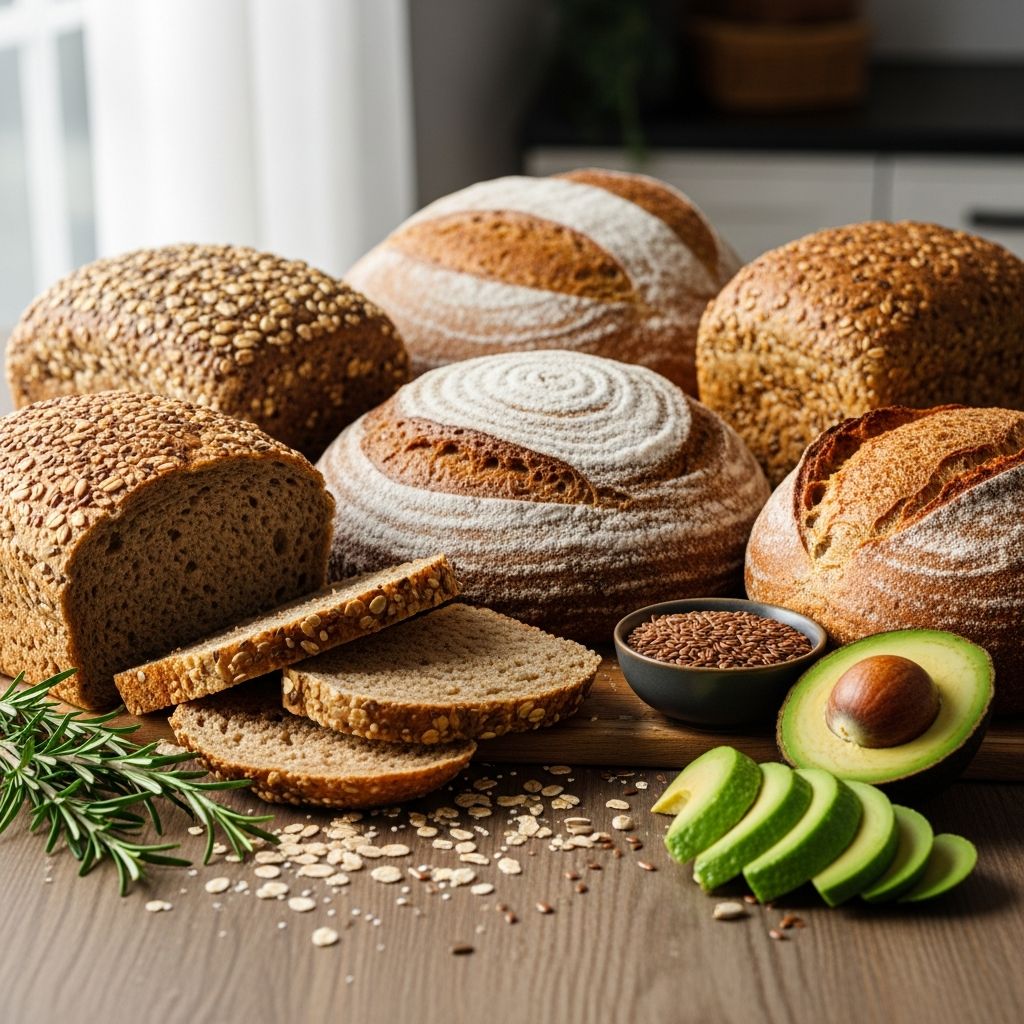
Bread has long been a dietary staple, but not all loaves are created equal when it comes to nutrition. While refined white bread offers little beyond empty calories, certain types stand out for their nutrient density, fiber content, and health benefits. Dietitians recommend prioritizing whole grain, sprouted, and fermented options to support digestion, blood sugar control, heart health, and more. This guide explores the healthiest breads, drawing from expert insights and research, to help you make informed choices at the store.
What Makes Bread Healthy?
The healthiest breads are made from minimally processed whole grains, which retain the bran, germ, and endosperm—providing fiber, vitamins, minerals, protein, and antioxidants. Whole grains are linked to reduced risks of type 2 diabetes, heart disease, and improved gut health. Unlike refined grains, which lose up to 80% of their nutrients during processing, whole grain breads promote satiety, stable blood sugar, and better nutrient absorption.
Key indicators of healthy bread include:
- Whole grains as the first ingredient: Look for ‘100% whole wheat’ or sprouted whole grains, not enriched flour.
- High fiber: At least 3g per slice for digestive and blood sugar benefits.
- Low added sugars: Under 2g per slice to avoid spikes.
- No artificial additives: Preservatives or dough conditioners can detract from quality.
Sprouting, fermentation (like sourdough), and seed additions further enhance digestibility and nutrient bioavailability by reducing antinutrients like phytic acid.
Sprouted Whole Grain Bread
Sprouted whole grain bread tops many dietitians’ lists as the healthiest option. Made from grains exposed to heat and moisture to initiate sprouting, this process boosts nutrient availability, increases antioxidants, and decreases starch content. Studies show sprouting enhances metabolism, immunity, and mineral absorption while minimizing blood sugar impact—ideal for diabetes management.
Brands like Ezekiel use sprouted wheat, barley, lentils, soybeans, and spelt, delivering high protein (4-5g per slice) and fiber (3g+). The partial breakdown of starches makes it more filling and digestible than regular bread. A slice provides B vitamins, iron, and magnesium without added sugars.
Health perks:
- Lower glycemic index for steady energy.
- Improved gut health from prebiotic fibers.
- Anti-inflammatory antioxidants.
Sourdough Bread
Sourdough, fermented with wild yeast and lactic acid bacteria, offers unique benefits. The long fermentation ‘pre-digests’ carbs like fructans, easing digestion for those with IBS. Authentic sourdough made with whole grain flour ranks high for its probiotics, antioxidants, and lower glycemic response compared to commercial yeast breads.
White sourdough beats plain white bread, but whole grain versions excel with fiber (2-4g per slice), B vitamins, and minerals. Research links sourdough to better mineral absorption and reduced bloating. Its tangy flavor comes from acetic acid, which may suppress appetite.
Related Stories



Pro tips: Choose loaves listing ‘whole grain flour’ and ‘sourdough starter’ first—no added sugars or oils.
100% Whole Wheat Bread
True 100% whole wheat bread uses the entire grain kernel, packing fiber (4g+ per slice), protein, and plant compounds absent in refined versions. The bran and germ supply vitamins E, magnesium, and antioxidants, linked to lower heart disease and diabetes risk.
Beware misleading labels: ‘Whole wheat’ often hides refined flour. Check for ‘100% whole wheat’ as the sole flour. Fortified white bread may match some B vitamins but lacks fiber’s benefits. Opt for organic to minimize pesticides.
Oat Bread
Oat bread combines rolled oats or oat flour with whole wheat, yielding beta-glucan fiber that lowers cholesterol and stabilizes blood sugar. Oats provide thiamine, iron, zinc, and magnesium—essential for energy and immunity.
Studies show oat bread reduces post-meal glucose spikes and blood pressure. A slice offers 3-5g fiber, promoting fullness. Look for minimal ingredients: oats, whole wheat flour, yeast, water, salt.
Flax Bread
Flax bread incorporates ground flaxseeds, rich in ALA omega-3s, lignans, and fiber—up to 5x more than white bread. These support heart health, reducing inflammation and cholesterol.
High in mucilage, flax aids digestion and satiety. Choose loaves with flax as a top ingredient for maximum benefits. It’s also gluten-friendly in small amounts.
Sprouted Rye Bread
Rye bread, especially sprouted 100% rye, outshines wheat for fiber (5g+ per slice), magnesium, potassium, and antioxidants. Its dense texture slows digestion, blunting blood sugar spikes—lower glycemic response than white or whole wheat.
Ideal for women over 50, rye supports bone density, energy, and sleep via B vitamins and magnesium. Darker ryes are most nutrient-dense.
Gluten-Free Bread
Gluten-free bread can be healthy if made from almond flour, chickpea, quinoa, or buckwheat—not rice flour alone, which spikes blood sugar. Nutrient-dense options mimic whole grains’ benefits without gluten.
Check for added fibers like psyllium for gut health. Brands using seeds and nuts provide protein and healthy fats.
How to Choose the Healthiest Bread
Scan labels rigorously:
| Check For | Avoid |
|---|---|
| Whole grain first | Enriched wheat flour |
| 3g+ fiber/slice | Added sugars >2g |
| Sprouted/fermented | High fructose corn syrup |
| Short ingredient list | Preservatives like dough conditioners |
Compare nutrition: Aim for 70+ calories, 3g+ fiber, 3g+ protein per slice. Freeze extras to preserve freshness.
Frequently Asked Questions (FAQs)
What is the absolute healthiest bread?
Sprouted whole grain like Ezekiel is often deemed healthiest for its nutrient density, digestibility, and low glycemic impact.
Is sourdough healthier than whole wheat?
Whole grain sourdough combines both benefits: fermentation aids digestion, while whole grains add fiber.
Can bread be part of a weight loss diet?
Yes, high-fiber whole grain breads promote satiety without calorie overload.
Is rye bread good for blood sugar?
Yes, its fiber slows carb absorption for stable levels.
How much bread is healthy daily?
1-4 slices of nutritious bread, paired with proteins and veggies.
References
- The 7 Healthiest Types of Bread — Healthline. 2024-01-19. https://www.healthline.com/nutrition/healthiest-bread
- The One Bread—Yes, Bread—Registered Dietitians Want Women … — AOL/Parade. 2024. https://www.aol.com/articles/one-bread-yes-bread-registered-212500270.html
- 6 of the Healthiest Types of Bread — ZOE. 2024. https://zoe.com/learn/healthiest-bread
- 1 Bread Registered Dietitians Want Women 50+ To Eat More Of — Parade. 2024. https://parade.com/health/bread-to-eat-more-of-over-50-according-to-registered-dietitians
- What is the Healthiest Bread? — Nourishing NY. 2024. https://nourishingny.com/blog/healthiest-bread/
- Nutrition Smack Down: Healthy Bread — CT (thocc.org). 2024. https://thocc.org/about/news-press/news-detail?articleId=56292&publicid=461
Similar Articles








Read full bio of Sneha Tete