Healthiest Breads: 7 Nutrient-Dense Picks to Boost Health
Discover the top healthiest breads packed with nutrients, fiber, and benefits for blood sugar, digestion, and heart health.
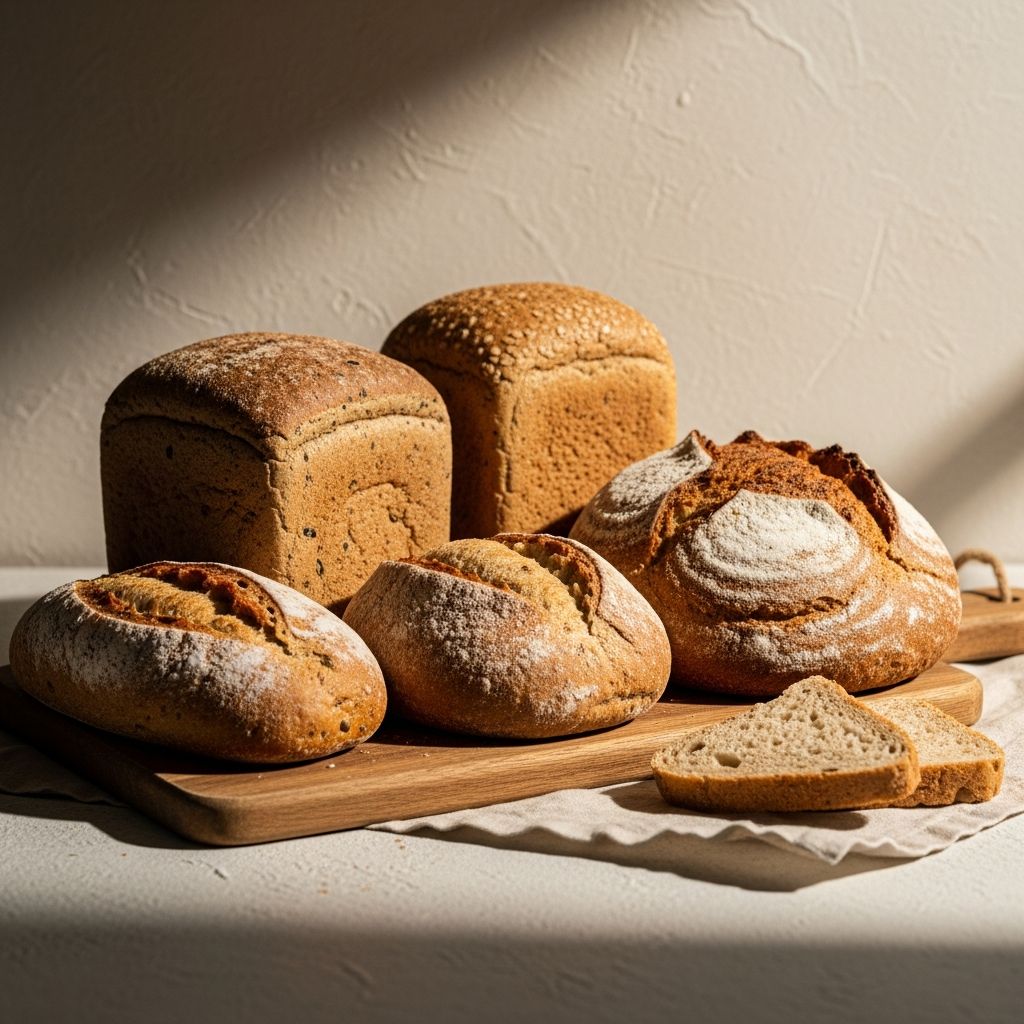
Bread has long been a dietary staple, but not all breads are created equal when it comes to nutrition. While refined white bread offers little beyond empty calories,
healthiest breads
made from whole grains, sprouted grains, and nutrient-rich seeds provide essential fiber, vitamins, minerals, and antioxidants. These options support digestion, stable blood sugar, heart health, and overall wellness. Dietitians recommend prioritizing breads with at least 3 grams of fiber per slice, minimal added sugars, and whole grain flours as the first ingredient. This guide ranks the top seven healthiest breads, detailing their benefits, nutritional profiles, and tips for selection.How We Determined the Healthiest Breads
To identify the
healthiest breads
, we consulted registered dietitians, reviewed peer-reviewed studies, and analyzed nutritional data from sources like the Whole Grains Council and USDA guidelines. Key criteria included:- Fiber content: At least 3-5g per slice for digestive health and satiety.
- Whole grains: Intact bran, germ, and endosperm for maximum nutrients.
- Low glycemic impact: Slower blood sugar rise, ideal for diabetes management.
- Nutrient density: High in protein, healthy fats, vitamins (B vitamins, iron), and minerals (magnesium, zinc).
- Minimal additives: No added sugars, preservatives, or refined flours.
Whole grains reduce risks of type 2 diabetes, heart disease, and colorectal cancer, per Grain Foods Foundation research. Sprouting and fermentation further enhance digestibility and nutrient bioavailability.
1. Sprouted Whole Grain Bread
**Sprouted whole grain bread** tops the list as one of the most nutritious options. Made from grains like wheat, barley, and spelt exposed to heat and moisture to initiate sprouting, this process breaks down starches, reduces antinutrients (like phytic acid), and boosts antioxidants, vitamins, and minerals.
Sprouting increases protein availability, fiber, and certain nutrients while lowering carb impact on blood sugar—making it suitable for diabetes management. A slice typically delivers 4-5g fiber, 5g protein, and fewer net carbs than regular bread. Studies show sprouted grains improve metabolism, immunity, and mineral absorption. Popular brands like Ezekiel 4:9 use sprouted organic grains and legumes for added completeness.
Nutritional perks:
- High fiber for gut health and fullness.
- Lower glycemic index (GI) for steady energy.
- Richer in folate, iron, and vitamin C.
Incorporate it into avocado toast or sandwiches for a nutrient upgrade.
2. Sourdough Bread
Sourdough, fermented with wild yeast and lactic acid bacteria, offers superior digestibility and nutrient access. The long fermentation reduces gluten and phytic acid, making minerals like calcium, phosphorus, and iron more bioavailable. It has a tangy flavor and chewy texture from natural leavening.
Research indicates sourdough’s lower GI helps control blood sugar better than yeasted bread. Its prebiotic fibers feed gut bacteria, supporting microbiome health. Opt for whole grain sourdough for maximum benefits—aim for 3g+ fiber per slice.
Health benefits:
- Easier digestion, even for gluten-sensitive individuals (though not gluten-free).
- Improved mineral absorption.
- Potential cholesterol-lowering effects from fermentation byproducts.
Perfect for paninis or as a base for healthy toppings like nut butter.
3. 100% Whole Wheat Bread
**100% whole wheat bread** retains the bran, germ, and endosperm, delivering fiber, B vitamins, magnesium, and plant compounds absent in refined white bread. Whole grains link to 20-30% lower risks of heart disease and type 2 diabetes.
Related Stories



Check labels: First ingredient must be “100% whole wheat flour,” not enriched flour. A quality slice provides 3-4g fiber, aiding digestion and weight management. While white flour is fortified, whole wheat’s natural nutrients surpass it.
Key advantages:
- Heart-protective antioxidants.
- Sustained energy from complex carbs.
- Supports healthy cholesterol via soluble fiber.
4. Oat Bread
Oat bread combines rolled or steel-cut oats with whole wheat flour, leveraging oats’ beta-glucan fiber for cholesterol reduction and blood sugar stability. Oats supply thiamine, magnesium, iron, and zinc—vital for energy and immunity.
Studies show oat bread lowers post-meal blood sugar and blood pressure. Two slices can provide 4-6g fiber, promoting satiety. Choose versions without added sugars.
Standout features:
- Beta-glucan for heart health.
- High satiety for weight control.
- Anti-inflammatory properties.
5. Flax Bread
**Flax bread**, enriched with ground flaxseeds, stands out for omega-3 ALA, lignans, and fiber. Flaxseeds reduce heart disease risk and inflammation. Combined with whole grains, it offers 5g+ fiber per slice and healthy fats.
Its nutty flavor enhances salads or toast. Flax boosts digestion and hormonal balance.
Benefits:
- Plant-based omega-3s.
- Antioxidant lignans for cancer prevention.
- Improved bowel regularity.
6. Sprouted Rye Bread
Sprouted rye bread excels in fiber (10-12g per two slices), magnesium, B vitamins, and potassium—crucial for aging gracefully. Its low GI prevents blood sugar spikes, aiding energy and fatigue prevention. Rye’s dense structure promotes satiety.
Dietitians recommend it for women over 50 for bone density, heart health, and cognition. Whole-grain sprouted rye outperforms wheat in nutrient density.
Pros:
- Supports metabolic function.
- High fiber for cholesterol and digestion.
- Antioxidants for cellular health.
7. Gluten-Free Bread (Nutrient-Rich Varieties)
Not all gluten-free breads are healthy—many rely on refined starches. Opt for those with almond, coconut, or oat flours for higher fiber and protein. These lower carbs while boosting healthy fats.
Suitable for celiac disease, they still deliver whole grain-like benefits when formulated well.
Nutritional Comparison Table
| Bread Type | Fiber (g/slice) | Protein (g/slice) | Key Nutrients | Glycemic Impact |
|---|---|---|---|---|
| Sprouted Whole Grain | 4-5 | 5 | Folate, Iron, Antioxidants | Low |
| Sourdough (Whole Grain) | 3-4 | 4 | Calcium, Iron, Prebiotics | Low |
| 100% Whole Wheat | 3-4 | 4 | B Vitamins, Magnesium | Medium |
| Oat Bread | 4-6 | 4 | Beta-Glucan, Zinc | Low |
| Flax Bread | 5+ | 5 | Omega-3, Lignans | Low |
| Sprouted Rye | 5-6 | 4 | Magnesium, B Vitamins | Very Low |
| Gluten-Free (Almond) | 3-5 | 6 | Healthy Fats, Fiber | Low |
How to Choose the Healthiest Bread
Scan ingredients: Prioritize “whole grain” or “sprouted” first, avoid high-fructose corn syrup. Check nutrition: 3g+ fiber, <2g sugar per slice. Look for Whole Grain Stamp. Store in freezer to preserve freshness.
- Avoid “wheat bread”—it’s often refined.
- Test for density: Hearty loaves signal wholesomeness.
- Pair with proteins and veggies for balanced meals.
Frequently Asked Questions (FAQs)
What is the #1 healthiest bread?
Sprouted whole grain bread, like Ezekiel, for its superior nutrient bioavailability and low GI.
Is sourdough healthier than whole wheat?
Sourdough’s fermentation aids digestion, but pair with whole grains for best nutrition.
Can bread be part of a weight loss diet?
Yes, high-fiber whole grain breads promote satiety and stable blood sugar.
Is rye bread good for diabetics?
Absolutely—its fiber slows carb absorption for minimal spikes.
Are gluten-free breads healthy?
Only nutrient-dense ones; avoid refined starch versions.
References
- The 7 Healthiest Types of Bread — Healthline. 2024-01-19. https://www.healthline.com/nutrition/healthiest-bread
- The One Bread—Yes, Bread—Registered Dietitians Want Women… — AOL/Parade. 2024. https://www.aol.com/articles/one-bread-yes-bread-registered-212500270.html
- 1 Bread Registered Dietitians Want Women 50+ To Eat More Of — Parade. 2024. https://parade.com/health/bread-to-eat-more-of-over-50-according-to-registered-dietitians
- What is the Healthiest Bread? — Nourishing NY. 2024. https://nourishingny.com/blog/healthiest-bread/
- How to Choose the Healthiest Bread — Grain Foods Foundation. 2024. https://grainfoodsfoundation.org/how-to-choose-the-healthiest-bread/
- Nutrition Smack Down: Healthy Bread — THOC. 2024. https://thocc.org/about/news-press/news-detail?articleId=56292&publicid=461
Similar Articles








Read full bio of Sneha Tete