Healthiest Butter Alternatives: 7 Best Swaps For Heart Health
Discover the top butter substitutes that support heart health, reduce inflammation, and fit various diets without sacrificing flavor.
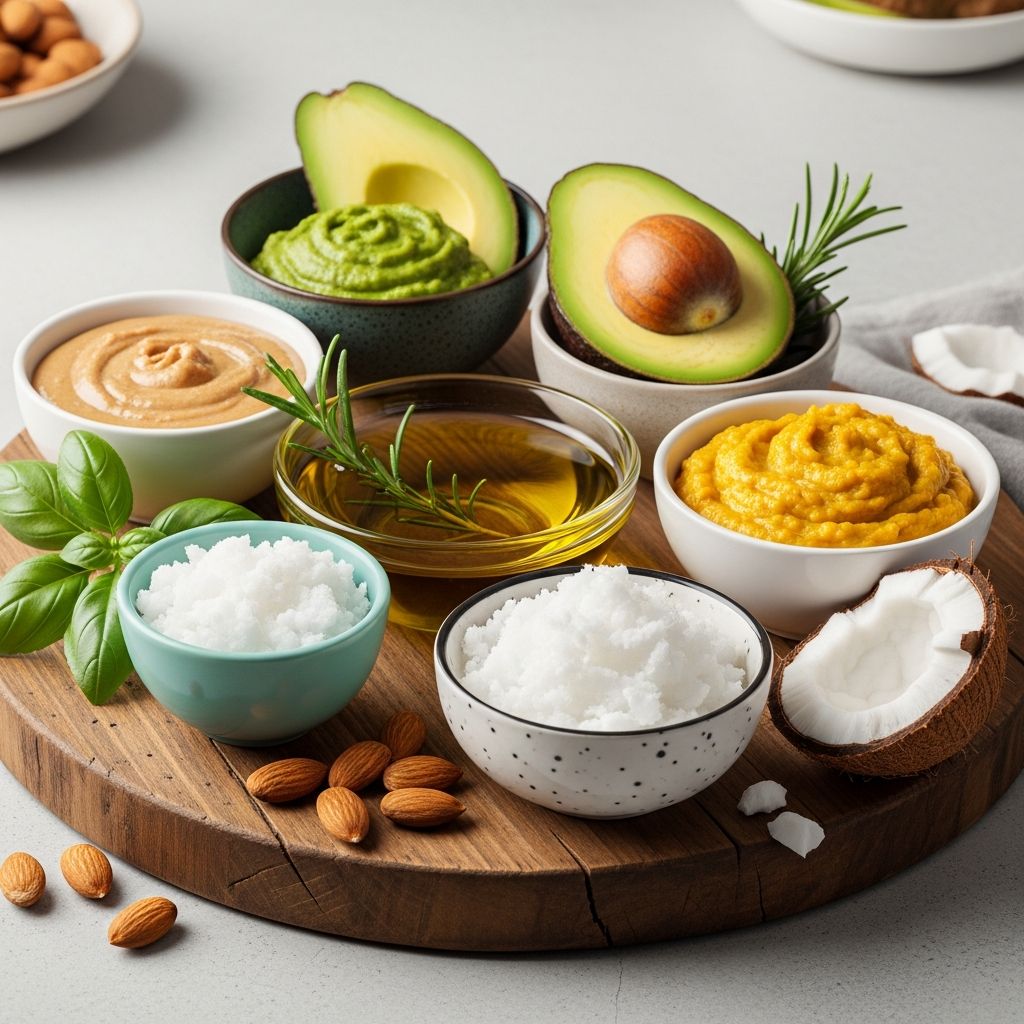
Butter has long been a kitchen staple, but its high saturated fat content—about 7 grams per tablespoon—can contribute to heart disease risk when overconsumed. Healthier alternatives provide similar texture and flavor with improved nutritional profiles, such as more monounsaturated fats, fiber, and antioxidants. These swaps are ideal for reducing inflammation, supporting heart health, and accommodating vegan, lactose-free, or low-calorie diets.
Why Swap Butter?
Traditional butter delivers 100 calories and 11 grams of fat per tablespoon, with saturated fats comprising over half the daily recommended limit on a 2,000-calorie diet. Margarine alternatives often contain trans fats, which are equally harmful to cardiovascular health. Opting for substitutes like olive oil or avocado lowers saturated fat intake while preserving creaminess in recipes. According to nutrition experts, soft spreads and plant-based options with olive or canola oil blends reduce calories and harmful fats without sacrificing taste.
These alternatives align with diets like Mediterranean, which emphasize monounsaturated fats to lower LDL cholesterol and inflammation. For those with autoimmune conditions, options rich in omega-3s and antioxidants offer anti-inflammatory benefits.
1. Olive Oil
**The all-around champion for heart health.** Extra virgin olive oil (EVOO) tops lists as the best butter substitute due to its high monounsaturated fat content, which reduces bad cholesterol and stroke risk. Use an equal amount in place of butter for sautéing, roasting, or baking—its fruity notes enhance vegetables, meats, and even cookies.
In the Mediterranean diet, olive oil promotes cardiovascular wellness and fights inflammation via polyphenols. For toast, drizzle flavored EVOO instead of butter pats on warm bread or grilled cheese. It’s versatile for pan-frying, dressings, and finishing dishes. Nutrition data shows it has zero saturated fat compared to butter’s 7 grams per tablespoon, making it a clear winner.
- Best for: Sautéing, baking, roasting, toast dips.
- Nutrition per tbsp: 120 calories, 14g fat (mostly MUFA), antioxidants.
- Pro tip: Choose extra virgin for maximum health benefits; substitute 1:1 ratio.
2. Avocado
**Creamy, nutrient-dense spread.** Mashed avocado mimics butter’s texture perfectly in baking, smoothies, or as a toast topper. Packed with healthy fats, fiber, potassium, and vitamin K, it supports inflammation reduction and satiety.
Unlike butter, avocado adds 7g fiber per half fruit, aiding digestion and blood sugar control. Spread on bread, mix into sauces, or use in brownies for moisture without excess calories. Consumer tests praise its superior fat profile over butter.
- Best for: Spreads, baking, smoothies.
- Nutrition per 1/2 avocado: 120 calories, 11g fat (mostly unsaturated), 5g fiber.
- Pro tip: Mash ripe avocado 1:1 for butter in recipes; store extras with lemon juice.
3. Coconut Oil
**Vegan pick for baking.** Coconut oil’s solid state at room temperature replicates butter in cookies and pie crusts, though it imparts a tropical flavor. Its medium-chain triglycerides (MCTs) may support gut health and immunity, but it contains more saturated fat than butter—use sparingly.
Related Stories



Blends like Earth Balance Organic Coconut Spread score high in taste tests but pack 3.5-5g saturated fat per tablespoon. Ideal for vegans; evidence suggests it may boost good cholesterol despite saturated fats.
- Best for: Vegan baking, curries.
- Nutrition per tbsp: 120 calories, 14g fat (90% saturated).
- Pro tip: Opt for virgin; 1:1 swap, but reduce in high-heat cooking.
4. Ghee
**Lactose-free butter upgrade.** Clarified butter with milk solids removed, ghee offers a nutty taste and high smoke point (485°F) for frying. It’s lactose-free, suitable for dairy sensitivities, and available canned in grocery stores.
Retains butter’s richness but digests easier; use in Indian dishes or high-heat sautéing where olive oil’s flavor might clash.
- Best for: High-heat cooking, savory dishes.
- Nutrition per tbsp: 120 calories, 14g fat (similar to butter).
- Pro tip: No refrigeration needed; start with 3/4 amount.
5. Nut and Seed Butters
**Protein-packed spreads.** Almond, cashew, peanut, sunflower, or tahini butters deliver heart-healthy fats, protein, and fiber absent in butter. Choose natural, unsweetened versions for sauces, toast, or baking.
Almond butter, for instance, supports clean-label formulations and dietary restrictions with its versatility. Hummus or sunflower seed butter adds variety.
| Nut Butter | Key Benefits | Calories/Tbsp |
|---|---|---|
| Almond | Vitamin E, magnesium | 98 |
| Peanut | Protein, affordable | 94 |
| Sunflower | Nut-free option | 100 |
| Tahini | Sesame calcium boost | 89 |
- Pro tip: Thin with oil for baking; grind your own for freshness.
6. Applesauce
**Low-fat baking hack.** Unsweetened applesauce cuts fat in muffins and cakes by adding moisture and sweetness. Minimal additives make it ideal; homemade stores refrigerated.
- Best for: Sweet baked goods.
- Nutrition per 1/2 cup: 50 calories, 0g fat, natural sugars.
- Pro tip: Replace butter 1:1; pairs with cinnamon.
7. Commercial Spreads
Blends like Brummel & Brown (yogurt-based, 45 cal/tbsp, 1.5g sat fat) or Benecol (sterols lower LDL by 10%) offer convenience. Omega-3 spreads add EPA/DHA but may taste fishy. Coconut spreads like Melt Organic shine in flavor. Avoid those with partially hydrogenated oils.
Grass-Fed Butter: The Ultimate Healthy Butter
For butter lovers, grass-fed varieties from pasture-raised cows excel with higher omega-3s, CLA, beta-carotene, and vitamin E versus conventional. This profile reduces inflammation and supports immunity, ideal for autoimmune diets. No chemicals in production enhance its appeal.
Substitution Guide
| Recipe Type | Best Swap | Ratio |
|---|---|---|
| Baking (cookies) | Coconut oil/nut butter | 1:1 |
| Sautéing | Olive oil/ghee | 1:1 or 3/4 |
| Spreads | Avocado/olive oil | As needed |
| Muffins | Applesauce | 1:1 |
Frequently Asked Questions (FAQs)
What is the healthiest butter alternative?
Olive oil stands out for its monounsaturated fats and antioxidants, outperforming butter in heart health metrics.
Can I use these in baking?
Yes—avocado, coconut oil, and applesauce maintain moisture; test small batches for texture.
Are nut butters healthier than butter?
Absolutely; they add protein, fiber, and unsaturated fats, improving the fat mix.
Is ghee better than regular butter?
For lactose-intolerant individuals, yes—higher smoke point and no dairy solids.
How does grass-fed butter compare?
Superior omega-3:6 ratio and CLA for anti-inflammatory effects.
Consult a healthcare provider for personalized advice, especially with conditions. Experiment to find favorites—many prefer these swaps’ enhanced flavors.
References
- Butter Alternatives For Autoimmune Conditions — Summit Rheumatology. 2023. https://summitrheumatology.com/patient-lifestyle/butter-alternatives/
- Best Healthy Butter Substitutes — Consumer Reports. 2014-02-01. https://www.consumerreports.org/cro/2014/01/the-healthiest-spread-for-your-bread/index.htm
- Healthy Substitutes for Butter — Brightland. 2023. https://brightland.co/blogs/field-notes/healthy-substitutes-for-butter
- Healthy Butter Alternatives — Harris Woolf Almonds. 2023. https://harriswoolfalmonds.com/healthy-butter-alternatives/
Similar Articles








Read full bio of medha deb