Healthiest Canned Foods: 7 Dietitian-Approved Pantry Staples
Discover the top canned foods that pack nutrition, convenience, and health benefits into your pantry staples.
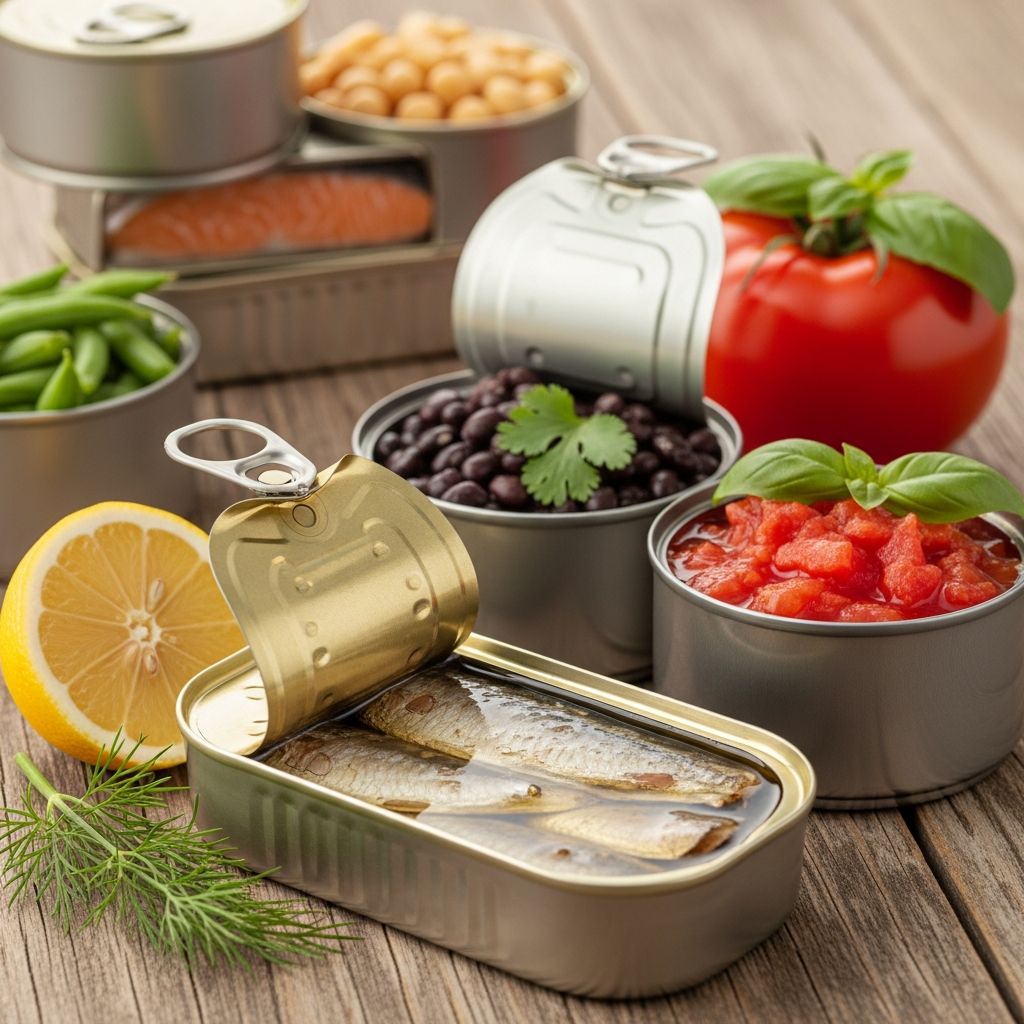
Canned foods often get a bad rap for being ultra-processed or loaded with sodium, but many varieties offer impressive nutrition in a convenient, shelf-stable package. Registered dietitians frequently turn to
canned foods
for their affordability, long shelf life, and nutrient density. These pantry heroes can help you meet your fruit, vegetable, seafood, and protein goals without breaking the bank or requiring refrigeration.According to experts, the key is choosing low-sodium, no-added-sugar options and incorporating them into balanced meals. Canned produce retains vitamins through modern canning processes that heat foods quickly to preserve nutrients. Fatty fish like salmon provide omega-3s, while beans deliver fiber and plant protein. This guide covers the
healthiest canned foods
dietitians recommend, their benefits, usage tips, and how to select the best cans for your health.Why Canned Foods Are Healthier Than You Think
Canning locks in nutrients at peak ripeness, often making canned fruits and veggies more nutrient-dense than fresh counterparts shipped long distances. For instance, canned tomatoes boast higher lycopene levels due to heat processing that enhances this antioxidant’s bioavailability. Seafood options like salmon supply heart-healthy omega-3 fatty acids and calcium from edible bones, supporting bone health and reducing inflammation.
These foods align with dietary guidelines emphasizing whole foods. They provide potassium, fiber, and protein crucial for blood pressure control, digestion, and satiety. Dietitians note that rinsing reduces sodium by up to 40%, making them suitable for most diets. Stocking these ensures you’re prepared for quick meals that support weight management, heart health, and chronic disease prevention.
1. Canned Beans
Beans top the list for their versatility, affordability, and stellar nutrition profile. A half-cup serving delivers 7-8 grams of plant-based protein, 6-7 grams of fiber, and essential minerals like iron, magnesium, and folate. They stabilize blood sugar, promote gut health, and may lower cholesterol.
- Black beans: Rich in antioxidants; great for salads, soups, or tacos.
- Chickpeas: High in fiber for digestion; blend into hummus or roast for snacks.
- Kidney beans: Packed with potassium for heart health; ideal in chili.
- Lentils: Quick-cooking with complete protein; perfect for curries or patties.
Pro tip: Rinse thoroughly and opt for no-salt-added versions. Use in meal prep for high-fiber lunches that keep you full longer.
2. Canned Tomatoes
Canned tomatoes shine for their lycopene content, a potent antioxidant linked to reduced cancer and heart disease risk. Heat from canning increases lycopene absorption compared to fresh tomatoes. One cup provides over 25% of daily vitamin C and potassium needs.
- Diced or crushed: Base for sauces, stews, or chili.
- Whole peeled: Puree for soups or pasta.
- Paste: Concentrated flavor for quick meals.
They’re low-calorie yet filling, aiding weight control. Dietitians recommend them year-round for vitamin boosts when fresh produce is pricey.
3. Canned Fish: Salmon and Sardines
Fatty fish like salmon and sardines deliver EPA and DHA omega-3s for brain health, inflammation reduction, and cardiovascular support. Canned versions with bones offer bonus calcium—up to 20% DV per serving.
Related Stories



- Salmon: Versatile in salads, patties, or atop greens; choose wild-caught, low-sodium.
- Sardines: Budget-friendly omega-3 source; eat whole for max nutrients, pair with crackers.
Aim for 2-3 servings weekly per American Heart Association guidelines. They’re sustainable and mercury-low.
4. Canned Tuna
Lean tuna provides high-quality protein (20g per 3oz) and selenium, an antioxidant. Opt for light tuna in water to minimize mercury and calories.
- Chunk light: Affordable, lower mercury; mix in salads or casseroles.
- Albacore: Milder flavor for premium dishes.
Limit to 2-3 servings weekly; pair with veggies for balanced meals.
5. Canned Vegetables: Green Beans, Corn, Peas
These retain vitamins A, C, and K, often matching or exceeding fresh. Low-cal and fiber-rich, they bulk up meals.
- Green beans: Crunchy addition to stir-fries.
- Corn: Sweet energy source with antioxidants.
- Peas: Protein-packed for soups.
Choose no-salt-added; they’re ideal for side dishes or purees.
6. Canned Pumpkin
Pure pumpkin packs beta-carotene for eye health, plus fiber and vitamin A (over 200% DV per cup). Low-sugar purees work in baking, smoothies, or soups.
Use in muffins, oatmeal, or chili for seasonal flavor anytime.
7. Canned Fruit in Juice
Choose packed in own juice for fiber and vitamins without added sugars. Peaches, pears, and pineapple provide potassium and antioxidants.
- Pro tip: Drain and rinse to cut sugar further; top yogurt or blend smoothies.
How Dietitians Shop for Canned Foods
Scan labels for “no salt added,” “low sodium,” or “packed in water/juice.” Avoid BPA-lined cans if concerned. Stock variety for rotation.
| Canned Food | Key Nutrients | Best Uses |
|---|---|---|
| Beans | Protein, Fiber | Salads, Soups |
| Tomatoes | Lycopene, Vit C | Sauces, Stews |
| Salmon | Omega-3s, Calcium | Salads, Patties |
| Tuna | Protein, Selenium | Sandwiches |
| Pumpkin | Vit A, Fiber | Baking, Smoothies |
Health Benefits of Stocking These Canned Foods
Incorporating them supports the Mediterranean diet pattern linked to longevity. They aid portion control, reduce food waste, and ensure nutrient access during shortages. Studies show canned produce matches fresh nutrition profiles.
Potential Downsides and How to Mitigate
Sodium is the main concern—rinse to reduce by 9-40%. Sugar in fruits: choose juice-packed. Mercury in fish: vary types and limit large predators.
Recipe Ideas with Healthiest Canned Foods
- Bean Salad: Black beans, corn, tomatoes, lime dressing.
- Salmon Cakes: Canned salmon, breadcrumbs, herbs.
- Pumpkin Soup: Puree with spices, coconut milk.
- Tuna Melt: On whole-grain with veggies.
Frequently Asked Questions (FAQs)
Are canned foods as healthy as fresh?
Yes, often more so for certain nutrients like lycopene in tomatoes, thanks to canning processes that preserve or enhance bioavailability.
Do I need to rinse canned beans?
Absolutely—rinsing removes up to 40% sodium and reduces flatulence-causing compounds.
Is canned tuna safe regarding mercury?
Light tuna is low-mercury; limit to 2-3 servings weekly, especially for pregnant individuals.
What’s the best way to store opened cans?
Transfer to glass/plastic containers; refrigerate up to 4 days.
Can canned foods help with weight loss?
Yes, their fiber and protein promote fullness; low-cal options like veggies aid calorie control.
Final Thoughts on Building a Healthy Pantry
By prioritizing these
healthiest canned foods
, you create a nutrient powerhouse pantry. Consult a dietitian for personalized advice, and experiment with recipes to keep meals exciting. These staples make healthy eating accessible, sustainable, and delicious.References
- Eating Healthy with Canned Foods — NCHPAD. Accessed 2026. https://www.nchpad.org/resources/eating-healthy-with-canned-foods/
- Dietary Guidelines for Americans, 2020-2025 — U.S. Department of Health and Human Services and U.S. Department of Agriculture. 2020-12-31. https://www.dietaryguidelines.gov/
- Omega-3 Fatty Acids and Cardiovascular Disease — American Heart Association. 2023-08-15. https://www.heart.org/en/healthy-living/healthy-eating/eat-smart/fats/fish-and-omega-3-fatty-acids
- Canned Foods: Are They Good for You? — Harvard T.H. Chan School of Public Health. 2024-05-20. https://www.hsph.harvard.edu/nutritionsource/food-features/canned-foods/
- Lycopene: Health Benefits and Food Sources — Mayo Clinic. 2025-01-10. https://www.mayoclinic.org/healthy-lifestyle/nutrition-and-healthy-eating/expert-answers/lycopene/faq-20058094
Similar Articles








Read full bio of Sneha Tete