Healthiest Carbs You Should Be Buying, According to a Dietitian
Discover the best carbohydrate choices for optimal health, backed by dietitians and health experts for sustained energy and nutrition.
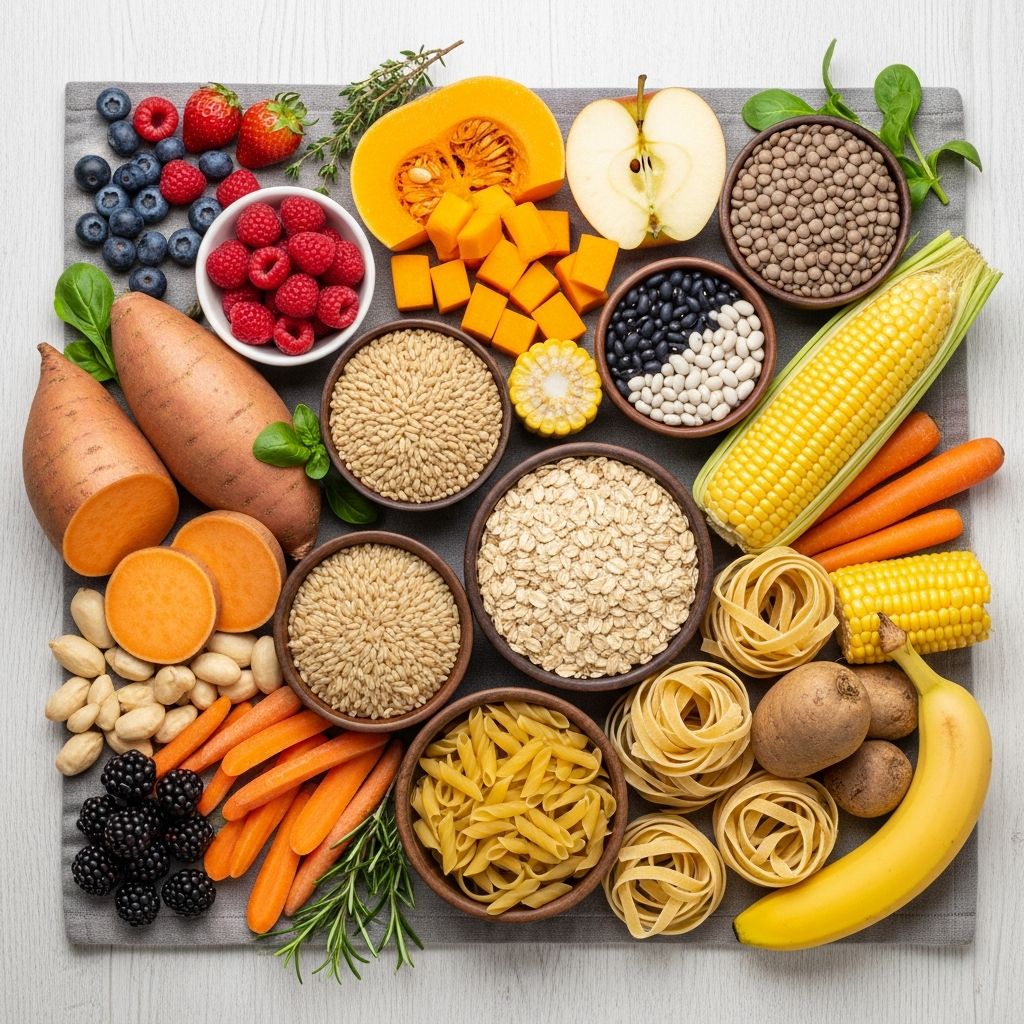
Carbohydrates have long been misunderstood in the world of nutrition, often vilified by fad diets that promise quick weight loss through carb restriction. However, not all carbs are created equal. High-quality, complex carbohydrates are essential for providing sustained energy, supporting digestion, and delivering vital nutrients like fiber, vitamins, and minerals. According to experts from the American Heart Association and Mayo Clinic, focusing on whole-food sources of carbs—such as legumes, fruits, starchy vegetables, whole grains, and low-fat dairy—promotes heart health, stable blood sugar levels, and better weight management.
This guide breaks down the healthiest carbs you should prioritize in your grocery cart, drawing from dietitian recommendations and authoritative health organizations. By choosing these nutrient-dense options over refined sugars and processed grains, you can fuel your body effectively while reducing risks for chronic conditions like type 2 diabetes and heart disease. We’ll cover why quality matters, specific food categories with benefits and shopping tips, and practical ways to incorporate them into meals.
Why Choose High-Quality Carbs?
High-quality carbohydrates are complex carbs found in minimally processed whole foods. They digest slowly due to their fiber content, preventing rapid blood sugar spikes and crashes that lead to fatigue and hunger. Unlike simple carbs in sugary snacks or refined grains, which offer empty calories, these provide antioxidants, vitamins, minerals, and protein for comprehensive health benefits.
Research from ColumbiaDoctors emphasizes that high-quality carbs, combined with plant-based proteins and fats, support weight control and treat conditions like hypertension and diabetes. The Cleveland Clinic notes that whole-food carbs fight inflammation and supply at least 150 grams daily for most adults, ideally comprising a quarter of each meal. The Dietary Guidelines for Americans recommend carbs make up 45-65% of calories, prioritizing fiber-rich sources.
- Fiber for digestion: Soluble and insoluble fibers aid bowel regularity and satiety.
- Steady energy: Slower digestion maintains stable blood sugar.
- Nutrient boost: Vitamins A, C, B, and minerals like iron and potassium.
- Heart health: Lowers cholesterol and disease risk.
1. Legumes: Beans, Lentils, Chickpeas and More
Legumes top the list of healthiest carbs, offering complex carbohydrates alongside plant-based protein and fiber. They are low in fat, affordable, and versatile for salads, soups, or main dishes. The American Heart Association highlights legumes like beans, lentils, and dried peas for their nutrient density.
These foods stabilize blood sugar, promote fullness, and provide iron and health-supporting fats. A half-cup serving delivers 20-25 grams of carbs with 7-9 grams of fiber and protein, making them ideal meat substitutes.
Why Buy Them?
- High fiber prevents sugar spikes and supports gut health.
- Rich in antioxidants and minerals for immune function.
- Versatile and budget-friendly pantry staples.
Shopping Tips
- Opt for canned low-sodium varieties; rinse to reduce sodium by 40%.
- Choose dried legumes for bulk savings and full control over cooking.
- Look for organic or non-GMO if concerned about pesticides.
How to Use Them
- Add chickpeas to salads or roast for snacks.
- Make lentil soup or black bean burgers.
- Mix kidney beans into chili or tacos.
2. Fruits: Nature’s Sweet Carbs
Whole fruits are powerhouse carbs loaded with fiber, water, vitamins, and antioxidants. The Mayo Clinic urges focusing on fresh, frozen, or canned fruits without added sugars for optimal health. They provide natural sweetness without the crash of processed juices.
Related Stories



Fruits like apples, berries, and oranges offer soluble fiber that lowers cholesterol and aids digestion. A medium apple has 25 grams of carbs with 4 grams of fiber, plus vitamin C. Heart and Stroke Foundation classifies fruits as ‘good carbs’ for their nutritional value.
Why Buy Them?
- Fiber and water promote satiety and hydration.
- Antioxidants combat inflammation and disease.
- Variety ensures broad nutrient intake.
Shopping Tips
- Select in-season fruits for freshness and affordability.
- Buy frozen berries for smoothies—nutrient-equivalent to fresh.
- Avoid dried fruits with added sugar; limit portions due to concentration.
How to Use Them
- Blend into smoothies or top oatmeal.
- Pair with yogurt for balanced snacks.
- Bake apples with cinnamon for dessert.
3. Starchy Vegetables: Sweet Potatoes, Squash and Potatoes
Starchy vegetables like sweet potatoes, yams, potatoes, corn, and squash deliver complex carbs with both fiber types, vitamins A and C, and antioxidants. Baptist Health lists them as functional choices for digestion and energy.
These veggies provide steady energy without refined carb pitfalls. A medium sweet potato offers 24 grams of carbs, 4 grams fiber, and beta-carotene for eye health. CDC recommends them for minimal blood sugar impact.
Why Buy Them?
- Dual fibers for fullness and regularity.
- Vitamin-rich for immunity and skin health.
- Versatile for savory or sweet preparations.
Shopping Tips
- Choose firm, unblemished roots; store in cool, dark places.
- Opt for organic potatoes to minimize pesticide residue.
- Select colorful varieties like purple potatoes for extra antioxidants.
How to Use Them
- Roast sweet potatoes as wedges.
- Mash potatoes with skin for fiber.
- Steam squash for soups or gratins.
4. Whole Grains: Oats, Quinoa, Brown Rice and Beyond
Whole grains retain their bran, germ, and endosperm, packing fiber, B vitamins, and minerals absent in refined versions. Examples include oats, quinoa, brown rice, farro, bulgur, and whole-grain bread/pasta.
They digest slowly, keeping you full longer and supporting heart health. Mayo Clinic’s experts note whole grains are vital for vitamins not found elsewhere. Swap white for whole to boost nutrient density.
Why Buy Them?
- Higher fiber than refined grains.
- Sustained energy and satiety.
- Reduces chronic disease risk.
Shopping Tips
- Check labels: First ingredient should be ‘whole’ grain.
- Buy in bulk for freshness; store airtight.
- Avoid ‘multigrain’ imposters without whole grains.
How to Use Them
- Cook quinoa for grain bowls.
- Make overnight oats.
- Use brown rice in stir-fries.
5. Low-Fat Dairy: Yogurt, Milk and Cheese
Low-fat dairy provides carbs via lactose, plus calcium, protein, vitamin D, and potassium. Choose unsweetened yogurt or milk to avoid added sugars.
Mayo Clinic recommends low-fat options for bone health without excess saturated fat. A cup of yogurt has 17 grams carbs with 8 grams protein for muscle support.
Why Buy Them?
- Probiotics in yogurt for gut health.
- Complete protein-carb combo.
- Essential minerals for bones.
Shopping Tips
- Select plain, low-fat or nonfat varieties.
- Check for live cultures in yogurt.
- Opt for fortified plant milks if dairy-free, but verify carb content.
How to Use Them
- Top yogurt with fruits and nuts.
- Use milk in smoothies or oats.
- Incorporate cheese sparingly in salads.
Carb Comparison Table
| Food Category | Example | Carbs per Serving | Fiber (g) | Key Nutrients |
|---|---|---|---|---|
| Legumes | 1/2 cup chickpeas | 22g | 6g | Protein, iron |
| Fruits | 1 medium apple | 25g | 4g | Vitamin C, antioxidants |
| Starchy Veggies | 1 sweet potato | 24g | 4g | Vitamin A, fiber |
| Whole Grains | 1/2 cup quinoa | 20g | 3g | B vitamins, magnesium |
| Dairy | 1 cup low-fat yogurt | 17g | 0g | Calcium, protein |
Frequently Asked Questions (FAQs)
What are the healthiest carbs to eat daily?
The healthiest carbs include legumes, whole fruits, starchy vegetables, whole grains, and low-fat dairy for their fiber and nutrient profile.
How many carbs should I eat per day?
Aim for 45-65% of calories from carbs, or at least 150g from whole sources, adjusted for activity.
Are all carbs bad for weight loss?
No, high-quality carbs aid weight control by promoting satiety; avoid refined ones.
Can I eat carbs if I have diabetes?
Yes, choose complex carbs with fiber to minimize blood sugar impact; portion control is key.
What’s the difference between simple and complex carbs?
Simple carbs spike blood sugar quickly; complex ones digest slowly for steady energy.
References
- Carbohydrates — American Heart Association. 2023. https://www.heart.org/en/healthy-living/healthy-eating/eat-smart/nutrition-basics/carbohydrates
- Eat More High-Quality Carbs — ColumbiaDoctors. 2023. https://www.columbiadoctors.org/news/eat-more-high-quality-carbs
- A Dietitian’s Take On Carbohydrates — Baptist Health. 2024. https://www.baptist-health.com/blog/a-dietitians-take-on-carbohydrates
- What Are Healthy Carbs? — Cleveland Clinic Health Essentials. 2023. https://health.clevelandclinic.org/healthy-carbs
- Mayo Clinic Minute – Good carbs for optimal health — Mayo Clinic (YouTube). 2024-04-29. https://www.youtube.com/watch?v=GIQNyqPgHqk
- Carbohydrates: How carbs fit into a healthy diet — Mayo Clinic. 2023. https://www.mayoclinic.org/healthy-lifestyle/nutrition-and-healthy-eating/in-depth/carbohydrates/art-20045705
- Choosing Healthy Carbs — Centers for Disease Control and Prevention (CDC). 2024. https://www.cdc.gov/diabetes/healthy-eating/choosing-healthy-carbs.html
Similar Articles








Read full bio of Sneha Tete