Healthiest Cheeses: 10 Dietitian-Approved Picks
Discover the top healthiest cheeses recommended by dietitians for protein, low fat, calcium, and probiotics to boost your diet.
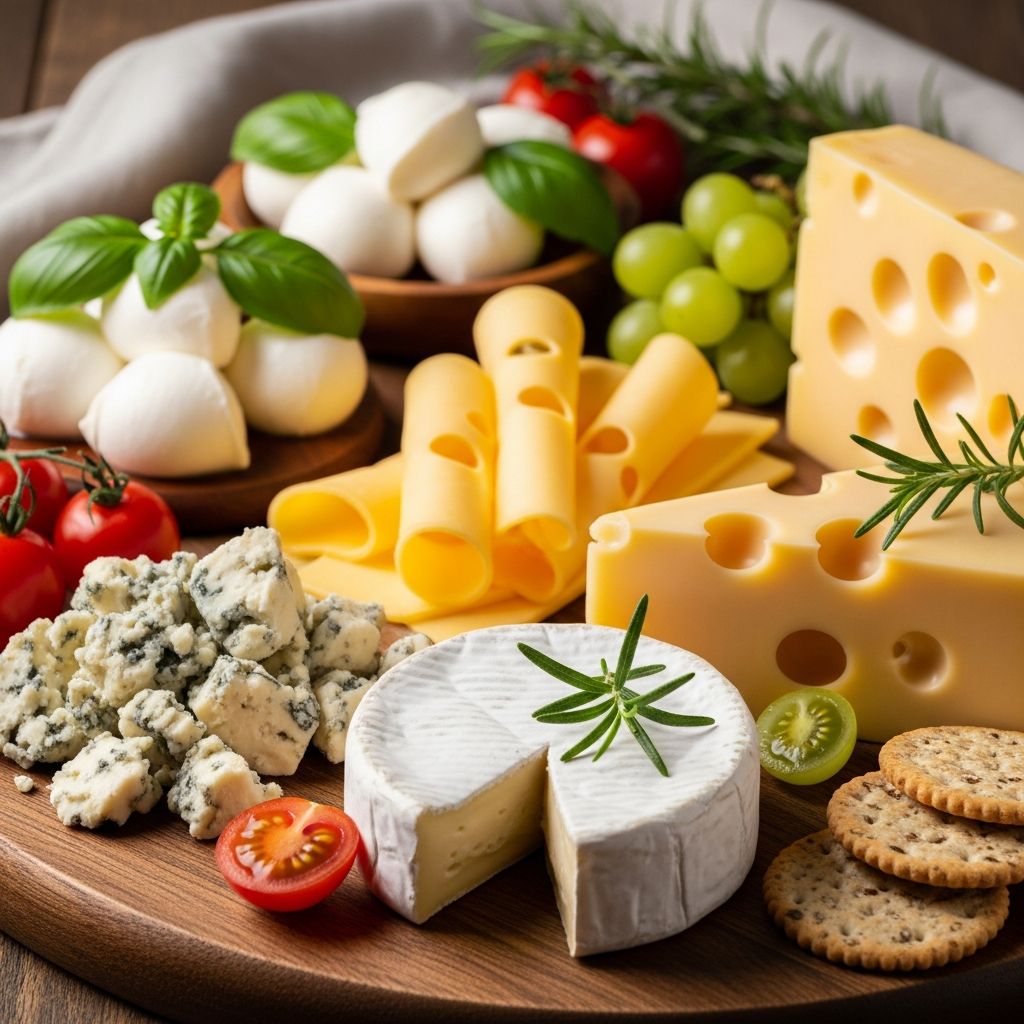
Cheese can be a nutritious addition to your diet when chosen wisely. Dietitians emphasize selecting varieties that are high in protein and calcium while being lower in calories, fat, and sodium. This guide ranks the healthiest cheeses based on expert insights, covering their nutritional profiles, health benefits, and practical tips for incorporation into meals.
What Makes a Cheese Healthy?
The healthiest cheeses balance macronutrients and micronutrients effectively. Key factors include high protein content for satiety and muscle repair, substantial calcium for bone health, lower saturated fat and sodium to support heart health, and potential probiotics for gut benefits. Fresh, low-fat varieties like cottage cheese often top lists due to their favorable nutrient density.
Harder cheeses like Parmesan provide more calcium per serving because minerals concentrate during aging, while softer options like ricotta offer whey protein that’s easily digestible. Always check labels for reduced-fat versions and portion sizes, as cheese is calorie-dense.
1. Cottage Cheese
**Cottage cheese** stands out as the healthiest cheese according to multiple experts. It’s naturally low in fat, calories, and sodium, yet packed with protein, making it ideal for weight management and metabolic health.
- Nutritional Highlights (per 100g low-fat):** Approximately 80-100 calories, 11-14g protein, 1-4g fat, rich in calcium, phosphorus, B vitamins, and selenium.
- Supports muscle building, bone strength, and stable blood sugar levels due to its high protein-to-calorie ratio.
- Studies show it’s as satiating as eggs, beneficial for those at risk of osteoporosis or athletes needing whole-food protein.
Incorporate cottage cheese into smoothies, salads, or as a snack with fruit for a low-calorie, high-protein boost.
2. Feta Cheese
Feta is a close runner-up, praised for its lower calorie and fat content compared to many cheeses, plus potential probiotic benefits. Made from sheep or goat milk, it’s tangy and versatile.
- Nutritional Highlights (per 40g):** Around 140mg calcium, lower fat profile, and some varieties contain probiotics for gut health.
- Provides about 20%+ fat but in moderated amounts, supporting a balanced diet.
- Easier on digestion for some due to fermentation process.
Use crumbled feta in Greek salads, on grilled vegetables, or in Mediterranean dishes to add flavor without excess calories.
3. Parmesan Cheese
Parmesan, a hard aged cheese, excels in calcium and protein density. Its long aging reduces lactose, making it suitable for lactose-intolerant individuals.
- Nutritional Highlights (per 40g):** High calcium (over 300mg in similar hard cheeses), protein, phosphorus; 25%+ fat but used in small amounts.
- Contains mineral-binding compounds for better bone health and potential blood pressure-lowering effects.
- Immune-modulating proteins add extra benefits.
Grate Parmesan over pasta, soups, or salads—a little goes a long way for flavor and nutrition.
4. Ricotta Cheese
Ricotta, made from whey, offers easily digestible protein and low calories. It’s creamy yet light, perfect for various diets.
- Nutritional Highlights (per 25g):** 36kcals, 2.4g protein, 2.8g fat (1.7g saturated), 60mg calcium, low salt.
- Whey protein may support immunity; 10%+ fat category.
- High moisture makes it lower in concentrated fats.
Related Stories



Spread on toast, mix into lasagna, or blend into desserts for a protein-packed twist.
5. Mozzarella Cheese
Fresh mozzarella is low in calories, fat, and salt, with potential beneficial microbes depending on the source.
- Nutritional Highlights (per 25g):** Low calorie/fat/salt, good calcium source; 20%+ fat.
- High moisture content keeps it light.
- Versatile for melting without excessive oiliness.
Ideal for Caprese salads, pizzas, or fresh wraps.
6. Goat Cheese
Goat cheese features medium-chain fatty acids that digest quickly and lower lactose, aiding those with sensitivities.
- Nutritional Highlights:** Higher medium-chain fats less likely stored as body fat; A2 casein for easier digestion.
Crumbled on salads or baked into appetizers.
7. Edam Cheese
Edam, from semi-skimmed milk, offers lower calories and fat with strong calcium and blood pressure benefits.
- Nutritional Highlights (per 40g):** Over 300mg calcium, antioxidants for heart health; 25%+ fat.
Slice for sandwiches or melt in dishes.
8. Gouda Cheese
Gouda is rich in calcium and vitamin K2 for bones and teeth, with ACE-inhibiting compounds for blood pressure.
- Nutritional Highlights:** Semi-hard, high calcium, vitamin K2.
Pair with fruits or crackers.
9. Paneer Cheese
Paneer provides fat-soluble vitamins A and D, low salt, and is vegetarian-friendly.
- Nutritional Highlights:** High fat but vitamin-rich, low sodium.
Use in curries or grilled.
10. Cheddar (Reduced-Fat)
Reduced-fat cheddar delivers calcium and vitamin K2 while managing fat intake.
- Nutritional Highlights (per 40g):** 320mg calcium, 10g fat; 35%+ fat full-fat but opt for reduced.
Nutritional Comparison Table
| Cheese | Calories (25g) | Protein (g) | Fat (g) | Calcium (mg/40g approx) |
|---|---|---|---|---|
| Cottage | 26 | 2.4 | 1.5 | 30 |
| Feta | ~70 | ~4 | ~6 | 140 |
| Parmesan | ~110 | ~10 | ~7 | 300+ |
| Ricotta | 36 | 2.4 | 2.8 | 60 |
| Mozzarella | ~70 | ~6 | ~5 | ~100 |
Note: Values approximate from sources; check labels. Harder cheeses yield more calcium.
Health Benefits of Eating Cheese
- Bone Health: Calcium and vitamin K2 in Gouda, Cheddar, Parmesan prevent osteoporosis. Aim for 1000-1300mg daily.
- Heart Health: Lower-sodium options like cottage, feta reduce risks; ACE inhibitors in Edam, Gouda.
- Weight Management: High-protein cottage, ricotta promote fullness.
- Gut Health: Probiotics in some feta, mozzarella.
- Digestion: Low-lactose Parmesan, goat cheese.
How to Choose and Store Cheese
Opt for pasteurized for safety, reduced-fat where possible, and organic if prioritizing fewer additives. Store in fridge wrapped in wax paper; hard cheeses last longer. Portion control: 30-40g daily max.
Healthy Cheese Recipes
- Cottage cheese bowl: Mix with berries, nuts.
- Feta salad: Greens, tomatoes, olives.
- Parmesan crisps: Bake grated cheese.
- Ricotta toast: On whole-grain with honey.
Frequently Asked Questions (FAQs)
What is the #1 healthiest cheese?
Cottage cheese, due to its high protein, low fat/calories/sodium.
Is cheese good for weight loss?
Yes, in moderation—high-protein types like cottage aid satiety.
Which cheese is best for lactose intolerance?
Parmesan or aged hard cheeses with reduced lactose.
Does feta have probiotics?
Some varieties do, supporting gut health.
How much calcium from cheese daily?
30-40g hard cheese provides 1/3 of daily needs.
References
- We Asked Experts For The Healthiest Cheese & They All Said The… — Delish. 2024-10-01. https://www.delish.com/kitchen-tools/kitchen-secrets/a69610127/what-is-the-healthiest-cheese/
- Which cheese is the healthiest? — Healthy Food Guide. 2023-05-15. https://www.healthyfood.com/advice/which-cheese-is-the-healthiest/
- Top 10 healthiest cheeses — BBC Good Food. 2024-08-20. https://www.bbcgoodfood.com/health/nutrition/top-10-healthiest-cheeses
- Which Cheese for Good Health? — Janet Fletcher. 2019-09-08. https://www.janetfletcher.com/blog/2019/9/8/which-cheese-for-good-health
- Dietary Guidelines for Americans, 2020-2025 — USDA (.gov). 2020-12-31. https://www.dietaryguidelines.gov/
- Calcium – Health Professional Fact Sheet — NIH (.gov). 2024-06-01. https://ods.od.nih.gov/factsheets/Calcium-HealthProfessional/
Similar Articles








Read full bio of medha deb