Healthiest Cooking Methods for Optimal Nutrition
Master the cooking techniques that preserve nutrients and support your health goals.
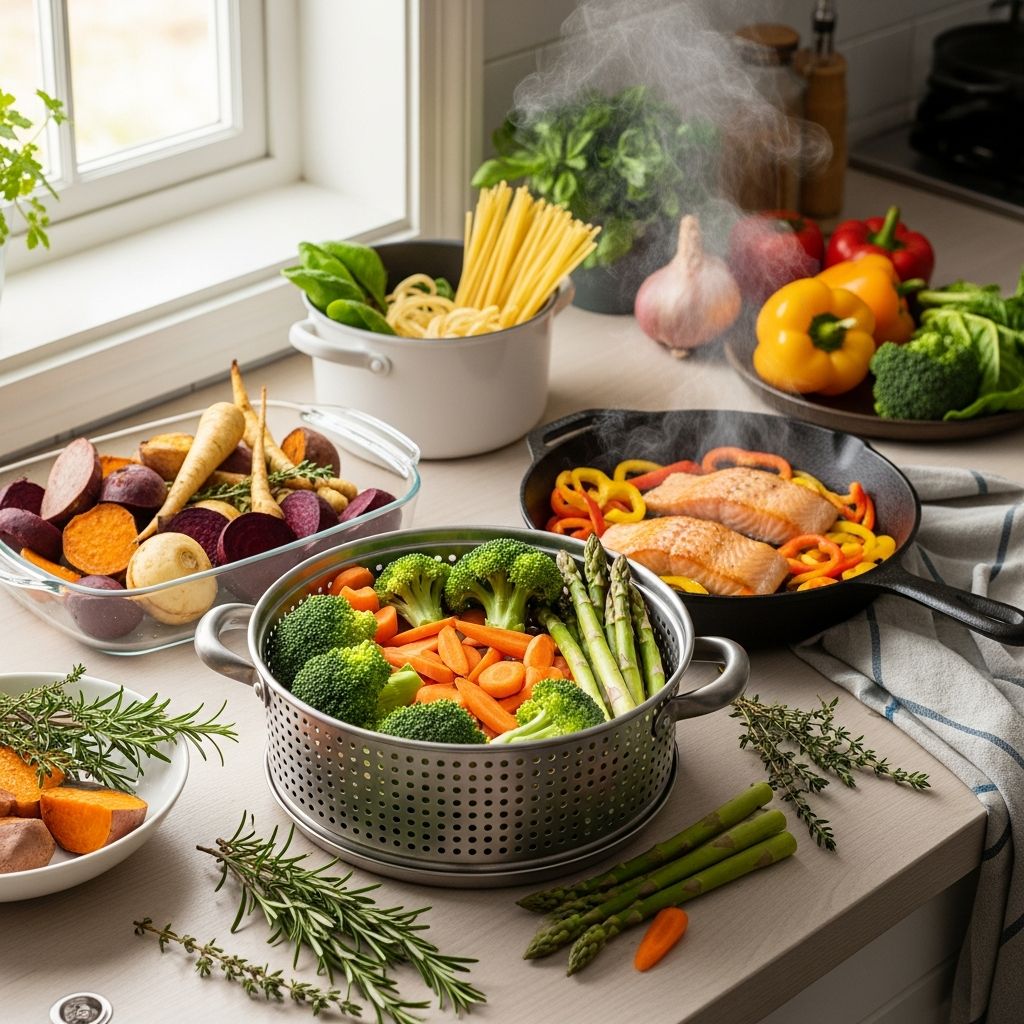
The Healthiest Cooking Methods for Optimal Nutrition
The way you cook your food matters just as much as what you cook. Different cooking methods can significantly impact the nutritional content of your meals, either preserving valuable vitamins and minerals or diminishing them. Understanding which techniques best maintain the health benefits of your ingredients is essential for building a nutritious diet. By choosing the right cooking methods, you can maximize nutrient retention while minimizing the formation of harmful compounds, ultimately supporting your long-term health and wellness goals.
Why Cooking Methods Matter for Nutrition
Cooking transforms food in multiple ways—it can make certain nutrients more bioavailable, destroy heat-sensitive vitamins, and create either beneficial or harmful compounds depending on the temperature and duration. Water-soluble vitamins like vitamin C and B vitamins are particularly vulnerable to cooking, especially in methods that involve prolonged exposure to heat or water. Similarly, some cooking techniques can generate potentially harmful compounds like free radicals and acrylamide, which form when foods are exposed to excessively high temperatures.
The choice of cooking method becomes even more critical when you consider that the goal isn’t just to cook food safely, but to retain as many nutrients as possible while making the meal enjoyable and flavorful. Research from registered dietitian Luis Rustveld at Baylor College of Medicine indicates that cooking methods can significantly affect the nutrient content of food, and awareness of cooking approaches helps maintain a balanced diet.
Steaming: The Top Nutrient Preserver
Steaming ranks among the healthiest cooking methods because it preserves the maximum amount of vitamins and minerals with minimal nutrient loss. Since food doesn’t come into direct contact with cooking water and temperatures remain relatively low, steaming minimizes the destruction of heat-sensitive nutrients. This method is particularly effective for vegetables, as the food maintains its natural flavor and texture while keeping beneficial compounds intact.
One of the key advantages of steaming is that it requires no added fats, making it ideal for those following low-fat diets or managing digestive issues. Steamed foods tend to be soft and easy to digest, which can be beneficial for certain health conditions. According to research, steamed broccoli retains more of its beneficial glucosinolate compound compared with boiled or fried broccoli, and steaming kale alters certain enzymes that allow your body to absorb iodine more effectively.
To enhance the flavor of steamed dishes without compromising nutrition, use aromatic herbs and spices such as mint, bay leaf, coriander, curry, paprika, and turmeric. Fish, meat, and vegetables all work wonderfully when steamed, maintaining their natural softness and nutritional integrity.
Microwaving: Fast and Nutrient-Preserving
Microwaving is a surprisingly healthy cooking method that deserves reconsideration in modern kitchens. Contrary to common misconceptions, microwave cooking preserves nutrients exceptionally well because it uses electromagnetic waves to heat food quickly from the inside. The short cooking times and minimal liquid requirements mean fewer water-soluble vitamins are lost compared to many other methods.
Research shows that less vitamin C is lost from green vegetables during microwaving than in most cooking methods, making it one of the best techniques for nutrient preservation. Additionally, you can steam food directly in the microwave, which provides an excellent alternative to boiling or frying vegetables while retaining maximum nutritional value.
Related Stories



For best results when microwaving, cover your food to prevent it from drying out and arrange it evenly to ensure uniform cooking. This simple technique can make a significant difference in both the texture and nutritional quality of your meals.
Baking and Roasting: Versatile and Low-Fat Options
Oven cooking through baking and roasting offers versatility while maintaining nutritional value when done properly. These methods allow you to prepare a wide variety of dishes with little or no added fat, making them excellent choices for health-conscious cooking. Moderate temperatures during baking help preserve heat-sensitive nutrients and encourage natural caramelization, which enhances flavor without requiring added oils.
However, using excessively high temperatures or cooking for too long can lead to the loss of heat-sensitive vitamins and the formation of unwanted compounds on the food’s surface, particularly in meats. To minimize these risks, avoid overheating and remove any charred parts from your food. Baking is one of the healthiest methods for preparing potatoes, as it requires little to no added fat and preserves nutrients such as potassium and vitamin C.
When baking potatoes, you can top them with healthy ingredients like vegetables, lean proteins, and yogurt to create a balanced, nutrient-dense meal. The main drawback of baking is that it requires considerable time, and potatoes can dry out without proper preparation.
Boiling: Simple but Nutrient-Depleting
Boiling is a simple and quick cooking technique, but it comes with a significant nutritional downside. When food is submerged in hot water, water-soluble nutrients like vitamin C and B vitamins dissolve into the cooking water and are often discarded along with the liquid. This nutrient loss represents one of the main limitations of boiling as a healthy cooking method.
While boiling doesn’t require added fats and remains a healthy option in terms of calorie content, the substantial loss of water-soluble vitamins makes it less desirable than other moist-heat cooking methods like steaming. Water-based cooking, which includes poaching at less than 180°F, simmering at 185-200°F, and boiling at 212°F, results in the most loss of water-soluble vitamins among common cooking techniques.
If you choose to boil vegetables, consider saving the cooking water for soups or broths to recover some of the lost nutrients. However, steaming remains the superior option when you want to preserve maximum nutritional value.
Sautéing and Stir-Frying: Quick and Nutrient-Friendly
Sautéing and stir-frying are generally healthy cooking methods when executed properly with appropriate oil choices and cooking times. Both techniques involve cooking food in a saucepan over medium heat using small amounts of oil or butter. The key difference is that stir-frying uses higher temperatures and significantly shorter cooking times, which helps prevent the loss of B vitamins.
Cooking for short periods without water helps prevent the loss of B vitamins, and the addition of fat may actually enhance the absorption of plant compounds and antioxidants found in vegetables. This means that the small amount of oil used in these methods provides a nutritional benefit by improving your body’s ability to absorb fat-soluble nutrients.
However, there are some considerations: stir-frying has been shown to significantly reduce the amount of vitamin C in produce such as broccoli and red cabbage. To minimize nutrient loss, use healthy cooking oils high in monounsaturated and polyunsaturated fats, such as olive oil, and avoid overcooking your food. Keep cooking times as short as possible while ensuring food is properly cooked.
Grilling and Broiling: High-Heat Cooking
Grilling and broiling use dry heat to cook food, with grilling applying heat from underneath and broiling using a heat source from above. Both methods expose food to intense heat for relatively short periods compared to some moisture-cooking techniques, which helps retain more nutrients than methods requiring longer cooking times.
However, heat-sensitive vitamins such as B vitamins and vitamin C can be lost through high-heat cooking. With grilling and broiling, up to 40% of B vitamins and minerals can potentially be lost in nutrient-rich juices or drippings. If you collect these juices, you can preserve some of the lost nutritional value by using them in sauces or gravies.
Grilling evokes positive associations with summer cookouts and outdoor cooking, and it’s an excellent method for preparing vegetables and lean proteins. To maximize nutrient retention while grilling, avoid excessively high temperatures and minimize charring on your food.
Air Frying: A Healthier Alternative to Deep-Frying
Air frying represents a modern alternative to traditional deep-frying that significantly reduces health risks while maintaining satisfying texture and flavor. This cooking method uses rapidly circulated dry heat with little to no oil, making it substantially healthier than conventional frying methods.
Air frying can cut calories by 70% to 80% and is less likely to deplete nutrients compared to deep frying and boiling. This technique produces crispy foods without the excessive oil absorption associated with traditional frying, making it an excellent option for those seeking healthier versions of their favorite fried foods.
Air fryers are becoming increasingly popular in home kitchens because they deliver satisfying results with minimal added fat. They work well for vegetables, proteins, and even some baked goods, offering versatility alongside nutritional benefits.
Deep-Frying: The Least Healthy Option
Deep-frying is one of the least healthy cooking methods and should be minimized in a health-conscious diet. This technique involves submerging food in hot oil, which significantly increases calorie and fat content beyond what’s necessary for nutrition or enjoyment.
Beyond the caloric concerns, deep-frying presents serious nutritional and health risks. The reuse of oils and exposure to very high temperatures can generate harmful compounds like free radicals and acrylamide, both of which are associated with a higher risk of cardiovascular disease and certain types of cancer. Each time oil is reheated, its chemical composition changes in ways that may increase inflammation and oxidative stress in the body.
If you enjoy fried foods, consider air frying as a much healthier alternative that delivers similar satisfaction with significantly fewer health concerns.
Creating a Balanced Cooking Strategy
Rather than adhering strictly to one cooking method, the most effective approach involves combining healthy techniques while respecting nutrient preservation and reducing the formation of toxic compounds. The optimal strategy includes varying your cooking methods based on the ingredient and your nutritional goals.
Consider these practical guidelines:
- Use steaming and microwaving as your primary methods for vegetables to maximize vitamin and mineral retention
- Choose baking over frying for proteins and starches to reduce added fats and calories
- Employ short, high-heat methods like stir-frying for quick meals while using healthy oils
- Avoid prolonged boiling of vegetables, or save the cooking water for soups
- Minimize deep-frying and opt for air frying when cravings for fried foods arise
- Remove charred portions and avoid excessively high temperatures when grilling
- Enhance flavor with herbs, spices, and seasonings rather than relying on added fats or salt
The Role of Temperature and Time
Two critical factors influence nutrient preservation in any cooking method: temperature and cooking duration. Lower temperatures and shorter cooking times generally preserve more nutrients, while high heat for extended periods destroys more vitamins and minerals while potentially creating harmful compounds.
Heat-sensitive nutrients like vitamin C, B vitamins, and certain antioxidants are most vulnerable to destruction. By choosing cooking methods that minimize exposure to extreme heat and water, you can significantly improve the nutritional quality of your meals. Cooking foods using only small amounts of fat or water at a lower temperature for a shorter amount of time boosts the nutrient content of your food.
Making Your Meals More Nutritious
Awareness of how different cooking methods affect nutrition is the foundation for building a healthier diet. The most important principle is consistency in choosing methods that preserve nutrients rather than destroy them. However, it’s equally important to enjoy the food you’re eating, as adherence to a healthy diet requires that meals be satisfying and delicious.
Aim to eat a variety of raw and cooked vegetables and proteins in ways that you genuinely enjoy eating them. This approach helps maximize your nutrient intake while providing balance to your diet. Raw vegetables offer maximum nutrient content, while cooked vegetables may have altered nutrient profiles but offer increased bioavailability of certain compounds and enhanced flavor complexity.
By understanding the strengths and limitations of different cooking methods, you can make informed choices that support your health goals while creating meals that nourish both your body and your enjoyment of food.
Frequently Asked Questions
Q: Which cooking method preserves the most nutrients?
A: Microwaving ranks highest for overall nutrient preservation, with steaming as a close second. Both methods use short cooking times and minimal liquid, which protects heat-sensitive and water-soluble vitamins.
Q: Is boiling vegetables unhealthy?
A: Boiling is less optimal than steaming because water-soluble vitamins like vitamin C and B vitamins leach into the cooking water and are discarded. Steaming achieves similar food texture without this nutrient loss.
Q: Can I use oil when cooking and still keep meals healthy?
A: Yes, using small amounts of healthy oils high in monounsaturated and polyunsaturated fats (like olive oil) in methods like stir-frying or sautéing actually enhances nutrient absorption while keeping meals relatively low in added fat.
Q: Is grilled food less nutritious than steamed food?
A: Grilling causes some nutrient loss, particularly B vitamins that can leach into drippings. However, the shorter cooking time compared to some other methods helps it retain more nutrients than prolonged cooking techniques.
Q: What should I do about charring when grilling or baking?
A: Remove any heavily charred portions from your food, as they may contain potentially harmful compounds. Use moderate temperatures and monitor cooking times to minimize charring and nutrient destruction.
Q: Is microwaving food safe and nutritious?
A: Yes, microwaving is both safe and nutritious. Contrary to myths, it doesn’t make food radioactive and actually preserves more nutrients than most other cooking methods due to short cooking times.
References
- Healthy Cooking Methods — Baylor College of Medicine. 2025-02-18. https://blogs.bcm.edu/2025/02/18/healthy-cooking-methods-demystified/
- How Cooking Affects the Nutrient Content of Foods — Healthline. https://www.healthline.com/nutrition/cooking-nutrient-content
- Preferred Cooking Methods for Stellar Nutrition — Life University. https://living.life.edu/slice-of-life/preferred-cooking-methods-for-stellar-nutrition/
- Methods for Healthy Cooking — USDA Food and Nutrition Service. https://fns-prod.azureedge.us/sites/default/files/resource-files/methodsforhealthycookig.pdf
- Cooking Methods: Which Is the Healthiest? — Kuoko Kitchen. https://kuokokitchen.com/en/cooking-methods-which-is-the-healthiest/
- The Numan Guide to Healthy Cooking Methods — Numan. https://www.numan.com/weight-loss/diet/guide-to-healthy-cooking-methods
Similar Articles








Read full bio of Sneha Tete